
When planning a dream vacation to the tropical paradise of Hawaii, images of sun-drenched beaches, lush rainforests, and vibrant coral reefs typically fill the mind. The Aloha State promises an escape from the everyday, a chance to immerse oneself in breathtaking natural beauty and a unique island culture. However, for some travelers, a persistent question might arise, especially for those with a keen awareness of the natural world or who have had prior negative experiences with these tiny arachnids: “Does Hawaii have ticks?” It’s a valid concern, and understanding the presence, or lack thereof, of ticks can significantly impact your travel preparation and peace of mind.
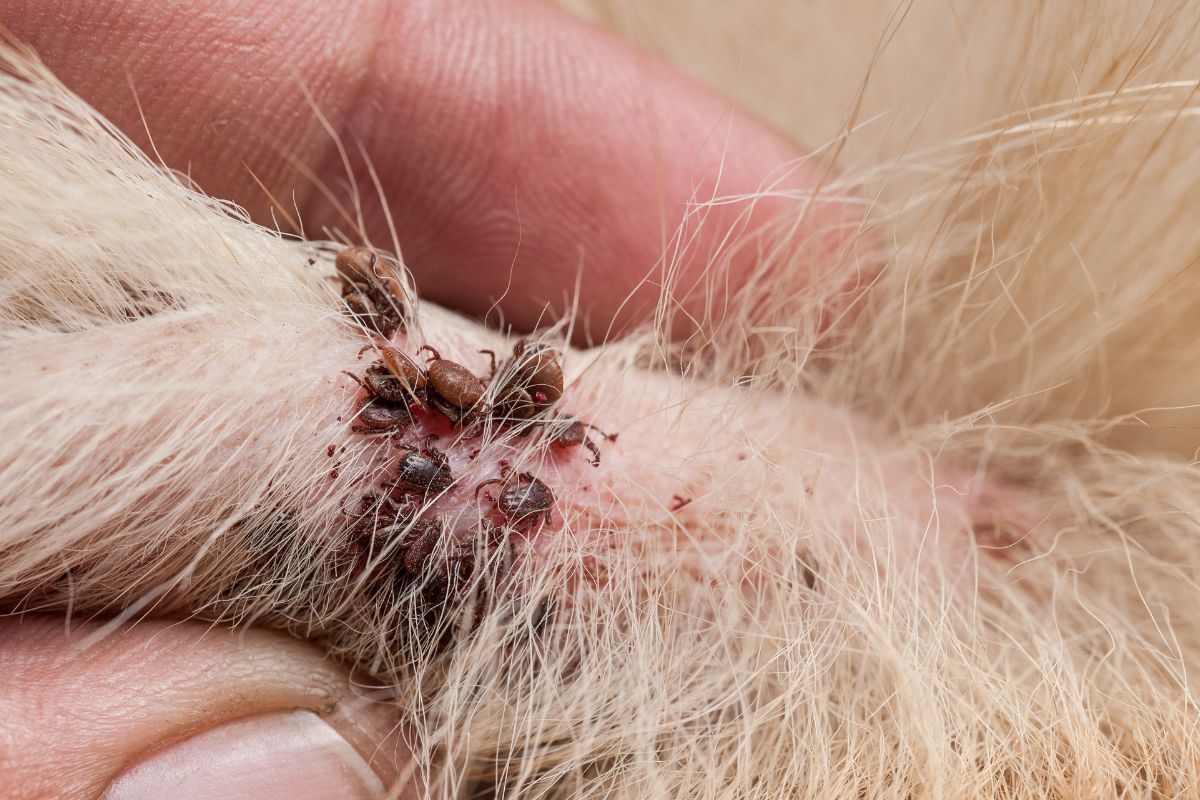
The good news, and the primary answer to this frequently asked question, is that Hawaii is remarkably free from the types of ticks that are considered a significant public health concern for humans. Unlike many continental regions, Hawaii does not have indigenous populations of the most common tick species known for transmitting diseases like Lyme disease or Rocky Mountain spotted fever. This is largely due to its geographical isolation, a pristine environment, and dedicated efforts in pest control and wildlife management.
This doesn’t mean Hawaii is entirely devoid of all tick species. However, the ticks that are occasionally found on the islands are generally of a different variety, often found on migrating birds or introduced animals, and their populations are not widespread or a significant threat to human health. The ecological balance of the Hawaiian islands has historically been such that the common tick life cycle, dependent on a variety of mammal hosts found in mainland ecosystems, has not been able to establish itself robustly.
For travelers planning a trip to explore the diverse attractions of Hawaii, from the iconic Waikiki Beach on Oahu to the dramatic landscapes of the Na Pali Coast on Kauai, or venturing into the volcanic terrains of Hawaii Volcanoes National Park on the Big Island, understanding this tick situation can alleviate unnecessary worry. The focus can then shift to enjoying the unparalleled experiences the islands offer.
Understanding Hawaii’s Tick Landscape
The Absence of Disease-Carrying Ticks
One of the most reassuring aspects for visitors is the virtual absence of ticks that are notorious disease vectors. In many parts of the world, ticks are a significant concern, carrying illnesses that can range from mildly irritating to severely debilitating. Lyme disease, for example, is a well-known tick-borne illness that prompts many people to take precautions when venturing into wooded or grassy areas. However, the specific types of ticks responsible for transmitting Lyme disease are not found in Hawaii. This is a critical distinction and a major reason why the islands are considered a relatively tick-free destination from a public health perspective.
The success of Hawaii in maintaining this tick-free status is a testament to its unique island biogeography and proactive environmental management. Being an isolated archipelago, Hawaii has a distinct flora and fauna, and the introduction of new species is carefully monitored. The lack of native tick species that thrive on common mainland mammals means that even if a tick is accidentally introduced, it struggles to establish a breeding population.
Potential for Introduced Tick Species
While the primary tick-borne diseases are not a concern, it’s important to acknowledge that Hawaii, like any global destination, can occasionally have ticks introduced through various means. Migratory birds, for instance, can carry ticks from other continents. These ticks are usually non-native and do not find the Hawaiian environment conducive to long-term survival or reproduction. They are typically found on the birds themselves, and their presence on the ground or on people is rare and transient.
Occasionally, ticks can also be introduced via pets or livestock that are brought to the islands. Strict quarantine measures are in place for animals entering Hawaii to prevent the introduction of pests and diseases, further bolstering the islands’ defense against invasive tick populations.
Despite these possibilities, the likelihood of encountering a tick that poses a health risk to humans on Hawaii is exceedingly low. The focus for travelers should remain on enjoying the natural beauty and recreational opportunities rather than harboring significant concerns about tick-borne illnesses.
Preparing for Your Hawaiian Adventure
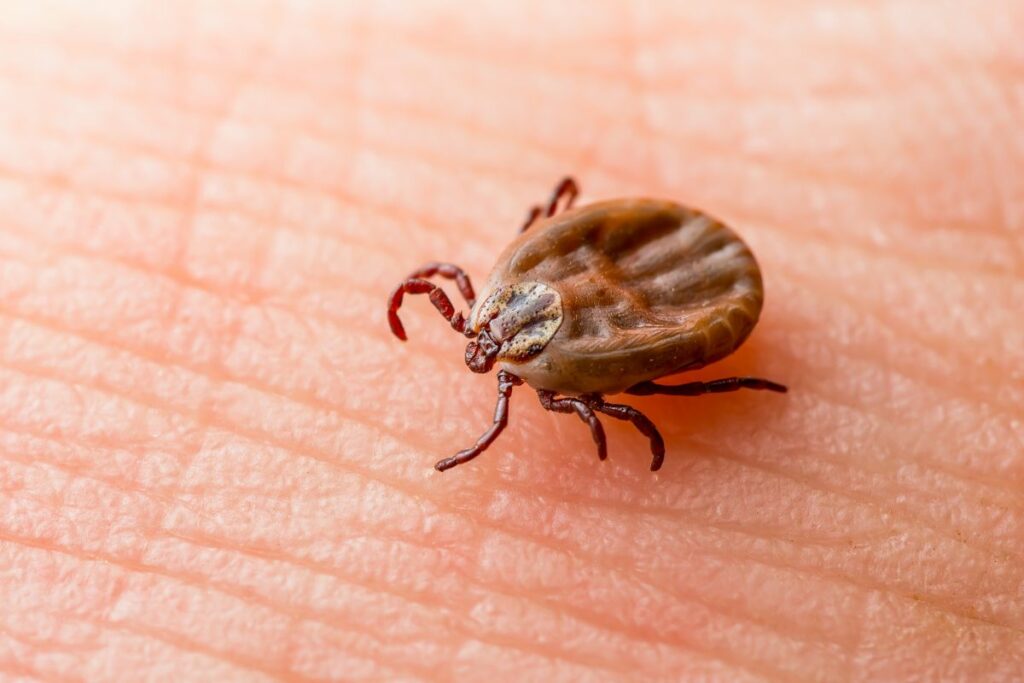
While the tick situation in Hawaii is favorable, a few general precautions are always wise when traveling to any natural environment, especially if your itinerary includes extensive hiking or exploring less-traveled areas. The focus here shifts from disease prevention to general comfort and awareness.
General Outdoor Safety and Comfort
When exploring the lush landscapes of Hawaii, whether it’s the verdant valleys of Waipio Valley or the trails around Mount Haleakala, dressing appropriately can enhance your comfort. Long sleeves and pants can provide protection against not only any incidental insect bites but also against scratches from vegetation and the sun. Insect repellent, while not strictly necessary for tick prevention, can offer general protection against mosquitoes and other biting insects that might be present in certain environments.
When staying in a resort like the Grand Hyatt Kauai Resort & Spa or a charming villa, you can rest assured that the accommodations are well-maintained and unlikely to be a source of any pest concerns. However, if you are planning more rustic experiences or camping, being mindful of your surroundings is always a good practice. Always check for any hitchhikers after spending time in dense foliage or tall grass.
What to Do If You Find a Tick
In the highly unlikely event that you do find a tick on yourself or a companion while in Hawaii, it’s important to remember that the risk of disease transmission from these introduced ticks is minimal. The best course of action is to remove the tick promptly and safely.
- Use fine-tipped tweezers: Grasp the tick as close to the skin’s surface as possible.
- Pull upward with steady, even pressure: Avoid twisting or jerking the tick, as this can cause its mouth-parts to break off and remain in the skin.
- Clean the bite area: After removing the tick, thoroughly clean the bite area and your hands with soap and water or rubbing alcohol.
- Dispose of the tick: You can kill the tick by placing it in alcohol, putting it in a sealed bag or container, wrapping it tightly in tape, or flushing it down the toilet. Do not crush a tick with your fingers.
If you are concerned about the bite, or if the area becomes red or irritated, consult with a local healthcare professional. However, it’s crucial to reiterate that these situations are exceptionally rare in Hawaii.
Enjoying Hawaii’s Natural Wonders
The lack of prevalent disease-carrying ticks significantly enhances the ability of visitors to fully immerse themselves in Hawaii‘s natural beauty. You can explore the diverse ecosystems, from the volcanic craters of Haleakala National Park to the snorkeling havens of Molokini Crater, with a greater sense of freedom and less concern.
Exploring Diverse Landscapes
The Hawaiian Islands offer an incredible array of natural attractions. On Maui, beyond Haleakala, the scenic Road to Hana winds through lush rainforests, past cascading waterfalls, and offers breathtaking ocean vistas. Kauai, known as the “Garden Isle,” boasts the stunning Waimea Canyon, often called the “Grand Canyon of the Pacific,” and the aforementioned Na Pali Coast, which is best viewed by boat tour or helicopter. Oahu provides a mix of iconic beaches like Waikiki and historical sites such as Pearl Harbor, alongside hiking trails like Diamond Head. The Big Island is a geological marvel, home to active volcanoes in Hawaii Volcanoes National Park, black sand beaches, and diverse climate zones.
Activities for Every Traveler
Whether you’re seeking luxury travel, a budget-friendly family trip, or a romantic getaway, Hawaii caters to all. Resorts like the Four Seasons Resort Oahu at Ko Olina offer world-class amenities, while charming boutique hotels and vacation rentals provide diverse accommodation options. Activities range from surfing lessons on Oahu‘s north shore to whale watching tours off the coast of Maui during the winter months, exploring the cultural heritage through luaus and historical sites, and simply relaxing on the pristine beaches.
The peace of mind regarding tick-borne illnesses allows travelers to fully embrace the spirit of aloha and the rejuvenating power of the Hawaiian environment. The focus can be entirely on the incredible experiences, the vibrant local culture, the delicious food, and the unparalleled natural beauty that make Hawaii such a sought-after destination. So, to answer the question definitively: while technically some ticks may be introduced to Hawaii, the islands are overwhelmingly considered a tick-free destination from a human health perspective, allowing you to plan your trip with confidence and a focus on the magic that awaits.
LifeOutOfTheBox is a participant in the Amazon Services LLC Associates Program, an affiliate advertising program designed to provide a means for sites to earn advertising fees by advertising and linking to Amazon.com. Amazon, the Amazon logo, AmazonSupply, and the AmazonSupply logo are trademarks of Amazon.com, Inc. or its affiliates. As an Amazon Associate we earn affiliate commissions from qualifying purchases.