
The captivating story of how the pristine islands of Hawaii became part of the United States is a complex narrative filled with exploration, diplomacy, economic interests, and ultimately, political upheaval. Far from a simple annexation, the process unfolded over decades, involving the gradual erosion of Hawaiian sovereignty and a pivotal, contentious moment in its history. Understanding this acquisition offers a deeper appreciation for Hawaii’s rich cultural heritage and its unique place in American history.
The journey to American acquisition began not with conquest, but with the arrival of explorers and missionaries. Captain James Cook is credited with being the first European to land in Hawaii in 1778, naming the archipelago the Sandwich Islands after his patron, the Earl of Sandwich. This encounter marked the beginning of significant interaction between the indigenous Hawaiian people and the Western world, ushering in an era of profound cultural and societal change. Early interactions were largely peaceful, with Captain Cook initially being revered as a god by the locals. However, this encounter also brought diseases to which the Hawaiians had no immunity, leading to a devastating decline in population.
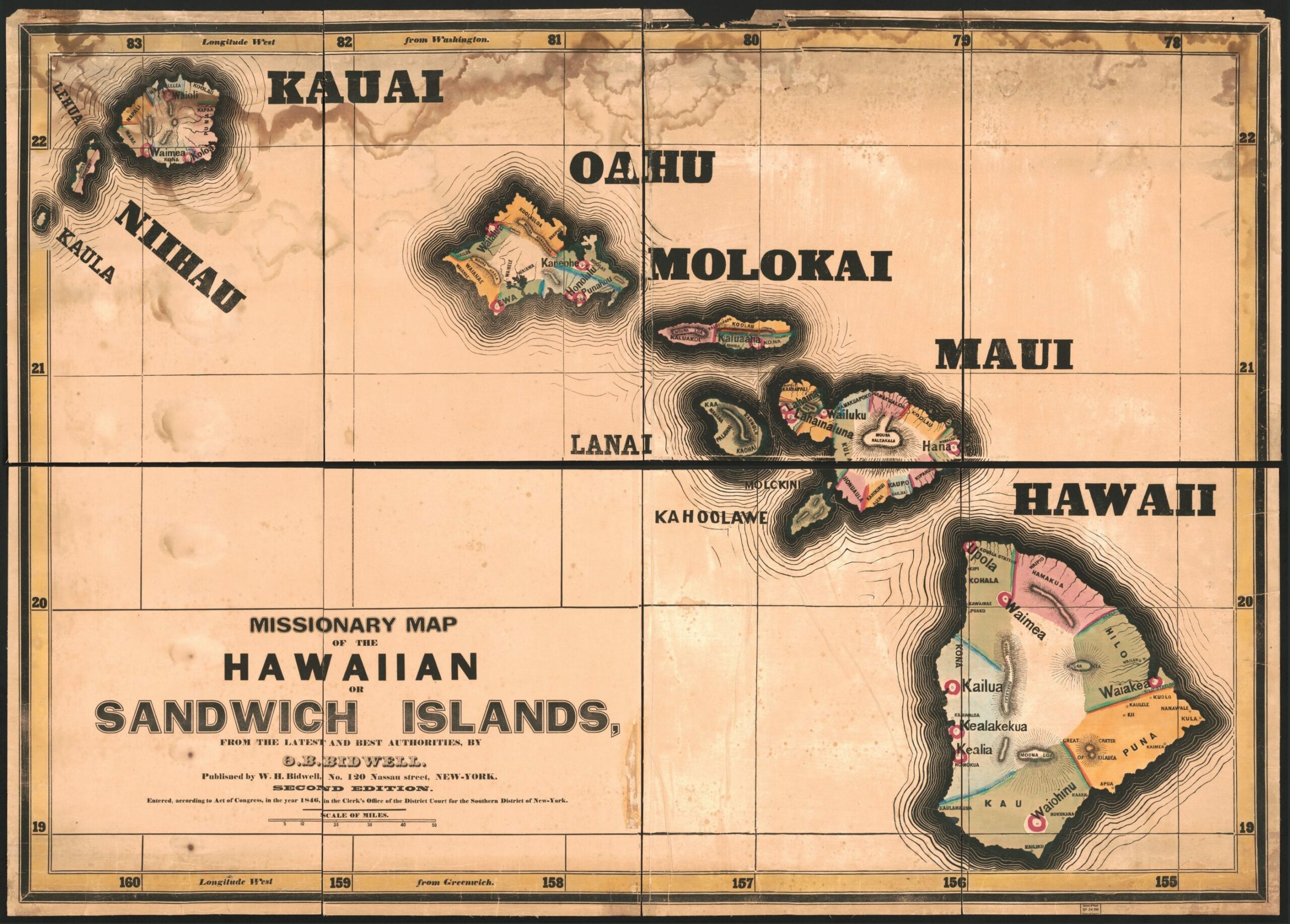
The Rise of the Hawaiian Kingdom and Early Foreign Influence
Prior to European contact, Hawaii was a complex society with a sophisticated political structure, ruled by powerful chiefs who often engaged in warfare. The unification of the islands under King Kamehameha I in the late 18th and early 19th centuries marked a significant turning point, establishing a centralized monarchy that would govern Hawaii for nearly a century. King Kamehameha I was a formidable leader, shrewdly incorporating Western military technology into his forces, which aided him in conquering and uniting the islands.
Following Captain Cook’s visit, other European powers, including the British and the French, also established a presence in Hawaii. However, it was the United States that would come to exert the most significant long-term influence. American missionaries began arriving in the 1820s, seeking to convert the Hawaiian population to Christianity. While their intentions were ostensibly religious, their presence also brought about substantial social and economic changes. They established schools, introduced Western literacy, and influenced the development of Hawaii’s legal and political systems.
Simultaneously, American economic interests began to flourish. The fertile volcanic soil and tropical climate of Hawaii proved ideal for agriculture, particularly for sugar cane cultivation. American businessmen established vast sugar plantations, which became the backbone of the Hawaiian economy. These plantation owners, often referred to as the “Reciprocity Brothers” due to their lobbying for favorable trade agreements, wielded considerable economic and, consequently, political power within the kingdom. They relied heavily on imported labor to work the demanding conditions of the plantations, bringing in workers from China, Japan, Portugal, and other parts of Asia and Europe, further diversifying the islands’ population.
The Bayonet Constitution and Erosion of Royal Power
As American economic power grew, so did calls for greater political influence. In the mid-19th century, tensions began to simmer between the Hawaiian monarchy and the growing contingent of American and European residents. The Hawaiian monarchy, while increasingly influenced by foreign advisors, still maintained a degree of autonomy. However, a pivotal moment arrived in 1887 with the imposition of the so-called “Bayonet Constitution.”
This document was forced upon King Kalākaua under duress, with American businessmen and landowners threatening military action. The Bayonet Constitution significantly curtailed the powers of the monarchy, stripping the king of much of his executive authority and restricting suffrage to wealthy landowners, effectively disenfranchising a large portion of the Hawaiian population. The power of the legislature was also diminished, and the constitution established a cabinet appointed by the king but removable by the legislature, creating a system ripe for foreign manipulation. This event marked a dramatic shift, effectively transferring significant political control from the Hawaiian monarchy to the hands of the American-dominated business elite.
King Kalākaua, a proponent of Hawaiian culture and sovereignty, felt deeply betrayed by this turn of events. Despite the constraints imposed by the Bayonet Constitution, he continued to work towards preserving Hawaiian identity and traditions. He championed the revival of Hula and other cultural practices that had been suppressed by the missionaries. His reign, though challenged, was a period of cultural renaissance.
Following King Kalākaua’s death in 1891, his sister, Queen Liliuokalani, ascended to the throne. She was a devout nationalist and a staunch advocate for Hawaiian rights and sovereignty. One of her primary goals was to restore power to the monarchy and to abrogate the discriminatory Bayonet Constitution. She began drafting a new constitution that would reinstate the monarch’s authority and enfranchise more Hawaiians.

The Overthrow of the Hawaiian Monarchy and the Republic of Hawaii
Queen Liliuokalani’s efforts to restore Hawaiian sovereignty were met with fierce opposition from the American business community, who saw her reforms as a direct threat to their economic and political dominance. They feared that a resurgent monarchy would jeopardize their access to the lucrative American market and potentially lead to policies unfavorable to their interests.
In January 1893, a group of American and European businessmen, with the support of the United States minister to Hawaii, John L. Stevens, and a contingent of U.S. Marines from the USS Boston, staged a coup d’état. The Committee of Safety, as the group of conspirators was known, declared the monarchy abolished and established a provisional government. Queen Liliuokalani, recognizing the futility of resisting the armed U.S. troops and fearing bloodshed, surrendered her throne under protest, stating that she yielded “to the superior force of the United States of America.”
The provisional government, heavily influenced by Sanford B. Dole, a lawyer and prominent plantation owner, immediately began advocating for annexation by the United States. President Grover Cleveland, upon learning of the overthrow, condemned the actions of the U.S. minister and the provisional government, ordering the withdrawal of U.S. troops. He believed the overthrow was an illegal act and attempted to restore Queen Liliuokalani to her throne. However, his efforts were thwarted by the provisional government and the U.S. Congress, which was increasingly influenced by expansionist sentiments.
Despite President Cleveland’s opposition, the provisional government continued to push for annexation. In 1894, they established the Republic of Hawaii, with Sanford B. Dole as its president. This republic was essentially a state controlled by American interests, devoid of genuine Hawaiian representation.
Annexation and the Path to Statehood
The annexation of Hawaii was a contentious issue in the United States. While powerful economic interests and expansionist politicians championed the idea, many Americans voiced strong opposition, viewing it as an imperialistic act and a violation of the principles of self-determination. The strategic importance of Pearl Harbor as a naval base, however, became a significant factor in the annexation debate, particularly in the context of growing American power in the Pacific.
In 1898, amidst the fervor of the Spanish-American War, the United States finally annexed Hawaii. The annexation was achieved through a joint resolution of Congress rather than a treaty, a move designed to circumvent potential opposition and avoid a lengthy debate. The resolution, passed by Congress, declared Hawaii a territory of the United States.
As a territory, Hawaii was governed by the United States, with a governor appointed by the President. Hawaiians did not gain full American citizenship until the passage of the Hawaiian Homes Commission Act in 1921, and even then, many native Hawaiians continued to struggle for political and economic equality. The economic power continued to be concentrated in the hands of large corporations, primarily involved in sugar and pineapple production.
The path to statehood for Hawaii was a long and arduous one. For decades, Hawaiians and their allies advocated for full American citizenship and self-governance. Concerns about Hawaii’s diverse population and its strategic location were often cited as reasons for delaying statehood. However, following World War II, sentiment shifted. The significant contributions of Hawaiian soldiers during the war, coupled with a growing recognition of the injustice of territorial status, fueled the movement for statehood.
Finally, on August 21, 1959, Hawaii officially became the 50th state of the United States. This marked the culmination of a complex and often painful historical process, transforming a sovereign kingdom into a part of the American union. The acquisition of Hawaii remains a significant event in American history, one that continues to be debated and re-examined, particularly in light of the enduring legacy of Hawaiian culture and the ongoing efforts to address historical injustices.
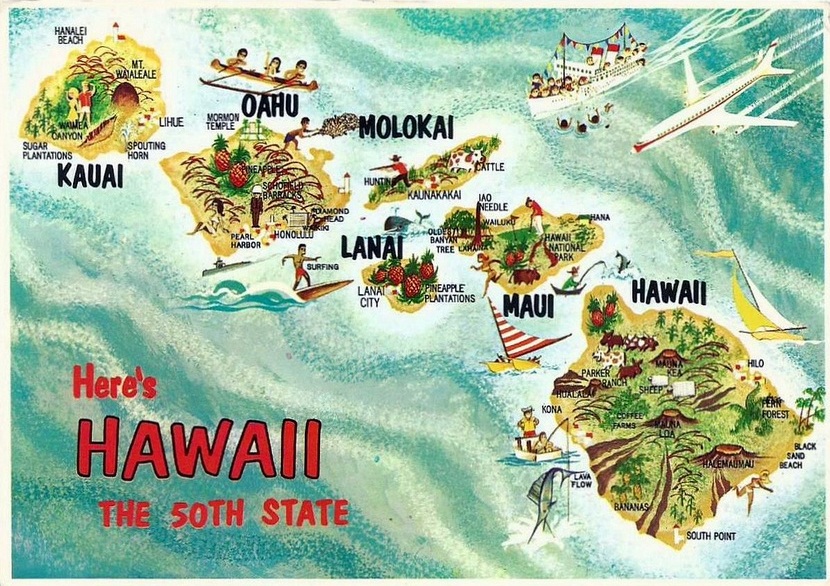
Today, Hawaii is a premier travel destination, renowned for its breathtaking natural beauty, vibrant local culture, and luxurious resorts. Visitors flock to iconic landmarks like Diamond Head and the Pearl Harbor National Memorial, and can experience authentic Hawaiian traditions through various tourism offerings. From exploring lush rainforests and pristine beaches to indulging in world-class cuisine and experiencing the aloha spirit, Hawaii offers an unforgettable lifestyle experience, a testament to its rich and multifaceted history. The islands continue to be a place where the echoes of its past, including the story of its acquisition, intermingle with the vibrant present, offering a unique blend of history, culture, and natural wonder.
LifeOutOfTheBox is a participant in the Amazon Services LLC Associates Program, an affiliate advertising program designed to provide a means for sites to earn advertising fees by advertising and linking to Amazon.com. Amazon, the Amazon logo, AmazonSupply, and the AmazonSupply logo are trademarks of Amazon.com, Inc. or its affiliates. As an Amazon Associate we earn affiliate commissions from qualifying purchases.