
The allure of Hawaii – with its pristine beaches, vibrant culture, and breathtaking volcanic landscapes – beckons travelers from around the globe. As a premier travel destination, it’s natural for prospective visitors to wonder about the necessary entry requirements. One of the most common questions that arise during the planning phase is whether a passport is needed to enter the Aloha State. The answer, like many things in travel, depends on where you’re coming from. For the vast majority of visitors from the United States, the good news is that your journey to paradise doesn’t require an international passport. However, for international travelers, the requirements are the same as entering any other U.S. state or territory. This comprehensive guide will clarify all your passport and travel document queries, ensuring a smooth and stress-free path to your dream Hawaiian getaway, while also exploring the myriad experiences that await you across these enchanting islands.
Navigating U.S. Travel to the Aloha State
Understanding the distinction between domestic and international travel is key when planning your trip to Hawaii. As the 50th state of the United States, travel within its borders falls under domestic regulations for U.S. citizens, but still adheres to international protocols for foreign nationals entering the country.
For U.S. Citizens: The Simple Truth
If you are a citizen of the United States, traveling to Hawaii is considered a domestic flight, much like flying from New York to California or Florida. Therefore, a passport is not required. Instead, you will need a valid, government-issued photo identification to clear Transportation Security Administration (TSA) checkpoints at the airport. The most commonly accepted forms of identification include:
- A state-issued driver’s license or other state photo identity card
- A U.S. passport card
- A U.S. military ID
- A permanent resident card
- An approved tribal ID
It’s crucial to ensure your chosen ID is current and not expired. Furthermore, travelers should be aware of the REAL ID Act. While enforcement has been delayed multiple times, eventually, all U.S. citizens 18 years and older flying domestically will need a REAL ID compliant driver’s license or another acceptable form of ID, such as a passport. A REAL ID typically features a star at the top of the card. Always check the latest TSA guidelines before your trip to confirm current requirements. For families traveling with children, generally, children under 18 do not need to show ID when traveling with an adult within the United States. However, it’s always wise to carry some form of identification for minors, such as a birth certificate, just in case. Preparing these documents in advance ensures a seamless start to your Hawaiian adventure, freeing you to focus on the sun, sand, and surf.
Non-U.S. Citizens: International Travel Protocols
For individuals who are not citizens of the United States, traveling to Hawaii falls under international travel regulations, meaning a valid passport is absolutely essential. Your passport must be valid for at least six months beyond your intended period of stay in the United States. In addition to a passport, most international visitors will also require a visa or an approved ESTA (Electronic System for Travel Authorization) under the Visa Waiver Program.
The Visa Waiver Program allows citizens of certain countries to travel to the United States for tourism or business for stays of 90 days or less without obtaining a visa. Travelers eligible for the VWP must obtain an approved ESTA prior to their departure. It’s recommended to apply for ESTA at least 72 hours before your flight. For citizens of countries not participating in the Visa Waiver Program, a specific visa (e.g., B-2 tourist visa) must be obtained from a U.S. embassy or consulate in their home country. Entry into the United States, whether through Honolulu International Airport or another port of entry, will involve immigration and customs checks, where your passport and visa/ESTA will be thoroughly reviewed. Always check the specific requirements for your nationality well in advance of your travel dates to avoid any last-minute complications. Navigating international travel protocols can seem daunting, but with proper preparation, your journey to the stunning islands of Hawaii will be as smooth as the Hawaiian breeze.
Planning Your Hawaiian Escape: Beyond the ID
Once the travel document formalities are sorted, the exciting part begins: planning your actual Hawaiian escape. The website’s core topics—Travel, Hotels, Tourism, Accommodation, Landmarks, and Lifestyle—come alive as you consider the myriad choices available for your trip. Hawaii offers a spectrum of experiences, from tranquil retreats to adrenaline-pumping adventures, catering to every type of traveler.
Accommodation Choices Across the Islands
Hawaii boasts an incredibly diverse range of accommodation options, ensuring every traveler finds their perfect home away from home. From luxurious beachfront resorts offering world-class amenities to charming boutique hotels nestled in local communities, the choices are vast. On Oahu, Waikiki Beach is a hub for iconic properties like the Hilton Hawaiian Village Waikiki Beach Resort or the historic Moana Surfrider, A Westin Resort & Spa, offering unparalleled ocean access and vibrant nightlife. For those seeking opulence and pristine natural beauty, Maui‘s Wailea area is home to exclusive resorts such as the Four Seasons Resort Maui at Wailea or the Grand Wailea, A Waldorf Astoria Resort, renowned for their suites, spas, and exceptional service.
Kauai, the “Garden Isle,” offers a more serene experience with properties like the Grand Hyatt Kauai Resort & Spa, blending luxury with lush tropical surroundings. The Big Island (officially Hawaii Island) caters to adventure seekers and nature lovers, with resorts near Kona or Kohala Coast providing access to volcanic landscapes and black sand beaches. Beyond traditional hotels and resorts, vacation rentals are popular, offering private villas, apartments, or even long-term stays that immerse you more deeply in local culture. These options provide amenities like full kitchens, ideal for family trips or those on a budget looking to prepare some of their own meals. Booking through comparison sites or directly with properties, and reading reviews, are essential steps to ensure your chosen accommodation perfectly complements your vision for a Hawaiian paradise.
Essential Travel Preparations and Packing
Beyond booking your accommodation, a successful trip to Hawaii hinges on meticulous preparation. Air travel to the islands is typically lengthy, so securing flights well in advance, especially during peak seasons, is advisable for better rates and availability. Consider which island best suits your interests, as each offers a distinct experience. Many travelers choose to visit multiple islands, which necessitates booking inter-island flights, usually via Hawaiian Airlines or Mokulele Airlines. Renting a car is highly recommended on most islands, as public transportation can be limited, and having your own vehicle offers the freedom to explore hidden gems and scenic routes at your own pace.
Packing for Hawaii should focus on light, breathable clothing suitable for a tropical climate. Essentials include swimwear, reef-safe sunscreen (required by Hawaiian law to protect coral reefs), hats, sunglasses, and comfortable walking shoes or sandals. For cooler evenings, especially at higher elevations or in air-conditioned spaces, a light jacket or sweater is beneficial. If you plan on hiking to Diamond Head or exploring Hawaii Volcanoes National Park, sturdy hiking shoes are a must. Don’t forget bug spray, especially if venturing into lush, forested areas. Health and safety considerations extend to respecting the power of the ocean; always swim at lifeguarded beaches and be aware of current conditions. Staying hydrated and protecting yourself from the sun are also paramount. Bringing a reusable water bottle is not only environmentally friendly but also practical, as hydration is key in the warm Hawaiian climate. Thoughtful packing and proactive preparation ensure you’re ready for whatever adventures the islands have in store.
Experiencing the Aloha Spirit: Culture, Activities, and Landmarks
The true essence of Hawaii lies not just in its stunning natural beauty, but in its rich culture, vibrant activities, and historic landmarks. Embracing the “Aloha Spirit” means respecting the land, its people, and their traditions. The islands offer a myriad of experiences that blend relaxation with exploration, making every moment of your trip memorable.
Diving into Hawaiian Culture and Cuisine
The cultural tapestry of Hawaii is deeply rooted in Polynesian traditions, infused with influences from Asia and the United States. Engaging with local culture is a highlight of any visit. Attending a traditional Lūʻau is a must-do experience, offering a feast of delicious food, hula dancing, and storytelling that immerses you in Hawaiian history. Take the opportunity to learn a few basic Hawaiian phrases like “Aloha” (hello/goodbye/love) and “Mahalo” (thank you). Many cultural centers, such as the Polynesian Cultural Center on Oahu, offer interactive exhibits and performances that deepen your understanding of the islands’ heritage.
Hawaiian cuisine is a delicious fusion of flavors. Don’t leave without trying fresh Poke (diced raw fish), savory Kalua Pig (slow-cooked pork), and delectable Lomi Salmon. Tropical fruits like pineapples, papayas, and mangoes are abundant and incredibly fresh. Explore local farmers’ markets for a taste of authentic island produce and support local businesses. Food tours are an excellent way to sample a variety of dishes and learn about their cultural significance. Beyond food, consider trying your hand at surfing, the sport of Hawaiian royalty, or taking a hula lesson. Respect for the ‘āina (land) and kai (ocean) is paramount, and understanding local customs, such as removing shoes before entering homes, shows appreciation for the islands’ way of life.
Iconic Landmarks and Natural Wonders
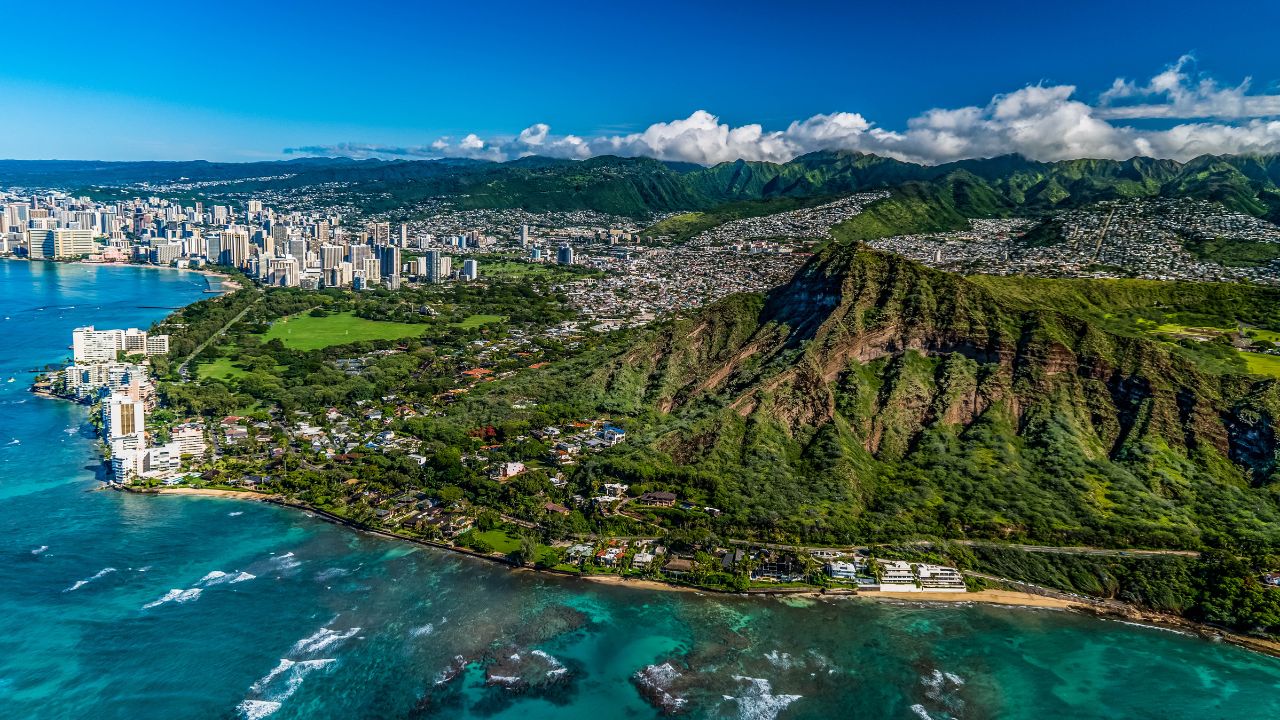
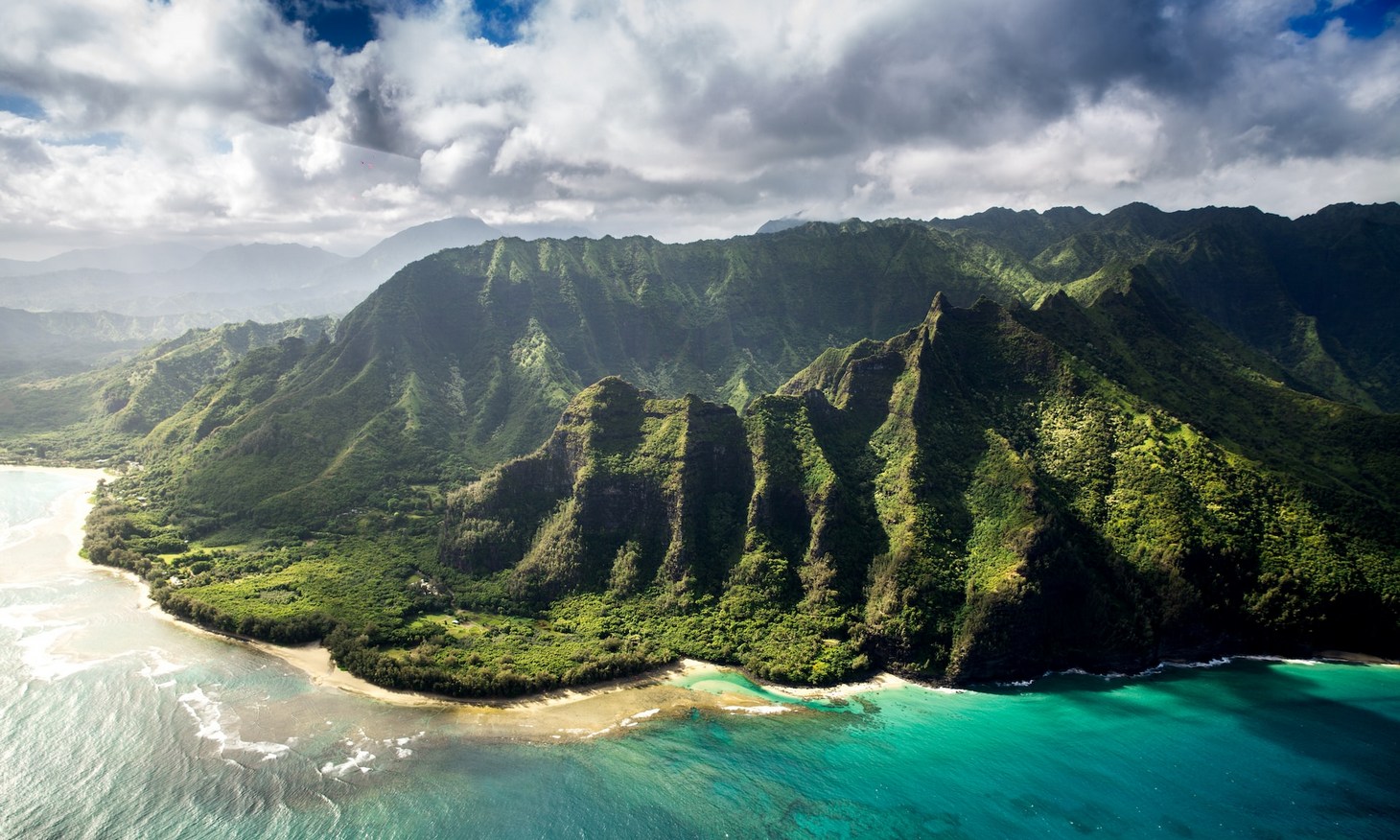
Hawaii is synonymous with iconic landmarks and natural wonders that captivate visitors. On Oahu, a visit to Pearl Harbor is a poignant and powerful historical experience, honoring those who served during World War II. Nearby, hiking to the summit of Diamond Head offers panoramic views of Waikiki Beach and the coastline. The dramatic cliffs of the Na Pali Coast on Kauai are best viewed by helicopter tour, boat excursion, or a challenging hike along the Kalalau Trail, revealing a landscape of unparalleled beauty.
On the Big Island, Hawaii Volcanoes National Park provides a unique opportunity to witness an active volcanic landscape, complete with steaming vents, lava fields, and sometimes even glowing lava flows (conditions permitting). This UNESCO World Heritage Site is a testament to the raw power of nature. Maui’s Haleakalā National Park is famous for its stunning sunrise views from the summit of the dormant volcano, a truly unforgettable experience that requires advance reservations. Each island presents its own set of must-see attractions, from the Seven Sacred Pools (ʻOheʻo Gulch) on Maui to the serene beaches of Lanai and Molokai. Exploring these natural and historical treasures provides a profound connection to the spirit of the islands.
Lifestyle Choices: From Budget-Friendly to Luxury Indulgence
Hawaii caters to a spectrum of travel lifestyles, whether you’re dreaming of a lavish, no-expense-spared getaway or a memorable adventure on a tighter budget. The key is tailoring your trip to match your preferences and financial plan, ensuring that the Aloha State is accessible and enjoyable for everyone.
Tailoring Your Hawaiian Adventure
For those seeking a taste of luxury travel, Hawaii offers world-renowned five-star resorts and exclusive experiences. Imagine staying in an oceanfront suite at the Ritz-Carlton Kapalua on Maui, indulging in private chef dinners, or chartering a yacht for a sunset cruise along the Na Pali Coast. High-end spas, championship golf courses, and designer boutiques are also part of the luxury landscape. These experiences are designed for unparalleled comfort and service, making for an opulent and unforgettable escape.
Conversely, budget travel in Hawaii is entirely possible with careful planning. Opt for apartments or hostels, utilize local grocery stores for meals instead of dining out every night, and seek out free or low-cost activities. Hiking, snorkeling from public beaches, and enjoying stunning sunsets are all incredible experiences that cost nothing. Exploring food trucks for delicious and affordable local cuisine is another excellent way to save. For family trips, many resorts offer kid-friendly amenities and programs, while vacation rentals provide space and flexibility. Adventure travelers can find thrill in surfing lessons, zip-lining through lush forests, or diving with manta rays. Even business stays can be combined with leisure, with many hotels offering excellent conference facilities alongside resort-style amenities. Whether your lifestyle dictates lavish indulgence or smart savings, Hawaii provides a backdrop for a perfectly tailored and profoundly rewarding travel experience. The choices are as vast and varied as the islands themselves, ensuring that every visitor can find their ideal way to embrace the Aloha Spirit.
In conclusion, for United States citizens, a passport is not required for travel to Hawaii; a valid government-issued ID will suffice. International visitors, however, will need a valid passport and potentially a visa or ESTA. With the documentation sorted, your journey to the Aloha State opens up a world of possibilities, from exploring diverse accommodations and iconic landmarks to immersing yourself in rich cultural experiences and choosing a lifestyle of luxury or budget-friendly adventure. Hawaii truly is a destination that offers something extraordinary for everyone.
LifeOutOfTheBox is a participant in the Amazon Services LLC Associates Program, an affiliate advertising program designed to provide a means for sites to earn advertising fees by advertising and linking to Amazon.com. Amazon, the Amazon logo, AmazonSupply, and the AmazonSupply logo are trademarks of Amazon.com, Inc. or its affiliates. As an Amazon Associate we earn affiliate commissions from qualifying purchases.