
Hurricanes are a significant concern for residents and visitors alike in Baton Rouge, Louisiana. The vibrant capital city, situated along the Mississippi River, is no stranger to the destructive power of tropical storms. For anyone considering a trip, a permanent move, or even just understanding their assets in the area, the question of insurance coverage for hurricane damage is paramount. This article aims to demystify the complexities of Baton Rouge‘s insurance landscape, focusing on what property owners and renters can expect when the winds howl and the rains pour.
Understanding Your Insurance Policy: The Foundation of Coverage
The first and most critical step in determining hurricane damage coverage is a thorough understanding of your insurance policy. In Louisiana, homeowners and renters insurance policies typically have specific provisions for windstorm and hail damage, which are common during hurricanes. However, flood damage is often excluded and requires a separate policy.
Homeowners Insurance: What’s Typically Covered?
A standard homeowners insurance policy in Baton Rouge generally covers:
- Dwelling Structure: This includes damage to the main house, including its foundation, walls, roof, and attached structures like garages or porches.
- Other Structures: This category covers detached structures on your property, such as sheds, fences, or detached garages.
- Personal Property: Your belongings inside your home – furniture, electronics, clothing, etc. – are usually covered, though there might be limits on certain high-value items like jewelry or art.
- Loss of Use: If your home becomes uninhabitable due to covered damage, this provision helps cover additional living expenses, such as hotel stays, meals, and other necessary costs while your home is being repaired.
It’s crucial to examine your policy for specific endorsements or exclusions related to wind and hail damage. Some policies may have higher deductibles for named storms or require a separate windstorm rider, especially in coastal areas or regions with a high risk of hurricanes.
Renters Insurance: Protecting Your Belongings
For those renting in Baton Rouge, renters insurance is equally vital. While your landlord’s insurance covers the building itself, it does not cover your personal possessions. Renters insurance provides coverage for:
- Personal Property: Similar to homeowners insurance, it protects your belongings from damage or loss due to covered perils like windstorms.
- Loss of Use: If a covered event makes your rented property uninhabitable, your renters insurance can help cover temporary living expenses.
- Liability: This covers legal expenses and damages if someone is injured on your rented property and you are found liable.
The Crucial Distinction: Wind vs. Flood Damage
One of the most common points of confusion regarding hurricane damage is the separation between wind damage and flood damage.
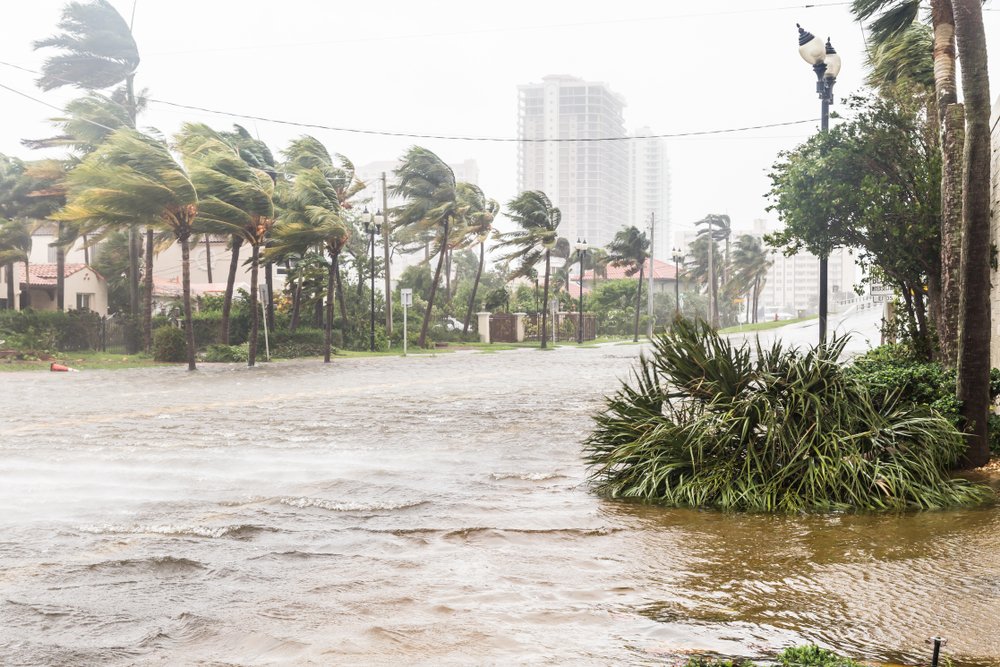
- Wind Damage: This includes damage caused directly by the force of the wind, such as a tree falling on your house, shingles being torn off the roof, or windows being blown in. This is typically covered under your standard homeowners or renters insurance policy.
- Flood Damage: This refers to damage caused by rising waters, whether from storm surge, heavy rainfall causing rivers or bayous to overflow (like the Amite River or Bayou Manchac), or localized flooding due to overwhelmed drainage systems. Flood damage is almost universally excluded from standard homeowners and renters insurance policies and requires a separate flood insurance policy, typically purchased through the National Flood Insurance Program (NFIP) or a private flood insurer.
Given Baton Rouge‘s proximity to waterways and its susceptibility to heavy rainfall, flood insurance is an essential consideration for any property owner or even renter in the area. Neglecting this separate coverage can lead to significant financial hardship after a storm.
Navigating Deductibles and Policy Limits
Understanding your policy’s deductibles and limits is essential for managing expectations after a hurricane.
Deductibles: Your Share of the Cost
A deductible is the amount you are responsible for paying out-of-pocket before your insurance coverage kicks in. Hurricane-related damage often comes with specific deductibles that can differ from your standard policy deductible. These can be:
- Dollar Amount Deductible: A fixed monetary amount (e.g., $1,000, $5,000).
- Percentage Deductible: A percentage of your home’s insured value (e.g., 1%, 2%, 5%). For example, on a $300,000 home with a 2% wind deductible, you would be responsible for the first $6,000 of wind damage.
It is imperative to check your policy for these hurricane-specific deductibles. If your policy has a percentage-based deductible, the total insured value of your home will determine the actual dollar amount you must pay.
Policy Limits: The Maximum Payout
Your insurance policy also has limits, which represent the maximum amount your insurer will pay for a covered loss.
- Coverage A (Dwelling): This is the limit for the physical structure of your home.
- Coverage B (Other Structures): This is a percentage of Coverage A, typically 10%, for detached structures.
- Coverage C (Personal Property): This is also a percentage of Coverage A, usually 50-70%, for your belongings.
- Coverage D (Loss of Use): This limit is typically a percentage of Coverage A, often 20%, to cover additional living expenses.
It is crucial to ensure that your policy limits are adequate to rebuild your home and replace your possessions in today’s market. The cost of construction materials and labor can fluctuate, and it is advisable to review your coverage annually or after significant renovations.
Filing a Claim After a Hurricane in Baton Rouge
After a hurricane has passed through Baton Rouge, the process of filing an insurance claim begins. Acting promptly and systematically can help expedite the process.
Immediate Steps After the Storm: Safety First
Your safety and the safety of your family are the absolute priority. Once it is safe to do so:
- Assess Damage Safely: Do not enter damaged structures if there is a risk of collapse.
- Document Everything: Take photos and videos of all damage from multiple angles. This includes both the exterior and interior of your home, as well as any damaged personal property.
- Prevent Further Damage: If possible and safe, take reasonable steps to protect your property from further damage, such as covering broken windows or tarpauling a damaged roof. Keep receipts for any materials purchased for these temporary repairs.
- Contact Your Insurance Company: Notify your insurance agent or company as soon as possible to report the damage and initiate the claims process.
The Claims Process: What to Expect
The insurance claims process typically involves several stages:
- Claim Assignment: Your insurer will assign an adjuster to your claim. This adjuster will assess the damage and determine the cost of repairs based on your policy.
- Damage Assessment: The adjuster will visit your property to evaluate the extent of the damage. It is advisable to be present during this inspection to point out all affected areas.
- Estimate and Settlement: The adjuster will provide an estimate for the repairs. You will then receive a settlement offer from your insurance company. It is important to review this estimate carefully and compare it to your own assessment or any contractor estimates you may have obtained.
- Negotiation and Payment: If you disagree with the settlement offer, you have the right to negotiate with your insurer. Once an agreement is reached, the insurance company will issue payment. Keep in mind that payment may be issued in stages, with a portion paid upfront and the remainder upon completion of repairs.
It is common for initial estimates to be lower than expected. If you believe the adjuster’s estimate does not accurately reflect the cost of repairs, gather additional estimates from reputable contractors and present them to your insurer. If disputes cannot be resolved, you may need to consider seeking professional assistance from a public adjuster or consulting with an attorney specializing in insurance claims.
Considerations for Travelers and Short-Term Visitors
While this article primarily addresses property owners and residents, travelers and short-term visitors in Baton Rouge also need to consider insurance.
Travel Insurance: A Crucial Protection
Travel insurance can be a valuable safety net for those visiting Baton Rouge. Policies can offer coverage for:
- Trip Cancellation or Interruption: If a hurricane or other covered event forces you to cancel or cut short your trip, travel insurance can reimburse non-refundable expenses for flights, accommodations (like stays at the Renaissance Baton Rouge Hotel or the L’Auberge Casino Resort), and pre-paid tours.
- Medical Emergencies: It can cover medical expenses incurred due to illness or injury during your trip.
- Baggage Loss or Delay: If your luggage is lost, stolen, or delayed, travel insurance can help cover the cost of replacing essential items.
When purchasing travel insurance, always read the policy details carefully to understand what events are covered and any exclusions that may apply, particularly regarding natural disasters like hurricanes. It is also important to check if your travel dates fall within a period where a named storm is already forming, as pre-existing storm conditions may not be covered.

Understanding Event Cancellations
Baton Rouge hosts numerous events throughout the year, from festivals along the Mississippi Riverfront to sporting events at Tiger Stadium. If a hurricane threatens the region, these events may be canceled or postponed. Your ability to recover any associated costs will depend on:
- Event Ticketing Policies: Many event organizers have specific refund policies in place for cancellations due to severe weather.
- Travel Insurance: As mentioned, travel insurance can often cover non-refundable event tickets if the event is canceled due to a covered reason.
By understanding the nuances of insurance coverage and taking proactive steps to secure appropriate policies, individuals can better protect themselves from the financial impact of hurricane damage in Baton Rouge, Louisiana.
LifeOutOfTheBox is a participant in the Amazon Services LLC Associates Program, an affiliate advertising program designed to provide a means for sites to earn advertising fees by advertising and linking to Amazon.com. Amazon, the Amazon logo, AmazonSupply, and the AmazonSupply logo are trademarks of Amazon.com, Inc. or its affiliates. As an Amazon Associate we earn affiliate commissions from qualifying purchases.