
Honeymoon Island State Park is one of the most beloved natural treasures in the state of Florida. Located on the western coast of the Sunshine State, this barrier island sits nestled against the sparkling turquoise waters of the Gulf of Mexico. Specifically, it is situated in Pinellas County, just west of the charming city of Dunedin. For travelers looking to escape the high-rise developments of nearby Clearwater Beach, this island offers a sanctuary of pristine beaches, virgin pine forests, and expansive coastal views.
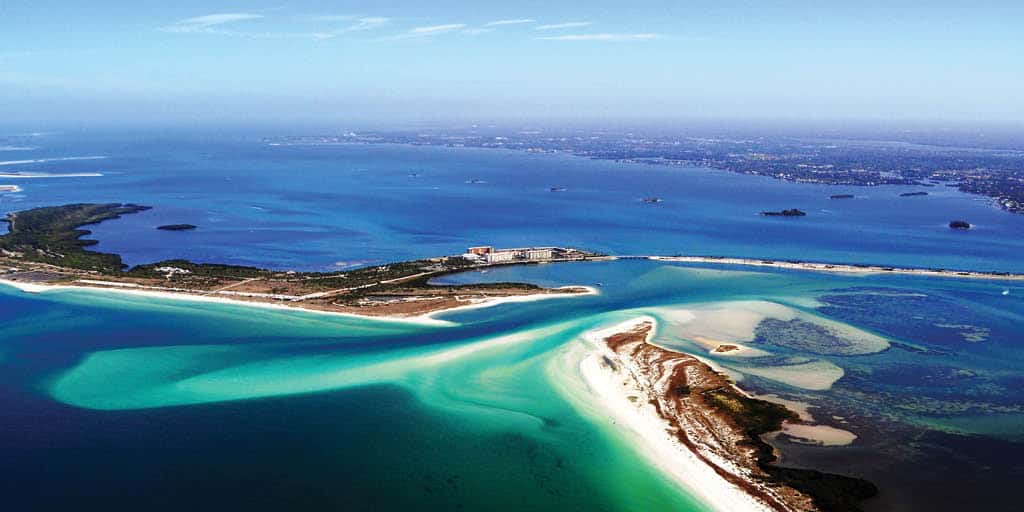
The island is positioned at the western terminus of State Road 586, also known as Curlew Road. It is separated from the mainland by the St. Joseph Sound, a shallow body of water that is a favorite for kayakers and paddleboarders. To its south lies Caladesi Island, separated by a narrow channel known as Hurricane Pass, which was created during a major storm in 1921. Geographically, Honeymoon Island serves as a vital protective barrier for the mainland, absorbing the energy of the sea and providing a diverse habitat for local wildlife.

Navigating to the Island: Access and Connectivity
Reaching this coastal destination is remarkably straightforward, making it one of the most accessible state parks in the region. Unlike many barrier islands that require a boat or ferry for access, Honeymoon Island is connected to the mainland by the Dunedin Causeway. This 2.5-mile stretch of road is a recreational destination in its own right, where visitors often pull over to fish, launch jet skis, or enjoy a sunset picnic before even reaching the park gates.
Driving from Major Metropolitan Hubs
For those arriving from further afield, the park is conveniently located near several major transportation hubs. If you are flying into the area, Tampa International Airport is approximately 22 miles to the east, making it roughly a 45-minute drive depending on traffic. Travelers using the St. Pete-Clearwater International Airport will find the journey even shorter, at about 15 miles.
The drive from Tampa typically involves taking the Courtney Campbell Causeway or State Road 60 westward, then heading north through Clearwater or Dunedin. Visitors coming from St. Petersburg can head north on US Highway 19 before turning west onto Curlew Road.
The Dunedin Causeway Experience
The Dunedin Causeway serves as the bridge between the urban sprawl of Pinellas County and the natural serenity of the state park. As you drive across, you are treated to views of St. Joseph Sound on both sides. This area is famous for its shallow flats, where anglers seek out redfish and snook. On weekends, the causeway buzzes with activity, but once you pass through the ranger station at the entrance of Honeymoon Island State Park, the atmosphere shifts into a much more tranquil, protected environment.
The Geography of the Park: A Diverse Coastal Ecosystem
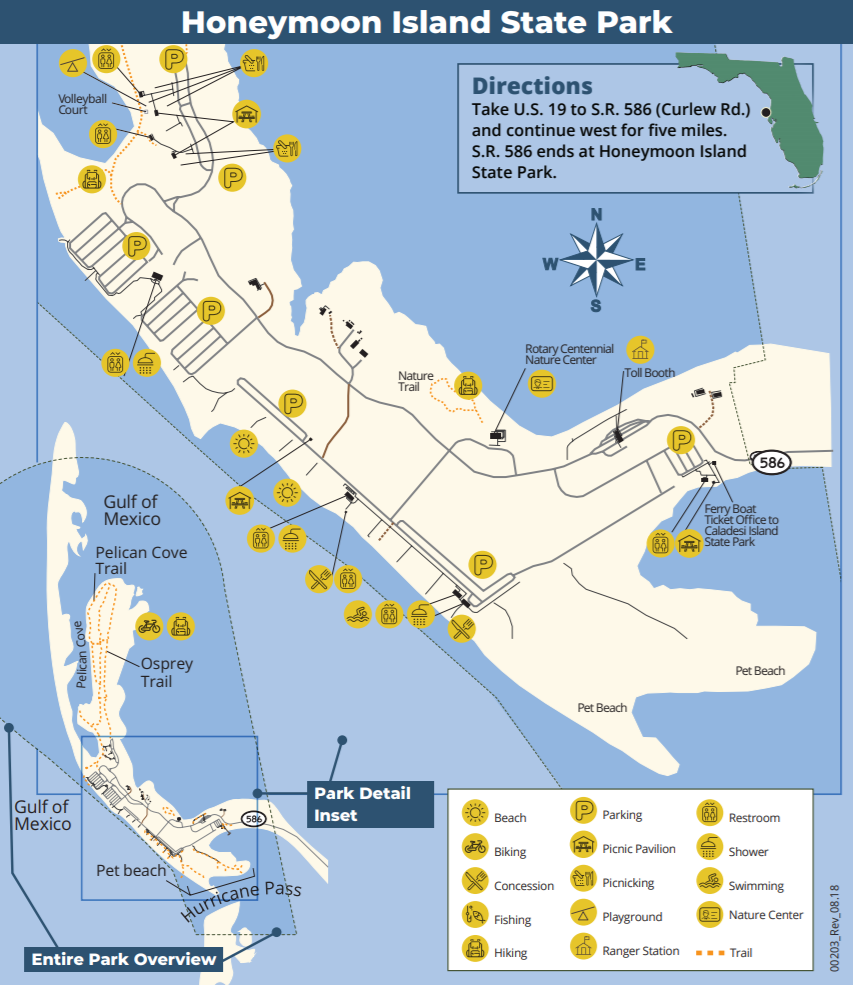
Once inside the park, visitors find themselves on an island that spans over 385 acres of land, with an additional 2,400 acres of submerged offshore grass beds. The island’s geography is varied, transitioning from sandy beaches on the western shore to dense mangroves and salt marshes on the eastern side facing the sound.
The Beaches of the Western Shore
The main draw for most travelers is the four miles of beach that line the Gulf of Mexico. These are categorized into three primary areas:
- Main Beach: This central area is where most amenities are located, including the Cafe Honeymoon and the Honeymoon Pavilion. It is ideal for swimming and sunbathing.
- North Beach: Known for its incredible shelling opportunities, this stretch of coastline is less crowded and offers a more rugged, natural feel. It is a favorite for those who enjoy long walks and birdwatching.
- Dog Beach: Located at the southern tip of the island, this is one of the few places in Florida where pets are allowed to enjoy the sand and surf alongside their owners.
The Nature Trails and Interior Woodlands
Away from the shoreline, the interior of the island holds one of the last remaining virgin slash pine forests in South Florida. The Osprey Trail is a 2.5-mile loop that takes hikers through these ancient trees. This area is a critical nesting ground for the Osprey and the Great Horned Owl. It is also a prime location to spot Gopher Tortoises and Armadillos scuttling through the underbrush.
For those interested in the educational aspects of the island’s ecology, the Rotary Centennial Nature Center provides excellent exhibits on the local flora and fauna. The center also offers panoramic views of Pelican Cove and the surrounding sea grass beds, which are vital nurseries for marine life.
Historical Context: How the Island Got Its Name
The history of Honeymoon Island is as fascinating as its geography. Originally known as Hog Island, the name was changed in the late 1930s due to a clever marketing campaign by developer Clinton Washburn.
Washburn envisioned a romantic getaway and built 50 palm-thatched cottages for newlyweds. He partnered with Life Magazine and Paramount Pictures to hold a contest for couples to win a stay on the island. The publicity was massive, and the name “Honeymoon Island” stuck. While the cottages are long gone—destroyed by the elements and the passage of time—the romantic and secluded allure of the island remains.
Following the World War II era, there were various attempts to develop the island further, including plans for high-rise condos and a massive residential community. However, local residents and conservationists fought to preserve the land. In 1981, the state of Florida officially designated it a state park, ensuring that its natural beauty would be protected for future generations of travelers.
Exploring Beyond the Shore: Connectivity to Caladesi Island
A significant part of the Honeymoon Island experience is its connection to Caladesi Island State Park. While the two islands were once a single landmass, the 1921 hurricane split them, creating Hurricane Pass. Today, Caladesi Island is only accessible by boat, and the most common way for visitors to reach it is via the Caladesi Island Ferry, which departs from a dock located inside Honeymoon Island State Park.
The ferry ride takes about 20 minutes and offers a scenic tour of St. Joseph Sound. Often, passengers can spot dolphins playing in the wake or manatees swimming in the shallow grass beds. Once on Caladesi Island, travelers find an even more remote environment, frequently ranked as one of the best beaches in the United States. This “sister island” relationship makes Honeymoon Island a central hub for coastal exploration in Pinellas County.
Nearby Communities and Attractions
While Honeymoon Island feels worlds away from civilization, it is surrounded by vibrant communities that enhance the travel experience.
Dunedin: The Gateway City
The city of Dunedin is the primary gateway to the island. Known for its Scottish heritage and quaint downtown area, it offers a variety of boutique shops, local breweries like Dunedin Brewery, and high-quality seafood restaurants. The Pinellas Trail, a famous 47-mile rail-to-trail path, runs right through the heart of Dunedin, allowing cyclists to ride from as far south as St. Petersburg all the way up to the vicinity of the Dunedin Causeway.
Neighboring Towns
Just a few miles to the north of the island’s mainland entry point is Palm Harbor and the historic sponge-diving village of Tarpon Springs. To the south lies the bustling tourist center of Clearwater. These nearby locations offer a wide range of additional activities, from exploring the Greek culture and cuisine at the Sponge Docks to visiting the Clearwater Marine Aquarium.
For those looking for a quieter experience, the community of Ozona offers a glimpse into “Old Florida” with its narrow streets and waterfront cottages. Whether you are staying in a luxury resort in Clearwater or a cozy bed-and-breakfast in Dunedin, Honeymoon Island remains the quintessential natural escape for the entire Tampa Bay region.
In conclusion, Honeymoon Island is more than just a pin on a map; it is a dynamic landscape where the history of the Florida coast meets the modern desire for ecological preservation and outdoor recreation. Its unique location, accessible yet secluded, continues to draw nature lovers, shell collectors, and travelers seeking the timeless beauty of the Gulf of Mexico.
LifeOutOfTheBox is a participant in the Amazon Services LLC Associates Program, an affiliate advertising program designed to provide a means for sites to earn advertising fees by advertising and linking to Amazon.com. Amazon, the Amazon logo, AmazonSupply, and the AmazonSupply logo are trademarks of Amazon.com, Inc. or its affiliates. As an Amazon Associate we earn affiliate commissions from qualifying purchases.