
Understanding Florida’s Cannabis Landscape for Tourists
For many visitors planning a trip to the Sunshine State, a common question arises regarding the legal status of cannabis. Florida, renowned for its pristine beaches, vibrant cities like Miami and Orlando, and world-class attractions, operates under a specific set of laws concerning marijuana. Understanding these regulations is crucial for tourists to ensure a smooth and enjoyable visit, free from legal complications. While a national trend towards cannabis liberalization is evident, state-by-state variations remain significant, and Florida maintains a distinct approach that impacts recreational users.
The Current Legal Status of Recreational Marijuana
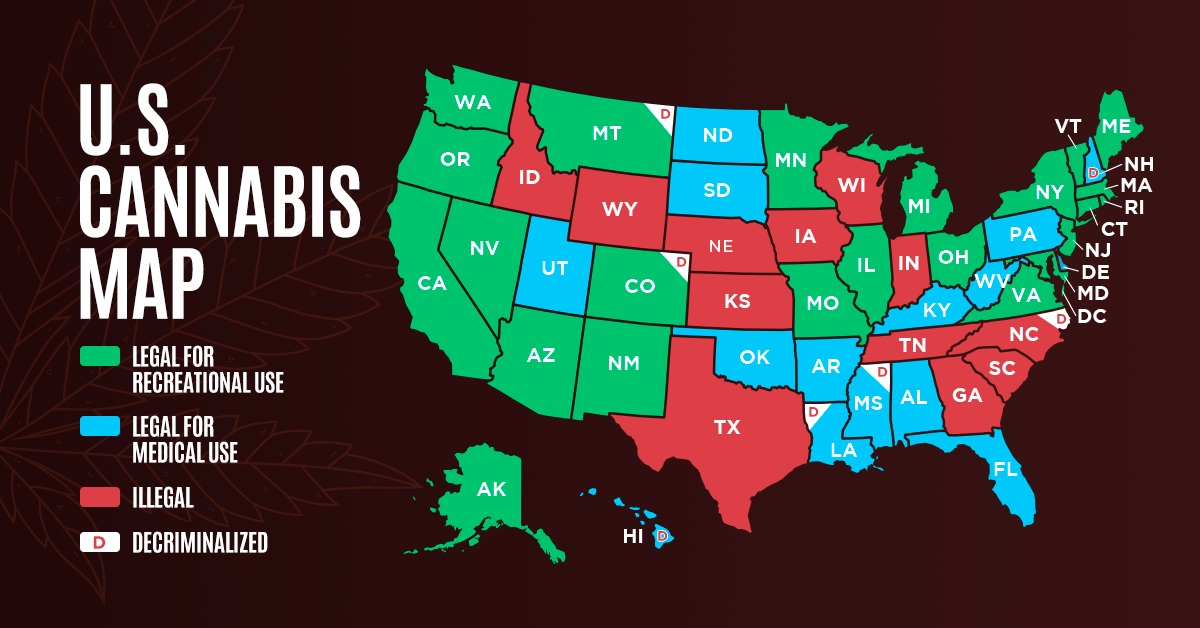
As of the current standing, recreational marijuana remains illegal in the State of Florida. This means that the possession, sale, purchase, cultivation, or consumption of cannabis for non-medical purposes is prohibited under state law. Despite multiple attempts to legalize adult-use cannabis through legislative efforts and ballot initiatives, none have successfully passed to date. Visitors should not confuse Florida’s position with that of states like California or Colorado, where recreational use is fully legal for adults. Any engagement with recreational marijuana in Florida carries significant legal risks, including fines, potential jail time, and a criminal record, which can severely impact a tourist’s travel experience and future international travel. Law enforcement agencies across cities like Tampa, Jacksonville, and Key West actively enforce these laws.
Medical Marijuana: A Different Story
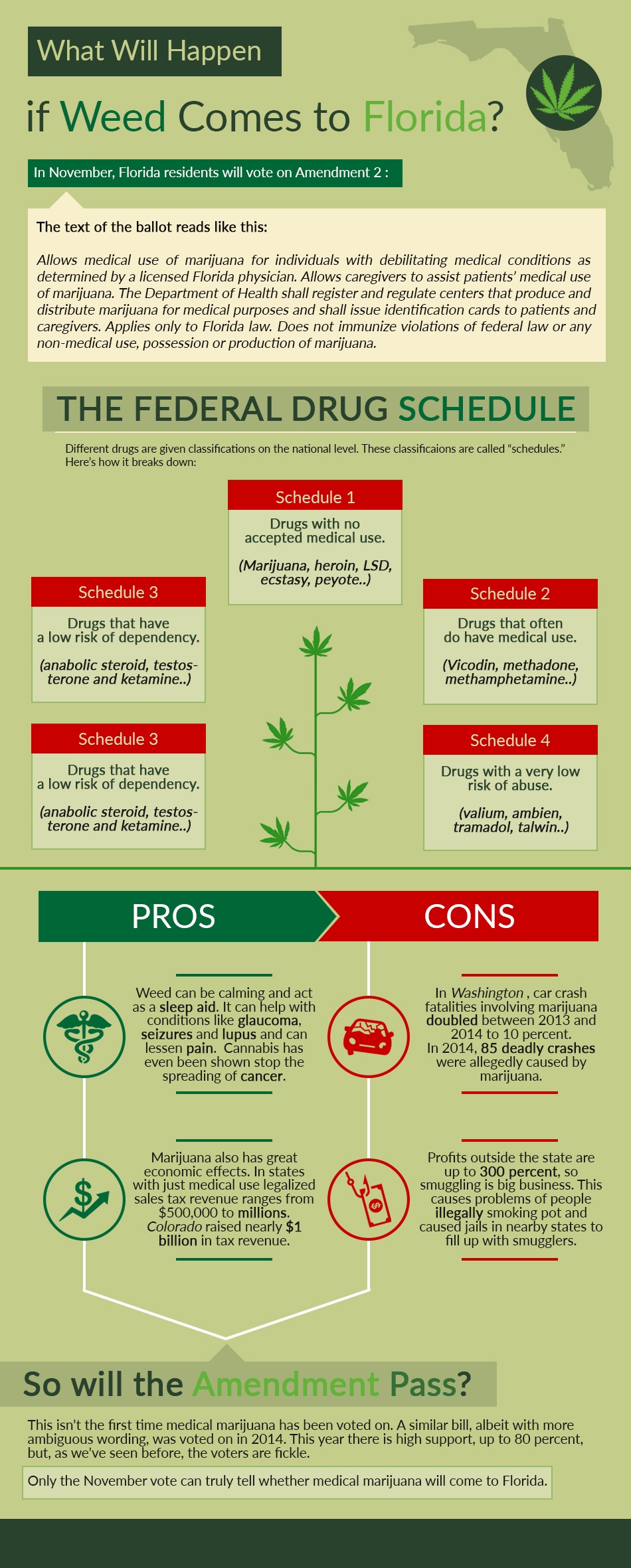
While recreational cannabis is prohibited, Florida does have a well-established medical marijuana program. This program was implemented after voters approved Amendment 2 in 2016, which broadly expanded the state’s medical cannabis framework. Under this system, qualifying Florida residents who suffer from specific debilitating medical conditions can obtain a Medical Marijuana Use Authorization card. With this card, patients can legally purchase and use prescribed cannabis products from licensed medical marijuana treatment centers (MMTCs). However, it is imperative for tourists to understand that this program is primarily for Florida residents. While some states offer reciprocity for out-of-state medical marijuana cardholders, Florida does not. This means that a medical marijuana card issued in another state is not valid for purchasing or possessing cannabis in Florida. Visitors found in possession of marijuana, even with an out-of-state medical card, will be subject to the same penalties as any recreational user.
Navigating Cannabis Laws as a Visitor to Florida
Understanding the nuances of Florida’s cannabis laws is critical for any tourist. The difference between medical and recreational legality, coupled with strict enforcement, means that visitors must exercise caution and adhere strictly to the state’s regulations to avoid potential legal pitfalls that could derail their vacation.
Penalties and Consequences for Recreational Use
The penalties for marijuana possession in Florida can vary depending on the amount involved. Possession of 20 grams or less, while often treated as a misdemeanor, can still result in up to one year in jail and a fine of $1,000. For quantities exceeding 20 grams, the charges escalate to felony offenses, carrying much more severe penalties, including lengthy prison sentences and substantially higher fines. These consequences can have a lasting impact, affecting future travel, employment opportunities, and personal reputation. Furthermore, being caught with drug paraphernalia, even without cannabis, can also lead to legal charges. It is important for tourists to remember that these laws are enforced vigorously across all jurisdictions in Florida, from bustling urban centers to quieter coastal towns.
Dispelling Common Misconceptions

One common misconception among tourists is that because certain forms of cannabis are legal elsewhere, or because CBD products are widely available, all cannabis products are treated similarly. This is not the case. CBD products derived from hemp (containing less than 0.3% THC) are legal in Florida and can be purchased by adults. However, the legal distinction between hemp-derived CBD and marijuana is often misunderstood. Marijuana, regardless of its THC content above the legal hemp threshold, remains illegal for recreational use. Another misconception is that enforcement might be lax in tourist-heavy areas. On the contrary, areas with high visitor traffic, such as South Beach in Miami or the theme park districts of Orlando, often have a strong police presence, and laws are enforced rigorously to maintain order and public safety. Tourists should also be aware that while some cities in Florida have adopted local ordinances to decriminalize small amounts of marijuana possession (meaning law enforcement might issue a civil citation instead of an arrest), these are not statewide laws, and the underlying state prohibition remains. Relying on such local variations can be a risky gamble.
Impact on Florida Tourism: What Visitors Should Know
The legal status of marijuana directly influences the visitor experience in Florida, particularly regarding public behavior and access to certain products. Tourists need to be aware of the restrictions to ensure their vacation remains enjoyable and legally sound. The absence of a legal recreational market means that visitors cannot legally purchase or consume marijuana, affecting social activities and potentially leading to misunderstandings with law enforcement.
Public Consumption and Enforcement
Given that recreational marijuana is illegal, any form of public consumption, whether smoking, vaping, or consuming edibles, is strictly prohibited. This extends to public spaces such as beaches, parks, sidewalks, and even within private vehicles if visible or if it impairs driving. Law enforcement officers have the authority to intervene and issue citations or make arrests for such activities. Even in private settings, such as hotel rooms or rented accommodations, if marijuana use is detected and reported, it can lead to legal issues. Many hotels and rental properties have strict no-smoking policies, which often extend to vaping and marijuana use, regardless of its legal status. Violating these policies can lead to fines from the property and potential eviction, in addition to any legal repercussions. Visitors should also be mindful that driving under the influence of cannabis is illegal and carries severe penalties, similar to those for alcohol impairment.
Cannabis-Related Businesses and Their Legal Standing
For tourists, it’s important to differentiate between legally operating businesses and those operating outside Florida’s legal framework. Licensed Medical Marijuana Treatment Centers (MMTCs), regulated by the Florida Department of Health and its Office of Medical Marijuana Use (OMMU), are the only legal outlets for cannabis products in the state. As previously mentioned, these facilities cater exclusively to Florida residents with valid medical cards. Any other storefront or individual offering marijuana for sale, particularly for recreational purposes, is operating illegally. Engaging with such illicit vendors not only puts tourists at risk of legal trouble but also exposes them to unregulated products that may be unsafe or inaccurately labeled. The rapid proliferation of CBD shops and kratom vendors might give the impression of a relaxed attitude towards cannabis, but these products fall under different legal categories and should not be confused with traditional marijuana.
Tips for a Responsible and Law-Abiding Visit
To fully enjoy all that Florida has to offer, from the historic streets of St. Augustine to the natural beauty of the Everglades, visitors should prioritize adherence to local laws. A responsible approach ensures a stress-free vacation and avoids any unpleasant encounters with the legal system. By staying informed and acting cautiously, tourists can make the most of their time in the Sunshine State.
Resources for Up-to-Date Information
Laws and regulations can change, albeit slowly in the case of cannabis in Florida. Therefore, it is always wise for tourists to check the most current legal status before and during their visit. Reliable sources include the official websites of the Florida Department of Health, particularly the Office of Medical Marijuana Use (OMMU) for medical aspects, and general Florida state government websites for criminal statutes. Legal advice from qualified Florida attorneys specializing in cannabis law can also provide accurate and personalized information. Avoid relying solely on anecdotal evidence or unverified online forums, as misinformation can lead to significant legal complications. When in doubt, err on the side of caution and assume that recreational marijuana is strictly prohibited.
Prioritizing Personal Safety and Legal Compliance
The simplest and most effective way for tourists to avoid legal issues related to marijuana in Florida is to not engage with recreational cannabis at all. This means refraining from purchasing, possessing, or consuming marijuana products throughout your stay. Respecting local laws is a fundamental aspect of responsible tourism. Focus instead on Florida’s myriad legal attractions and activities, such as exploring the vibrant nightlife in Miami, enjoying the world-famous theme parks in Orlando, or discovering the unique ecosystems of the Florida Keys. By understanding and respecting the legal framework in place, visitors can ensure their trip to Florida remains memorable for all the right reasons, leaving them with positive experiences rather than legal worries. Always prioritize personal safety and legal compliance to fully enjoy the beauty and excitement that the Sunshine State offers.
LifeOutOfTheBox is a participant in the Amazon Services LLC Associates Program, an affiliate advertising program designed to provide a means for sites to earn advertising fees by advertising and linking to Amazon.com. Amazon, the Amazon logo, AmazonSupply, and the AmazonSupply logo are trademarks of Amazon.com, Inc. or its affiliates. As an Amazon Associate we earn affiliate commissions from qualifying purchases.