
The question “Does it snow in California?” often elicits a chuckle from those who envision the state solely as a land of endless sunshine, sandy beaches, and palm trees. While the image of surfers riding waves along the Pacific coast is undeniably iconic, it tells only a fraction of the story. The truth is, California is a state of incredible geographical diversity, boasting towering mountains that frequently receive abundant snowfall, making it a premier destination for winter sports enthusiasts and a magical wonderland for those seeking a snowy escape. From vast deserts to rugged coastlines, and from bustling metropolises to serene alpine villages, California offers a climatic spectrum that few other places on Earth can match. So, to answer the question definitively: yes, it absolutely snows in California, and often quite heavily in its mountainous regions, creating breathtaking winter landscapes and a plethora of snowy activities for travelers.
California’s Diverse Climate and Topography
Understanding where and why it snows in California requires a look at its unique geographical features. The state is a mosaic of different biomes, each contributing to its varied weather patterns.
The Golden State’s Geographic Tapestry
California’s geography is its greatest asset when it comes to climate diversity. The state is bordered by the Pacific Ocean to the west, offering a Mediterranean climate along its extensive coastline. Moving eastward, vast Central Valleys give way to dramatic mountain ranges. The most prominent of these are the magnificent Sierra Nevada in the east, which runs for hundreds of miles, creating a significant rain and snow shadow. Other important ranges include the Cascade Range in the north, and the San Bernardino Mountains and San Gabriel Mountains in Southern California. Beyond these mountains, the landscape transforms into arid deserts like the Mojave Desert and Colorado Desert. This complex interplay of ocean, valleys, and high-altitude mountains creates microclimates where precipitation, including snow, varies dramatically. The high elevations of these mountain ranges act as natural barriers, capturing moisture from Pacific storms and converting it into significant snowfall, particularly during the winter months. This geographical diversity means that while Los Angeles or San Francisco might be basking in mild winter sunshine, just a few hours’ drive away, ski resorts are buried under meters of fresh powder. This ability to transition from a coastal beach to snow-capped peaks in a single day is a defining characteristic of the Golden State, offering an unparalleled range of experiences for both tourists and residents.
Where the Snow Falls
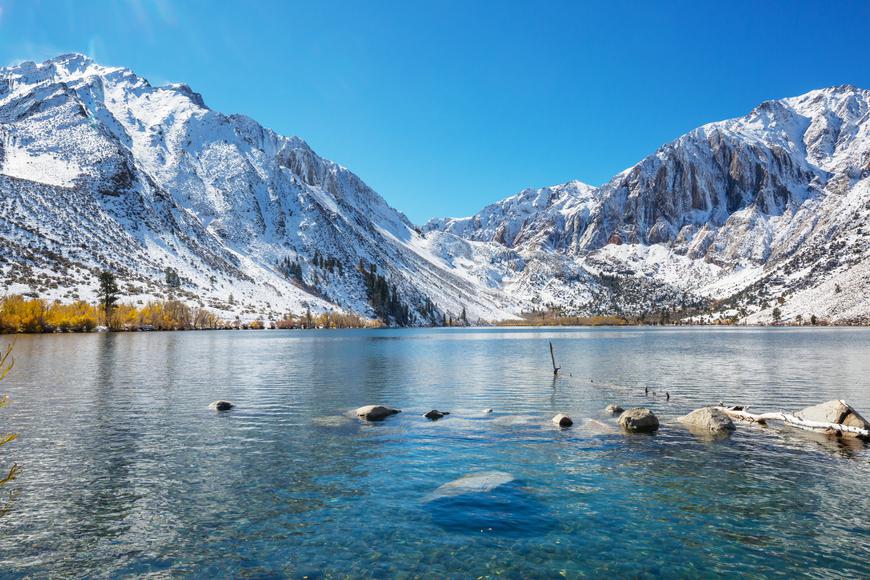
The bulk of California’s snowfall occurs in its mountain ranges, with the Sierra Nevada being the undisputed champion. This majestic range, home to some of the highest peaks in the contiguous United States, regularly receives several feet of snow each winter, sustaining numerous ski resorts and natural parks. Iconic destinations like Lake Tahoe, Mammoth Lakes, and Yosemite National Park are synonymous with snow-covered landscapes and world-class winter activities.
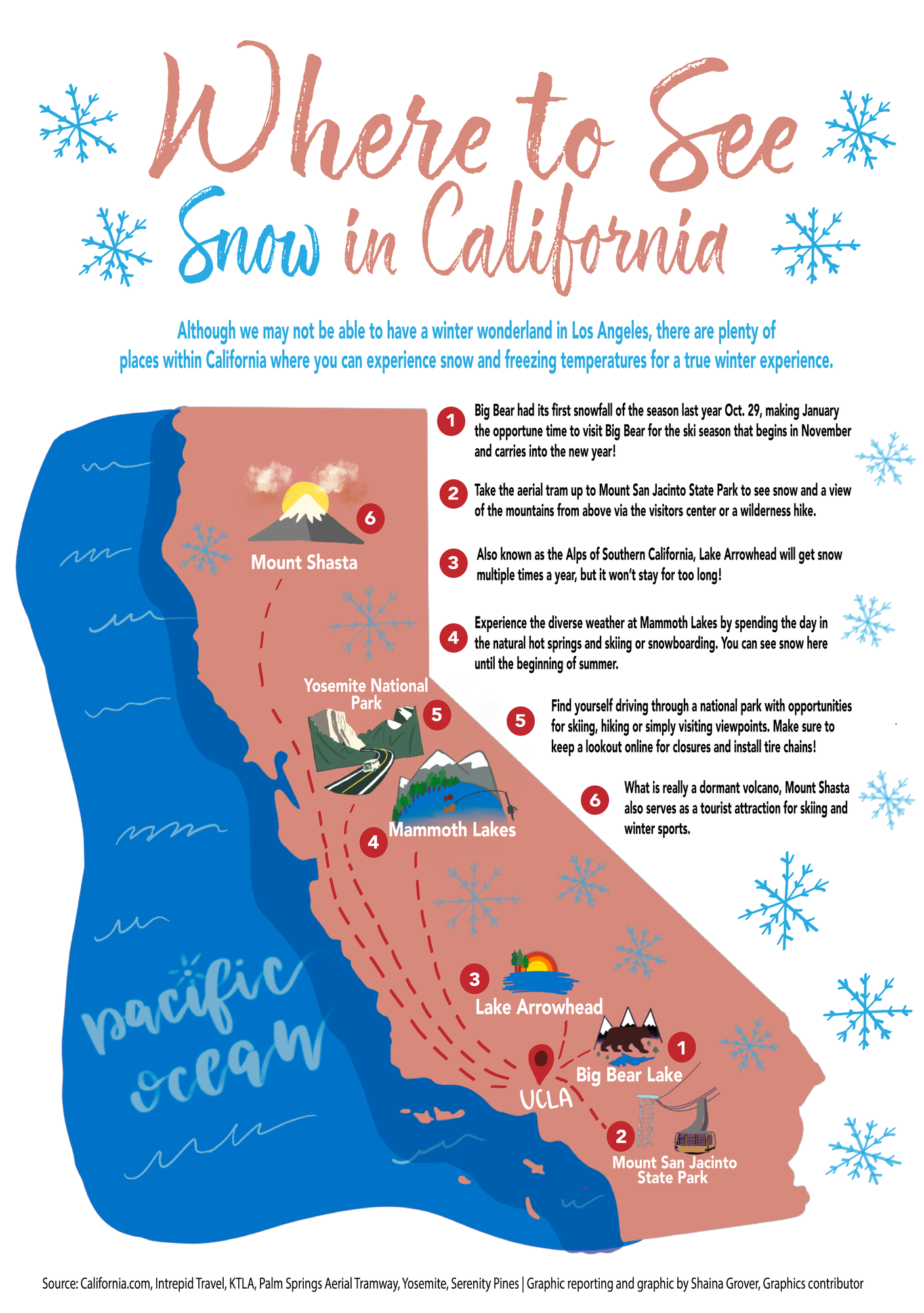
Further south, the San Bernardino Mountains and San Gabriel Mountains, while not as high or extensive as the Sierra Nevada, still accumulate enough snow to support popular ski areas like Big Bear Lake and Lake Arrowhead, making winter fun accessible to residents of Los Angeles and San Diego. In Northern California, Mount Shasta, a towering stratovolcano in the Cascade Range, also boasts significant snowfall and opportunities for winter recreation. Even some of the higher elevations in coastal ranges or near the state’s deserts can see sporadic snowfall during particularly cold storms, though it rarely lasts. The regular, deep snowpack in these primary mountain regions is crucial not only for recreation but also as a vital water source for the entire state, slowly melting through spring and summer to feed rivers, reservoirs, and agricultural lands.
Premier Snowy Destinations in California
For travelers looking to experience snow in California, several destinations stand out, offering everything from adrenaline-pumping ski runs to serene snowshoeing trails and cozy lodge experiences.
The Majestic Sierra Nevada
The Sierra Nevada is California’s winter sports heartland. Its vast expanse and consistent snowfall make it a magnet for winter enthusiasts.
-
Lake Tahoe: Straddling the border of California and Nevada, Lake Tahoe is arguably the most famous snowy destination in the state. Its pristine, cobalt-blue waters are surrounded by majestic peaks that transform into a winter wonderland each year. Skiing and snowboarding are the main draws, with world-class resorts like Palisades Tahoe (formerly Squaw Valley Alpine Meadows), Heavenly Mountain Resort, Northstar California Resort, and Kirkwood Mountain Resort offering diverse terrain for all skill levels. Beyond the slopes, visitors can enjoy snowshoeing, cross-country skiing, ice skating, snowmobiling, and sleigh rides. Lake Tahoe also boasts a wide array of accommodation options, from luxurious hotels like The Ritz-Carlton, Lake Tahoe to charming cabins and vacation rentals, catering to every budget and preference. The vibrant towns of South Lake Tahoe and North Lake Tahoe provide ample dining, entertainment, and nightlife options, making it a comprehensive winter holiday destination.
-
Mammoth Lakes: Located in the Eastern Sierra, Mammoth Lakes is another powerhouse for winter sports. Mammoth Mountain ski resort is one of North America’s largest, renowned for its abundant snowfall, long season (often extending into July), and varied terrain. The resort boasts over 3,500 acres of skiable terrain, multiple peaks, and terrain parks that attract both beginners and seasoned pros. The town of Mammoth Lakes itself offers a laid-back, mountain-town vibe with numerous restaurants, shops, and lodging options, from cozy inns to upscale resorts. Beyond alpine skiing, the area is a paradise for cross-country skiing, snowshoeing, and snowmobiling, with miles of trails winding through picturesque forests and frozen lakes. The dramatic scenery of the Eastern Sierra provides a stunning backdrop for all winter activities.
-
Yosemite National Park: While famous for its summer beauty, Yosemite National Park in winter is a truly magical experience. The towering granite cliffs of El Capitan and Half Dome, the giant sequoia groves, and the iconic waterfalls take on a breathtaking serenity when dusted with snow. While some roads may close, Yosemite Valley remains accessible year-round, offering opportunities for snowshoeing, cross-country skiing, and ice skating at the Curry Village rink. The park’s only downhill ski area, Badger Pass Ski Area, is perfect for families and beginners. Accommodation within the park, such as the historic The Ahwahnee Hotel and Yosemite Valley Lodge, offers unique opportunities to stay immersed in this snowy wonderland. Winter visits to Yosemite are often less crowded, providing a more peaceful and intimate experience with nature.
Southern California’s Alpine Escapes
Even in Southern California, snow-capped mountains are just a short drive away from major metropolitan areas.
-
Big Bear Lake & Lake Arrowhead: Nestled in the San Bernardino Mountains, these twin resort towns are the go-to snow destinations for residents of Los Angeles and San Diego. Big Bear Lake offers two main ski resorts, Snow Summit and Bear Mountain, providing excellent slopes for skiing and snowboarding, as well as terrain parks. The village atmosphere is lively, with plenty of dining, shopping, and entertainment options. Lake Arrowhead, often dubbed the “Alps of Southern California”, offers a more exclusive and tranquil experience, with beautiful lake views and luxury accommodations. Both areas are popular for family trips, offering tubing parks, ice skating, and charming cabin rentals that create a perfect cozy winter retreat. Their accessibility makes them ideal for weekend getaways or even day trips for those craving a quick dose of snow.
-
Mount Baldy: For an even closer snow experience from Los Angeles, Mount Baldy (officially Mount San Antonio) provides a convenient option. Its ski resort, Mount Baldy Resort, offers challenging runs and beautiful views of the cityscape below. While smaller than the major resorts, it provides a quick and exhilarating escape into the snowy mountains.
Other Notable Snowy Areas
Beyond these main hubs, other parts of California also embrace winter with open arms. Mount Shasta in the far north is a majestic destination for backcountry skiing, mountaineering, and snowshoeing, surrounded by pristine wilderness. Smaller towns along the Eastern Sierra like those found on the June Lake Loop offer quaint, less crowded alternatives for those seeking a peaceful winter experience with excellent cross-country skiing and snowshoeing trails, often with stunning views of frozen lakes and snow-covered aspens. These hidden gems provide a different kind of winter tourism, focusing more on solitude and natural beauty.
Planning Your California Snow Trip
A successful snow trip to California requires thoughtful planning, from understanding the best times to visit to securing the right accommodations and preparing for mountain travel.
Best Time to Visit
The snow season in California’s mountains typically runs from late November or early December through March or April, and sometimes even into May or June in higher elevations like Mammoth Mountain. The heaviest snowfall usually occurs in January and February, offering the best conditions for deep powder and extensive ski runs. Early season (December) can be great for fewer crowds and fresh snow, while late season (March/April) often brings warmer temperatures, sunnier skies, and still plenty of snow for spring skiing. It’s always advisable to check snow reports and weather forecasts closer to your travel dates, as conditions can vary significantly year to year depending on the strength of winter storms. For those interested in snow-related festivals or events, researching specific dates can also enhance the experience.
Accommodation and Travel Tips
Securing your lodging and understanding mountain travel logistics are crucial for a smooth trip.
-
Accommodation: Given the popularity of California’s snow destinations, especially during peak season, booking accommodation well in advance is highly recommended, particularly for weekends, holidays, and school breaks. Options range from luxury resorts with full amenities to cozy cabins, budget-friendly hotels, and vacation rentals suitable for families or groups. Many resorts offer ski-in/ski-out access, providing ultimate convenience. For instance, Lake Tahoe boasts properties like The Ritz-Carlton, Lake Tahoe, while Yosemite National Park has unique lodges like The Ahwahnee Hotel. When considering long-term stays, vacation rentals can offer more space and amenities like full kitchens, perfect for extended winter breaks. Always check reviews and compare prices across different booking platforms to find the best fit for your budget and travel style.
-
Transportation: Driving to snow country in California requires preparation. Chain controls are frequently enforced on mountain roads, meaning you must carry tire chains, and often install them, unless you have a 4-wheel drive vehicle with snow tires. It’s essential to check road conditions (e.g., Caltrans website or app) before heading out. Consider renting a 4WD or AWD vehicle if your own car isn’t equipped. For those who prefer not to drive, some destinations like Mammoth Lakes offer shuttle services from airports, and many resorts provide free local bus services within their villages. Carpooling is also an eco-friendly option that can alleviate parking stress.
-
Packing Essentials: Proper attire is key for enjoying the snow. Pack layers, including waterproof and insulated outerwear (jacket, pants), thermal underwear, warm socks, waterproof gloves or mittens, a warm hat, and waterproof snow boots. Don’t forget sunscreen and sunglasses/goggles, as sun glare off the snow can be intense. For skiing or snowboarding, you can rent equipment at resorts, but bringing your own helmet is always a good idea. Consider a small backpack for water, snacks, and extra layers.
Activities Beyond Skiing
While skiing and snowboarding are primary attractions, California’s snowy regions offer a wealth of other activities:
- Snowshoeing and Cross-Country Skiing: These are excellent ways to explore the serene winter landscapes at a slower pace. Many resorts and national parks offer groomed trails and equipment rentals.
- Tubing and Sledding: Perfect for families and those seeking less strenuous fun, tubing parks are popular at places like Big Bear Lake and Lake Tahoe.
- Ice Skating: Outdoor ice rinks in destinations like Yosemite Valley and various Lake Tahoe towns offer a classic winter pastime.
- Snowmobiling: For an adventurous thrill, guided snowmobiling tours are available in areas such as Mammoth Lakes and Lake Tahoe, allowing you to cover vast distances and access remote snowy vistas.
- Sleigh Rides: A romantic and picturesque way to experience the winter scenery, often found in smaller, quaint towns.
- Winter Photography: The contrast of white snow against evergreen trees, frozen lakes, and clear blue skies provides incredible opportunities for stunning photographs.
- Cozy Cabin Retreats: Sometimes, the best activity is simply relaxing by a fireplace in a rustic cabin or luxury resort, enjoying the views with a warm drink.
The Unique California Snow Experience
California offers a winter experience that is truly unparalleled, blending adventure, luxury, and the state’s distinctive lifestyle.
From Beach to Slopes in a Day
One of the most remarkable aspects of winter travel in California is the ability to experience vastly different climates within hours. Imagine starting your day with a surf session in the mild morning sun along the coast of Santa Monica or San Diego, and then driving just a couple of hours inland to find yourself carving turns down a snowy mountain slope in the San Bernardino Mountains. This unique “beach to slopes” phenomenon is a testament to California’s incredible geographical diversity and provides an extraordinary travel experience that very few other places on earth can boast. It embodies the adventurous spirit and diverse lifestyle that defines the Golden State, making it possible to combine multiple types of vacations into one unforgettable trip, whether it’s a quick weekend getaway or an extended adventure exploring both sides of California’s natural beauty. This contrast not only highlights the state’s natural wonders but also offers a dynamic itinerary for travelers seeking to maximize their experiences, blending the laid-back coastal vibe with the invigorating chill of the mountains.
Local Culture and Culinary Delights
Beyond the slopes, California’s snow towns have developed their own distinct winter culture. The “après-ski” scene is vibrant, with numerous breweries, wine bars, and restaurants offering hearty meals and warming beverages. From gourmet dining in Lake Tahoe to rustic mountain eateries in Mammoth Lakes, there’s a culinary experience for every palate. Many establishments pride themselves on using local California ingredients, pairing mountain comfort food with sophisticated flavors. Winter festivals, live music, and art events often pop up in these mountain communities, adding to the lively atmosphere and providing insights into local traditions and hospitality. Exploring the boutiques and galleries in towns like Big Bear Lake or South Lake Tahoe offers a chance to discover unique souvenirs and local crafts, enriching the overall tourism experience.
Budget to Luxury
California’s snow destinations cater to a wide range of budgets and preferences, embodying its diverse lifestyle offerings. For luxury travelers, resorts like The Ritz-Carlton, Lake Tahoe or high-end chalets in Mammoth Village offer opulent amenities, spa services, fine dining, and personalized concierge services, ensuring an indulgent winter escape. These destinations often provide exclusive experiences, from private ski lessons to gourmet tasting menus. On the other end of the spectrum, budget-conscious travelers can find more affordable options, including charming motels, shared cabins, or camping (where permitted and safe in winter). Many ski resorts offer package deals that combine lift tickets with lodging, providing cost-effective ways to enjoy the snow. Furthermore, activities like snowshoeing, sledding, or simply enjoying a scenic drive are often free or low-cost alternatives to downhill skiing. This flexibility in pricing and amenities means that whether you’re planning a lavish family trip, a romantic getaway, or a solo budget adventure, California’s snowy landscapes are accessible to everyone.
Conclusion
So, does it snow in California? Absolutely, and in spectacular fashion! The notion of California as purely a sun-drenched paradise misses a significant and breathtaking aspect of its natural beauty. From the majestic peaks of the Sierra Nevada to the accessible slopes of Southern California’s mountains, the Golden State transforms into a winter wonderland each year, offering a diverse array of snowy landscapes and activities.
Whether you’re an avid skier eager to tackle the legendary runs of Mammoth Mountain or Palisades Tahoe, a family looking for a fun-filled tubing adventure at Big Bear Lake, or a nature lover dreaming of exploring the snow-dusted serenity of Yosemite National Park, California provides an unparalleled winter experience. The ability to transition from palm trees to powder in a single day is a unique testament to the state’s incredible geographical diversity. With world-class resorts, cozy accommodations, and a vibrant local culture, planning a snow trip to California promises unforgettable memories. So next time you think of California, picture not just its sunny beaches, but also its magnificent snow-capped mountains, inviting you to discover the magic of winter in the West.
LifeOutOfTheBox is a participant in the Amazon Services LLC Associates Program, an affiliate advertising program designed to provide a means for sites to earn advertising fees by advertising and linking to Amazon.com. Amazon, the Amazon logo, AmazonSupply, and the AmazonSupply logo are trademarks of Amazon.com, Inc. or its affiliates. As an Amazon Associate we earn affiliate commissions from qualifying purchases.