
California, a beacon of innovation, stunning natural beauty, and diverse cultures, attracts millions of visitors annually. From the sun-drenched beaches of Los Angeles to the iconic Golden Gate Bridge in San Francisco, and the vibrant arts scene of San Diego, the Golden State offers an unparalleled array of experiences for travelers and residents alike. However, amidst planning your next adventure or settling into a new lifestyle within this dynamic state, it’s crucial to understand the legal landscape, particularly concerning items like knives. One question that frequently arises, especially among enthusiasts, collectors, and those curious about self-defense or recreational hobbies, is: “Are butterfly knives illegal in California?” The answer, while seemingly straightforward, involves nuances that every resident and visitor should comprehend to avoid legal complications. This comprehensive guide delves into the specifics of California knife laws, focusing on butterfly knives, to ensure you can navigate the state responsibly and enjoy all it has to offer without legal worries.

Understanding Butterfly Knives and California Law
The distinctive design and action of a butterfly knife make it a subject of specific legislation. Often associated with martial arts, utility, and sometimes, unfortunate stereotypes, these knives occupy a unique legal space. Understanding their definition and how California law classifies them is the first step toward clarity.
What Exactly is a Butterfly Knife (Balisong)?
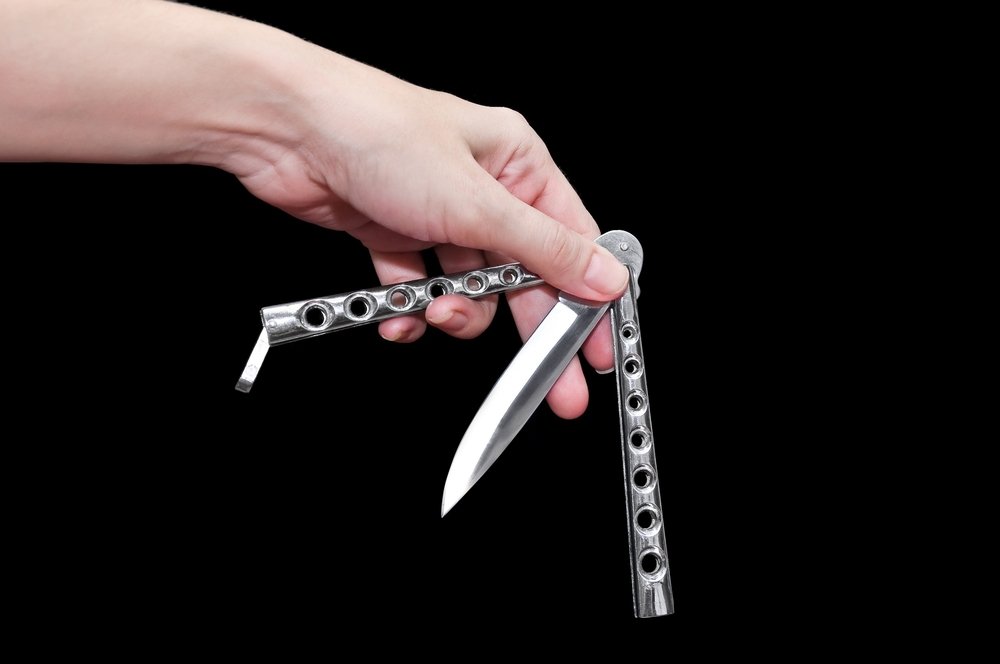
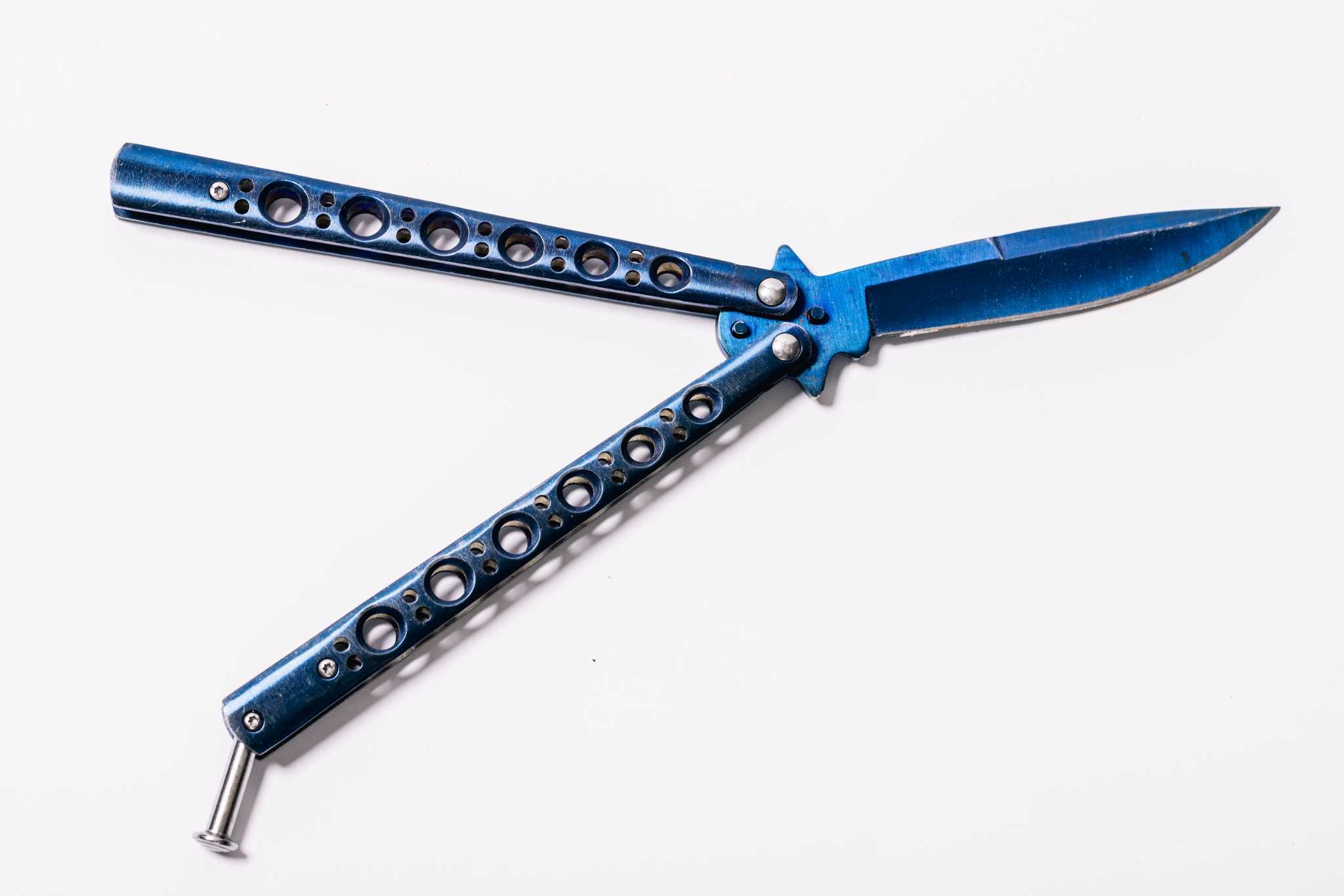
A butterfly knife, also known as a Balisong, is a folding pocket knife characterized by two handles counter-rotating around the tang such that, when closed, the blade is concealed within grooves in the handles. Its unique pivot and locking mechanism allow for rapid deployment and manipulation, often seen in a practice known as “flipping.” Historically originating from the Philippines, Balisongs have a rich cultural background and are appreciated by many for their craftsmanship and the skill required to wield them. However, their rapid deployment capability is precisely what places them under scrutiny in many jurisdictions, including California.
Unlike traditional folding knives that typically feature a single handle and a blade that folds into it, the Balisong’s dual-handle design sets it apart. The ability to quickly snap the blade into an open position, often with a flick of the wrist, is a key characteristic that impacts its legal classification. This rapid deployment feature leads many states to categorize them alongside other “switchblade” or “gravity knife” type weapons, regardless of whether they are used for self-defense, utility, or simply as a collector’s item. For travelers exploring destinations from the bustling markets of Sacramento to serene coastal trails, understanding this definition is paramount. Possessing what might be considered an innocuous tool in one locale could be a serious offense in another.
The General Prohibition in California
When it comes to butterfly knives, California law is quite explicit. Under California Penal Code sections pertaining to “switchblades,” butterfly knives are generally prohibited. The core of this prohibition lies in their mechanical design, which allows for quick, often gravity-assisted or centrifugal-force-assisted, deployment. Specifically, California Penal Code Section 21510 states that “Any person in this state who manufactures, imports into the state, sells, offers for sale, exposes for sale, lends, gives, or possesses any switchblade knife having a blade two inches or more in length is guilty of a misdemeanor.” The critical aspect here is how a butterfly knife is interpreted under the “switchblade” definition. Although not explicitly named “butterfly knife” in the statute, the rapid-deployment mechanism of a Balisong, where the blade opens through gravity or centrifugal force, often causes it to fall squarely under the “switchblade” category.
This broad prohibition means that for most individuals, the mere possession of a butterfly knife with a blade two inches or longer is illegal within the state. This applies whether you’re a long-time resident enjoying the lifestyle of Santa Monica or a tourist exploring the wineries of Napa Valley. The law does not typically differentiate based on intent (e.g., whether you intend to use it as a weapon or a tool). The object itself, due to its characteristics, is deemed unlawful. This stance reflects a broader public safety concern, aiming to restrict weapons perceived as easily concealable and rapidly deployable in potentially dangerous situations.
Navigating the Legalities: Possession, Carry, and Sale
The general prohibition on butterfly knives in California has direct implications for possession, how they can be carried, and their commercial exchange. Understanding these distinctions is vital for anyone engaging with knife ownership or considering bringing a knife into the state.
Concealed vs. Open Carry: What You Need to Know
In California, the distinction between concealed and open carry is significant for many types of weapons, but for butterfly knives, the general prohibition often makes this distinction moot for those with blades two inches or longer. Since possession itself is typically illegal, whether it’s concealed or openly carried is secondary to the primary offense of unlawful possession.
However, for other types of knives that are generally legal to possess (e.g., standard folding knives, fixed-blade knives of legal length), the carry method becomes extremely important. Fixed-blade knives, for example, regardless of length, must generally be carried openly and not concealed. This means the knife must be visible on your person or attached to your clothing in a sheath, not tucked away in a pocket, bag, or under clothing. The rationale behind this is to prevent the element of surprise and to make it clear to law enforcement or others that a person is carrying a knife.
For a butterfly knife, because its possession is generally unlawful, the question of concealed versus open carry essentially becomes irrelevant for a blade of two inches or longer. Any manner of carry would be in violation of the primary prohibition on possession. This is a critical point for anyone visiting or residing in California who might be accustomed to different knife laws in other states or countries. When you’re traveling through scenic routes or urban centers, the safest approach is to assume butterfly knives are forbidden.
The Sale and Manufacturing Landscape
The prohibition extends beyond mere possession to the commercial aspects of butterfly knives. California Penal Code explicitly states that it is illegal to manufacture, import into the state, sell, offer for sale, expose for sale, or lend a butterfly knife with a blade two inches or more in length. This means that individuals, retailers, and even online vendors operating within California are prohibited from engaging in any of these activities.
This has a significant impact on collectors and enthusiasts looking to acquire or trade Balisongs. If you are seeking to add to your collection while enjoying a relaxed trip in California, or perhaps exploring the unique boutiques in areas like Palo Alto, you will find that legally sold butterfly knives are simply not available for purchase. Furthermore, attempting to import one from another state or country, even for personal use, is also a violation. The state aims to restrict the circulation of these knives at every point in the supply chain, from their creation to their ultimate end-user. This legal framework safeguards public spaces and contributes to the overall sense of security that California strives to maintain for its residents and tourists enjoying its diverse attractions.
Special Considerations for Minors
Knife laws in California often include additional restrictions for minors, and butterfly knives are no exception. For individuals under the age of 18, the laws are even more stringent. California Penal Code Section 17235 prohibits minors from purchasing or possessing any “switchblade” knife, regardless of blade length. This means that for a minor, even a butterfly knife with a blade less than two inches long would be illegal to possess.
This stricter rule for minors reflects a legislative intent to protect younger individuals and to prevent the possession of potentially dangerous items among a demographic that might be more susceptible to misuse or peer influence. Parents traveling with children to California or residing there should be particularly aware of this. If your child has an interest in knife collecting or owns a butterfly knife that might be legal in your home state, it is absolutely critical to leave it behind when visiting California. The legal consequences for a minor possessing a butterfly knife can include arrest, detention, and referral to juvenile court, impacting both the minor and their guardians. This is a vital aspect of responsible travel and lifestyle within the state, ensuring that family trips to iconic theme parks or educational excursions through historical sites remain worry-free.
Exceptions, Defenses, and Consequences
While the general prohibition against butterfly knives in California is quite strict, understanding any potential exceptions, legal defenses, and the consequences of violating these laws is crucial. This section sheds light on these critical aspects.
Lawful Possession: Collectors, Exhibitors, and Training Tools
Are there any scenarios where a butterfly knife might be lawfully possessed in California? Generally, the law provides very limited exceptions, primarily related to very short blades or specific professional uses. The key determinant under California Penal Code Section 21510 is the blade length of “two inches or more.” This means that a butterfly knife with a blade under two inches might, theoretically, be legal to possess. However, such small blades are uncommon for traditional Balisongs, and their utility is significantly limited. Furthermore, even if the blade is under two inches, other laws pertaining to dangerous weapons or carrying knives in specific prohibited locations (e.g., schools, government buildings) could still apply.
For serious collectors or martial arts enthusiasts, the distinction between a live blade and a “trainer” is essential. A butterfly knife trainer typically has a dull, unsharpened blade or a completely unsharpened “blade” profile, designed solely for practice and skill development without the risk of injury. These trainers are generally not classified as knives or weapons under California law because they lack a sharpened edge or a pointed tip capable of inflicting injury. Therefore, butterfly knife trainers are usually legal to possess and use in California. This allows enthusiasts to enjoy the art of Balisong manipulation without running afoul of the law, a perfect example of how one can maintain a particular lifestyle or hobby responsibly within the state’s legal framework.
There are also limited statutory exceptions for certain types of individuals, such as law enforcement officers, military personnel, or those carrying knives for specific occupational purposes, often requiring proper licensing or authority. However, these exceptions are very narrow and do not apply to the general public or average traveler.
Penalties and Legal Ramifications
Violating California’s laws regarding butterfly knives can lead to significant legal repercussions. Possession of a prohibited butterfly knife (with a blade two inches or more in length) is generally considered a misdemeanor. The penalties for a misdemeanor in California can include:
- Jail Time: Up to six months in a county jail.
- Fines: Up to $1,000.
- Probation: A period of probation, which may come with conditions such as community service or regular check-ins.
- Criminal Record: A misdemeanor conviction will result in a criminal record, which can have long-lasting effects on employment opportunities, housing, and even travel to certain countries.
For minors, as discussed, the consequences involve the juvenile justice system, which aims for rehabilitation but can still involve detention, community programs, and a juvenile record. Furthermore, if a butterfly knife is used in the commission of another crime, or if it is possessed in conjunction with other illegal activities, the charges can be elevated to felonies, carrying much harsher penalties, including state prison sentences. The potential legal battles and associated costs (attorney fees, court costs) can be substantial, making proactive compliance with the law the most prudent course of action. When enjoying the vibrant cultural experiences or the serenity of California’s natural landmarks, such legal entanglements are certainly not part of anyone’s ideal travel or lifestyle plan.
Related Knife Laws in the Golden State
It’s important to remember that butterfly knife laws are just one part of a broader set of knife regulations in the Golden State (first instance of ‘California’ already linked). California has specific laws regarding other types of knives, including:
- Switchblades: The same law that prohibits butterfly knives also applies to other types of switchblades, defined as knives that open automatically by a spring device, gravity, or centrifugal force.
- Dirks and Daggers: These are defined as knives that can be used as a stabbing weapon. It is generally illegal to carry a dirk or dagger concealed. They must be carried openly in a sheath.
- Knives on School Grounds: Carrying any knife (except for certain specific utility knives for legitimate work purposes) on public or private K-12 school grounds or on college campuses is strictly prohibited and can result in severe penalties.
- Illegal Knives: Aside from switchblades/butterfly knives, other knives are inherently illegal to possess, such as undetectable knives (e.g., plastic knives not detectable by metal detectors) and belt buckle knives.
- Blade Length: While many standard folding knives are legal, there are sometimes local ordinances that restrict the carry of knives exceeding a certain blade length in public places, though statewide, there isn’t a blanket maximum length for all knives.
Understanding these interconnected laws is crucial for anyone engaging with knives in California. The California Department of Justice provides resources on firearm and weapon laws, which can offer further clarity. Whether you’re planning an adventurous camping trip in Yosemite National Park or simply exploring urban attractions, responsible knife ownership and carry are essential.
A Traveler’s Guide: Butterfly Knives and Your California Experience
For those visiting California from other parts of the United States or international destinations, the difference in knife laws can be a source of confusion. What might be legal and common in your home state or country could lead to serious issues in the Golden State.
Avoiding Legal Pitfalls During Your Visit
The most critical advice for travelers regarding butterfly knives in California is simple: Do not bring them into the state. If you own a butterfly knife and are planning a trip to California, leave it at home. This applies whether you are flying into Los Angeles International Airport, driving across the state line, or arriving by any other means. Even if you believe your knife is a collector’s item or a tool, the legal system in California does not typically make such distinctions for prohibited items like butterfly knives.
For those interested in martial arts or knife manipulation as a hobby, consider purchasing a legal butterfly knife trainer upon arrival or bringing one that explicitly has a dull, unsharpened, and non-piercing blade. This allows you to practice your skills responsibly without the risk of legal complications. When enjoying the vibrant nightlife, serene beaches, or thrilling theme parks that California offers, the last thing any traveler wants is to encounter legal trouble over a seemingly innocuous item. Prioritizing legal compliance ensures a smooth and enjoyable travel experience, aligning with the carefree and adventurous spirit of exploring new destinations.
Beyond Balisongs: Other Knife Laws for Tourists
While the focus here is on butterfly knives, tourists should also be mindful of general knife laws that apply to all individuals in California.
- Fixed-Blade Knives: If you carry a fixed-blade knife (e.g., a hunting knife, survival knife), it must be carried openly in a sheath. Concealed carry of fixed-blade knives is illegal. This is particularly relevant for those planning camping, hiking, or other outdoor adventures in California’s magnificent national parks and wilderness areas.
- Folding Knives: Most standard folding knives that do not fall under the “switchblade” definition (i.e., do not open automatically by spring, gravity, or centrifugal force) are generally legal to carry, even concealed. However, there are typically local ordinances that might place restrictions on blade length in specific cities or public venues.
- Prohibited Locations: Be aware of “knife-free zones.” It is illegal to carry most types of knives onto school grounds, federal buildings, courthouses, airports (beyond security checkpoints), and other sensitive areas. Always check local signage and regulations for specific locations.
- Intent: Even if a knife is legal to possess, using it in a threatening manner or with the intent to commit a crime can elevate its possession to a serious offense. Knives, regardless of their legal status, should never be used to intimidate or harm others.
By understanding and adhering to these knife laws, tourists can ensure their visit to California is memorable for all the right reasons. California offers an incredible range of experiences, from luxury resorts in Beverly Hills to budget-friendly stays near iconic landmarks, and a lifestyle that caters to every preference. Being informed about local regulations, including those concerning knives, is an integral part of responsible travel and contributes to a safe and enjoyable environment for everyone. Always err on the side of caution when in doubt, and if you have specific legal questions, consult with a qualified California attorney.
LifeOutOfTheBox is a participant in the Amazon Services LLC Associates Program, an affiliate advertising program designed to provide a means for sites to earn advertising fees by advertising and linking to Amazon.com. Amazon, the Amazon logo, AmazonSupply, and the AmazonSupply logo are trademarks of Amazon.com, Inc. or its affiliates. As an Amazon Associate we earn affiliate commissions from qualifying purchases.