
Few natural spectacles captivate the soul quite like a sunset over the vast expanse of the Pacific Ocean, particularly when viewed from the enchanting shores of Hawaii. The islands, renowned for their unparalleled beauty, vibrant culture, and endless adventure, offer a daily ritual that travelers and locals alike cherish: the glorious descent of the sun below the horizon. However, the precise moment this magical event unfolds isn’t static. It’s a dynamic ballet influenced by the season, your specific location within the archipelago, and even the subtle tilt of the Earth. Understanding these nuances is key to perfectly timing your evening plans, whether you’re seeking a romantic beach stroll, a picturesque dinner, or a prime spot for that unforgettable photograph.
For those planning a trip to this paradise, incorporating sunset times into your travel itinerary is more than just a logistical detail; it’s about maximizing your experience. Hawaii, a state in the United States, does not observe Daylight Saving Time, meaning its local time, Hawaiian Standard Time (HST), remains consistent throughout the year. This simplifies things somewhat, but the Earth’s orbit around the sun ensures that sunrise and sunset times continually shift. From the lush valleys of Kauai to the volcanic landscapes of the Big Island (also known as Hawaii Island), each island presents its own unique vantage points and subtle variations in timing, adding another layer to the planning process. This guide delves into the factors that dictate Hawaiian sunset times, highlights the best spots to witness them, and offers practical tips to ensure your sunset experience is nothing short of spectacular, blending seamlessly with your travel, tourism, and lifestyle aspirations.
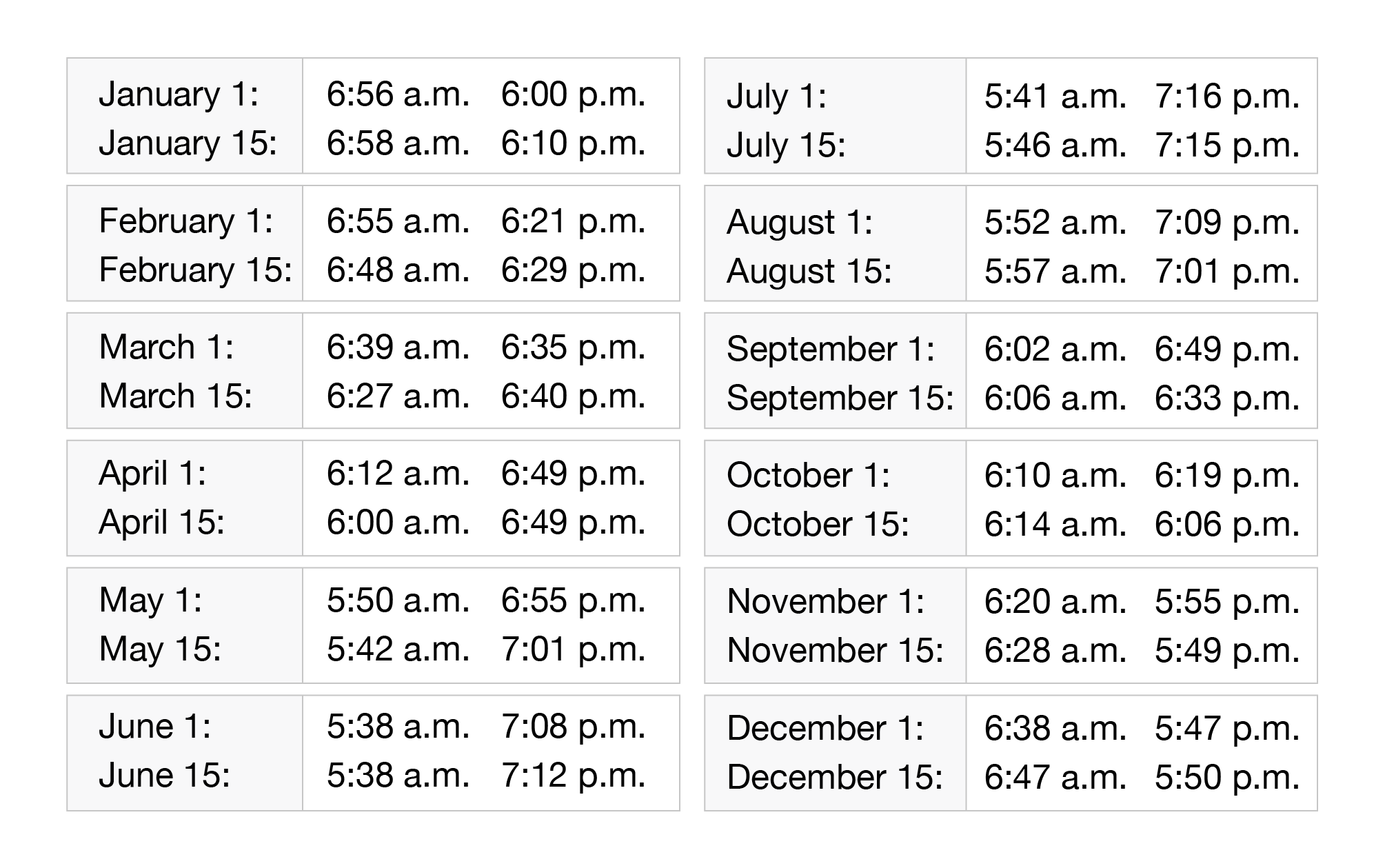
The Dance of Daylight: Factors Influencing Hawaiian Sunset Times
The exact minute the sun dips below the horizon in Hawaii is a fascinating interplay of astronomical and geographical factors. Unlike locations further north or south that experience dramatic shifts in daylight hours between seasons, Hawaii’s proximity to the equator results in less extreme variations. Nevertheless, these shifts are significant enough to warrant attention when planning your island adventures.
Seasonal Variations and the Equator’s Influence
The most dominant factor influencing sunset times is the time of year. As the Earth orbits the sun, its axial tilt causes different parts of the planet to receive more direct sunlight at various points, leading to the changing seasons. In Hawaii:
- Summer Solstice (around June 20-22): This marks the longest day of the year in the Northern Hemisphere. During this period, sunsets occur latest, typically between 7:00 PM and 7:20 PM HST. The extended daylight allows for longer beach days, more time for outdoor activities, and later dinner reservations. The balmy evenings are perfect for leisurely strolls along the coast after the heat of the day subsides.
- Winter Solstice (around December 20-22): This is the shortest day of the year. Consequently, sunsets are earliest, usually between 5:45 PM and 6:00 PM HST. While evenings arrive sooner, this also means you can enjoy a stunning sunset much earlier, perhaps after a day of exploring or before an early dinner. It’s a cozy time when the cooler temperatures make the vibrant hues of the sky feel even more welcoming.
- Spring and Fall Equinoxes (around March 20 and September 22): During these times, day and night are roughly equal in length. Sunset times fall somewhere in the middle of the summer and winter extremes, generally ranging from 6:00 PM to 6:45 PM HST. These transitional periods often offer some of the most dramatic skyscapes as weather patterns begin to shift.
Because Hawaii is located relatively close to the equator (between 18° and 22° N latitude), the difference between the longest and shortest days of the year is not as pronounced as in, say, mainland United States or Canada. However, even a 1.5-hour difference in sunset time can significantly impact your daily plans, from booking a sunset cruise to deciding when to head to your chosen viewpoint.
Geographical Position Across the Islands
While all the main Hawaiian islands lie relatively close to one another, their slight variations in longitude can lead to subtle differences in sunset times. The westernmost islands will experience sunset a few minutes later than the easternmost ones.
- Kauai and Niihau (westernmost): These islands generally see the sun set last among the major islands.
- Big Island (easternmost): Due to its position, Hawaii Island will experience sunset first.
- Oahu, Maui, Molokai, and Lanai: These central islands fall in between, with times varying by mere minutes, typically within a 5-10 minute window across the entire chain.
While these differences are minimal, they can be important for photographers or those seeking to optimize every second of their Hawaiian holiday. Always check a local sunset calculator for your specific island and date to get the most accurate information.
Island by Island: Best Sunset Spots and Experiences
Each Hawaiian island offers its own unique charm and an array of breathtaking locations to witness the day’s end. From bustling beaches framed by iconic landmarks to secluded shores and dramatic cliffs, the perfect sunset spot awaits every traveler.
Oahu: Urban Splendor Meets Coastal Beauty
Oahu, home to the vibrant capital Honolulu, offers a diverse range of sunset experiences, blending metropolitan energy with serene natural beauty.
- Waikiki Beach & Diamond Head: Perhaps the most iconic sunset view, watching the sun dip behind Diamond Head from Waikiki Beach is a quintessential Hawaiian experience. Numerous oceanfront hotels and resorts in Waikiki offer prime viewing from their lanais, restaurants, and bars. Consider booking a dinner reservation at a Waikiki establishment for a truly memorable evening.
- North Shore: Famous for its legendary surf breaks, the North Shore provides a more rugged, untamed sunset. Places like Sunset Beach (aptly named) or Waimea Bay offer vast horizons and spectacular colors, especially in winter when the waves are dramatic. This is ideal for those seeking a more laid-back, surf-culture vibe.
- Lanikai Beach (East Side): While primarily known for its stunning sunrises, the late afternoon glow on Lanikai Beach and the Mokulua Islands is equally mesmerizing. Though the sun sets behind the island here, the pastel hues reflected on the clouds and ocean create a magical ambiance. Access is typically from Kailua.
Maui: The Valley Isle’s Golden Hour
Maui is celebrated for its romantic allure and luxurious resorts, making sunset viewing a high priority for many visitors.
- West Maui Beaches (Ka’anapali, Kapalua): The western coast, encompassing popular areas like Ka’anapali and Kapalua, offers consistently incredible sunset views over the Pacific Ocean, often with Lanai and Molokai silhouetted in the distance. Many high-end hotels along Ka’anapali Beach host nightly cliff-diving ceremonies at sunset, adding a cultural dimension to the natural spectacle.
- South Maui (Wailea, Kihei): The upscale Wailea area boasts pristine beaches like Wailea Beach and Mokapu Beach, known for their golden sands and clear views. Further north in Kihei, you’ll find more accessible public beaches offering equally stunning vistas without the resort crowds.
- Lahaina Harbor: A sunset cruise from Lahaina Harbor is a fantastic way to experience Maui’s sunset from the water, often accompanied by dinner, drinks, and sometimes whale watching during winter months.
- Haleakala National Park: While famous for its sunrise, watching the sunset from the summit of Haleakala is an equally profound experience. The colors reflected off the clouds and crater floor are otherworldly, though it gets very cold, so dress warmly.
Kauai: The Garden Isle’s Lush Panoramas
Kauai, with its dramatic cliffs and verdant landscapes, offers sunsets that feel intimately connected with nature’s grandeur.
- Poipu Beach (South Shore): On the sunny south shore, Poipu Beach is a popular spot, known for its calm waters and family-friendly atmosphere. Sunsets here are vibrant and often accompanied by the playful antics of Hawaiian monk seals or green sea turtles.
- Hanalei Bay (North Shore): The iconic crescent of Hanalei Bay, framed by lush mountains and a historic pier, is arguably one of Kauai’s most picturesque sunset locations. The way the light plays on the mountains and reflects in the bay is truly magical.
- Na Pali Coast (Boat or Helicopter Tour): For an truly unparalleled experience, a sunset boat tour along the majestic Na Pali Coast offers views of the towering cliffs bathed in golden light that are simply unforgettable. Helicopter tours also provide a unique aerial perspective.
Big Island: Volcanic Horizons and Stargazing
The Big Island presents a landscape unlike any other, where fiery sunsets meet volcanic terrain and starry skies.
- Kona Coast: The western Kona Coast is a prime location for sunset viewing, with numerous resorts, restaurants, and public beaches offering expansive ocean vistas. The town of Kona itself, particularly along Ali’i Drive, is bustling with spots to enjoy the evening show.
- Kohala Coast: Known for its luxury resorts and golf courses, the Kohala Coast boasts pristine beaches and clear views of the setting sun, often painting the sky in fiery oranges and purples.
- Mauna Kea Summit: Watching the sunset from the summit of Mauna Kea is a transformative experience. Above the clouds, the sun dips into a sea of colors, followed by an unparalleled stargazing opportunity as the night sky emerges. This requires careful planning for altitude sickness and warmth.
- Volcanoes National Park: While the sun sets in the west, the eastern side of the Big Island also offers unique perspectives. In Volcanoes National Park, the sunset often illuminates volcanic plumes, creating a dramatic, otherworldly backdrop.
Elevating Your Sunset Experience: Tips, Activities, and Accommodation
Beyond simply knowing the time, a truly memorable Hawaiian sunset involves a blend of thoughtful planning, engaging activities, and choosing the right accommodation. It’s about immersing yourself in the moment and connecting with the natural beauty and local culture.
Practical Tips for the Perfect Viewing
- Arrive Early: The “golden hour” leading up to sunset, when the light is soft and warm, can be just as stunning as the sunset itself. Arriving 30-45 minutes beforehand allows you to find a good spot, set up your camera, and soak in the pre-show ambiance.
- Check Local Times Daily: While general ranges are useful, always use a reliable local weather app or website for the precise sunset time on your specific day and island. Times can fluctuate by a minute or two each day.
- Consider the Green Flash: This elusive optical phenomenon, a momentary green flash just as the sun disappears, is most often seen when the horizon is clear and unobstructed. It’s a rare treat!
- Bring Essentials: Depending on your chosen spot, consider a blanket or beach chairs, mosquito repellent (especially near lush areas), water, and a light jacket as temperatures can drop quickly after dark, particularly at higher elevations like Haleakala or Mauna Kea.
- Mind the Crowds: Popular spots like Waikiki Beach or Ka’anapali Beach can get crowded. For a more tranquil experience, seek out lesser-known beaches or viewpoints, or visit during the off-season.
Engaging Activities for a Sunset to Remember
Hawaiian sunsets aren’t just for passive viewing; they can be the centerpiece of unforgettable tourism experiences and lifestyle moments.
- Sunset Cruises: A classic choice, these range from romantic dinner cruises to lively catamaran parties, offering unparalleled ocean views of the setting sun. Many depart from harbors like Lahaina, Ma’alaea, or Kona.
- Luau Experiences: Many luaus are timed to begin in the late afternoon, with dinner and cultural performances unfolding against the backdrop of a spectacular sunset. This offers a fantastic way to immerse yourself in local culture and enjoy traditional Hawaiian food.
- Beach Picnics or Dinners: Pack a gourmet meal or grab takeout from a local eatery, find a secluded spot on the beach, and enjoy a romantic or family-friendly dinner as the sky changes colors.
- Photography Expeditions: For photography enthusiasts, sunset in Hawaii presents endless opportunities. The dynamic light, coupled with iconic landscapes like Diamond Head or the Na Pali Coast, allows for stunning captures. Consider bringing a tripod for long exposures.
- Beach Yoga or Meditation: Connect with the serene energy of the islands by practicing yoga or meditation as the sun sets, a truly peaceful and rejuvenating experience.
Accommodation: Waking Up to the Views, Ending with the Sunset
Your choice of accommodation can profoundly impact your sunset experience. Many hotels, resorts, and villas in Hawaii are strategically located to offer prime sunset views, transforming your stay into a truly immersive experience.
- Oceanfront Resorts: Opting for an oceanfront room or suite at a luxury resort in Wailea, Ka’anapali, or the Kona Coast means you can enjoy the sunset from the comfort of your private lanai. Many also feature ocean-facing restaurants and bars, perfect for a sunset cocktail.
- Vacation Rentals with a View: For those seeking a more private or long-term stay, booking a private apartment or villa with a westward-facing balcony can be ideal. Websites for accommodation booking often highlight properties with “sunset views” in their descriptions.
- Budget Travel Options: Even if you’re on a budget, you can still enjoy magnificent sunsets. Many public parks and beaches offer fantastic, free viewing spots. Consider staying in a hotel that’s a short walk or drive from a prime public beach.
- Family Trips: Families often appreciate the convenience of watching the sunset from their resort’s amenities or a nearby, easily accessible beach, allowing children to enjoy the magic without late-night travel.
Integrating sunset viewing into your overall travel experience in Hawaii elevates it from a mere vacation to a collection of cherished moments. Whether you’re indulging in luxury travel or exploring on a tight budget, the simple act of watching the sun set over the Pacific is a universally rewarding experience.
Conclusion: Chasing the Last Rays in Paradise
The question of “What time is sunset in Hawaii?” is more than a query about a specific moment on the clock; it’s an invitation to engage with one of nature’s most profound daily rituals. From the bustling shores of Waikiki to the serene vastness from the summit of Mauna Kea, each Hawaiian sunset paints a unique, ephemeral masterpiece across the sky. Understanding the seasonal shifts, the subtle differences between islands, and having a few insider tips can transform a simple viewing into an extraordinary event.
As you plan your Hawaiian getaway, remember that the end of each day brings with it a fresh opportunity for wonder. Whether you prefer the lively atmosphere of a beachside bar, the tranquility of a secluded cove, or the panoramic spectacle from a catamaran, Hawaii delivers a sunset experience for every preference. Embrace the rhythm of the islands, let the golden light wash over you, and savor the breathtaking beauty as the day gently fades into the warm embrace of a Hawaiian night. It’s these moments of simple, natural splendor that truly define the magic of the Aloha State, leaving an indelible mark on every traveler’s heart.
LifeOutOfTheBox is a participant in the Amazon Services LLC Associates Program, an affiliate advertising program designed to provide a means for sites to earn advertising fees by advertising and linking to Amazon.com. Amazon, the Amazon logo, AmazonSupply, and the AmazonSupply logo are trademarks of Amazon.com, Inc. or its affiliates. As an Amazon Associate we earn affiliate commissions from qualifying purchases.