
The question “Does it ever get dark in Alaska?” is one that frequently piques the curiosity of travelers, naturalists, and anyone captivated by the mystique of the far north. It’s a question that hints at the profound and often disorienting natural phenomena unique to high-latitude destinations. The simple answer is yes, it does get dark in Alaska, but when and for how long is a complex and fascinating story dictated by the Earth’s tilt, its orbit around the sun, and Alaska’s sprawling geography. Understanding these light cycles is not just an exercise in astronomy; it’s fundamental to experiencing the destination, planning your travels, and appreciating the very rhythm of life in America’s Last Frontier. From the ethereal glow of the Midnight Sun to the profound darkness that paints the sky for the Northern Lights, Alaska’s relationship with light is one of its most compelling attractions and a defining aspect of any Alaskan adventure.
The Midnight Sun: Alaska’s Summer Spectacle
For many, the image of Alaska is synonymous with endless summer daylight. This captivating phenomenon, known as the Midnight Sun, is a peak travel experience that transforms the landscape and the way life is lived.
Understanding the Arctic Circle’s Influence
The Earth’s axial tilt of approximately 23.5 degrees relative to its orbital plane around the sun is the primary orchestrator of seasons and, consequently, the extreme light conditions experienced at high latitudes. As the Earth orbits, the Northern Hemisphere tilts towards the sun during summer, causing the sun’s rays to hit more directly and for longer periods. North of the Arctic Circle (roughly 66.5 degrees North latitude), this tilt becomes so pronounced that the sun remains above the horizon for 24 hours a day at the summer solstice. Much of Alaska lies within or very close to this geographical boundary, making it a prime location to witness this astronomical marvel.
The Phenomenon of Continuous Daylight
While the term “Midnight Sun” evokes images of the sun visibly circling the sky at 12 AM, the experience varies greatly depending on how far north you travel. In communities like Fairbanks, located just south of the Arctic Circle, the sun technically sets for a short period around midsummer, but the sky never truly darkens. Instead, it transitions into a prolonged twilight, where there’s enough ambient light to read a book outdoors at midnight. Further north, in places like Utqiagvik (formerly Barrow), the northernmost city in the United States, the sun remains continuously above the horizon for over 80 days, offering truly uninterrupted daylight. This perpetual illumination brightens spirits, extends activity hours, and creates a surreal atmosphere that is utterly unique to the Alaskan summer.
Activities Under the Eternal Glow
The extended daylight hours of the Alaskan summer unleash a boundless energy, allowing travelers to maximize their experiences. Imagine hiking through lush national parks like Denali at 10 PM, with the sun still high in the sky, illuminating towering peaks and wildlife. Fishing trips for salmon and halibut can extend well into the late evening, offering ample opportunity for a prize catch. Kayaking among icebergs in glacial fjords, taking scenic flights over remote wilderness, or simply enjoying a leisurely dinner on a patio can all be done with the benefit of natural light, often feeling like a continuous day. Golf enthusiasts even partake in “midnight sun golf tournaments,” a testament to the sheer novelty and practicality of the never-ending day. This abundance of light transforms the very fabric of travel, inviting visitors to shed their conventional timekeeping and simply revel in the moment.
Winter’s Embrace: When Darkness Prevails
As the Earth continues its orbit and the Northern Hemisphere tilts away from the sun, Alaska transitions from perpetual daylight to a period of profound, extended darkness. This dramatic shift is just as much a part of the Alaskan experience as its sunlit summers, offering a stark contrast and a different kind of magic.
The Polar Night Explained
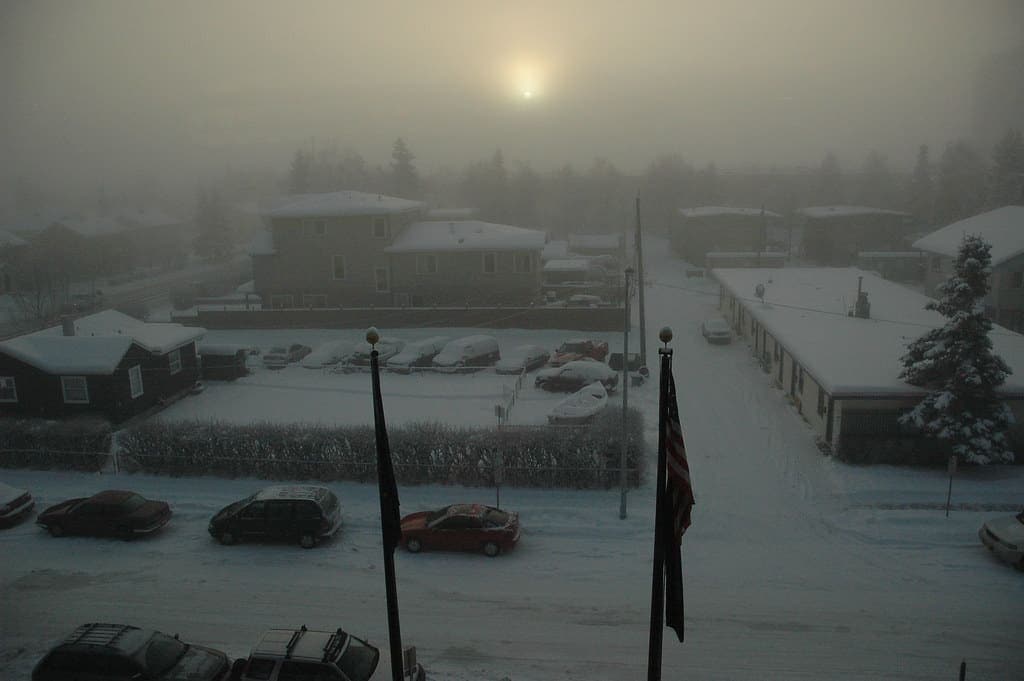
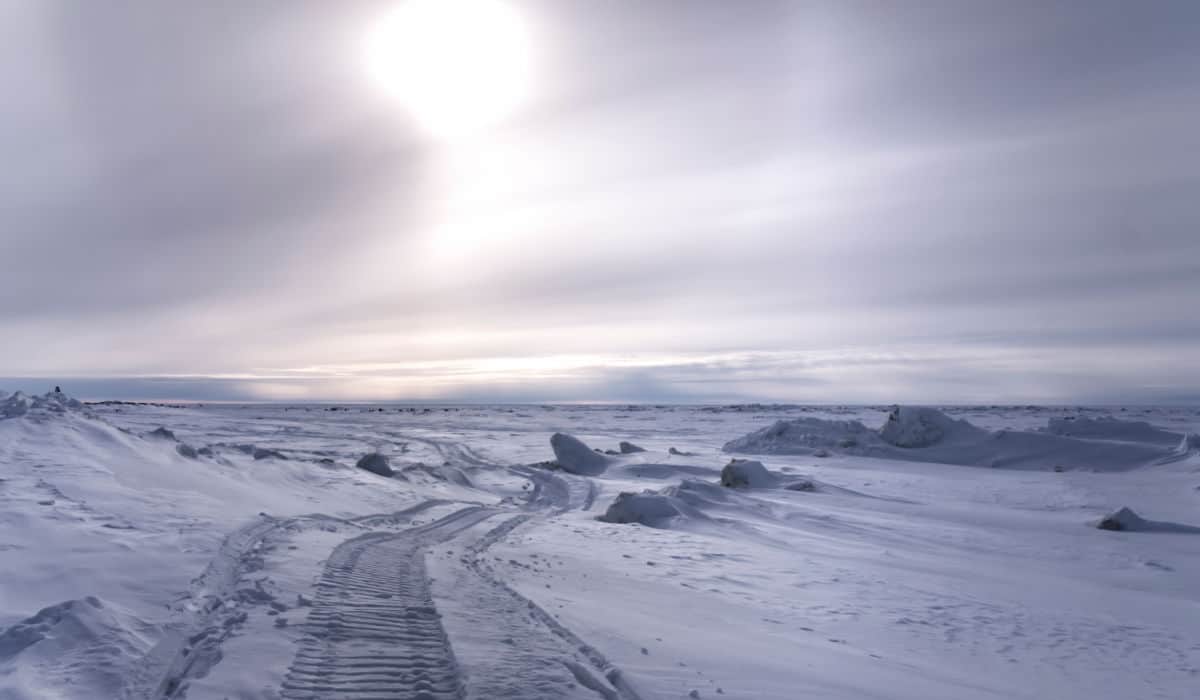
The same astronomical principles that bring the Midnight Sun to Alaska also usher in the polar night. When the North Pole tilts furthest from the sun during winter, regions north of the Arctic Circle experience periods when the sun does not rise above the horizon for days, weeks, or even months. The further north one travels, the longer this period of continuous astronomical night. For instance, in Utqiagvik, the sun sets in mid-November and doesn’t reappear until late January, a period of over 60 days without direct sunlight. This doesn’t mean it’s pitch black 24/7, but rather a unique play of twilight.
More Than Just “Dark”: Twilight and Dim Light
The concept of polar night can be misleading, as it rarely translates to absolute darkness for the entire day. Instead, it often involves extended periods of twilight. Civil twilight provides enough light for outdoor activities without artificial illumination, lasting for several hours around midday even during the deep winter months in many Alaskan communities. Nautical twilight offers even fainter light, while astronomical twilight is virtually indistinguishable from true night, with the sun more than 18 degrees below the horizon. Near the Arctic Circle, towns like Fairbanks experience very short days, with the sun skimming low along the horizon, casting long, dramatic shadows and painting the sky with soft, muted colors for just a few precious hours. This dim, often blue-tinged light creates an atmosphere of serene beauty, distinct from the brilliant glare of summer.
Experiencing the Alaskan Winter Night
The extended darkness of Alaska’s winter offers a completely different, yet equally enchanting, set of travel experiences. Foremost among these is the unparalleled opportunity to witness the Northern Lights, or Aurora Borealis. With vast stretches of clear, dark skies, Alaska is one of the world’s premier destinations for aurora viewing, particularly from late August to April. Imagine standing beneath a sky ablaze with shimmering greens, purples, and reds – a truly transformative experience. Beyond the aurora, winter travelers can enjoy thrilling dog sledding expeditions, ice fishing on frozen lakes, snowshoeing through silent, snow-laden forests, or attending festive ice carving festivals. The cozy warmth of a lodge or cabin, paired with the stark, quiet beauty outside, provides a sense of peace and intimacy that summer’s hustle and bustle cannot offer.
Seasonal Transitions and Equinoxes
While the Midnight Sun and polar night define the extremes of Alaska’s light cycles, the transitional seasons of spring and autumn offer their own unique charm, characterized by rapid shifts in daylight and breathtaking natural beauty.
Spring’s Awakening and Autumn’s Hues
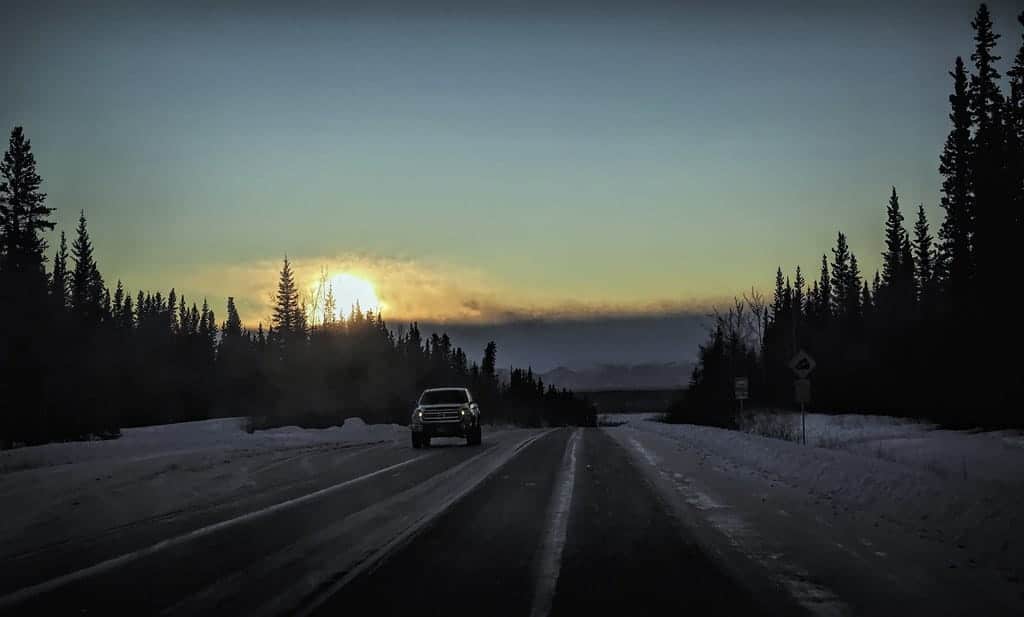
Spring in Alaska is a time of dramatic transformation. As the sun climbs higher in the sky each day, daylight hours rapidly increase, melting snow, awakening wildlife, and bringing a vibrant burst of green to the landscape. This period, typically from April to May, sees the return of migratory birds and offers a hopeful, energetic atmosphere as the land shakes off winter’s grip. Autumn, from late August through October, presents another spectacular transition. Days shorten quickly, but not before the vast boreal forests ignite in a blaze of golden birch, crimson dwarf birch, and fiery alders. This brief, brilliant display is a photographer’s dream, framed by lengthening shadows and the first hints of the deep winter’s chill. Both shoulder seasons offer a balance, providing good daylight for exploration while also increasing chances for Northern Lights viewing as the nights grow longer.
The Equinoxes: Brief Balance
Twice a year, around March 20th (vernal equinox) and September 22nd (autumnal equinox), the Earth’s axis is neither tilted towards nor away from the sun. During these moments, day and night are roughly equal in length across the entire globe, including Alaska. For those living at high latitudes, the equinoxes represent a fleeting equilibrium, a brief pause between the extremes of perpetual light and prolonged darkness. These periods are particularly noticeable in Alaska as the daylight hours shift rapidly, sometimes by as much as seven minutes per day around the equinoxes. This rapid change highlights the profound sensitivity of the Alaskan environment to the sun’s position, marking clear boundaries between the vastly different experiences of summer and winter.
Practicalities for the Alaskan Traveler
Understanding Alaska’s unique light cycles is not just for intellectual curiosity; it has very real implications for travelers. Preparing for these conditions can significantly enhance your comfort and enjoyment of the journey.
Packing for the Light (or Lack Thereof)
If traveling during the summer months when the Midnight Sun reigns, a good sleep mask is an absolute essential. Many hotels and lodges in Alaska will have blackout curtains, but a personal mask ensures restful sleep regardless of your accommodation. Light-filtering sunglasses are also useful for daytime glare, especially near glaciers or water. For winter travel, the key is layering warm clothing, as temperatures can be frigid, but also considering the emotional impact of shorter daylight hours. A SAD lamp or simply maximizing exposure to natural light during the brief daytime can be beneficial for some.
Adjusting Your Internal Clock
The extreme light conditions can disrupt circadian rhythms, affecting sleep patterns and energy levels. During summer, try to stick to a routine, using your sleep mask and maintaining a dark sleep environment to signal to your body that it’s nighttime. For winter, embracing the unique rhythm of the short day can be helpful; plan outdoor activities for the brighter hours and cozy indoor experiences for the long evenings. Staying hydrated and maintaining a healthy diet are also universally beneficial for managing jet lag or light-induced fatigue.
Best Time to Visit Based on Light
Your preference for light or darkness will largely dictate the best time for your Alaskan adventure. If you crave endless daylight, extended outdoor activities, and the surreal experience of the Midnight Sun, then June and July are ideal. This is prime season for hiking, fishing, wildlife viewing, and exploring national parks. If your dream is to witness the spectacular Northern Lights dancing across a dark, star-studded sky, combined with winter sports and a tranquil, snow-covered landscape, then plan your trip between late September and April. The shoulder seasons of spring and autumn offer a blend of longer days than winter, vibrant seasonal changes, and good chances of aurora viewing, often with fewer crowds.
Beyond the Light: The Holistic Alaskan Experience
The dance between light and darkness in Alaska is more than just an astronomical curiosity; it’s a fundamental element that shapes the environment, wildlife, and the very culture of the people who call this magnificent land home.
The Impact on Wildlife and Nature
The extreme light cycles profoundly influence Alaska’s flora and fauna. During the long summer days, plants grow rapidly, capitalizing on the continuous sunlight, leading to oversized vegetables and an explosion of wildflowers. Animals, from bears to caribou, are more active, often foraging for longer hours to prepare for the lean winter months. Conversely, the dark, cold winter forces many species into hibernation or migration, while others, like the snowshoe hare or arctic fox, adapt with seasonal coat changes. Observing wildlife in their natural habitat, whether under the bright Midnight Sun or during a crisp winter twilight, provides a deeper appreciation for their resilience and adaptation to these unique conditions.
Cultural Adaptation and Local Life
Alaskans have developed distinct rhythms of life adapted to the dramatic shifts in daylight. Summers are often a period of intense activity, where workdays extend, and outdoor recreation becomes a cornerstone of daily life, making the most of every sunlit hour. Winter, while challenging, is embraced as a time for community gatherings, indoor pursuits, and celebrating the darkness with festivals and events centered around the Northern Lights. The resilience and resourcefulness of Alaskans are deeply intertwined with their ability to live harmoniously with these powerful natural forces, creating a unique cultural tapestry that travelers can observe and partake in.
Embracing Alaska’s Uniqueness
Ultimately, the question “Does it ever get dark in Alaska?” leads to a richer understanding of what makes this destination so extraordinary. Whether you are drawn to the vibrant energy of endless summer days or the serene mystery of the polar night and its celestial displays, Alaska offers an experience unlike any other. It’s a place where the sun’s presence (or absence) dictates not just the time of day, but the very essence of life, adventure, and wonder. To travel to Alaska is to surrender to these grand natural cycles, allowing them to recalibrate your senses and deepen your connection to one of the planet’s most magnificent and wild places. So, while it does get dark in Alaska, it does so in its own spectacular and unforgettable way.
LifeOutOfTheBox is a participant in the Amazon Services LLC Associates Program, an affiliate advertising program designed to provide a means for sites to earn advertising fees by advertising and linking to Amazon.com. Amazon, the Amazon logo, AmazonSupply, and the AmazonSupply logo are trademarks of Amazon.com, Inc. or its affiliates. As an Amazon Associate we earn affiliate commissions from qualifying purchases.