
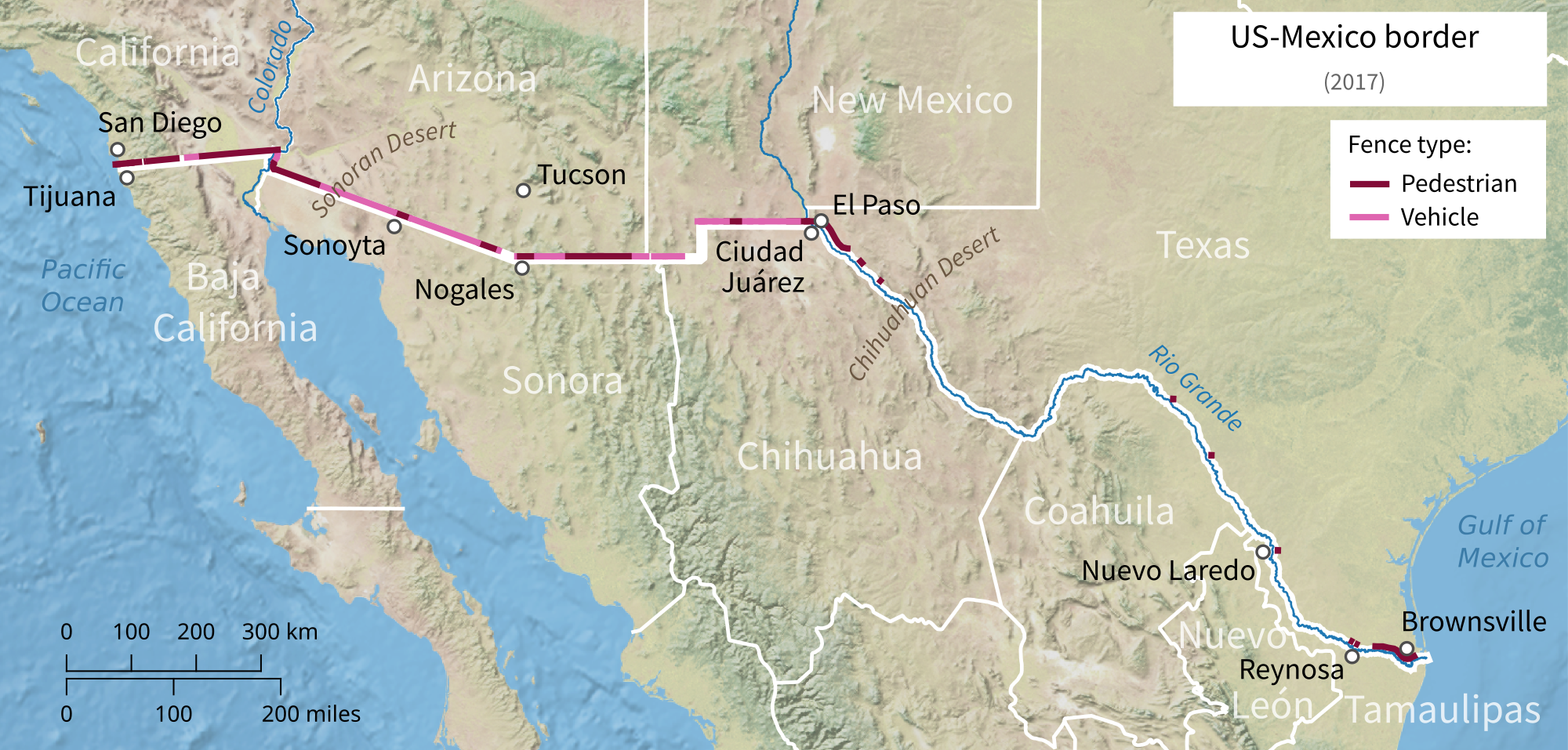
The border between Texas and Mexico is a dynamic and complex geographical feature, stretching for an impressive distance across the southern United States. While the exact mileage can be a subject of slight variation depending on how it’s measured (river meanders, for instance, can shift), the generally accepted figure places the Texas–Mexico border at approximately 1,241 miles (2,000 kilometers) in length. This extensive frontier is not merely a line on a map; it’s a region rich in history, culture, and diverse landscapes, offering a unique tapestry of experiences for travelers, adventurers, and those seeking to understand the intricate relationship between two nations.
Understanding the Texas-Mexico Border’s Vast Expanse
To truly grasp the scale of the Texas–Mexico border, it’s essential to consider its geographical context and the natural elements that define it. The Rio Grande, or Río Bravo del Norte as it’s known in Mexico, serves as the primary delineator for the vast majority of this frontier. This mighty river carves its path through varied terrain, from the arid deserts of West Texas to the more humid subtropical regions of South Texas.
The Defining Influence of the Rio Grande
The Rio Grande‘s course is not static. Over centuries, its channel has shifted, creating historical anomalies and influencing property lines and legal definitions of the border. These natural dynamics mean that the precise length can be subject to interpretation. However, official measurements consistently hover around the 1,241-mile mark. The river’s presence shapes not only the physical border but also the ecosystems and communities that thrive along its banks. For travelers, this means experiencing a border that is often defined by the ebb and flow of water, a stark contrast to the rigid lines found in other international boundaries.
The journey along the Texas–Mexico border is a narrative woven with threads of historical significance, cultural exchange, and breathtaking natural beauty. From the rugged canyons of Big Bend Country to the bustling cities that have grown up along its length, the borderland offers a compelling destination for exploration. Whether you’re interested in delving into the region’s rich history, experiencing its unique blend of cultures, or simply enjoying the natural wonders, the Texas–Mexico border promises an unforgettable journey.
Exploring the Diverse Landscape and Attractions Along the Border
The sheer length of the Texas–Mexico border translates into an incredible diversity of landscapes and attractions. This region is a mosaic of environments, each offering distinct experiences and opportunities for exploration. From the stark beauty of desert expanses to the lushness of river valleys, and from historic mission towns to vibrant modern cities, there’s something to captivate every kind of traveler.
West Texas: Desert Vistas and Majestic Parks
As one ventures westward along the Texas–Mexico border, the landscape transforms into the iconic desert terrain of West Texas. This is a region of wide-open spaces, dramatic rock formations, and a profound sense of solitude. The crown jewel of this area is undoubtedly Big Bend National Park. Spanning over 800,000 acres, this park offers unparalleled opportunities for hiking, camping, stargazing, and wildlife viewing. The park encompasses the dramatic Chisos Mountains, the vast Chihuahuan Desert, and significant stretches of the Rio Grande. Within Big Bend National Park, visitors can explore ancient geological formations, discover prehistoric sites, and witness the powerful flow of the Rio Grande carving through the Santa Elena Canyon.
Nearby, the city of Presidio, Texas, sits directly across the river from Ojinaga, Chihuahua, Mexico. This crossing point offers a glimpse into border town life, with a history tied to trade and transportation. Further east, the historic town of Laredo, Texas, is one of the oldest crossings on the Rio Grande. It boasts a rich history dating back to its founding in 1755 and serves as a major hub for commerce and culture. Exploring Laredo‘s historic downtown, visiting the San Agustin Plaza, and experiencing its vibrant Mexican heritage provides a deep dive into the border’s human story.
South Texas: River Towns and Cultural Melting Pots

Moving towards the southeastern part of the state, the landscape of South Texas becomes greener and more subtropical. The Rio Grande Valley, a fertile agricultural region, is dotted with cities that have become vibrant cultural melting pots, blending Texan and Mexican influences seamlessly. Cities like Brownsville, Harlingen, and McAllen are gateway cities to Mexico and offer a unique blend of experiences.
Brownsville, Texas, is the southernmost city in Texas, directly across the river from Matamoros, Tamaulipas, Mexico. This area is steeped in history, notably the Battle of Palo Alto, a key engagement of the Mexican-American War. Visitors can explore the Palo Alto Battlefield National Historical Park, offering a poignant look into the past. The city also offers access to the Boca Chica Beach, a developing spaceport location that adds a modern, futuristic element to the region.
McAllen, Texas, is a bustling economic and cultural center known for its vibrant downtown, excellent shopping, and delicious Tex-Mex cuisine. The nearby World Birding Center at Bentsen-Rio Grande Valley State Park is a must-visit for nature enthusiasts, offering incredible opportunities to spot a diverse array of bird species. The proximity to Reynosa, Tamaulipas, Mexico, makes it a strategic point for cross-border interaction and tourism.
The string of border towns along the Rio Grande—including Eagle Pass, Del Rio, and others—each possess their own unique character and history. These towns often serve as vital crossings for trade and tourism, fostering a dynamic exchange of cultures and ideas. Whether it’s the historic Fort Duncan in Eagle Pass or the natural beauty of Seminole Canyon State Park near Del Rio, these communities offer authentic experiences of life on the border.
Planning Your Texas-Mexico Border Adventure
Embarking on a journey along the Texas–Mexico border requires thoughtful planning, especially when considering the sheer length and diversity of the region. Whether you’re planning a short excursion to a border city or a more extensive road trip, understanding the logistical aspects, accommodation options, and cultural nuances will enhance your experience. This vast frontier offers a wealth of opportunities for adventure, cultural immersion, and historical discovery.
Travel Tips for Navigating the Borderlands
When planning your trip, consider the primary mode of transportation. Driving is often the most flexible way to explore the Texas–Mexico border, allowing you to stop at various towns and attractions at your own pace. Many of the border cities are well-connected by highways, and renting a car is a straightforward option. For those interested in a more immersive experience, consider utilizing local transportation or even crossing into Mexico at designated ports of entry. However, it’s crucial to be aware of travel advisories and safety recommendations for specific regions.
When crossing into Mexico, ensure you have the necessary documentation, including your passport and vehicle registration if applicable. Familiarize yourself with local customs and laws. Learning a few basic Spanish phrases can also greatly enhance your interactions with locals and enrich your cultural understanding. The border region is a testament to the blend of American and Mexican cultures, and engaging with this fusion is a key part of the experience.

Accommodation Options: From Luxury Resorts to Budget Stays
The Texas–Mexico border region offers a wide range of accommodation options to suit every budget and travel style. In larger cities like El Paso, San Antonio, or Houston (though not directly on the border, they are key access points), you’ll find a plethora of international hotel chains, boutique hotels, and comfortable lodgings. Major brands like Hyatt, Marriott, and Hilton have properties in these urban centers, providing familiar amenities and reliable service.
For those seeking a more intimate or unique experience, consider exploring the smaller border towns. Here, you might find charming bed and breakfasts, independent motels, and even vacation rentals. For travelers looking for an extended stay or a more self-sufficient option, apartments and villas are also available in some of the more developed areas.
In the more natural and remote areas, such as near Big Bend National Park, camping and glamping options are prevalent. These allow you to immerse yourself in the stunning natural landscapes. Resorts catering to eco-tourism or adventure travel are also emerging in these parts of Texas, offering a blend of comfort and access to the wilderness.
When booking your accommodation, it’s always advisable to compare prices and read reviews to ensure you find the best fit for your needs. Websites dedicated to travel and accommodation comparisons can be invaluable tools in this process. Remember to factor in proximity to attractions and border crossings when making your decision. The diversity of lodging reflects the multifaceted nature of the border itself, catering to the adventurer, the historian, the cultural explorer, and the family on vacation alike.
LifeOutOfTheBox is a participant in the Amazon Services LLC Associates Program, an affiliate advertising program designed to provide a means for sites to earn advertising fees by advertising and linking to Amazon.com. Amazon, the Amazon logo, AmazonSupply, and the AmazonSupply logo are trademarks of Amazon.com, Inc. or its affiliates. As an Amazon Associate we earn affiliate commissions from qualifying purchases.