
The Golden State often conjures images of sun-drenched beaches, perpetually clear skies, and a laid-back, warm climate. While much of this idyllic picture holds true, asking “Does it get cold in California?” reveals a fascinating complexity beneath the surface. The simple answer is a resounding “yes,” but the nuance lies in where and when you are in this geographically vast and climatically diverse state. California is a land of extremes, boasting everything from arid deserts to towering alpine peaks, each with its own distinct temperature profile that can challenge preconceived notions of its weather. Understanding these regional variations is paramount for any traveler planning a visit, ensuring they pack appropriately and select the best time to experience their chosen destination.
California’s Diverse Climates: A State of Extremes
California’s unique geography, stretching over nearly 800 miles from north to south and encompassing coastline, mountain ranges, valleys, and deserts, creates a mosaic of microclimates. This topographical variety directly influences temperature and precipitation, leading to stark differences that can often be experienced within a single day’s drive.
The Mediterranean Coastal Influence
Along the extensive coastline, from the southern reaches of San Diego to the northern stretches past San Francisco, California enjoys a temperate Mediterranean climate. This means mild, wet winters and warm, dry summers. In cities like Los Angeles and San Diego, winter daytime temperatures typically hover between 55-68°F (13-20°C), dropping to 40-50°F (4-10°C) at night. While occasional rain showers occur, prolonged periods of truly “cold” weather are rare. Frost is uncommon, and snow is virtually unheard of. Even in San Francisco, which is famously cooler and foggier than its southern counterparts, winter still remains mild compared to most of the United States, with average lows around 45°F (7°C). The perception of California as consistently warm largely stems from this densely populated coastal strip, where a light jacket is often sufficient even in the heart of winter.
Inland Valleys and Deserts: Heat and Surprising Chill
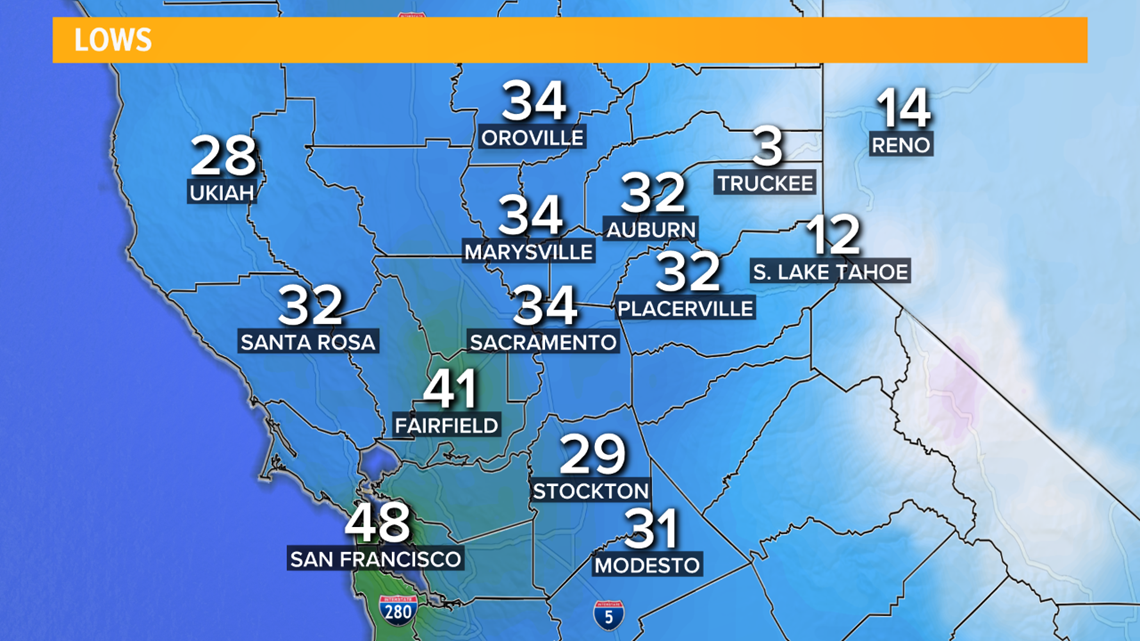
Venture eastward from the coast, and the climate narrative shifts dramatically. The vast Central Valley, home to fertile agricultural lands, experiences hot, dry summers where temperatures can soar well into the 90s°F (30s°C) and even exceed 100°F (38°C). However, its winters are considerably cooler than the coast, often accompanied by dense fog, known as “Tule fog,” and nighttime temperatures that can dip to freezing or just below. Further east, California’s deserts, including areas like Palm Springs and Death Valley, are renowned for their scorching summers. Yet, the desert environment is also characterized by significant diurnal temperature swings. Winter nights in these regions can be surprisingly cold, often dropping into the 30s°F (0-4°C) or even below freezing, despite pleasant daytime warmth. Travelers often underestimate this desert chill, arriving unprepared for the sharp drop in temperature after sunset.
The Majestic Mountains: True Winter Wonderland
For those seeking genuinely cold weather and snow, California’s formidable mountain ranges deliver in spades. The Sierra Nevada, running along the eastern side of the state, is a prime example. Destinations like Lake Tahoe, Mammoth Lakes, and the high country of Yosemite National Park receive prodigious amounts of snowfall, making them world-class destinations for winter sports. Here, sub-freezing temperatures are the norm throughout winter, with days often staying below freezing and nights plummeting well into the single digits or even below 0°F (-18°C). Even modest mountain ranges closer to the coast, like the San Gabriel Mountains near Los Angeles, can see significant snowfall during colder storms, offering a stark contrast to the mild conditions just a short drive away. This is where California definitively gets “cold,” providing a haven for those who love crisp air, snow-covered landscapes, and winter adventure.
Seasonal Variations and What to Expect
Understanding the general climatic zones is helpful, but knowing how they evolve through the seasons is crucial for planning any California travel. Each season offers a distinct experience, shaped by the state’s diverse geography.
Winter (December-February)
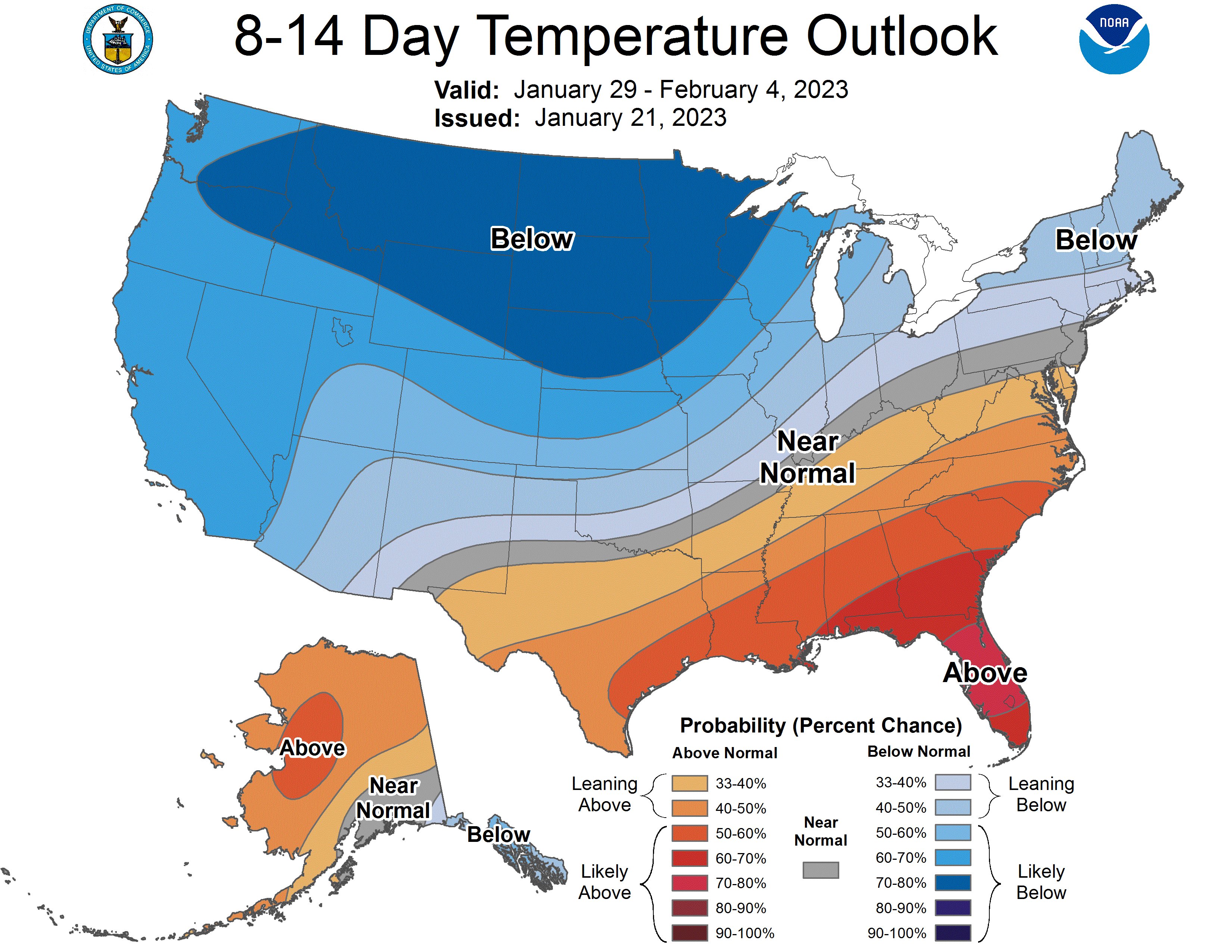
This is when the “cold” question truly comes into play. Along the coast, winter is mild, often rainy, and generally pleasant. Daytime highs typically range from the low 60s°F (15-18°C), with nights in the 40s°F (4-9°C). Inland valleys are cooler, foggier, and can experience occasional freezes. However, the mountains transform into true winter wonderlands. Ski resorts like Squaw Valley Alpine Meadows and Heavenly Mountain Resort are in full swing, with heavy snowfall and consistent sub-freezing temperatures. This is the ideal time for skiing, snowboarding, and enjoying cozy cabin retreats.
Spring (March-May)
Spring brings a general warming trend across the state. Wildflowers bloom in abundance, especially after a wet winter, transforming hillsides and desert landscapes. Coastal areas become increasingly sunny and pleasant, with comfortable temperatures. The mountains begin their thaw, though higher elevations retain significant snowpack, allowing for spring skiing well into May or even June in some years. This shoulder season offers some of the most pleasant weather for hiking and exploring, before the intense summer heat sets in.
Summer (June-August)
California’s summers are famously dry and sunny. Coastal regions remain relatively mild, often experiencing the phenomenon known as “June Gloom” or “May Gray” in Southern California, where mornings are overcast before burning off to clear afternoons. Inland valleys and deserts become very hot, making early mornings and evenings the best times for outdoor activities. The mountains, conversely, offer a respite from the heat, with warm days and refreshingly cool nights, perfect for camping and high-altitude hiking. While the coast might feel cool, true cold is almost non-existent during summer.
Autumn (September-November)
Often cited as the best time to visit California, autumn brings warm, clear days and cooler, crisp nights. The infamous coastal fog lessens, offering consistently sunny weather. The intense heat of the inland valleys begins to recede, making exploration more comfortable. In the mountains, aspens and other deciduous trees burst into vibrant fall foliage, contrasting beautifully with the evergreens, while temperatures remain pleasant for hiking before the first snows of winter arrive. It’s a season of transition, showcasing California’s diverse beauty before the full onset of winter’s cold.
Preparing for California’s Climates: Packing Essentials
Given the state’s extreme climatic variations, smart packing is less about “cold or no cold” and more about layering and adaptability. Travelers often make the mistake of packing for one specific climate and finding themselves unprepared just a few miles or hours away.
Layering is Key
Regardless of the season or destination within California, layering is the most crucial packing strategy. A light t-shirt or base layer, a long-sleeved shirt or light sweater, and a versatile, water-resistant jacket are often sufficient for coastal and valley regions for most of the year. This allows for easy adjustment to fluctuating temperatures, especially when moving from sun to shade, day to night, or between different microclimates. Even a seemingly warm day can turn chilly once the sun sets, particularly closer to the ocean.
Specific Regional Needs
For a coastal trip, a windbreaker and a light jacket are essential, even in summer. If heading to the desert, sun protection (hat, sunglasses, high-SPF sunscreen) is paramount, but remember to pack warmer layers for surprisingly cold evenings, especially from autumn through spring. For mountain excursions, especially in winter, serious cold-weather gear is non-negotiable: waterproof and insulated outerwear, thermal base layers, hats, gloves, and waterproof hiking or snow boots. Even in summer, evenings at higher elevations require a warm jacket.
Year-Round Considerations
Beyond clothing, remember year-round essentials. Sunscreen is always a must, given California’s generally abundant sunshine. Hydration is also critical, particularly in arid inland and mountain environments. Comfortable walking shoes are a universal necessity, whether exploring city streets, national parks like Sequoia National Park, or hiking trails.
Experiencing Cold in California: Beyond the Beach
While many visit California for its sunshine, experiencing its colder side offers unique and memorable travel opportunities that defy the state’s popular image.
Winter Sports and Activities
California’s mountains are a winter sports paradise. The Sierra Nevada is home to numerous ski resorts offering downhill skiing, snowboarding, cross-country skiing, and snowshoeing. From world-renowned resorts around Lake Tahoe to the slopes of Mammoth Mountain, there are options for all skill levels. Beyond the resorts, the national forests and parks offer vast expanses for backcountry adventures, though these require proper planning and safety equipment. Cozy up in a mountain cabin with a roaring fireplace after a day on the slopes, and you’ll experience a side of California far removed from its coastal warmth.
Unique Cold Weather Experiences
The cold in California isn’t just about snow. Crisp, clear winter days on the coast can offer stunning ocean views without the summer crowds, and a brisk walk on a beach like Santa Monica Beach with the waves crashing can be incredibly invigorating. Desert nights, while cold, offer some of the most spectacular stargazing opportunities imaginable, far from city light pollution. Even visiting iconic natural landmarks like Yosemite Valley in winter, draped in snow, offers a profound sense of solitude and beauty that contrasts sharply with its bustling summer months. Frozen waterfalls and snow-capped granite domes create an otherworldly landscape photographers dream of.

The Myth vs. Reality: Why the Question Arises
The persistent question, “Does it get cold in California?”, often stems from a pervasive media portrayal and cultural image that heavily emphasizes the state’s warm, sunny coastal regions. Think Hollywood glamour, surf culture, and endless summer vibes. These images, while true for specific areas and times, overshadow the vast geographical and climatic diversity that truly defines California. Travelers, often planning their trips based on these popular stereotypes, can be genuinely surprised by a chilly evening in San Francisco in July or the freezing desert nights near Joshua Tree National Park in winter. The reality is that California offers a full spectrum of weather, from intensely hot to genuinely cold, and embracing this complexity allows for a richer, more authentic travel experience.
LifeOutOfTheBox is a participant in the Amazon Services LLC Associates Program, an affiliate advertising program designed to provide a means for sites to earn advertising fees by advertising and linking to Amazon.com. Amazon, the Amazon logo, AmazonSupply, and the AmazonSupply logo are trademarks of Amazon.com, Inc. or its affiliates. As an Amazon Associate we earn affiliate commissions from qualifying purchases.