
Understanding the temperature in Maine is a critical first step for any traveler planning a visit to this captivating New England state. Far from being a monolithic climate, Maine experiences distinct seasons, each offering a unique set of experiences and influencing what you’ll pack, what activities you can enjoy, and how you’ll navigate its diverse landscapes. From the rugged Atlantic coastline to the vast inland forests, temperature plays a pivotal role in shaping the Maine travel experience. This guide delves into the typical temperature ranges, seasonal variations, and how these factors can impact your journey, ensuring you’re well-prepared for the climate you’ll encounter.

Seasonal Temperature Trends in Maine
Maine’s climate is characterized by four pronounced seasons, each with its own signature temperature profile. These variations are not merely academic; they dictate the types of natural beauty you’ll witness and the outdoor pursuits available to you.
Spring: A Gradual Awakening (March – May)
Spring in Maine is a season of transition, marked by a gradual warming trend after a long winter. The early part of spring, particularly March, can still feel quite wintry, with average high temperatures hovering around 40°F (4°C) and overnight lows often dipping below freezing. Snowmelt is a prominent feature, and while skiing may still be possible in some higher elevations, it’s rapidly giving way to the emergence of spring flora.
As April progresses, temperatures begin to climb more noticeably. Highs typically reach the mid-50s°F (around 13°C), and while frost is still possible, it becomes less frequent. This is a period of awakening for the state’s natural beauty, with buds appearing on trees and the first wildflowers starting to bloom. However, the Atlantic Ocean remains quite cold, making coastal swims unappealing for most.
May generally ushers in milder weather, with average high temperatures in the 60s°F (15-20°C). Overnight lows are usually comfortably above freezing, often in the 40s°F (4-9°C). This is an ideal time for exploring Maine’s charming towns and scenic drives before the peak summer crowds arrive. Rainfall can be frequent during the spring months, so packing layers and waterproof gear is advisable. The variable nature of spring weather means that while you might enjoy sunny days, you should also be prepared for cooler temperatures and occasional rain showers.
Summer: Warm and Inviting (June – August)
Summer is Maine’s most popular season for tourism, and for good reason. The temperatures are generally warm and pleasant, making it perfect for outdoor adventures and enjoying the state’s extensive coastline. June typically sees average high temperatures in the comfortable 70s°F (21-26°C), with evenings cooling down to the 50s°F (10-15°C). This month offers a sweet spot before the humidity and peak heat of July and August.
July and August are the warmest months, with average highs frequently reaching the high 70s to low 80s°F (26-29°C). Heatwaves can occur, pushing temperatures into the 90s°F (32°C+), especially inland. However, the coastal breezes often provide a welcome respite from the heat, particularly in areas like Acadia National Park or along the York coastline. Overnight lows usually settle into the 60s°F (15-20°C), making for pleasant evenings.
While summer offers the most consistent warm weather, it’s important to note that the ocean, even in August, remains bracingly cold, typically in the low 60s°F (around 16°C). This is ideal for those seeking a refreshing dip but may be too cool for extended swimming for some. Humidity can be a factor, especially during July and August, so light, breathable clothing is essential. This is prime time for exploring attractions like the Northeast Harbor, enjoying lobster bakes, and hiking through the lush forests.
Autumn: A Tapestry of Color and Crisp Air (September – November)
Autumn in Maine is arguably its most visually spectacular season, renowned for its breathtaking fall foliage. The temperatures begin to cool down, offering crisp, invigorating air that is perfect for outdoor activities. September still retains some of the summer warmth, with average highs in the 70s°F (21-26°C) and comfortable evenings. The foliage typically begins to change in late September and peaks in early to mid-October, depending on the region and specific year.
As October arrives, temperatures drop noticeably. Average high temperatures fall into the 60s°F (15-20°C), and overnight lows can dip into the 40s°F (4-9°C). This is prime time for leaf-peeping tours, apple picking, and visiting charming villages dressed in their autumnal splendor. Frost becomes more common, and the first significant snowfall is a possibility by late November in the northern parts of the state.
November signals the true transition to winter. High temperatures often struggle to reach the 50s°F (10-15°C), and lows can easily fall below freezing, especially as the month progresses. The vibrant foliage has largely fallen, and the landscape takes on a more muted, stark beauty. Many coastal attractions and seasonal businesses begin to close down for the winter. While it’s still possible to enjoy some outdoor activities, warm clothing, including hats, gloves, and sturdy footwear, is a necessity. The air becomes increasingly brisk, and the days grow shorter.
Winter: A Season of Snow and Frost (December – February)
Winter in Maine is defined by cold temperatures, snow, and ice. December marks the official start of winter, with average high temperatures typically in the 30s°F (0-4°C) and overnight lows often falling into the teens°F (-12 to -6°C). Snowfall becomes common, blanketing the landscape and creating opportunities for winter sports.
January and February are generally the coldest months. Average high temperatures often remain in the 20s°F (-6 to -1°C), while lows can plummet to single digits°F (-18 to -12°C) or even colder, especially during cold snaps. Wind chill factors can make the perceived temperature significantly lower. Snowfall is abundant, particularly in the northern and western parts of the state, making Maine a popular destination for skiing, snowboarding, snowshoeing, and ice fishing.
Coastal areas may experience slightly milder temperatures due to the moderating influence of the ocean, but they are still very cold. Ice often forms on lakes and rivers, and coastal waters can freeze near the shore. It’s crucial for visitors during winter to be prepared for extreme cold. Heavy, insulated clothing, waterproof boots, and layers are non-negotiable. The dramatic, snow-covered landscapes offer a unique beauty, but accessibility can be affected by snow and ice. Despite the chill, winter in Maine offers a distinct set of experiences, from cozying up by a fireplace to enjoying the pristine, snow-covered wilderness.
Regional Temperature Variations Within Maine
Maine’s size and diverse topography mean that temperatures can vary significantly across different regions of the state, even on the same day. Understanding these regional differences can help you tailor your travel plans more effectively.
Coastal Maine
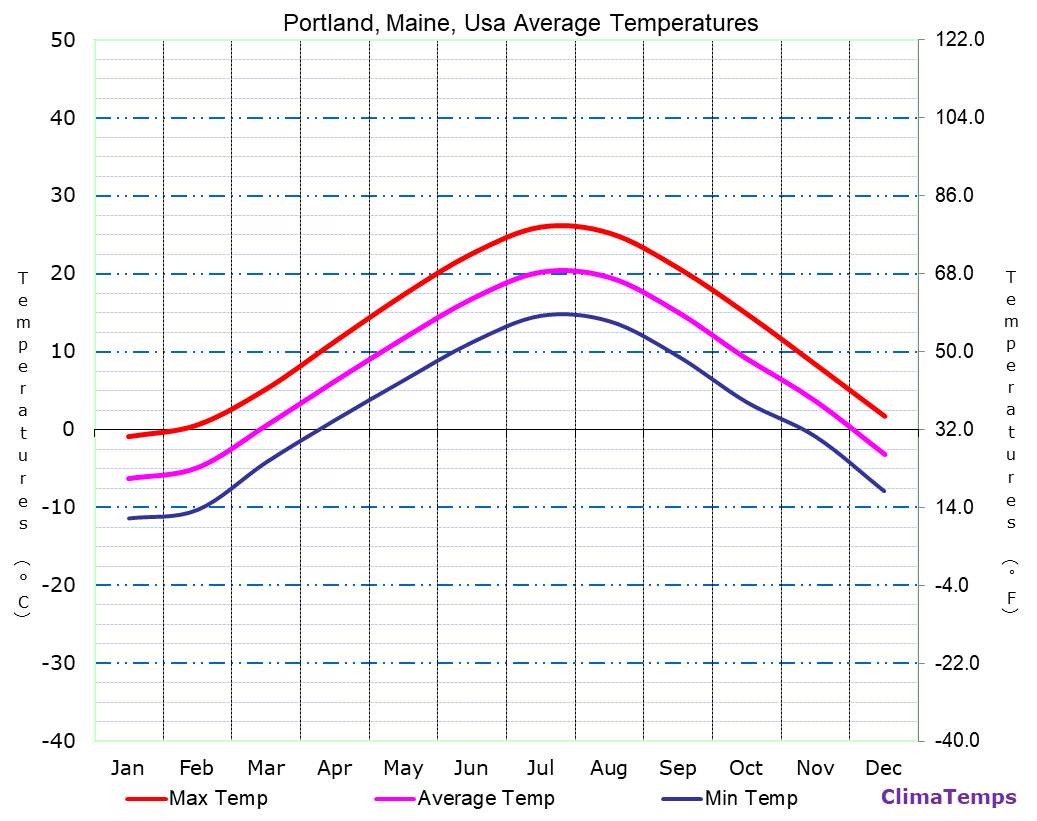
The coast of Maine, stretching from Kittery in the south to the Quoddy Head State Park in the east, benefits from the moderating influence of the Atlantic Ocean. Summers are generally cooler and less humid here than inland, with refreshing sea breezes keeping temperatures pleasant. Highs in July and August typically range from the mid-70s to low 80s°F (24-28°C), but the ocean’s presence often makes it feel cooler. Winters are also milder compared to inland Maine, with less extreme cold and snowfall, though coastal storms can bring significant winter weather. Spring and autumn are marked by lingering coolness from the ocean, with fog being a common occurrence, especially in the spring and early summer. Destinations like Portland, Rockland, and Bar Harbor experience these coastal climate patterns.
Inland Maine
Inland Maine, including regions like the Maine Highlands and the North Woods, experiences a more continental climate. This means greater temperature extremes. Summers here tend to be hotter and more humid than on the coast, with frequent days reaching into the 80s°F (27-32°C) and occasionally the 90s°F (32-37°C). Winters, conversely, are significantly colder and snowier than along the coast. Snowfall is more consistent and plentiful, making this region a prime destination for winter sports. Spring and autumn are characterized by more rapid temperature shifts. While coastal areas might still be cool in May, inland locations can already be experiencing warm, summery days. Similarly, by October, inland areas will feel the chill of autumn more keenly than the coast. Cities like Bangor and towns in the interior will experience these more pronounced seasonal differences.
Northern Maine
Northern Maine, including Aroostook County, generally experiences the coldest temperatures and the most severe winters. Due to its higher latitude and distance from the moderating ocean influence, summers are shorter and cooler than in the southern parts of the state, with highs typically in the high 70s°F (25-26°C). However, winters are long and harsh, with average temperatures consistently below freezing and substantial snow accumulation. This region is known for its extended periods of deep cold and heavy snow cover, making it an ideal location for experiencing a classic, robust New England winter. Towns like Caribou and Presque Isle are representative of this colder climate.
Factors Influencing Maine’s Temperature
Several factors contribute to the unique temperature profile of Maine, shaping its climate and influencing the visitor experience.
Latitude and Proximity to the Ocean
As a state located in the northeastern United States, Maine’s latitude plays a significant role in its seasonal temperature variations, contributing to the distinctness of its four seasons. Its extensive coastline along the Atlantic Ocean is a powerful moderating influence. The ocean’s vast thermal mass heats up slowly in the spring and summer, keeping coastal temperatures cooler than inland areas. In the autumn and winter, the ocean releases its stored heat more slowly, making coastal regions milder than their inland counterparts. This maritime influence is responsible for the often-foggy conditions along the coast, particularly in late spring and early summer, which can also temper daytime high temperatures.
Elevation and Topography
Maine’s topography varies from sea level along the coast to higher elevations in its interior and western regions, such as the Appalachian Mountains. Higher elevations are consistently cooler than lower elevations. This means that mountainous areas, like those found in western Maine or near Baxter State Park, will experience lower temperatures, especially at night, and may retain snowpack longer into the spring. The presence of hills and valleys can also create microclimates, with certain areas being more sheltered from winds or retaining heat differently. For example, sheltered valleys might experience warmer nights, while exposed ridges will be colder.
Prevailing Winds and Weather Systems
Maine’s weather is largely influenced by prevailing winds and the passage of various weather systems from the west and north, and occasionally from the Atlantic. Cold air masses from Canada frequently sweep down into Maine during the winter, bringing frigid temperatures and snow. During the summer, warm, humid air masses from the south can bring heatwaves. The interaction of these air masses, particularly along the coast, can lead to dynamic weather patterns, including nor’easters in the winter that can bring significant snowfall and strong winds, and thunderstorms in the summer. Understanding these patterns is key to predicting short-term temperature fluctuations.
Planning Your Visit Based on Temperature
The temperature in Maine should be a primary consideration when planning your itinerary. By aligning your visit with your desired climate and activities, you can maximize your enjoyment of this beautiful state.
Choosing the Right Season for Your Activities
If your priority is swimming, sunbathing, and water sports, the summer months of July and August offer the warmest air temperatures, though the ocean remains cool. For hiking, scenic drives, and experiencing the vibrant fall foliage, September and October are ideal, with crisp air and stunning colors. Winter offers a starkly beautiful landscape and ample opportunities for snow-based activities like skiing at resorts such as Sugarloaf or Sunday River. Spring is a time of transition, perfect for those who enjoy fewer crowds and witnessing nature’s reawakening, though weather can be unpredictable.

Packing Essentials Based on the Forecast
Regardless of the season, packing layers is always a wise strategy for visiting Maine.
- Spring: Pack waterproof and windproof outer layers, sweaters, long-sleeved shirts, and comfortable walking shoes. Be prepared for fluctuating temperatures and rain.
- Summer: Light, breathable clothing, shorts, t-shirts, and a light jacket or sweater for cooler evenings are essential. Don’t forget swimwear for the brave, and sunscreen.
- Autumn: Layers are crucial. Bring sweaters, fleece jackets, long pants, and a warm, waterproof jacket. Comfortable hiking boots are a must for exploring fall foliage trails.
- Winter: Heavy, insulated, waterproof outer gear, thermal base layers, warm hats, gloves, scarves, and insulated, waterproof boots are absolutely essential for staying warm and safe in sub-freezing temperatures.
Always check the specific weather forecast for the regions you plan to visit shortly before your departure, as microclimates and unexpected weather shifts can occur. Understanding the typical temperature ranges for each season and region will empower you to pack appropriately and plan a memorable trip to the diverse and beautiful state of Maine.
LifeOutOfTheBox is a participant in the Amazon Services LLC Associates Program, an affiliate advertising program designed to provide a means for sites to earn advertising fees by advertising and linking to Amazon.com. Amazon, the Amazon logo, AmazonSupply, and the AmazonSupply logo are trademarks of Amazon.com, Inc. or its affiliates. As an Amazon Associate we earn affiliate commissions from qualifying purchases.