
Florida, widely celebrated as the “Sunshine State,” conjures images of endless summer, sun-drenched beaches, and perpetual warmth. For many prospective travelers, the very idea of cold weather in Florida seems almost contradictory to its established identity. Yet, the truth is more nuanced than the popular perception suggests. While Florida certainly enjoys an enviable climate characterized by ample sunshine and relatively high temperatures year-round, it is not immune to colder conditions, particularly during its winter months. Understanding the reality of Florida’s climate is crucial for planning your perfect trip, ensuring you pack appropriately and choose activities suited to the actual weather you’ll encounter. This guide will delve into the seasonal and geographical variations that influence Florida’s temperatures, helping you prepare for a comfortable and enjoyable travel experience, no matter when or where you decide to explore this diverse state.
Unpacking Florida’s “Sunshine State” Reputation
The moniker “Sunshine State” is well-earned, reflecting Florida’s abundant sunny days and agreeable temperatures for much of the year. This reputation, however, often leads to a common misconception: that the state is uniformly hot or warm at all times. For travelers accustomed to colder climates, the idea of a winter escape to Florida typically involves shedding layers and embracing tropical warmth. While this is often the case, particularly in the state’s southern reaches, the definition of “cold” can be subjective and vary significantly depending on your point of origin and your specific destination within Florida.
The Myth of Perpetual Summer
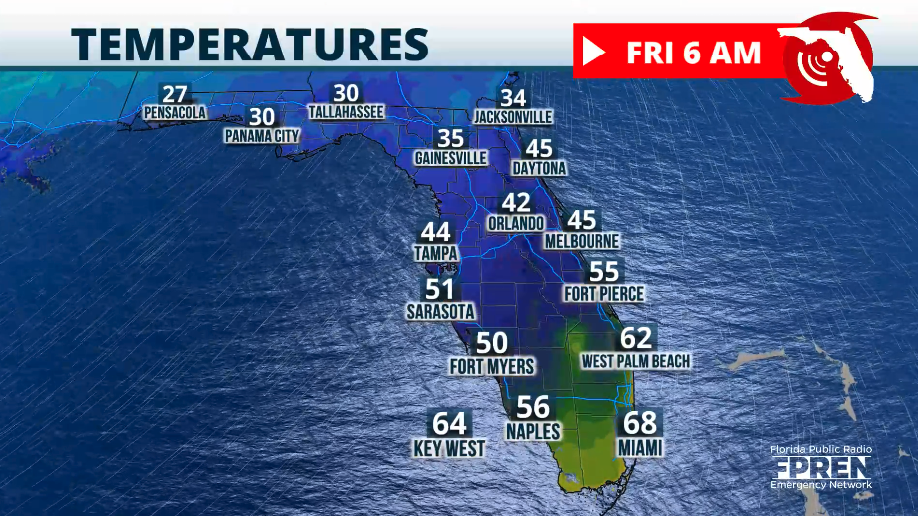
Many visitors arrive in Florida expecting consistently high temperatures, even in December or January. While regions like Miami or the Florida Keys often deliver on this promise, the reality for other parts of the state can be quite different. Cold fronts originating from the north can sweep down across the peninsula, bringing noticeable drops in temperature, especially during the late fall and winter months. These fronts, while typically short-lived, can transform a balmy day into a surprisingly chilly one, particularly in areas further north. The expectation of perpetual summer can catch unprepared travelers off guard, leading to discomfort if they haven’t packed versatile clothing options.
Defining “Cold” in a Subtropical Climate
What constitutes “cold” in Florida is highly relative. For a resident of Minnesota or Canada, a day in the 50s Fahrenheit (10-15°C) might feel refreshingly mild. For a Floridian, or someone from a genuinely tropical climate, this could be considered quite cold. In Florida, temperatures rarely dip below freezing for extended periods, and snow is an exceptionally rare event, mostly confined to the very northern panhandle. However, temperatures in the 30s and 40s Fahrenheit (0-10°C) can occur, especially overnight and in the mornings, during the coldest parts of winter. Days in the 50s and low 60s Fahrenheit (10-18°C) are considered “cold” by local standards and can feel quite brisk, especially with any accompanying wind or humidity, making beach activities less appealing and prompting the need for jackets.
Seasonal Temperature Dynamics Across the Sunshine State
Florida’s climate is officially classified as subtropical in the north and central regions, transitioning to tropical in the southern tip, including the Florida Keys. This geographical positioning results in distinct seasonal temperature patterns that travelers should be aware of.
Winter’s Mild Embrace (December – February)
Winter is when Florida experiences its lowest temperatures. While still considerably warmer than most of North America, it’s not uncommon for parts of the state to experience daytime highs in the 60s Fahrenheit (15-20°C) and nighttime lows in the 40s or 50s Fahrenheit (5-15°C). Occasional cold snaps can push temperatures even lower, sometimes into the 30s Fahrenheit (0-5°C) for brief periods, particularly in northern and central Florida. These colder spells are usually followed by a quick return to milder conditions within a few days. The air during winter is typically drier and less humid than in summer, making even cooler temperatures feel more tolerable and often quite pleasant, especially under clear, sunny skies. This season is often considered peak tourist season for those seeking an escape from harsh northern winters, with Orlando‘s theme parks and South Florida‘s beaches bustling.
The Delightful Spring and Autumn (March – May, September – November)
Spring and autumn represent Florida’s sweet spot for weather. These transitional seasons offer some of the most comfortable and predictable temperatures, making them ideal for travel.
- Spring (March – May): As winter recedes, temperatures steadily climb. March and April are typically very pleasant, with average daytime highs ranging from the low 70s to low 80s Fahrenheit (20-28°C) across much of the state, and comfortable overnight lows. Humidity levels remain relatively low, and rainfall is usually infrequent. This period is perfect for outdoor activities, beach visits, and exploring attractions without the intense heat of summer.
- Autumn (September – November): Following the heat and humidity of summer, autumn brings a welcome cool-down. September still feels very much like summer, but by October and especially November, temperatures become increasingly comfortable. Daytime highs settle into the 70s and 80s Fahrenheit (20-30°C), with lower humidity and fewer afternoon thunderstorms. This season offers a fantastic balance of warmth and comfort, ideal for those who prefer moderate temperatures over intense heat. It’s also outside the busiest parts of peak season, potentially offering better deals on flights and accommodations.
Summer’s Tropical Heat (June – August)
Summer in Florida is undeniably hot and humid. Temperatures consistently reach the high 80s and low 90s Fahrenheit (30-35°C), often feeling even hotter due to high humidity levels. This season is characterized by daily afternoon thunderstorms, which are usually brief but intense, offering a temporary reprieve from the heat. While the water temperatures are perfect for swimming, and aquatic activities are popular, the pervasive heat can make extended outdoor excursions challenging. For those who find intense heat uncomfortable, summer might be a less ideal time to visit, especially if planning extensive theme park hopping or hiking.
Geographic Nuances: North, Central, and South Florida
Florida is a long state, stretching over 400 miles from its northern border to its southern tip. This considerable north-south expanse means there are significant climatic differences within the state, particularly when it comes to experiencing colder weather.
Northern Florida’s Cooler Winters (Jacksonville to Tallahassee)
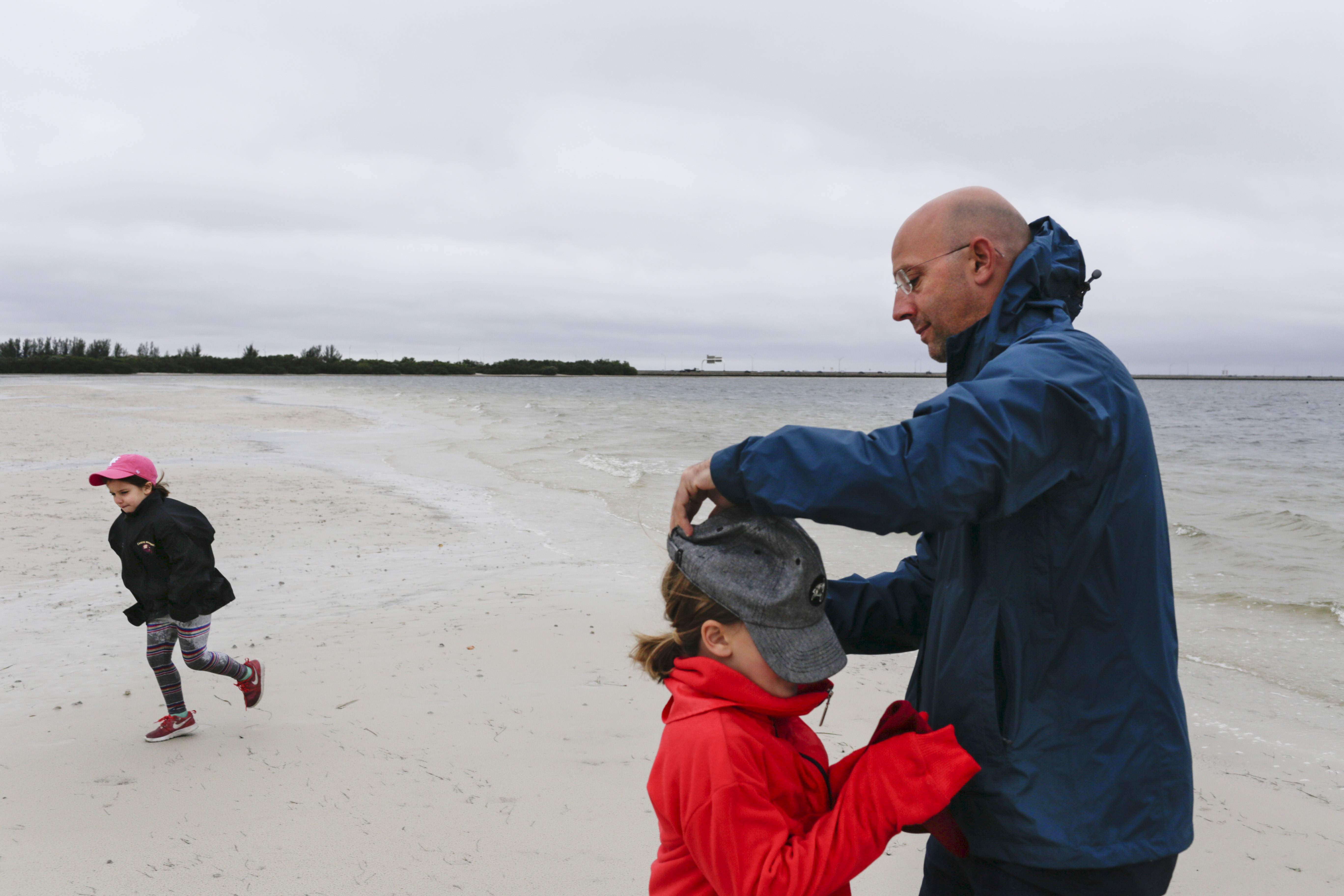
The northern region of Florida, encompassing cities like Jacksonville, Gainesville, and the state capital Tallahassee, is most susceptible to cold fronts. Its proximity to cooler air masses from the U.S. mainland means winters here can feel distinctly different from those further south. While snow is rare, temperatures can dip into the freezing range (32°F / 0°C) more frequently overnight during December, January, and February. Daytime highs often hover in the 50s and 60s Fahrenheit (10-20°C). Travelers visiting northern Florida in winter should be prepared for genuinely chilly days, requiring jackets, sweaters, and even hats and gloves, especially for early mornings or evenings. Attractions here include state parks, historical sites, and college towns, which are often best enjoyed when the weather is not too hot.
Central Florida’s Balanced Climate (Orlando, Tampa)
Central Florida, home to major tourist hubs like Orlando (Walt Disney World Resort, Universal Orlando Resort) and Tampa (Busch Gardens), offers a transitional climate. Winters are milder than in the north but still experience cold snaps. Average winter daytime temperatures typically range from the low 60s to low 70s Fahrenheit (16-22°C), with overnight lows often in the 40s or 50s Fahrenheit (5-15°C). While rarely freezing, a heavy jacket might be welcome on a particularly brisk day, especially when waiting in line at theme parks or enjoying evening entertainment. The colder weather can sometimes impact water park operations, which may close or have limited hours during chilly periods. Spring and fall in central Florida are exceptionally pleasant, making these popular times for theme park visits.
South Florida’s Tropical Warmth (Miami, Florida Keys)
South Florida, including vibrant cities like Miami, Fort Lauderdale, and the unique archipelago of the Florida Keys, lives up most closely to the “perpetual summer” image. This region has a truly tropical climate, with winters that are decidedly warm. Daytime highs in winter rarely dip below the high 60s Fahrenheit (20°C) and often reach the low to mid-70s (22-25°C). Overnight lows are typically in the 60s Fahrenheit (15-20°C). While a very strong cold front can bring temperatures down to the 50s Fahrenheit (10-15°C) for a day or two, these occurrences are infrequent and fleeting. For travelers seeking guaranteed warmth and beach weather even in January, South Florida is the most reliable choice. Beach activities, boating, and outdoor dining are comfortable year-round.
Preparing for Florida’s Varied Forecasts
Given Florida’s climatic diversity, thoughtful preparation is paramount for any traveler. The key is to be adaptable and informed.
What to Pack: Layering is Key
Regardless of the season, layering is the most effective strategy for packing for a Florida trip.
- Winter Travel: Don’t just pack shorts and swimsuits. Bring light jackets, sweaters, long-sleeved shirts, and even a pair of jeans or long pants. A warm hat might be useful for very cold mornings or evenings, especially in northern or central [Florida](https://lifeoutofthebox.com/florida]. While you’ll still likely wear shorts and t-shirts on many days, having warmer options will ensure comfort during unexpected cold snaps or cooler evenings.
- Spring/Fall Travel: These seasons are ideal for light layers. Think t-shirts, light long-sleeved tops, and a versatile light jacket or cardigan. You might need a heavier layer for very early mornings or late evenings in early spring or late fall, particularly inland.
- Summer Travel: Focus on breathable, moisture-wicking fabrics. Light shorts, t-shirts, and swimwear are essential. A light rain jacket or umbrella is also a good idea for afternoon thunderstorms, but heavier jackets are entirely unnecessary.
Best Times to Visit Based on Temperature Preference
- For Warmth Seekers (Guaranteed Beach Weather): Late spring (late April/May) or early fall (late September/October) offer comfortable heat without the extreme humidity and daily rain of summer. For winter beach days, South Florida (December-February) is your best bet.
- For Mild & Pleasant Temperatures: Spring (March-April) and late fall (late October-November) across central and northern Florida provide ideal conditions for outdoor activities, theme park visits, and exploring natural attractions.
- For Cooler Weather Enthusiasts (or Escaping Summer Heat): Winter (December-February) in northern or central Florida will offer the coolest temperatures, suitable for those who prefer brisk air for hiking, golf, or simply enjoying the crisp, dry air.
Adapting Your Travel Itinerary
Understanding the potential for cooler weather allows for smarter itinerary planning. If visiting central Florida in winter, be aware that theme park attendance can still be high, but early mornings and evenings can be chilly. Plan indoor attractions or warm meals for these times. For beach destinations, always check the local forecast a few days before and during your trip. If a cold front is expected, pivot to exploring museums, aquariums, shopping districts, or scenic drives instead of exclusively planning beach days. For example, a visit to the Kennedy Space Center Visitor Complex on a cooler day could be more comfortable than a day at the beach in Cocoa Beach.
Beyond the Thermometer: Understanding Florida’s Climate for Travelers
Beyond the actual numbers on a thermometer, other climatic factors play a significant role in how “cold” a day in Florida can feel.
The Role of Humidity and Wind Chill
Humidity, which is omnipresent in Florida for much of the year, usually makes hot days feel hotter. However, in cooler temperatures, high humidity can make chilly days feel even colder by penetrating clothing and making the air feel damp. Similarly, wind chill can significantly lower the perceived temperature. A 50-degree Fahrenheit (10°C) day with a brisk wind can feel much colder, especially if you’re exposed on a boat or at a waterfront attraction. Travelers often underestimate the impact of wind and humidity on cooler Florida days, making a seemingly mild forecast feel quite uncomfortable without adequate wind-breaking layers.

Unexpected Weather Events
While tropical storms and hurricanes are primarily a concern during the summer and early fall, Florida can also experience unexpected cold weather events. Rare “hard freezes” can occur, especially in northern Florida, where temperatures remain below freezing for several hours. While these are infrequent and typically well-forecasted, they underscore the need for travelers to monitor local weather reports. Such events can occasionally lead to temporary closures of attractions that are sensitive to cold, such as water parks or botanical gardens, but these are exceptions rather than the norm.
In conclusion, while Florida maintains its status as a premier warm-weather destination, it is important for travelers to acknowledge that “cold” is a relative term that certainly applies to parts of the state at certain times of the year. By understanding the seasonal variations and geographical differences, and by packing intelligently with versatile layers, you can ensure your Florida adventure is comfortable, enjoyable, and perfectly suited to the conditions you encounter, allowing you to fully appreciate everything the Sunshine State has to offer, from its sun-drenched beaches to its vibrant cities and natural wonders.
LifeOutOfTheBox is a participant in the Amazon Services LLC Associates Program, an affiliate advertising program designed to provide a means for sites to earn advertising fees by advertising and linking to Amazon.com. Amazon, the Amazon logo, AmazonSupply, and the AmazonSupply logo are trademarks of Amazon.com, Inc. or its affiliates. As an Amazon Associate we earn affiliate commissions from qualifying purchases.