
Alaska, often envisioned as a land of perpetual ice and snow, presents a surprisingly diverse climatic reality that frequently challenges conventional expectations. For travelers contemplating a visit to the Last Frontier, the question of “warmth” is paramount, and the answer is far more nuanced than a simple yes or no. While vast swathes of Alaska experience truly frigid winters, the summer months transform much of the state into a surprisingly mild, and sometimes even hot, destination, offering a stark contrast to its icy reputation. Understanding these seasonal shifts and regional variations is key to planning an unforgettable Alaskan adventure that aligns with your temperature preferences.
Dispelling the Winter Myth: Alaska’s Diverse Climate
The sheer size of Alaska—it’s more than twice the size of Texas—means that a single climate description is woefully inadequate. From the temperate rainforests of its panhandle to the arid interior and the frozen tundra of the Arctic North, Alaska encompasses several distinct climate zones, each with its own definition of what “warm” entails. While images of snow-capped peaks and glaciers are undeniably accurate for much of the year, they do not tell the full story of the state’s vibrant summers.
A Land of Extremes and Nuances
To truly grasp Alaska’s climate, one must appreciate its geographical diversity. Coastal regions, influenced by the warming effects of the Pacific Ocean, experience milder temperatures year-round with higher precipitation. The vast interior, buffered from oceanic influence, exhibits a more continental climate with dramatic temperature swings, leading to colder winters and significantly warmer, sometimes hot, summers. Further north, the Arctic climate is defined by permafrost and perpetually cool conditions, even in the height of summer. This intricate mosaic means that “warm” is not only a relative term but also a geographically specific one within Alaska.
Summer’s Unexpected Embrace
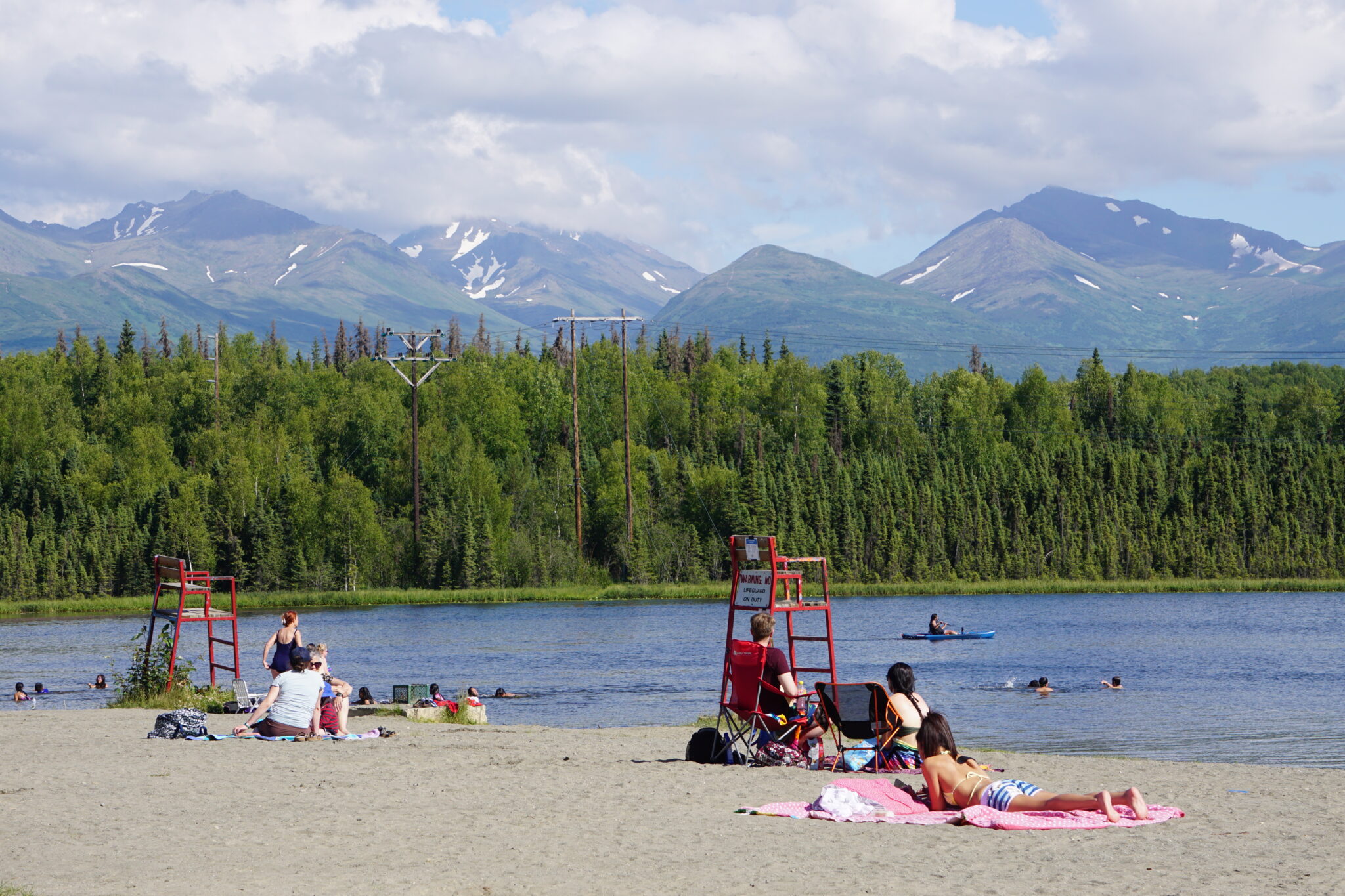
The period from June through August marks Alaska’s prime tourist season, precisely because this is when the state experiences its warmest temperatures and most extended daylight hours. During these months, the sun barely dips below the horizon in many areas, creating the phenomenon of the “midnight sun.” This abundance of daylight doesn’t just make the days feel longer; it directly contributes to the warming of the land, allowing temperatures to climb to comfortable, and sometimes surprising, levels. Travelers during this time can expect average daytime highs in the 60s and 70s Fahrenheit across much of the state’s accessible regions, with certain interior locations regularly exceeding these figures. This period is when Alaska sheds its icy façade and invites visitors to explore its landscapes in relative comfort, engaging in a wide array of outdoor activities.
Summer Temperatures Across Alaskan Regions
Understanding specific regional temperatures is crucial for planning your summer itinerary and packing appropriately. While generally “warm,” each area offers a unique thermal experience.
The Southcentral Coast: Anchorage and Beyond
The Southcentral region, home to Alaska’s largest city, Anchorage, enjoys a relatively mild summer. Influenced by the nearby Pacific Ocean, temperatures here are rarely extreme. Expect average daytime highs ranging from the mid-60s to low 70s Fahrenheit (18-23°C) during July, with occasional forays into the upper 70s. Nights are typically cool, often dipping into the 50s Fahrenheit, making for comfortable sleeping. This climate is ideal for exploring Anchorage’s vibrant urban scene, hiking trails in the majestic Chugach Mountains right outside the city, or embarking on day trips to coastal towns like Seward and Girdwood. The region is also the gateway to the stunning glaciers and marine wildlife of Kenai Fjords National Park, where boat tours are popular. While pleasant, a light jacket or fleece is always advisable for evenings or cloudy days, and a waterproof layer is a good precaution against light rain.
The Interior: Fairbanks and the Alaskan Wild
For those seeking genuinely warm Alaskan temperatures, the Interior region, centered around Fairbanks, is the place to be. Due to its continental climate, Fairbanks experiences the most dramatic seasonal temperature swings. Summers here are distinctly warmer and often drier than the coastal areas, with average daytime highs frequently reaching the 70s Fahrenheit (21-26°C) and not uncommonly climbing into the 80s (27-32°C). On rare occasions, temperatures can even touch the low 90s (32-34°C), offering a surprisingly hot Alaskan experience. However, nights cool down significantly, sometimes into the 40s Fahrenheit, providing a welcome respite from the long sunny days. The Interior is the perfect base for exploring Denali National Park and its towering peak, or enjoying the long daylight hours with activities like panning for gold in Goldstream Valley or taking riverboat cruises. While daytime clothing can be lighter here, evening layers are still essential.
Southeast Alaska: Juneau and the Inside Passage
The panhandle of Alaska, characterized by its lush rainforests and the intricate waterways of the Inside Passage, experiences a different kind of “warm.” Here, the maritime climate means cooler, wetter summers compared to the Interior, though still much milder than winter. Cities like Juneau, Ketchikan, and Sitka typically see average daytime highs in the low to mid-60s Fahrenheit (15-18°C). Rainfall is common, contributing to the verdant landscape, so waterproof outerwear is not merely recommended but essential. Despite the frequent drizzles, the climate is comfortable for activities such as whale watching, exploring the majestic Mendenhall Glacier near Juneau, or hiking through temperate rainforests. The beauty of this region often lies in its misty, atmospheric charm, rather than searing sunshine.
The Arctic and Western Alaska: A Different Definition of Warmth
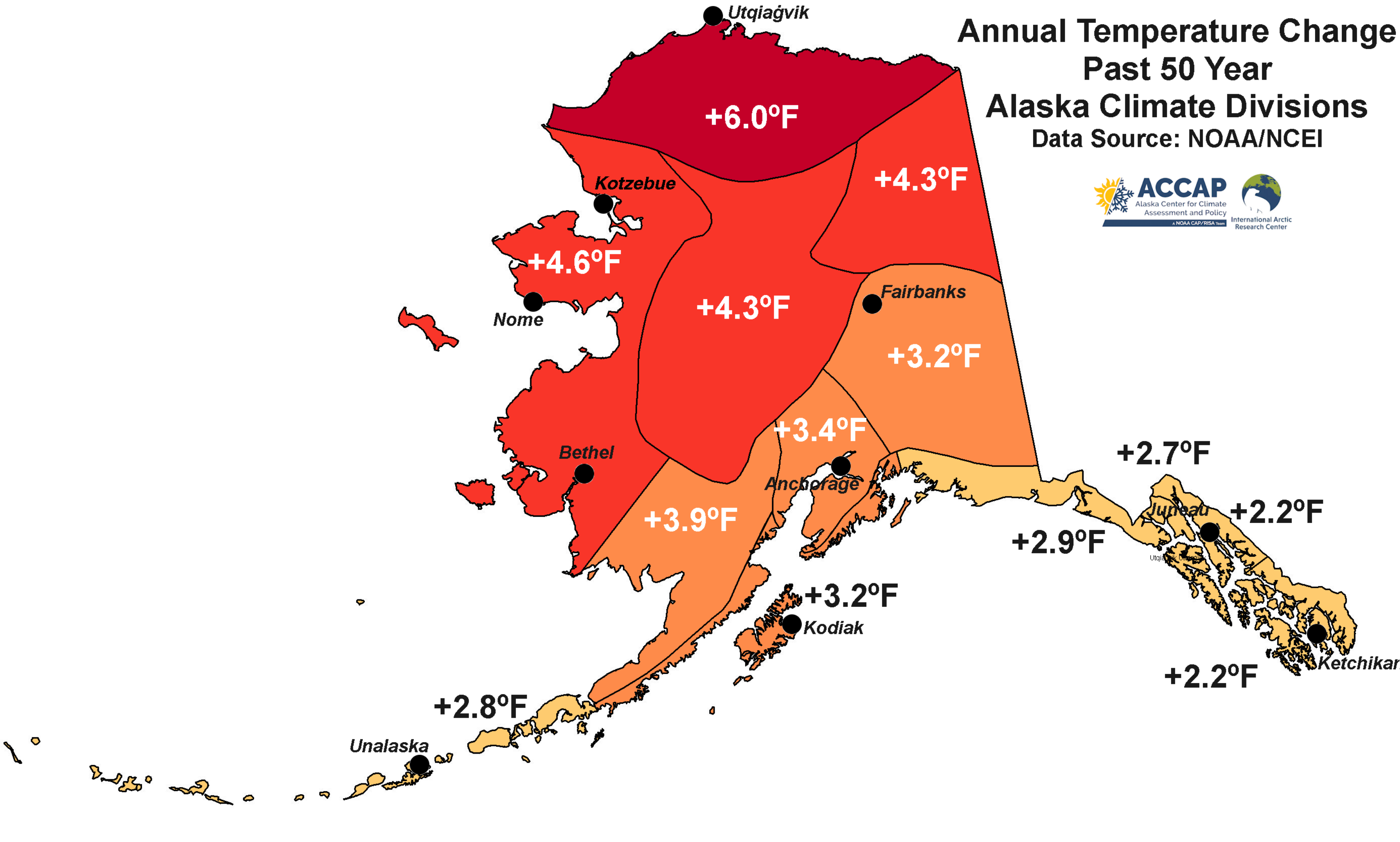
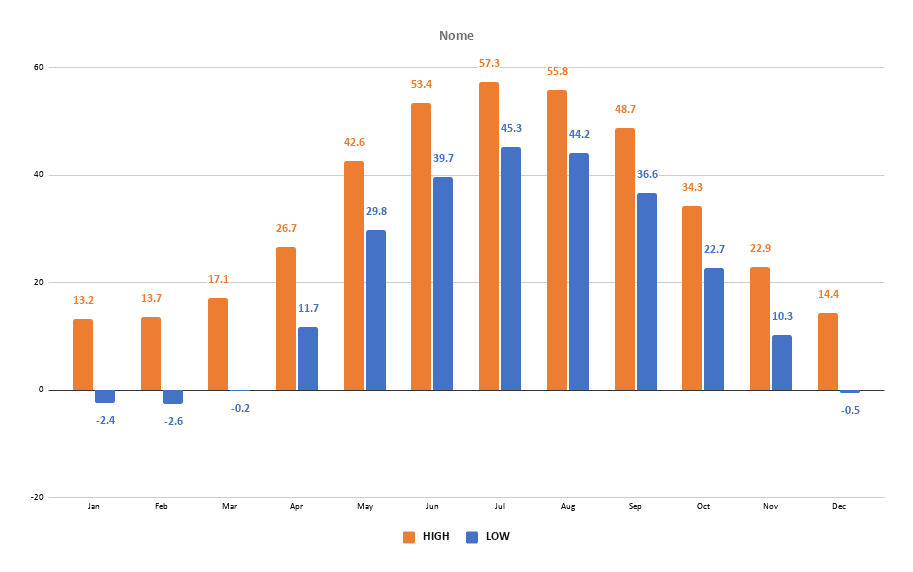
Venturing to the far northern and western reaches, such as Utqiagvik (formerly Barrow) or Nome, reveals Alaska’s truly cold side. Even in summer, “warm” here is a relative term. Average high temperatures in Utqiagvik during July hover around the low 40s Fahrenheit (4-7°C), occasionally reaching the 50s. While this is significantly warmer than their sub-zero winters, it’s far from the balmy conditions of the Interior. These regions offer unique cultural and wildlife experiences—like spotting polar bears or migrating birds—that are unparalleled, but travelers must be prepared for consistently cool, often windy conditions, even in the height of summer.
Preparing for Alaskan Warmth: What to Pack for Summer Travel
Given the diversity in temperatures and conditions, packing for an Alaskan summer requires strategic thought. The golden rule is layering, as weather can change rapidly within a single day or even an hour.
Essential Clothing
- Moisture-wicking base layers: Synthetic or merino wool fabrics are crucial for managing sweat and maintaining warmth.
- Insulating middle layers: Fleece jackets, down vests, or wool sweaters provide warmth without excessive bulk. Pack at least one substantial insulating layer.
- Waterproof and windproof outer shell: A high-quality waterproof and breathable jacket and pants are non-negotiable. Even on sunny days, pop-up showers are common, especially in coastal and mountainous areas, and wind can make any temperature feel colder.
- Sturdy, waterproof hiking boots: Essential for comfort and safety on trails, wet terrain, and in general exploration.
- Headwear and gloves: A warm hat (beanie) and lightweight gloves, even in summer, are advisable for cooler mornings, evenings, high altitudes, or specific activities like glacier walks.
- Versatile trousers: Quick-drying hiking pants are ideal, possibly with zip-off legs for warmer days. Jeans are generally not recommended due to their slow drying time.
Practical Accessories
- Insect repellent: Mosquitoes, particularly in interior and swampy areas during warmer periods, can be prolific. High-DEET or picaridin-based repellents are highly recommended.
- Sunscreen and sunglasses: Despite cooler temperatures, the long daylight hours, combined with reflection off water, snow, and ice, mean sun protection is vital.
- Reusable water bottle: Staying hydrated is important, especially during active days.
- Camera and extra batteries: You’ll want to capture the incredible scenery and wildlife. The cold can drain batteries faster.
- Binoculars: Indispensable for wildlife viewing, from spotting bears on distant hillsides to identifying sea birds from a boat.
Beyond Summer: Shoulder Seasons and the Beauty of Cool
While this article focuses on the “warmth” of summer, it’s worth noting that Alaska’s shoulder seasons also offer distinct beauty, albeit with cooler temperatures.
Spring’s Awakening (May-Early June)
As snow begins to melt and the land awakens, May and early June offer a period of transition. Temperatures are rising, but still cool, typically in the 40s and 50s Fahrenheit. Wildlife begins to emerge, and lush greenery replaces winter’s white blanket. Crowds are thinner, and rates for accommodations and tours can be more favorable. Travelers during this time should still pack for cool weather and be prepared for lingering snow in higher elevations.
Autumn’s Golden Glow (September-Early October)
From September to early October, Alaska transforms into a canvas of gold, red, and orange as the tundra and deciduous trees don their fall colors. The air is crisp, often clear, and temperatures begin to drop quickly, typically into the 40s and 50s Fahrenheit, with nights dipping below freezing. This is an excellent time for photography and for catching the elusive aurora borealis, which becomes visible as the nights grow longer. Layering is paramount, as daily temperatures can fluctuate significantly.
Embracing the “Cool” Alaskan Experience
Ultimately, whether Alaska feels “warm” or “cool” is subjective, but the fact remains that its summer months offer a comfortable and inviting climate for exploration. Even outside of summer, the unique allure of Alaska isn’t solely tied to the thermometer. The grandeur of its landscapes, the abundance of wildlife, the rich cultural tapestry, and the sheer sense of adventure provide a warmth that transcends mere temperature readings. By understanding the regional and seasonal variations, travelers can prepare appropriately and discover that Alaska is a destination that truly warms the soul, regardless of the precise number on the mercury.
LifeOutOfTheBox is a participant in the Amazon Services LLC Associates Program, an affiliate advertising program designed to provide a means for sites to earn advertising fees by advertising and linking to Amazon.com. Amazon, the Amazon logo, AmazonSupply, and the AmazonSupply logo are trademarks of Amazon.com, Inc. or its affiliates. As an Amazon Associate we earn affiliate commissions from qualifying purchases.