
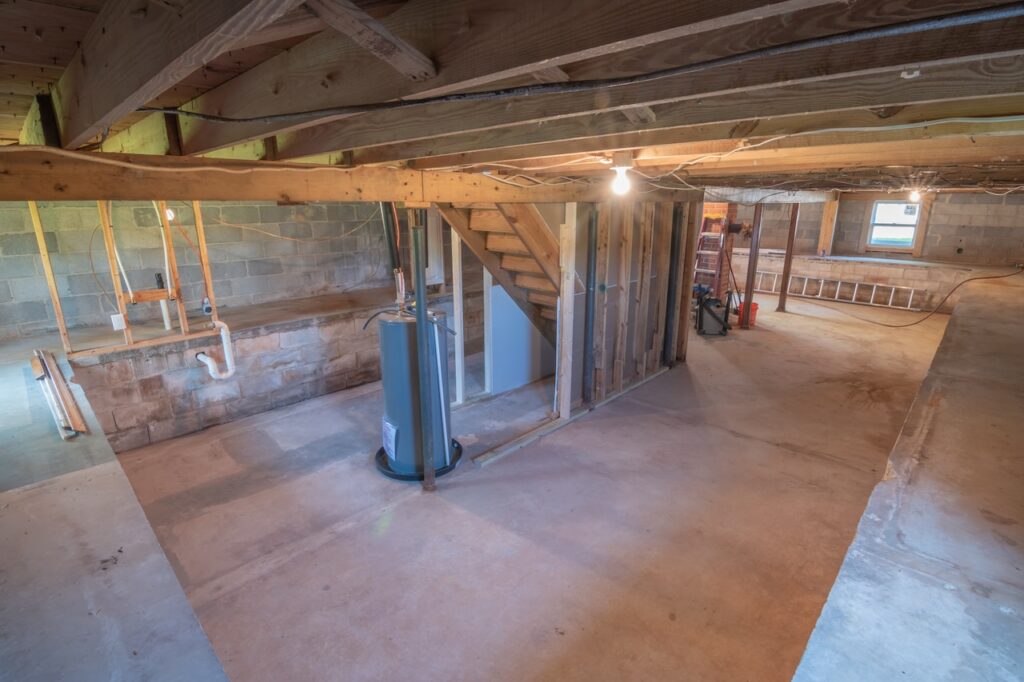
The Lone Star State, renowned for its vast landscapes, rich history, and distinctive culture, often sparks curiosity among potential residents and visitors alike. One question that frequently arises, particularly for those accustomed to different regional building practices, is about the prevalence of basements in Texas homes. The answer, much like the state itself, is multifaceted, depending on geography, geology, and historical development. While basements are not as ubiquitous in Texas as they might be in the Midwest or the Northeast of the United States, they certainly exist and are more common in certain areas than others. Understanding the reasons behind this variation offers a fascinating glimpse into the practical considerations that shape residential architecture.
Geological and Climatic Influences
The primary determinant of basement construction in Texas is geology, specifically the soil composition and the water table. Much of the state, particularly the eastern and coastal regions, features heavy clay soils and a high water table. Digging deep enough to create a basement in these areas presents significant engineering challenges and can be prohibitively expensive. The risk of flooding and the need for extensive waterproofing make basement construction impractical and potentially hazardous.
The Water Table Challenge
In many parts of Texas, especially along the Gulf Coast and in the fertile blackland prairies, groundwater is relatively close to the surface. This makes excavation for a basement a constant battle against water ingress. Building a basement in such conditions would require robust, often costly, foundation systems designed to resist hydrostatic pressure and prevent leaks. Many builders opt for simpler, more cost-effective foundation types, such as slab-on-grade, to avoid these complexities.
Soil Stability Concerns
Clay soils, prevalent in many parts of Texas, can expand and contract significantly with changes in moisture content. This characteristic, known as expansive clay, poses a threat to any underground structure, including basements. The soil’s movement can exert immense pressure on basement walls, potentially leading to cracking and structural damage over time. Engineers and builders must account for this phenomenon, often employing specialized techniques and materials if a basement is to be constructed in such soil.
Freeze-Thaw Cycles
While Texas is known for its heat, the northern parts of the state do experience freezing temperatures. In regions with significant freeze-thaw cycles, basements are often preferred in other parts of the country because the frost line is typically below the basement floor, providing a stable foundation. However, the less severe and less frequent deep freezes in most of Texas do not create the same compelling need for basements as a structural necessity for protection against frost heave.
Regional Variations in Texas
Despite the general trends, Texas is a large state with diverse topography, and this diversity extends to the presence of basements. Certain regions are more conducive to and historically have seen more basement construction.
The Texas Hill Country and Western Texas
In areas like the Texas Hill Country and parts of West Texas, the underlying bedrock is often closer to the surface, and the soil is less prone to extreme expansion. In these locales, particularly in older homes or in homes built on sloping lots, basements are more likely to be found. The firmer, more stable ground makes excavation more feasible and less susceptible to water issues. The rugged terrain of the Hill Country can also lend itself to walk-out basements, where one side of the basement is exposed due to the slope, providing natural light and easier access.
Older Neighborhoods and Historic Homes
Historically, basement construction was more common in some parts of Texas than it is today, influenced by national building trends and available technology at the time. Older neighborhoods in cities like San Antonio, Austin, and Galveston may feature homes with basements, particularly those built before the widespread adoption of slab-on-grade foundations. These older basements might be more rudimentary, perhaps un-waterproofed or used for storage rather than finished living space, reflecting the construction practices of their era. In Galveston, for instance, many historic homes are built on stilts to mitigate flooding, negating the possibility of a traditional basement. However, some older, more established homes in areas not directly on the coast might have them.
New Construction Trends
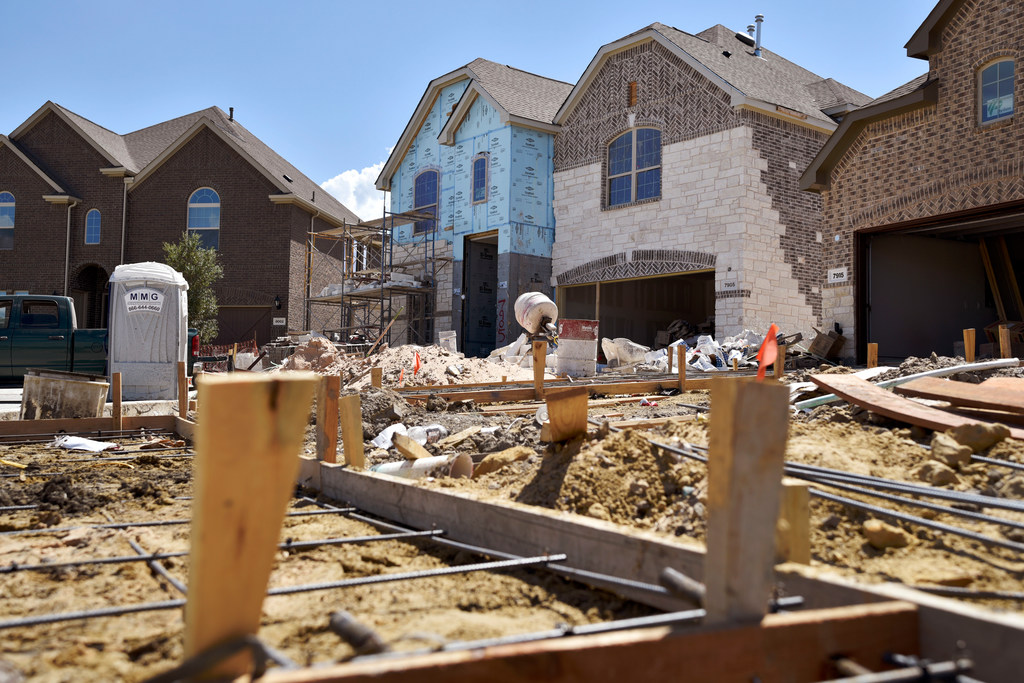
Modern building practices in Texas heavily favor slab-on-grade foundations. This method involves pouring a concrete slab directly onto the prepared ground. It is generally more cost-effective, quicker to build, and better suited to the prevalent soil and water table conditions in many parts of the state. For homeowners seeking additional space, builders often recommend alternatives to basements, such as building upwards (multi-story homes), adding second floors, or utilizing attics for storage or even finished living areas. The widespread availability of readily accessible and affordable land in many Texas communities also makes sprawling single-story homes with ample yard space a popular choice, reducing the perceived need for underground living or storage.
Advantages and Disadvantages of Texas Basements
For those fortunate enough to find or build a home with a basement in Texas, there are distinct advantages and disadvantages to consider.
Advantages
- Increased Living Space: A finished basement can provide significant additional square footage for living, recreation, or home offices without expanding the home’s footprint on the lot.
- Storage: Even an unfinished basement offers valuable storage space, which can be particularly useful in homes with smaller closets or garages.
- Temperature Regulation: Basements tend to be cooler than the upper levels of a house, offering a natural advantage in Texas’s hot climate. This can lead to reduced cooling costs.
- Shelter: In the event of severe weather, such as tornadoes, a basement can offer a safer place to shelter than the main floor. Texas is part of “Tornado Alley,” and storm preparedness is a significant consideration.
- Property Value: In areas where basements are uncommon, a well-finished basement can be a significant selling point and increase a property’s resale value.
Disadvantages
- Cost: Building a basement in Texas is typically more expensive than a slab-on-grade foundation due to the engineering and waterproofing required.
- Water Intrusion: Despite best efforts, basements in Texas are more susceptible to water damage from heavy rains, flooding, and high water tables. Ongoing maintenance and vigilance are often necessary.
- Limited Availability: Finding homes with basements for sale can be challenging, especially in newer developments or in areas where they are not traditionally built.
- Potential for Mold and Mildew: The inherent dampness potential of a basement can create conditions conducive to mold and mildew growth if not properly managed with ventilation and humidity control.
- Accessibility: Older or unfinished basements may have steep, narrow staircases, making them less accessible for children, the elderly, or those with mobility issues.
Alternatives to Basements in Texas Homes
Given the challenges, Texas builders and homeowners have embraced several alternatives to basements for maximizing space and functionality.
Piers and Stilts
In flood-prone areas, particularly along the coast and near rivers, homes are frequently built on piers or stilts. This elevates the entire structure, allowing floodwaters to pass underneath. While this configuration prevents basements, it creates a substantial amount of covered space beneath the home that can be utilized for parking, storage, or even as a shaded outdoor living area.
Crawl Spaces
A shallow crawl space, typically two to three feet high, is another foundation type found in Texas. While not offering the same usable space as a basement, it does elevate the home off the ground, providing some protection from moisture and pests, and allowing for easier access to plumbing and electrical systems for maintenance.
Elevated Foundations
Some homes are built on elevated concrete foundations that sit higher than a typical slab. This can provide a slightly raised living space while still using a concrete structure. These foundations are often used on properties with minor slopes or where a slightly elevated position is desired for views or drainage.

Second Stories and Attic Conversions
The most common way to gain additional space in Texas is by building upwards. Multi-story homes are prevalent, and attics are often designed with enough headroom to be converted into usable living areas, complete with insulation, flooring, and windows.
In conclusion, while the image of a Texas home might not immediately conjure up thoughts of basements, they do exist. Their presence is dictated by a complex interplay of geological conditions, climate, and historical building practices. For those considering a move to Texas or purchasing a home, understanding these factors can provide valuable insight into the residential landscape of this diverse and dynamic state.
LifeOutOfTheBox is a participant in the Amazon Services LLC Associates Program, an affiliate advertising program designed to provide a means for sites to earn advertising fees by advertising and linking to Amazon.com. Amazon, the Amazon logo, AmazonSupply, and the AmazonSupply logo are trademarks of Amazon.com, Inc. or its affiliates. As an Amazon Associate we earn affiliate commissions from qualifying purchases.