
Navigating the tax landscape of any state can feel like charting an unknown territory, and Texas is no exception. While Texas is famously known for its lack of a state income tax, this doesn’t mean a complete absence of tax obligations for residents and visitors alike. Understanding how taxes are calculated in the Lone Star State is crucial for financial planning, budgeting for trips, and ensuring compliance. This guide delves into the primary tax categories in Texas, focusing on sales tax, property tax, and other localized taxes that impact daily life and the vibrant tourism sector.
Sales Tax in the Lone Star State
Texas relies heavily on sales and use tax as a significant revenue source, which directly affects consumers and businesses. The state imposes a general sales tax rate, but this rate can be augmented by local jurisdictions, leading to varying total tax percentages across different cities and counties.
State Sales Tax Rate
The standard state sales tax rate in Texas is 6.25%. This rate applies to most tangible personal property and certain services purchased within the state.
Local Sales Tax
In addition to the state rate, cities, counties, and special districts can impose their own local sales taxes. These can add up to a considerable percentage, depending on the specific location. The maximum combined state and local sales tax rate is capped at 8.25%.
For instance, a purchase made in Houston will have a combined rate that includes the state’s 6.25% and the city and transit authority’s portions, which can push the total up to the 8.25% maximum. Conversely, a purchase in a smaller town with no additional local levies might only be subject to the 6.25% state rate.
How to Calculate
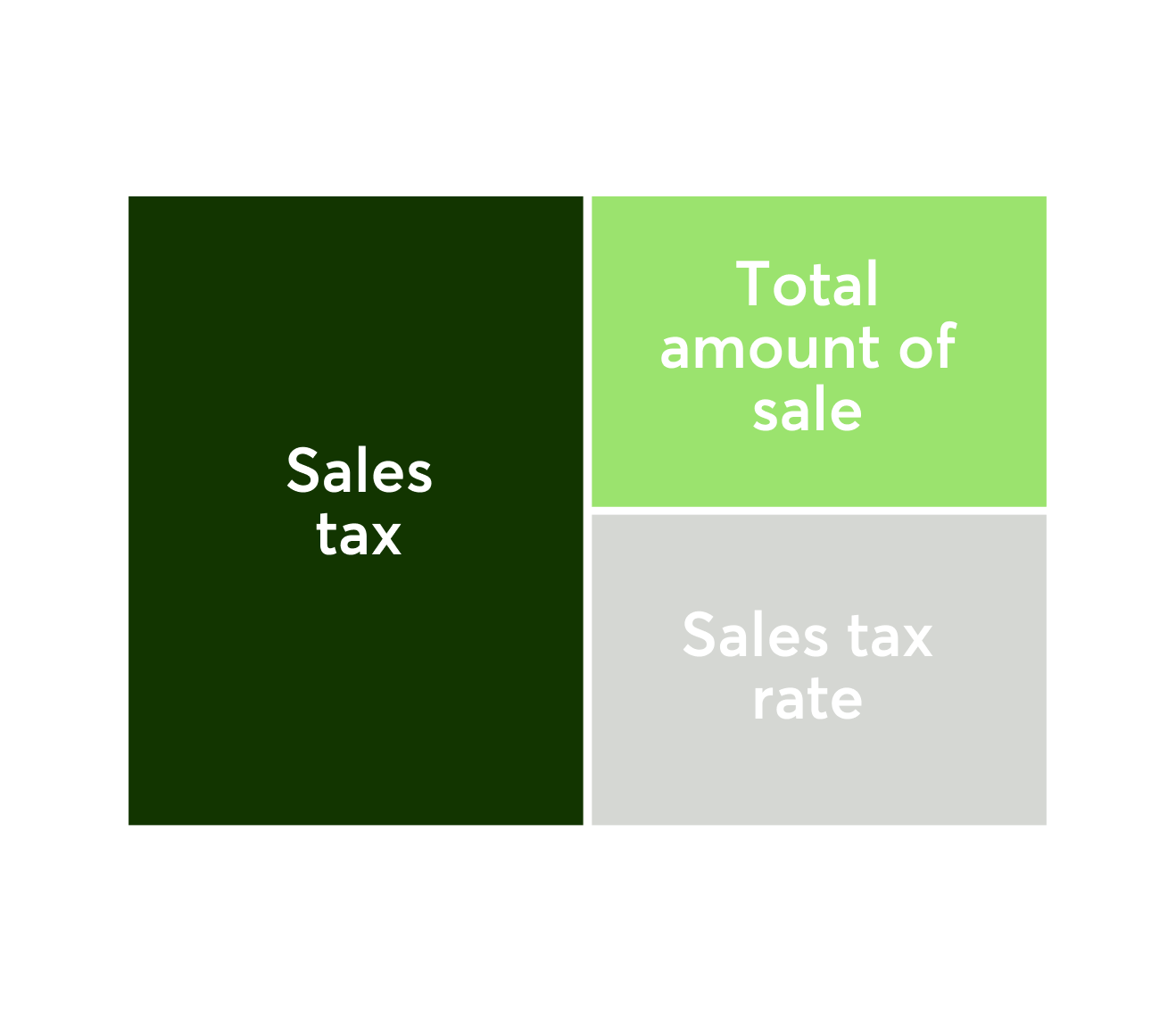
To calculate the sales tax on a purchase, you multiply the taxable price of the item by the applicable combined sales tax rate.
Formula:
Sales Tax = Taxable Price × Combined Sales Tax Rate
Example:
If you purchase a souvenir in San Antonio for $50, and the combined sales tax rate in that area is 8.25% (0.0825), the sales tax would be:
Sales Tax = $50 × 0.0825 = $4.13
The total cost of the item would then be $50 + $4.13 = $54.13.
Exemptions and Special Cases
It’s important to note that not all goods and services are subject to sales tax in Texas. Many essential items, such as groceries (excluding prepared foods and dining out), prescription drugs, and certain agricultural products, are exempt. Additionally, many business-to-business transactions, manufacturing equipment, and items purchased for resale are also exempt.
Specific industries might have unique tax rules. For example, the hotel and lodging industry has specific occupancy taxes, and car rentals often have surcharges. When planning a stay at a place like the Grand Hyatt Hotel or exploring attractions like the Alamo, it’s wise to factor in these potential sales tax variations.
Property Tax in Texas: A Significant Local Burden
While Texas lacks a state income tax, it makes up for it with one of the highest effective property tax rates in the nation. Property taxes are a primary funding source for local governments, including school districts, cities, and counties. These taxes are levied on real estate and, in some cases, tangible personal property used in business.
How Property Tax is Assessed
Property taxes are calculated based on the assessed value of the property and the tax rate set by each taxing entity (school district, city, county).
- Appraisal: Local appraisal districts are responsible for determining the market value of all taxable property within their jurisdiction. Property owners have the right to protest their appraised value.
- Valuation: The appraised value is then “homesteaded” if applicable. For homestead properties, there is a homestead cap that limits the annual increase in the taxable value to 10% (plus the value of new improvements).
- Tax Rate (Millage Rate): Each taxing entity sets its own tax rate, also known as the millage rate. A mill is one-tenth of a cent, or $0.001. The tax rate is expressed as dollars per $100 of taxable value or mills per dollar of taxable value.
How to Calculate Property Tax
The property tax bill is calculated by multiplying the taxable value of the property by the sum of the tax rates from all the taxing entities that cover that property.

Formula:
Property Tax = Taxable Value × (Sum of Millage Rates)
Example:
Imagine you own a home in Dallas with a taxable value of $300,000. The property tax rates for your area are:
- School District: 1.20% (or 0.0120)
- City: 0.50% (or 0.0050)
- County: 0.25% (or 0.0025)
The total tax rate is 1.20% + 0.50% + 0.25% = 1.95% (or 0.0195).
Property Tax = $300,000 × 0.0195 = $5,850
This means your annual property tax bill would be approximately $5,850.
Property Tax Exemptions
Texas offers several property tax exemptions that can reduce the taxable value of a property, thereby lowering the tax bill. Common exemptions include:
- Homestead Exemption: Available to homeowners who occupy their property as their primary residence. This provides a significant reduction in taxable value.
- Over-65 Exemption: For homeowners aged 65 or older, offering an additional exemption amount.
- Disability Exemption: For homeowners with a qualifying disability.
- Veterans’ Exemptions: For eligible veterans and their surviving spouses.
Applying for these exemptions is crucial for property owners to reduce their tax burden.
Other Taxes and Fees in Texas
Beyond sales and property taxes, Texas also imposes other taxes and fees that are relevant to individuals and businesses, particularly those in the tourism and hospitality sectors.
Hotel Occupancy Tax (HOT)
Cities and counties in Texas levy a Hotel Occupancy Tax (HOT), often referred to as a “bed tax.” This tax is imposed on the privilege of occupying a hotel room or other lodging for less than 30 days. The HOT rate varies by jurisdiction and can be up to 15% of the price paid for the room, with the state portion being 6%. The revenue generated from HOT is typically used for promoting tourism and convention activities. When booking a stay at a resort like the Gaylord Texan Resort & Convention Center or a boutique hotel in the French Quarter of Galveston, factor in this additional tax.
Motor Vehicle Taxes and Fees
There are various taxes and fees associated with owning and operating motor vehicles in Texas. These include:
- Sales Tax on Vehicle Purchases: When buying a vehicle, you pay sales tax based on the purchase price or the trade-in value.
- Registration Fees: Annual vehicle registration fees vary based on vehicle type and weight.
- Franchise Tax: This is a tax on certain businesses operating in Texas. It’s essentially a tax on a business’s privilege of doing business in the state, and it’s calculated based on gross receipts or an owner’s compensation. While not directly affecting individual tourists, it impacts the operational costs of businesses that cater to them.
Excise Taxes
Texas also collects excise taxes on specific goods, such as gasoline, tobacco, and alcoholic beverages. These taxes are embedded in the price of these products and contribute to state revenue.
Navigating Tax Implications for Travelers and Residents
For residents, understanding property tax exemptions and accurately calculating sales tax on purchases are paramount for managing household budgets. For travelers, awareness of sales tax and hotel occupancy taxes is key to budgeting for trips.
Budgeting for Your Texas Trip
When planning a visit to Texas, whether to explore the historical sites in Austin, enjoy the vibrant nightlife in Dallas, or experience the natural beauty of Big Bend National Park, it’s essential to factor in additional costs beyond advertised prices. The sales tax rate can add a significant percentage to your purchases, and the hotel occupancy tax will increase the cost of your accommodation. Always check the specific local tax rates for the areas you plan to visit.
Business and Tourism Nexus
Businesses operating in Texas, including hotels, restaurants, and retail establishments, must understand their sales tax and franchise tax obligations. For tourism-related businesses, accurately collecting and remitting sales tax and hotel occupancy tax is crucial for compliance. The state’s comptroller of public accounts provides extensive resources and guidance for businesses on these matters. Companies aiming to attract visitors might offer package deals or loyalty programs, but the underlying tax calculations remain consistent. For instance, a package including accommodation at a resort like the JW Marriott San Antonio Hill Country Resort & Spa and tickets to a local attraction will have sales tax applied to all taxable components.

Resources for Tax Information
The Texas Comptroller of Public Accounts is the primary source for information on state taxes, including sales tax rates by locality and administrative rules. For property tax inquiries, local county appraisal districts and the Texas Department of Property Tax Assistance and Oversight (TPA) are valuable resources. Understanding these tax structures allows for more informed financial decisions, whether you’re a permanent resident or a visitor exploring the diverse offerings of the Lone Star State.
LifeOutOfTheBox is a participant in the Amazon Services LLC Associates Program, an affiliate advertising program designed to provide a means for sites to earn advertising fees by advertising and linking to Amazon.com. Amazon, the Amazon logo, AmazonSupply, and the AmazonSupply logo are trademarks of Amazon.com, Inc. or its affiliates. As an Amazon Associate we earn affiliate commissions from qualifying purchases.