
The question “Does it rain in California?” often conjures images of endless sunshine, golden beaches, and a perpetually dry landscape. While California is indeed famous for its Mediterranean climate, characterized by warm, dry summers, the reality is far more nuanced and fascinating. Yes, it absolutely rains in California, and understanding its unique rainfall patterns is key to truly appreciating the state’s incredible diversity and planning an unforgettable trip. From the towering peaks of the Sierra Nevada to the arid expanse of Death Valley, and from the bustling urban centers of Los Angeles and San Francisco to the serene vineyards of Napa Valley, precipitation plays a vital role in shaping the environment, the local culture, and the myriad experiences available to travelers.

This article delves into California’s intricate climate, exploring when and where you can expect to encounter rain, how it influences travel and tourism, and how to make the most of your visit, come rain or shine. Whether you’re seeking a luxurious resort escape, a budget-friendly adventure, or a family-focused getaway, understanding California’s relationship with rain is essential for any discerning traveler.
Unpacking California’s Diverse Climate
California is often described as a land of microclimates, and for good reason. Its immense north-south length, combined with significant variations in elevation and proximity to the Pacific Ocean, creates a spectrum of weather patterns that defy a single, simple description. While the general perception is one of perpetual sunshine, this vast state experiences everything from heavy snowfall to torrential downpours and, of course, long periods of glorious dry weather.
The Mediterranean Magic: Wet Winters, Dry Summers
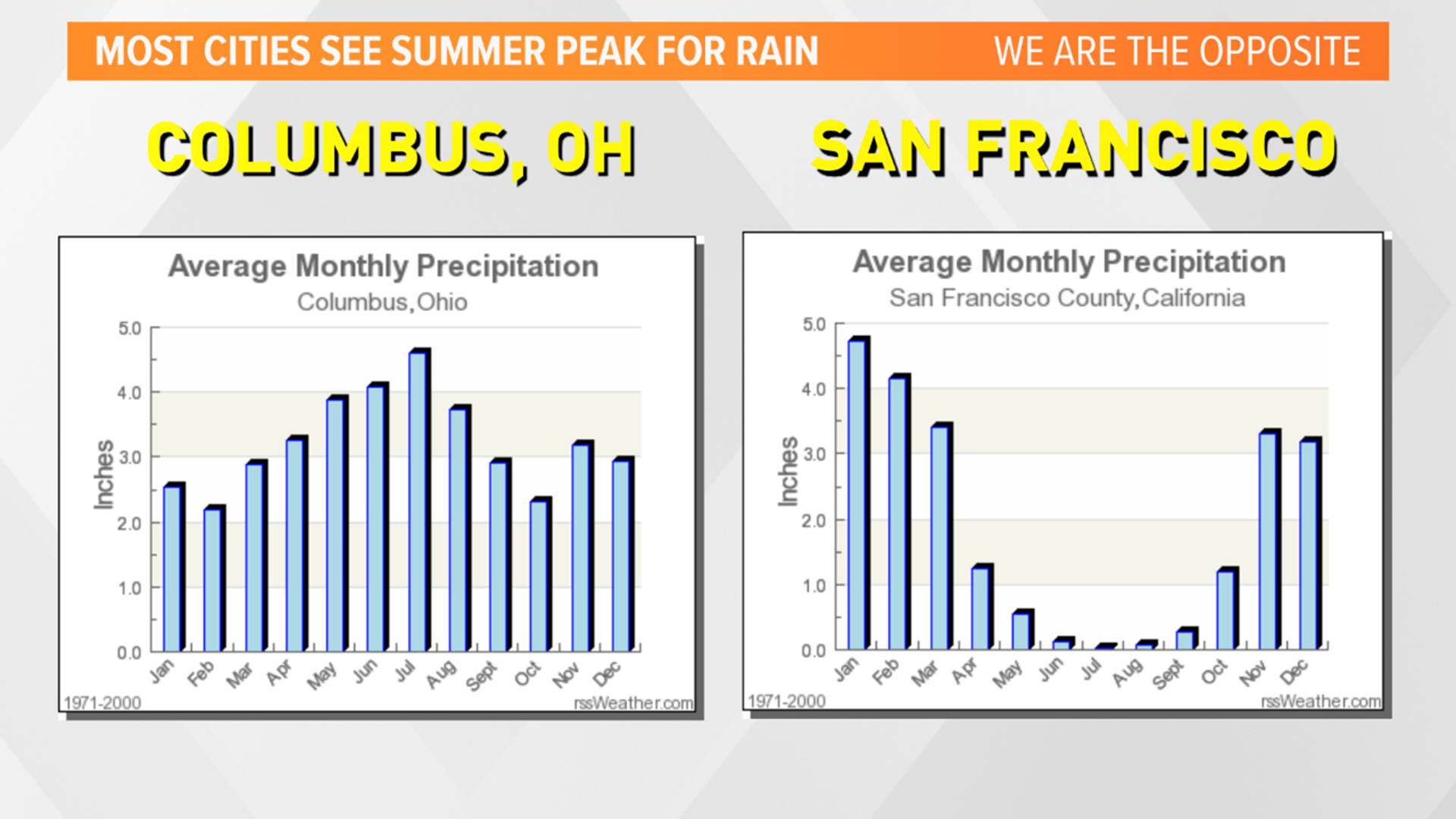
The most prevalent climate across much of California’s coastal and central regions is a Mediterranean one. This means that, unlike many other parts of the world, California experiences its wettest months during the winter and spring, typically from November through April. Summers, on the other hand, are famously dry and sunny, with very little to no rainfall. This distinct pattern is crucial for the state’s agriculture, natural ecosystems, and tourism industry. The winter rains replenish reservoirs, nourish the state’s iconic redwood forests, and create the vibrant “superblooms” of wildflowers that occasionally carpet hillsides in spring. For travelers, this means that while summer guarantees sun-drenched days perfect for beach activities and outdoor adventures, a winter visit might involve charming rainy days, perfect for exploring museums or cozying up by a fireplace in a luxurious resort.
Desert Dryness and Mountain Majesty
Beyond the Mediterranean zones, California’s climate diversity truly shines. The southeastern part of the state is dominated by vast deserts, including the Mojave Desert and the Colorado Desert, where rainfall is exceedingly rare and temperatures can soar. Locations like Death Valley are among the driest places on Earth, receiving mere inches of rain annually. Yet, even here, sudden, intense cloudbursts can occur, leading to flash floods.
Contrast this with the majestic Sierra Nevada mountain range, which acts as a rain shadow, capturing significant precipitation, primarily in the form of snow. High-elevation areas, especially around Lake Tahoe and Yosemite National Park, receive feet of snow each winter, making California a prime destination for skiing and snowboarding. This mountain snowpack is a vital natural reservoir, slowly melting through spring and summer to supply water to the entire state. Therefore, while coastal cities might experience a gentle drizzle, the mountains could be buried under several feet of fresh powder, offering distinct travel experiences within the same state.
Coastal Fog and Inland Heat
The immediate coastline also has its own distinct characteristics. Cities like San Francisco are famous for their summer fog, which rolls in from the Pacific Ocean, cooling the air even when inland areas are sweltering. While this fog isn’t exactly rain, it often brings a misty dampness, creating a unique atmospheric charm. Further north, towards the Redwood National Park region, the climate becomes cooler and wetter, supporting the colossal ancient trees that thrive on frequent moisture.
Inland valleys, such as the San Joaquin Valley, tend to experience hotter and drier summers than coastal areas, but they still adhere to the winter-wet pattern. The sheer scale of California means that travelers can drive a few hours and transition from a desert landscape to snow-capped mountains or a foggy coastline, each with its own specific weather patterns and opportunities for unique experiences.
When and Where to Expect California Rain
For anyone planning a trip, understanding the seasonal and geographical distribution of rain is paramount. It allows for better packing, activity planning, and booking appropriate accommodation.
The Rainy Season: A Traveler’s Guide
As established, California’s rainy season typically runs from late fall through early spring, roughly November to April. During these months, frontal systems from the Pacific bring the majority of the state’s precipitation.
- November-December: The first significant rains usually arrive, breaking the summer drought. Days can be crisp and clear between storms.
- January-February: These are often the wettest months, particularly in Northern California. Storms can be more frequent and intense, sometimes leading to localized flooding or mudslides, especially in areas affected by recent wildfires.
- March-April: Rainfall starts to taper off, giving way to more sunny days. This is when the hillsides often turn a vibrant green, and wildflowers begin to bloom, particularly after a wet winter.
Summer months, from May through October, are overwhelmingly dry across most of the state. While isolated thunderstorms can occur, particularly in the mountains or high deserts, they are generally rare and short-lived in coastal and valley areas. This makes summer the peak season for outdoor attractions and beach destinations.
Regional Rainfall Variations
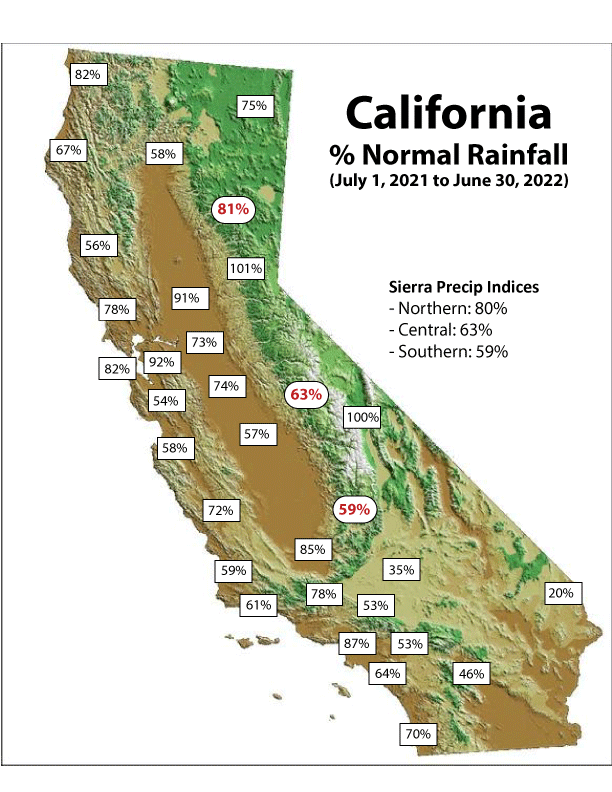
The amount of rain California receives varies dramatically by region:
- Northern California Coast (e.g., San Francisco, Eureka): This region generally receives the most rain, with San Francisco averaging around 23 inches annually. Winter storms can be quite strong, but they also contribute to the lushness of the landscape.
- Central Coast (e.g., Big Sur, Monterey): Experiences moderate rainfall, similar to San Francisco, but often with milder temperatures. The dramatic cliffs and redwood groves thrive on this moisture.
- Southern California Coast (e.g., Los Angeles, San Diego): Significantly drier than the north. Los Angeles typically gets around 15 inches of rain per year, while San Diego receives closer to 10-12 inches. Rains are generally less frequent and shorter in duration here.
- Inland Valleys (e.g., Sacramento, Fresno): Receive moderate rainfall, similar to coastal areas, but with more extreme temperature swings – hotter summers and cooler winters.
- Sierra Nevada Mountains (e.g., Lake Tahoe, Yosemite National Park): These areas receive substantial precipitation, primarily as snow at higher elevations. Lake Tahoe can get over 300 inches of snow annually, while rain falls at lower elevations.
- Deserts (e.g., Palm Springs, Death Valley, Joshua Tree National Park): These regions are exceptionally dry, receiving very little rainfall. Palm Springs averages less than 5 inches a year. When rain does fall, it can be intense and sudden.
This regional variation means that you could be skiing in [Lake Tahoe](https://lifeoutofthebox.com/lake- tahoe) in a blizzard while San Diego enjoys a sunny 70-degree day, all within the same winter month. This geographical diversity is one of California’s greatest assets for tourism.
Embracing California’s Weather: Travel, Activities, and Accommodation
California’s diverse weather, including its rainy periods, presents a wealth of opportunities for unique experiences and travel styles. Instead of seeing rain as a deterrent, savvy travelers understand how to leverage it to their advantage, from finding serene landscapes to enjoying world-class indoor attractions.
Planning Your Trip: Rain or Shine Activities
A little rain doesn’t have to dampen your California adventure; it simply shifts the focus to different types of activities and destinations.
- Cultural Immersion: Rainy days are perfect for exploring California’s rich tapestry of museums, galleries, and historical landmarks. In Los Angeles, consider the Getty Center or the Los Angeles County Museum of Art (LACMA). San Francisco offers the California Academy of Sciences or the Exploratorium, perfect for families. The Walt Disney Family Museum is another excellent option.
- Culinary Adventures: California’s culinary scene thrives year-round. Rainy weather is an ideal excuse to indulge in a cozy brunch, explore bustling food halls like Ferry Building Marketplace in San Francisco, or embark on a wine-tasting tour in Napa Valley or Sonoma. Many wineries offer luxurious indoor tasting rooms and guided tours, turning a potentially dreary day into an elegant outing.
- Retail Therapy: From the high-end boutiques of Beverly Hills to the outlet malls near Palm Springs, California offers extensive shopping opportunities, providing a fantastic indoor retreat from the rain.
- Wellness and Relaxation: Indulge in a spa day at one of California’s many luxury resorts, or enjoy a hot springs soak. Places like Ojai or Big Sur offer serene wellness retreats that are particularly inviting when the weather is moody.
- Winter Sports: For those who embrace the elements, winter rain at lower elevations means snow in the mountains. Head to Lake Tahoe, Mammoth Lakes, or Big Bear Lake for world-class skiing, snowboarding, and other winter activities.
Accommodation Choices for Every Season
California’s diverse accommodation options are well-equipped to handle all types of weather, ensuring comfort and enjoyment regardless of the forecast.
- Cozy Retreats: During the rainy season, consider boutique hotels or charming villas in wine country (Napa Valley, Sonoma) or along the coast (e.g., Carmel-by-the-Sea). Look for hotels with amenities like fireplaces, indoor pools, or on-site restaurants and spas, providing a perfect refuge. Many luxury hotels offer special packages during the quieter winter months.
- Urban Escapes: City hotels in Los Angeles, San Francisco, or San Diego offer easy access to indoor attractions, dining, and entertainment. From lavish suites with city views to family-friendly apartments with kitchenettes, urban accommodation ensures you’re never far from the action, even if it’s raining outside.
- Desert Resorts: In regions like Palm Springs, where rain is rare, resorts are designed for sun-soaked relaxation with expansive pools and outdoor spaces. Even if an unexpected shower occurs, these properties typically boast excellent indoor dining, entertainment, and spa facilities.
- Mountain Lodges: For winter sports enthusiasts, ski-in/ski-out lodges and cabin rentals in areas like Lake Tahoe provide warmth and comfort after a day on the slopes. Many offer robust activity programs, hot tubs, and gourmet dining.
When choosing accommodation, consider reading reviews and using comparison tools to find options that best suit your weather-dependent needs and lifestyle preferences, whether it’s luxury travel or budget travel. Many platforms offer flexible booking options, which is always a good idea when planning around unpredictable weather.
Lifestyle and Landmarks: Enjoying California Year-Round
California’s residents and repeat visitors have learned to embrace the state’s varied weather, integrating it into their lifestyle and appreciation of its iconic landmarks.
- Rain-Kissed Landscapes: A rainy day can transform familiar landmarks into moody, atmospheric scenes. Imagine the Golden Gate Bridge shrouded in mist, the redwoods in Muir Woods National Monument glistening with fresh rain, or the waterfalls in Yosemite National Park thundering with increased flow. These moments offer unique photographic opportunities and a different perspective on these renowned sites.
- Cozy City Exploration: Even in urban areas, a rainy day can enhance the experience. Stroll through San Francisco’s vibrant neighborhoods, grab a coffee in a cozy café, or explore the historic missions of California without the summer crowds.
- Shoulder Season Advantages: Traveling during the rainy season (fall to spring) often means fewer crowds at popular attractions like Disneyland, Universal Studios Hollywood, or Hearst Castle. This can lead to shorter lines, better deals on accommodation, and a more relaxed pace. Many guides recommend visiting during these shoulder seasons for a richer tourism experience.
- Diverse Recreation: The state truly offers something for every type of lifestyle. While summer is for surfing off Santa Monica Pier or hiking in Orange County, winter allows for snowshoeing in the Sierra Nevada or a picturesque ferry ride to Catalina Island (just remember an umbrella!).
Preparing for Your California Visit
A well-prepared traveler is a happy traveler, and this holds especially true for navigating California’s varied climates.
Packing Essentials for California’s Varied Forecasts
Given the state’s diverse weather patterns, layers are always your best friend.
- For the Rainy Season (November-April):
- Waterproof Outerwear: A light, packable rain jacket is essential, especially for coastal and northern California.
- Layers: Sweaters, fleeces, and long-sleeved shirts are crucial for warmth, as temperatures can drop significantly, especially in the evenings.
- Comfortable, Water-Resistant Shoes: For walking around cities or exploring damp natural areas.
- Umbrella: A compact umbrella is always a good idea for sudden showers.
- For the Dry Season (May-October):
- Sun Protection: Sunscreen, a wide-brimmed hat, and sunglasses are non-negotiable.
- Light Layers: While days are hot, evenings can still be cool, especially near the coast or in the mountains.
- Hydration: Bring a reusable water bottle, especially if you plan on hiking or spending time outdoors.
- Year-Round Essentials: Regardless of the season, comfortable walking shoes are a must for exploring California’s many attractions and landmarks.
Maximizing Your Experience: Tips for Navigating Weather Changes
- Check Local Forecasts: Always check the specific weather forecast for your destination and planned activities, as conditions can vary widely even within a short distance. Apps like the National Weather Service (NWS) are reliable.
- Be Flexible: Have backup indoor activities planned, especially during the rainy season. This flexibility will ensure your trip remains enjoyable regardless of the weather.
- Embrace the “Shoulder Seasons”: Traveling in late spring (April/May) or early fall (September/October) can offer the best of both worlds – pleasant weather, fewer crowds, and potentially lower prices on hotels and flights.
- Utilize Travel Guides: Consult comprehensive travel guides and tourism resources that specifically address seasonal variations and provide tips for different weather scenarios. Many offer curated itineraries for specific weather conditions, making planning easier for family trips, business stays, or solo adventures.
In conclusion, while California is synonymous with sunshine, it does indeed rain. This precipitation is a vital part of its ecosystem and contributes to the state’s breathtaking diversity. Understanding its climate patterns allows travelers to plan more effectively, choose appropriate accommodation (from luxury resorts to cozy apartments), and discover a whole range of activities and experiences that might otherwise be overlooked. So, pack wisely, stay flexible, and prepare to discover the enchanting beauty of California in all its glorious, and sometimes rainy, splendor.
LifeOutOfTheBox is a participant in the Amazon Services LLC Associates Program, an affiliate advertising program designed to provide a means for sites to earn advertising fees by advertising and linking to Amazon.com. Amazon, the Amazon logo, AmazonSupply, and the AmazonSupply logo are trademarks of Amazon.com, Inc. or its affiliates. As an Amazon Associate we earn affiliate commissions from qualifying purchases.