
Miami, a city synonymous with sun-drenched beaches, vibrant nightlife, and a perennial summer climate, often conjures images of palm trees swaying in a warm breeze, not snowflakes blanketing the streets. The very notion of snow falling in this subtropical paradise seems almost oxymoronic. Yet, to definitively answer the question, “Does it snow in Miami?”, requires a dive into the meteorological history and unique atmospheric conditions that can, on exceptionally rare occasions, bring this seemingly impossible phenomenon to life.
The Unlikelihood of a Miami Snowfall
Miami’s geographical location plays a pivotal role in its consistently warm weather. Situated on the southeastern coast of Florida, it benefits from the moderating influence of the Atlantic Ocean and the Gulf Stream. These oceanic currents help to maintain temperatures that are rarely frigid, even during the winter months. The average annual temperature in Miami hovers around 77°F (25°C), with daily highs in the summer often exceeding 90°F (32°C) and winter lows typically remaining in the comfortable 60s°F (15-20°C). This warm baseline makes the specific conditions required for snow formation exceedingly rare.
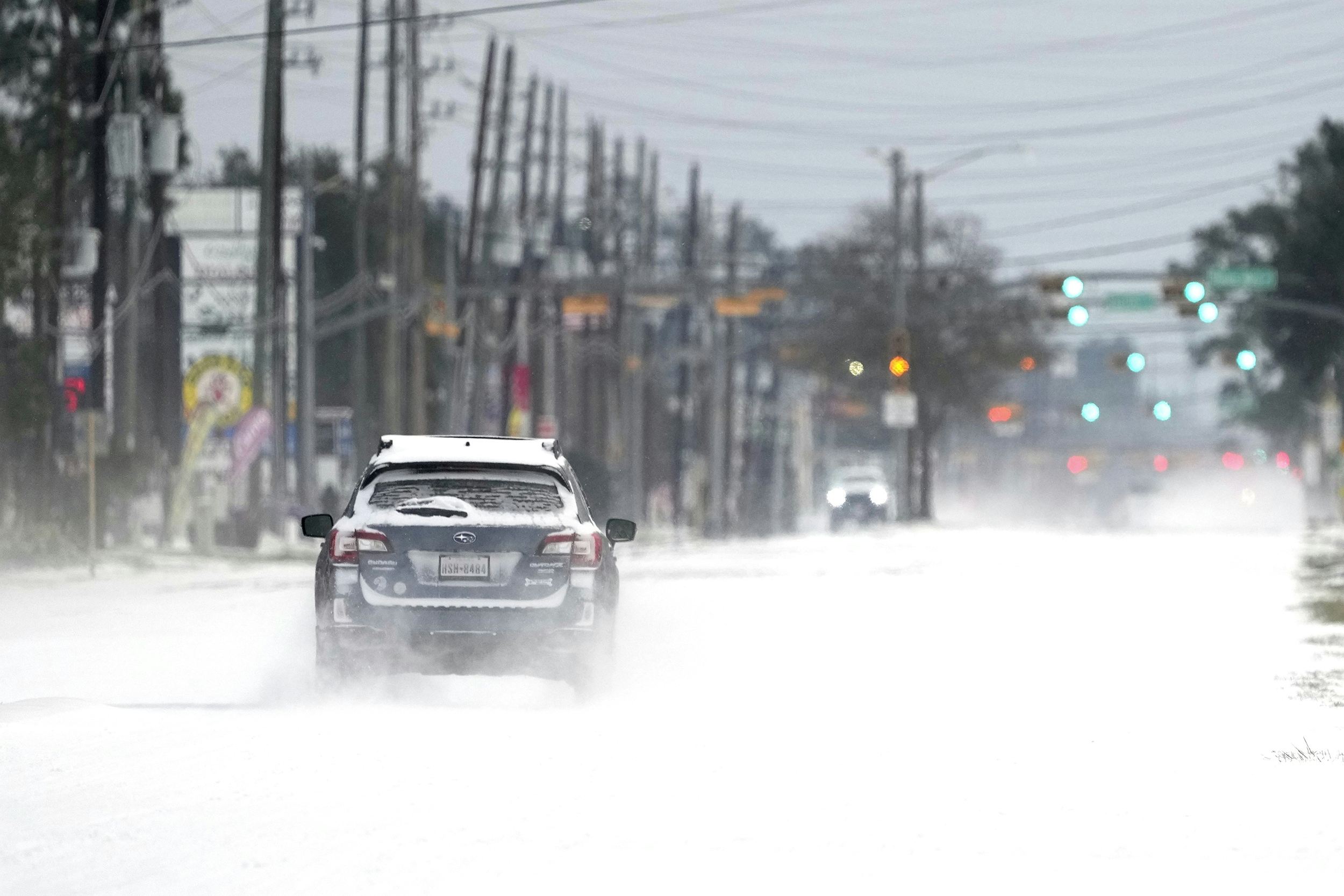
For snow to fall, several atmospheric ingredients must align perfectly:
- Sub-freezing Temperatures: The air temperature needs to be at or below freezing (32°F or 0°C) from the cloud layer all the way down to the ground.
- Moisture: There must be sufficient moisture in the atmosphere to form precipitation.
- Cloud Cover: Clouds are the incubators of precipitation, including snow.
- Cold Air Mass: A significant cold air mass needs to penetrate far enough south to reach Miami.
Miami’s location means that while cold air masses do occasionally affect Florida during winter, they often lack the duration and intensity required to cool the lower atmosphere to freezing levels for a sustained period. Moreover, the proximity to the warm ocean waters can often warm the air before it reaches the ground, even if it is freezing aloft. This is why Miami experiences frequent rainfall, even during cooler periods, rather than snowfall.
Historical Occurrences: The Fleeting White Flurries
Despite the overwhelming unlikelihood, there have been documented instances where Miami has experienced conditions conducive to snow. These events are exceedingly rare, often confined to historical anecdotes and the memories of the very oldest residents, and usually involved very light, fleeting snow or a mix of sleet and snow.
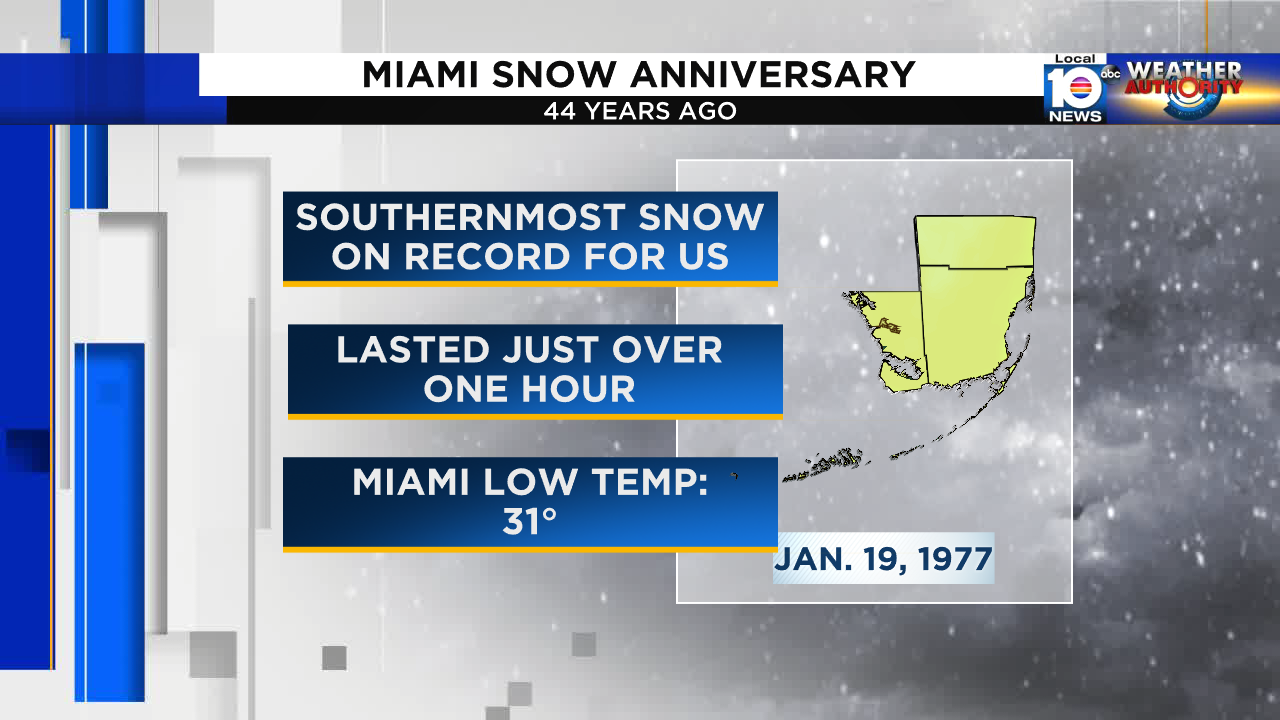
The most notable event occurred on January 19, 1977. This day is etched in the memories of those who witnessed it as an anomaly. A powerful cold wave swept across the Eastern United States, extending its icy grip much further south than usual. On that particular morning, residents of South Florida, including parts of Miami, woke up to a surreal sight: a light dusting of snow. It wasn’t a blizzard by any stretch of the imagination, but rather a delicate, fleeting precipitation that melted almost as soon as it touched the ground. Reports from the time describe flakes falling, particularly in areas slightly inland, and accumulating on surfaces for a brief period. This event was so unusual that it made national headlines and is still referenced as the primary example when discussing snow in Miami.
Another instance, though less documented and possibly more a mix of sleet and graupel, is believed to have occurred on January 22, 1962. Some older residents recall seeing what appeared to be frozen precipitation, but definitive meteorological records confirming widespread snowfall are scarce for this event.
These historical occurrences underscore a crucial point: snow in Miami is not a regular climatic feature but an extreme meteorological event, a rare intersection of specific atmospheric conditions that briefly override the region’s typical warm weather patterns.
Factors Contributing to Rare Snowfall
The confluence of factors leading to even a trace of snow in Miami is extraordinary. It requires a deep, prolonged cold air intrusion from the north, coupled with sufficient atmospheric moisture. Such events are often associated with strong polar vortex outbreaks or exceptionally robust winter storms that push cold air further south than typically observed. The precise track and intensity of these systems are critical.
The Impact of Climate Change on Miami’s Weather
The discussion of extreme weather events, including the rarity of snow, naturally leads to considerations of climate change. While a single snowfall event is a product of complex atmospheric dynamics, the broader patterns of temperature and weather can be influenced by long-term climatic shifts.
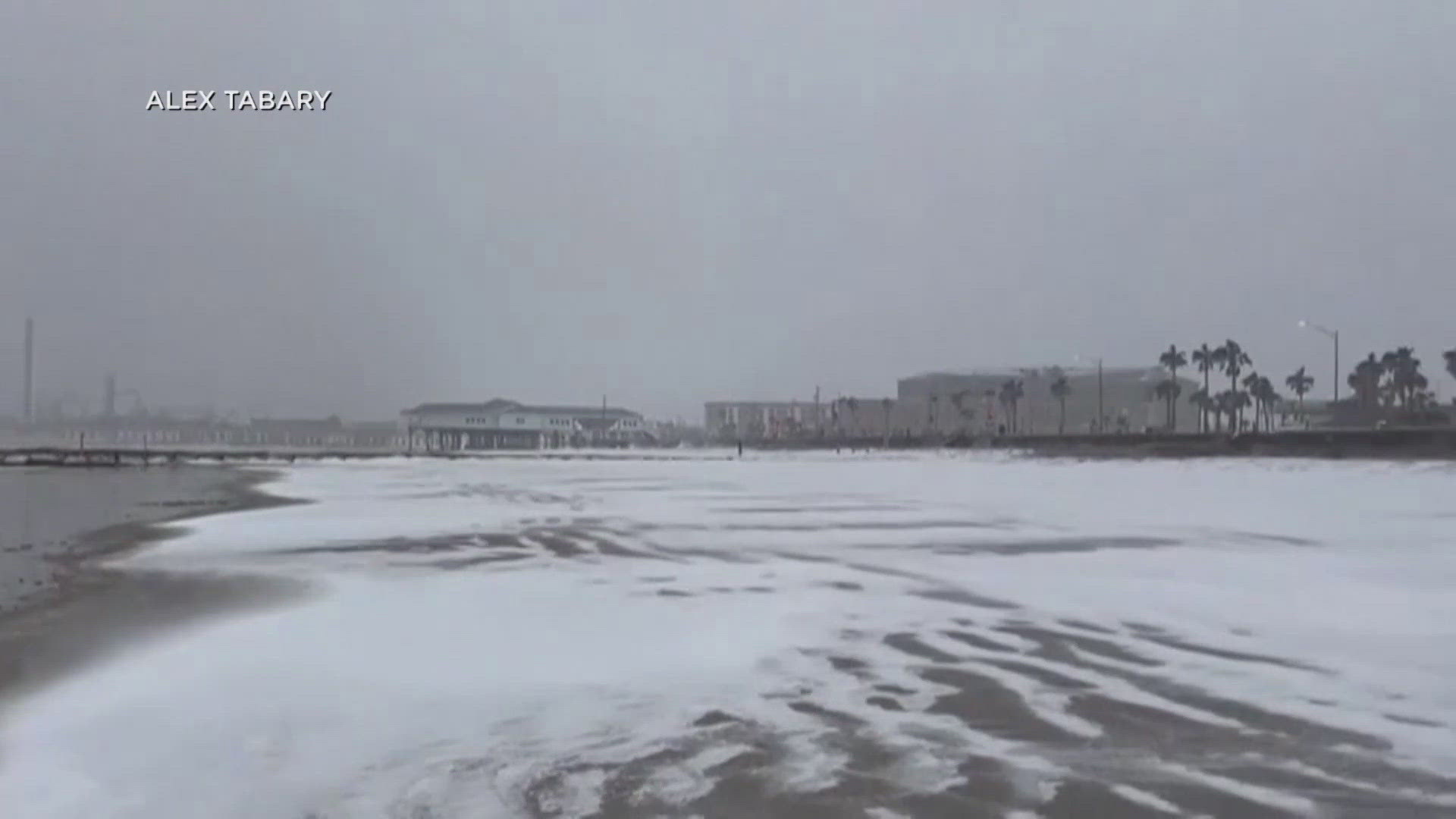
For Miami, the primary impacts of climate change are more likely to be felt in rising sea levels, increased frequency and intensity of heat waves, and more powerful hurricanes, rather than an increase in snowfall. In fact, as global temperatures rise, the conditions necessary for snow to form and reach the ground in a subtropical climate like Miami’s are likely to become even more improbable. The warmer baseline temperatures make it harder for the cold air masses needed for snow to penetrate and persist.
However, climate change can also lead to more unpredictable weather patterns. While a direct link to more frequent snowfall in Miami is not anticipated, the potential for unusual weather events, driven by disruptions in atmospheric circulation, cannot be entirely discounted. The 1977 event, while rare, serves as a reminder that even in the most unlikely of places, meteorological surprises can occur.
Miami’s Response to Extreme Weather
Miami and the surrounding South Florida region are well-adapted to handle extreme heat, humidity, and hurricanes. Infrastructure is designed to withstand high winds and heavy rainfall. While snow is not a concern for preparedness, the city’s resilience in the face of other climate-related challenges is paramount. This includes robust emergency management systems and ongoing efforts to mitigate the impacts of rising sea levels.
Beyond the Snow: Experiencing Miami’s True Climate
While the question of snow is a fascinating meteorological curiosity, it’s crucial for travelers and residents alike to understand Miami’s dominant climate. The city’s allure lies in its consistent warmth, which allows for year-round outdoor activities and a vibrant lifestyle.
Year-Round Sunshine and Warmth
Miami boasts an average of 247 sunny days per year. The winter months, from December to April, are particularly pleasant, with average temperatures in the 70s°F (21-26°C) and lower humidity. This period is ideal for exploring the city’s many attractions without the oppressive heat of summer.
Seasonal Variations
While not characterized by snow, Miami does experience distinct seasons:
- Dry Season (December to April): This is the peak tourist season, offering the most comfortable weather. Expect sunny skies, mild temperatures, and lower humidity. It’s perfect for beach days, exploring the Art Deco Historic District, and enjoying outdoor dining.
- Wet Season (May to November): This period is marked by higher temperatures, increased humidity, and frequent afternoon thunderstorms. These storms are typically short-lived, offering a brief respite from the heat before the sun returns. This is also hurricane season, with a higher probability of tropical storm activity. Despite the rain, attractions remain open, and the city maintains its lively atmosphere.
Activities Dictated by Climate
Miami’s climate directly influences its array of activities.
- Beaches and Water Sports: From the iconic shores of South Beach to the tranquil waters of Crandon Park Beach, the warm climate makes swimming, sunbathing, paddleboarding, and boating a year-round possibility.
- Outdoor Exploration: Parks like Everglades National Park and botanical gardens offer opportunities for hiking, wildlife viewing, and enjoying nature. The cooler months are particularly suited for these endeavors.
- Cultural and Nightlife: Miami’s vibrant cultural scene, from world-class museums like the Pérez Art Museum Miami to its energetic nightlife in areas like Wynwood and Little Havana, is accessible and enjoyable throughout the year, with slightly more comfortable temperatures during the dry season.
Conclusion: A Tropical Dream, Not a Winter Wonderland
In conclusion, while the meteorological archives offer a tantalizing glimpse into a historical instance of snow in Miami in 1977, it remains an extreme anomaly. For all practical purposes and for the typical traveler planning a visit, snow is not a factor in Miami’s climate. The city’s identity is inextricably linked to its tropical warmth, its sun-drenched beaches, and its lively, outdoor-centric lifestyle that persists 365 days a year. The absence of snow is, in fact, one of its most defining and attractive characteristics, solidifying its reputation as a premier destination for those seeking an escape from winter and an embrace of perpetual summer.
LifeOutOfTheBox is a participant in the Amazon Services LLC Associates Program, an affiliate advertising program designed to provide a means for sites to earn advertising fees by advertising and linking to Amazon.com. Amazon, the Amazon logo, AmazonSupply, and the AmazonSupply logo are trademarks of Amazon.com, Inc. or its affiliates. As an Amazon Associate we earn affiliate commissions from qualifying purchases.