
For millions of travelers, the dream of a winter escape involves trading snow boots for flip-flops and parkas for swimwear. When planning a trip to Florida, many potential visitors find themselves asking the same question: Is it possible to catch a glimpse of a winter wonderland in the Magic City? The short answer is no, but the story behind why Miami remains a tropical haven even in the depths of December is a fascinating look at geography, climate, and the unique allure of this coastal metropolis.
The Tropical Climate of South Florida
To understand why snow is essentially a meteorological impossibility in Miami, one must look at the city’s unique position on the globe. Situated at the tip of the United States, this urban center experiences a tropical monsoon climate. Unlike the northern states that are subject to the polar vortex or biting Arctic air masses, South Florida is heavily influenced by the Atlantic Ocean and the Gulf Stream.
The Influence of the Gulf Stream
The Gulf Stream acts as a massive thermal regulator for the region. This warm ocean current flows from the Gulf of Mexico and travels up the eastern coastline, keeping the air temperature significantly warmer than it would be otherwise. Even when a cold front pushes down from the north, by the time it reaches the humid, subtropical environment of Miami-Dade County, the air has been sufficiently modified by the surrounding warm waters.
Understanding Atmospheric Stability
In order for snow to form, you need more than just freezing temperatures at the ground level; you need a precise layering of moisture and freezing air through the entire column of the atmosphere. Miami consistently fails to meet these criteria. The atmospheric pressure systems that dominate the region usually bring either dry, stable air from the tropics or humid, warm air that results in the city’s iconic rain showers, rather than frozen precipitation.
Historical Anomalies and Frozen Myths
While it is safe to say that Miami does not have a “snow season,” history does contain a few curious anomalies that often lead to local legends. Residents who have lived in South Florida for decades may recall the legendary “snow event” of 1977.
The Great Freeze of 1977
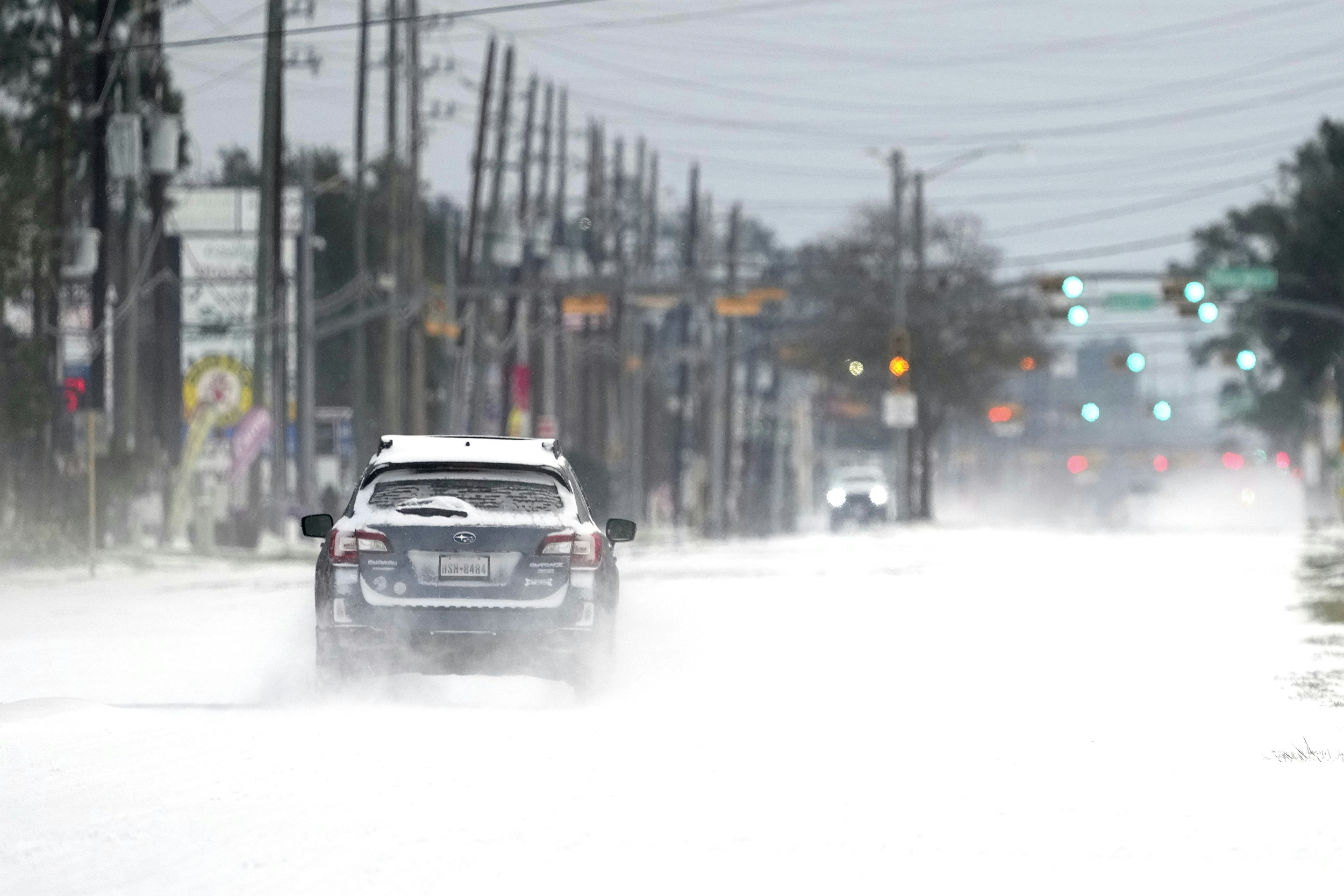
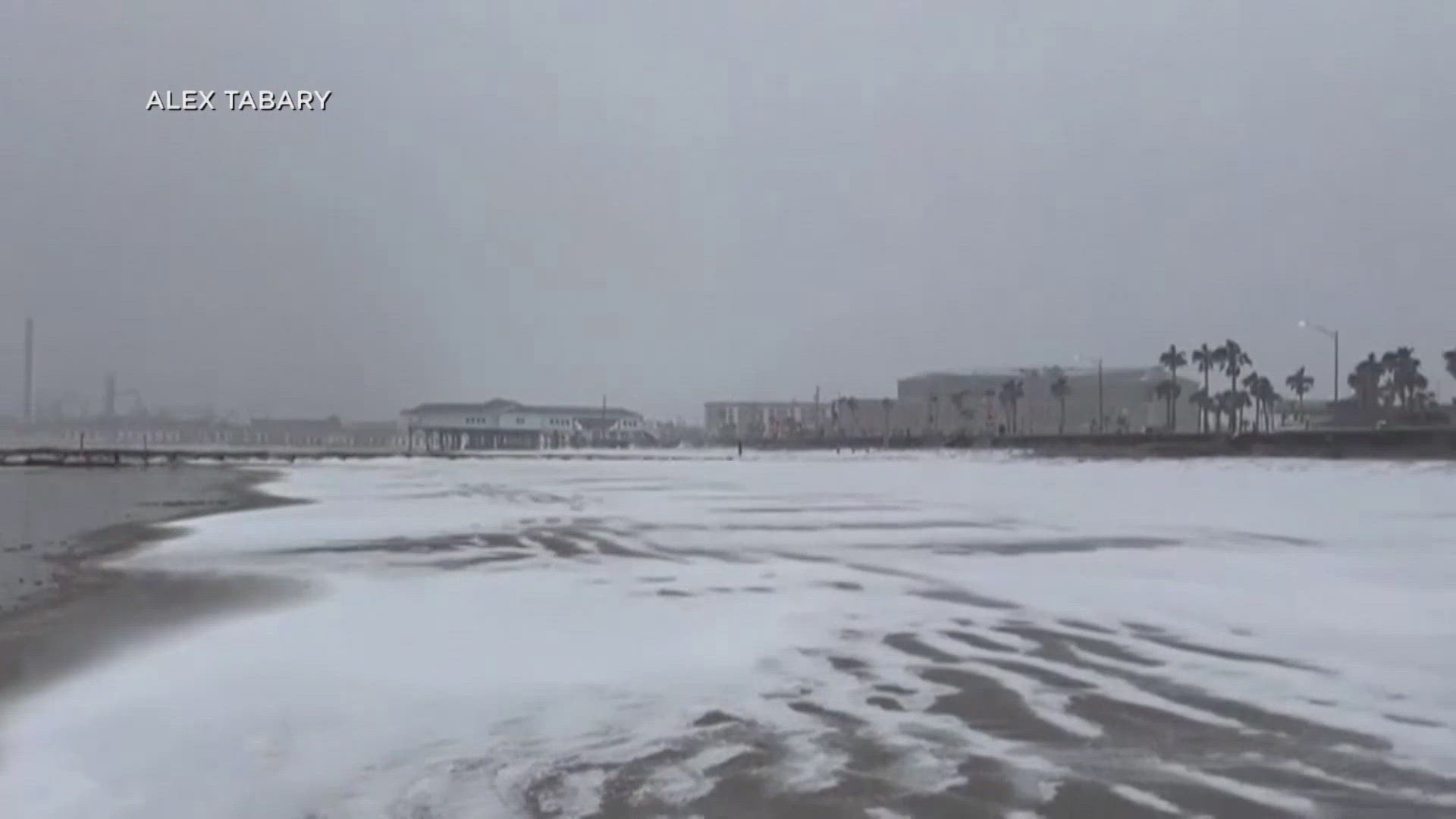
On January 19, 1977, a historic cold wave gripped the state of Florida. Residents were shocked to witness light flurries falling across the city, even reaching the beaches of Miami Beach. While it did not accumulate or stay on the ground long enough to create a snowman, it marked the first time in recorded history that snow was documented in the city. This event was so unprecedented that it remains a defining moment for meteorologists in the region.

Distinguishing Flurries from Accumulation
It is important to differentiate between “trace flurries” and a genuine snowfall. What occurred in 1977 was a fleeting phenomenon—a meteorological curiosity rather than a seasonal occurrence. For those hoping to find a snowy landscape, Miami will always be a disappointment. The city’s infrastructure, vegetation, and architecture are designed specifically to deal with heat and humidity, not ice and snow. You will find sprawling palm trees and lush botanical gardens like Fairchild Tropical Botanic Garden instead of evergreen pines, proving that the local environment is built for sunshine.
Winter Tourism: Why Visitors Choose Miami
Because the threat of snow is non-existent, Miami has positioned itself as the premier winter destination for those fleeing the harsh conditions of the north. The “winter” season in South Florida—running roughly from November through April—is arguably the best time to visit.
Peak Season Benefits
During these months, the humidity drops, the hurricane season concludes, and the temperatures remain in the comfortable 70s and 80s Fahrenheit. This creates the perfect environment for exploring the Art Deco Historic District. Walking down Ocean Drive in December is a completely different experience compared to the intense heat of August. Visitors can enjoy open-air dining at Lincoln Road Mall without the discomfort of stifling humidity.
Recreational Activities in the Winter
Without the need for winter gear, tourism in Miami flourishes year-round. While the rest of the country is shoveling driveways, locals and tourists are heading to Crandon Park for kayaking or taking a day trip to the Everglades National Park to spot wildlife. The lack of snow is exactly what makes Miami a world-class travel destination. The city offers a vibrant, outdoor-focused lifestyle where the concept of a “white Christmas” is traded for white sand beaches at South Pointe Park.
Planning Your Tropical Escape
If you are currently researching a trip to Miami to avoid the winter chill, you can rest assured that your itinerary will remain entirely free of ice. Whether you are staying at a luxury resort in Brickell or a boutique hotel in Little Havana, the climate remains consistent and inviting.
What to Pack Instead of Winter Gear
When packing for a South Florida vacation, focus on light, breathable fabrics. Even in the middle of January, you will rarely need anything heavier than a light sweater or a windbreaker for the evening breeze. The sun remains strong, so high-SPF sunscreen and sunglasses are mandatory items, regardless of the calendar month.
Embracing the Eternal Summer
The charm of Miami lies in its refusal to conform to the seasonal norms of the rest of the continent. By embracing an eternal summer, the city provides an escape hatch from the seasonal depression that often accompanies the arrival of winter. From the neon lights of Downtown Miami to the serene coastal views at Bill Baggs Cape Florida State Park, the region thrives on its tropical identity.
In conclusion, while you will never need a shovel in Miami, you will find an endless supply of warm breezes, cultural richness, and vibrant nightlife. The absence of snow is not just a geographic feature; it is the cornerstone of the city’s appeal, ensuring that whenever you decide to visit, the gates to the Caribbean and the Americas remain open, sunny, and entirely snow-free. For the traveler, Miami remains the ultimate sanctuary, proving that sometimes, the best way to deal with winter is to head as far south as possible until the snow simply stops existing.
LifeOutOfTheBox is a participant in the Amazon Services LLC Associates Program, an affiliate advertising program designed to provide a means for sites to earn advertising fees by advertising and linking to Amazon.com. Amazon, the Amazon logo, AmazonSupply, and the AmazonSupply logo are trademarks of Amazon.com, Inc. or its affiliates. As an Amazon Associate we earn affiliate commissions from qualifying purchases.