
Planning a trip between the sun-drenched oasis of Palm Springs and the neon-lit excitement of Las Vegas is a classic American desert road trip. Whether you are craving the mid-century modern aesthetic and tranquil pools of California or the high-stakes thrills of the Nevada strip, understanding the geography of this journey is essential for an efficient itinerary.
Distance and Driving Time: What to Expect
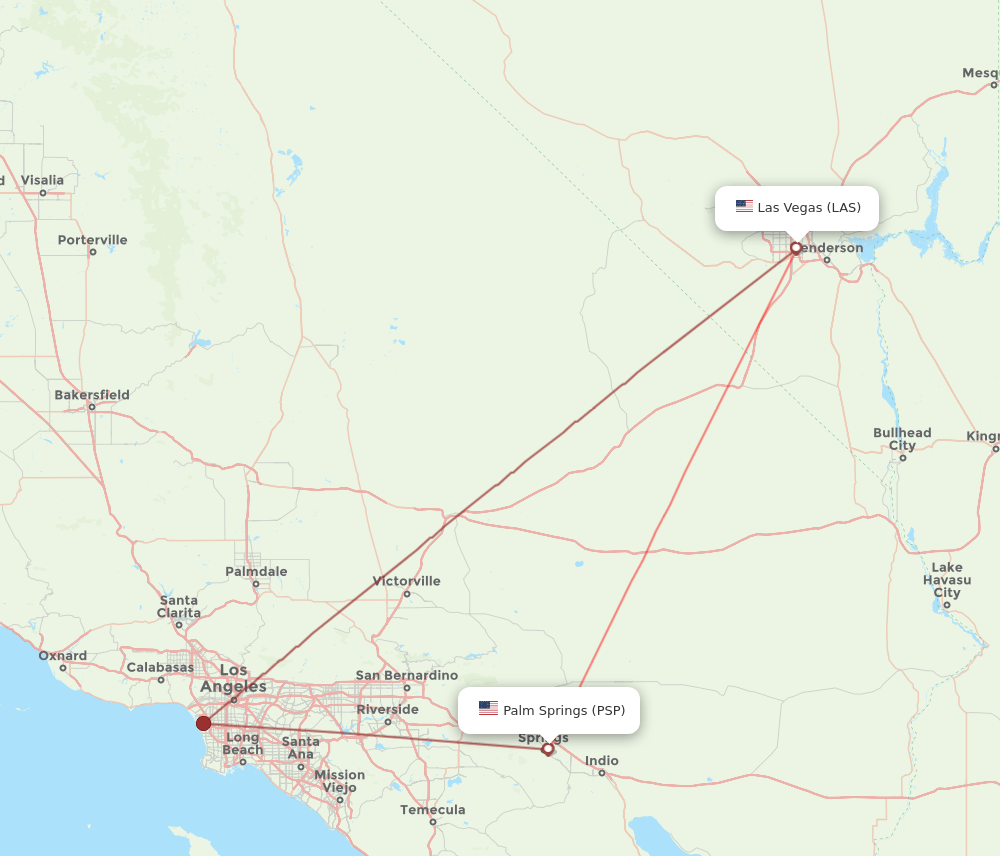
The distance between Palm Springs and Las Vegas is approximately 230 to 250 miles, depending on your specific starting point and the exact route taken. In ideal traffic conditions, the drive typically takes between 4 and 4.5 hours. While this is a manageable distance for a single day of travel, the experience varies greatly depending on the season and the time of day you choose to depart.
The Standard Route via I-15
Most travelers opt for the most direct path, which involves taking California State Route 62 north to connect with Interstate 15. This artery serves as the primary connection between the greater Los Angeles area and the Mojave Desert. Because this highway is a major thoroughfare for those traveling to the Sin City, traffic can become exceptionally heavy on Friday afternoons and Sunday evenings.
Seasonal Considerations and Desert Heat
It is impossible to overstate the importance of checking weather conditions before embarking on this drive. During the summer months, temperatures across the Mojave National Preserve can regularly exceed 110 degrees Fahrenheit. Ensuring your vehicle’s cooling system, tires, and fluids are in peak condition is vital for safety. Conversely, during winter, travelers should be mindful of potential wind storms through the mountain passes or, more rarely, light snow in the higher elevations near Mountain Pass.
Strategic Stops Along the Way
One of the greatest benefits of driving between these two desert destinations is the opportunity to see unique landmarks that are often overlooked by travelers who choose to fly. Breaking up the four-hour drive allows you to appreciate the strange, beautiful, and sometimes kitschy geography of the American Southwest.
Exploring the Mojave Desert
As you transition from the lush palm-lined streets of the Coachella Valley into the vast, open expanse of the desert, several interesting stops emerge:
- Joshua Tree National Park: While technically a detour, the park is easily accessible from the northern end of Palm Springs. Its surreal rock formations and namesake trees provide a stark, meditative contrast to the bustling casinos of the Las Vegas Strip.
- Baker: Located directly off Interstate 15, this small town is famous for being the home of the “World’s Tallest Thermometer.” It serves as a perfect pit stop to grab refreshments and stretch your legs before the final stretch into Clark County.
- Seven Magic Mountains: Situated just south of your destination, this public art installation consists of seven towers of colorful, stacked boulders. It is a popular spot for photography and provides a whimsical welcome as you approach the metropolitan area.

Travel Modes: Driving vs. Alternatives
While the vast majority of travelers choose to rent a car and drive, there are other ways to navigate the distance between these two hubs. Assessing your priorities—whether they are comfort, cost, or speed—will help you decide the best approach.
Rental Car Advantages
The rental car remains the gold standard for this trip. The primary advantage is the flexibility it provides. Once you arrive in Las Vegas, having a vehicle allows you to venture beyond the Las Vegas Boulevard to visit places like Red Rock Canyon or Valley of Fire State Park. Similarly, in Palm Springs, having a car makes it simple to visit the Palm Springs Aerial Tramway or explore the nearby shops of El Paseo.
Public and Private Transit
Though direct flights between the two cities are infrequent and often involve layovers that make flying slower than driving, there are bus services that operate along the corridor. Private shuttle services can provide a stress-free experience for those who prefer to avoid the desert driving conditions. However, these services require advanced booking and lack the “stop-wherever-you-like” freedom of a personal vehicle.
Tips for a Seamless Desert Commute
To ensure your transition from the relaxed, mid-century vibe of California to the high-energy atmosphere of Nevada is as smooth as possible, keep these logistical tips in mind:
Optimize Your Departure Time
Avoid the “rush hour” patterns of Southern California. If you depart Palm Springs before 7:00 AM on a weekday, you are likely to encounter very little traffic and arrive in Las Vegas in time for a late lunch. If your schedule is flexible, Tuesday and Wednesday are statistically the best days to make this drive, as tourism volume is significantly lower.
Stay Hydrated and Prepared
The desert is a harsh environment, and even in a modern, air-conditioned vehicle, you should always carry extra water. The stretch of highway between Barstow and the Nevada border can be lonely, and cell service can be spotty in certain valleys. Keeping a physical map or downloading offline navigation data is a smart redundancy measure.

Managing the Transition
Keep in mind that Las Vegas often feels like it operates on a different internal clock. While Palm Springs is a destination for relaxation, wellness, and quiet desert evenings, the energy of The Strip is unrelenting. Preparing for this “culture shift” can help you transition your mindset. If you are arriving from the desert quietude of Rancho Mirage or La Quinta, give yourself a little time upon arrival in Nevada to adjust to the bright lights and the fast-paced nature of the urban landscape.
Ultimately, the drive from Palm Springs to Las Vegas is a quintessential experience that highlights the dramatic changes in the American landscape. Whether you are heading to the casinos or returning to the tranquil desert architecture of Palm Springs, the journey itself is a significant chapter of your vacation. By preparing for the distance, respecting the environment, and planning your stops strategically, you can turn a simple four-hour commute into an memorable extension of your trip.
LifeOutOfTheBox is a participant in the Amazon Services LLC Associates Program, an affiliate advertising program designed to provide a means for sites to earn advertising fees by advertising and linking to Amazon.com. Amazon, the Amazon logo, AmazonSupply, and the AmazonSupply logo are trademarks of Amazon.com, Inc. or its affiliates. As an Amazon Associate we earn affiliate commissions from qualifying purchases.