
While the mere mention of New Orleans, Louisiana, conjures images of steamy jazz clubs, vibrant Mardi Gras parades, and the humid embrace of the Gulf Coast, the question of whether it snows in this famously subtropical city might seem unusual to some. The short answer is: yes, but it’s a rare and noteworthy event. For most visitors and even many residents, the idea of a white Christmas or a snow-covered French Quarter is largely a figment of collective imagination, a whimsical notion rather than a recurring meteorological phenomenon.
Understanding New Orleans’ Climate
New Orleans is characterized by a humid subtropical climate, often referred to as a Köppen Cfa climate. This classification signifies hot, humid summers and mild, somewhat damp winters. The city’s geographical location, nestled near the Mississippi River Delta and on the shores of Lake Pontchartrain, plays a significant role in moderating its temperatures. The proximity to the Atlantic Ocean via the Gulf of Mexico also contributes to the consistently warm and moist air masses that define its weather patterns for much of the year.
Temperature Trends
Average January temperatures, the coldest month, typically hover in the mid-50s Fahrenheit (around 12-14°C). Daytime highs often reach into the 60s, while overnight lows rarely dip below freezing. This means that while cool snaps do occur, they are generally brief and not severe enough to sustain snowfall. The city experiences an average of only a few days per year where temperatures drop to or below 32°F (0°C). This mild winter climate is a significant draw for tourists seeking to escape colder regions, contributing to its popularity as a winter travel destination.
Precipitation Patterns
The primary form of winter precipitation in New Orleans is rain. The city receives a substantial amount of rainfall throughout the year, with the winter months being relatively wet compared to drier periods. This consistent moisture, combined with cooler air, means that when colder air masses do push south, the conditions are ripe for precipitation. However, for snow to fall, temperatures must be at or below freezing throughout the atmospheric column where precipitation forms and falls. This confluence of atmospheric conditions is what makes snowfall so infrequent.
Humidity’s Role
High humidity is a hallmark of New Orleans weather. This humidity, while contributing to the city’s characteristic muggy summers, can also influence winter weather. When cold air arrives, it often mixes with lingering moisture, leading to fog, drizzle, or rain rather than dry, powdery snow. The ground temperature is also a crucial factor; even if the air temperature is near freezing, a warmer ground can melt falling snow before it accumulates.
Historical Snowfall Events in New Orleans
While not a regular occurrence, New Orleans has indeed experienced snowfall throughout its history. These events are often etched into the collective memory of residents and are frequently discussed in local lore. The most significant and well-documented snowfalls are notable for their rarity and the unusual disruption they cause.
The 2004 Winter Storm
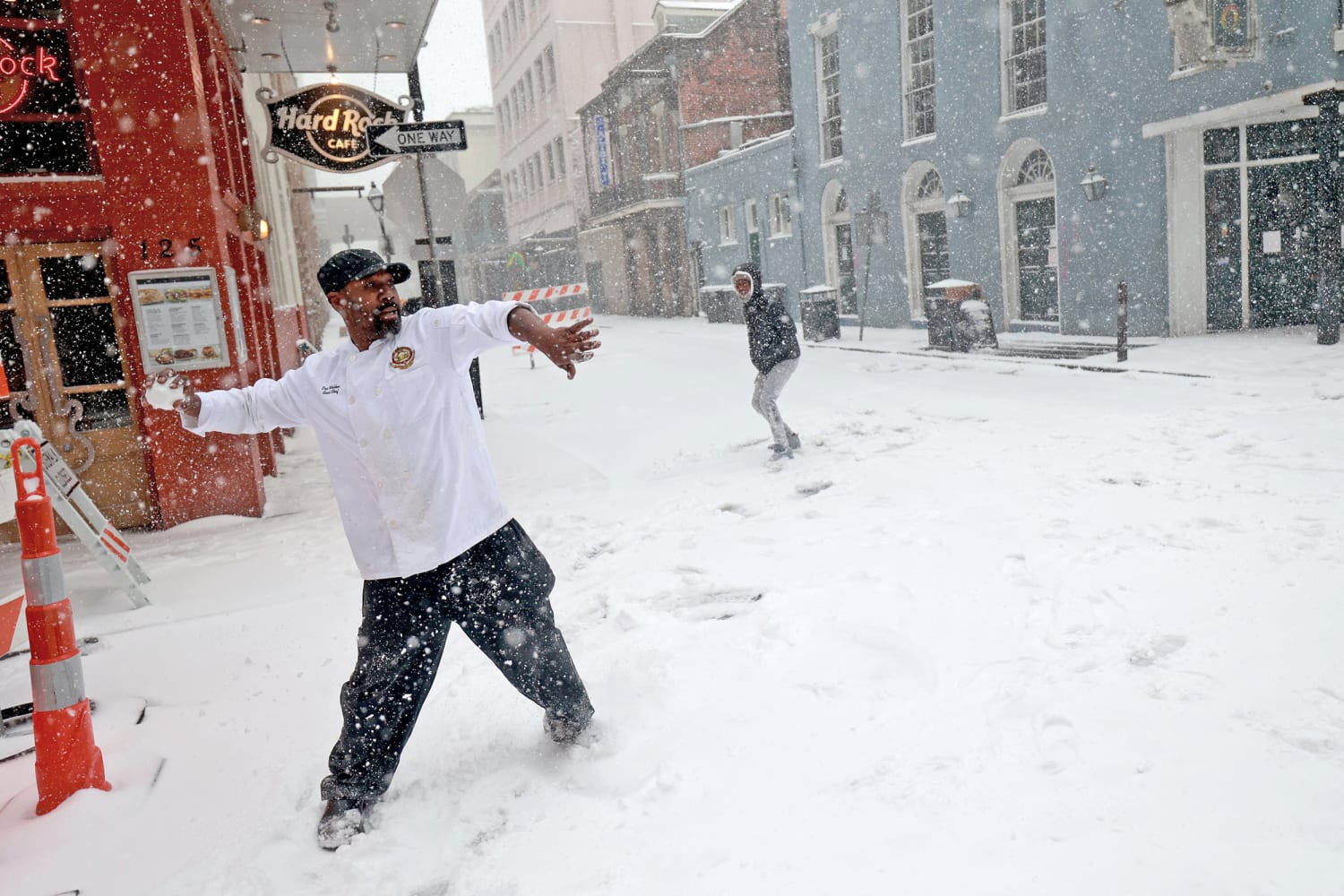
Perhaps one of the most memorable recent snowfall events occurred in December 2004. A rare cold wave brought a significant amount of snow to the region, blanketing parts of New Orleans and its surrounding parishes. While accumulation varied, some areas received several inches of snow, causing considerable disruption. Schools were closed, traffic came to a standstill, and residents, unaccustomed to such conditions, flocked outdoors to experience the novelty. Children built makeshift snowmen, and adults captured the phenomenon with cameras, eager to document this unusual spectacle. The event highlighted the city’s lack of infrastructure and preparedness for snow, with many vehicles unequipped for icy roads and public transit systems struggling.
Other Notable Occurrences
Beyond the 2004 event, other instances of snow have been recorded. In February 1895, a substantial snowfall occurred, reportedly up to 8 inches in some areas, which was a remarkable accumulation for the time and region. More recently, a brief dusting of snow was observed in January 2018, causing similar levels of excitement and disruption as the 2004 event, albeit with less accumulation. These occurrences, though infrequent, serve as a reminder that while warmth and humidity define the city’s climate, winter’s icy touch can, on rare occasions, reach the Crescent City.

Planning a Trip to New Orleans: What to Expect in Winter
For travelers considering a visit to New Orleans during the winter months (December through February), it’s essential to pack for mild, potentially damp weather rather than expecting snow. The primary advantage of visiting during this time is the escape from colder climates, with temperatures that are generally pleasant for exploring the city’s many attractions.
Packing Essentials
Your wardrobe for a New Orleans winter trip should focus on layers. A light to medium jacket or coat is advisable for cooler evenings and early mornings. Comfortable walking shoes are a must, as you’ll be doing a lot of exploring on foot through neighborhoods like the French Quarter and the Garden District. Include long-sleeved shirts, sweaters, and perhaps a pair of jeans or comfortable trousers. An umbrella or a waterproof jacket is also highly recommended, as rain showers can be frequent. While you might dream of a snowy scene, your packing list should prioritize comfort in a subtropical winter.
Winter Activities and Attractions
The mild winter climate makes New Orleans an ideal destination for outdoor activities. This is a perfect time to enjoy a leisurely stroll through the historic streets, take a steamboat cruise on the Mississippi River, or explore the lush Audubon Park. The city’s culinary scene is a year-round attraction, and winter offers a chance to savor classic dishes like gumbo, jambalaya, and beignets in cozy restaurants without the oppressive summer heat. The period between New Year’s Day and Mardi Gras is often referred to as “Carnival Season,” with many parades and events leading up to the main celebration. This offers a unique cultural experience that is best enjoyed in comfortable weather.
Accommodation Considerations
Visitors seeking accommodation in New Orleans during the winter will find a wide range of options, from luxurious hotels in the French Quarter to charming bed and breakfasts in quieter neighborhoods like the Garden District. Hotels such as the Roosevelt New Orleans, A Waldorf Astoria Hotel or the historic Hotel Monteleone offer a quintessential New Orleans experience. Booking in advance is always recommended, especially around major events like Mardi Gras, even though snow is highly unlikely to impact travel plans. The winter months can sometimes offer better rates and fewer crowds than the peak spring and fall seasons, making it an attractive time to visit.
The Allure of the Unpredictable: Snow in a Tropical City
The very rarity of snowfall in New Orleans is part of its charm and the reason why it captures the imagination. It’s a meteorological anomaly that transforms the familiar landscape into something ethereal and unexpected. When snow does fall, it often brings a sense of childlike wonder and a collective pause from the city’s usual vibrant rhythm.
A Brief Respite from the Norm
For a few hours, or perhaps a day, New Orleans can resemble a scene from a different climate zone. The historic architecture of the French Quarter, typically bathed in warm sunlight, takes on a softer, more subdued beauty under a blanket of white. The iconic wrought-iron balconies dusted with snow create a picturesque contrast that few who witness it ever forget. This temporary transformation highlights the city’s resilience and adaptability, showing that even in a place defined by heat and humidity, winter can make a fleeting, magical appearance.
The Cultural Impact of Snowfall
The limited snowfall has a distinct cultural impact. It’s a topic of conversation, a shared memory that binds residents. Those who experienced significant snowfalls often recount their stories with vivid detail, remembering the sights, sounds, and the general disruption it caused. It’s a reminder that nature’s whims can transcend even the most established regional identities. While New Orleans is celebrated for its unique culture, its climate is also a defining characteristic, and the rare moments when snow graces the city add another layer to its complex and captivating identity. It’s a testament to the city’s ability to find joy and wonder in the unexpected, whether it’s a surprise snowfall or the improvisational spirit of a jazz band.

Future Climate Considerations
As global climate patterns shift, it is an interesting point of speculation whether the frequency or intensity of such rare events might change in the future. However, based on current climatic models and historical data, significant snowfall in New Orleans is expected to remain an exceptional event, a delightful and memorable deviation from the city’s predominantly warm and humid weather. The allure of New Orleans remains firmly rooted in its vibrant culture, rich history, and subtropical charm, with the occasional whisper of snow adding a touch of extraordinary magic to its already captivating narrative.
LifeOutOfTheBox is a participant in the Amazon Services LLC Associates Program, an affiliate advertising program designed to provide a means for sites to earn advertising fees by advertising and linking to Amazon.com. Amazon, the Amazon logo, AmazonSupply, and the AmazonSupply logo are trademarks of Amazon.com, Inc. or its affiliates. As an Amazon Associate we earn affiliate commissions from qualifying purchases.