
Yes, it absolutely snows in South Dakota! Far from being a rare occurrence, snowfall is a defining characteristic of the state’s winter months, transforming its vast plains, rolling hills, and iconic landmarks into a stunning, often stark, white landscape. For travelers contemplating a visit to this Midwestern gem, understanding its winter climate, including when and where to expect snow, is paramount to planning an enjoyable and safe journey. South Dakota’s winters are known for their cold temperatures and significant snowfall, offering unique opportunities for winter sports enthusiasts and those seeking the serene beauty of a snow-covered wilderness. This comprehensive guide will delve into the intricacies of South Dakota’s snowy season, providing essential insights for anyone looking to explore its winter wonderland.

A Comprehensive Look at South Dakota’s Winter Climate
South Dakota’s climate is predominantly continental, characterized by distinct seasons with hot summers and cold, snowy winters. The state’s inland location, far from the moderating influence of large bodies of water, allows for wide temperature variations and substantial seasonal precipitation, much of which falls as snow during the colder months.
Seasonal Overview: When to Expect Snow
The first significant snowfalls in South Dakota typically begin in late October or early November, especially in the western and northern parts of the state. However, the most consistent and heaviest snow usually occurs from December through February. March can also see considerable snowfall, often bringing large, late-season storms. By April, snowfall becomes less frequent and significant, though light dustings are not entirely uncommon in the early part of the month. The peak of winter, from mid-December to mid-February, is when travelers can most reliably expect snow-covered landscapes and participate in winter activities. Temperatures during these months often dip well below freezing, with average highs ranging from the teens to low 30s Fahrenheit (around -10°C to 0°C) and overnight lows frequently plummeting to single digits or even below zero.
Regional Differences in Snowfall
While snow is a statewide phenomenon, its intensity and accumulation vary significantly across South Dakota’s diverse topography:
- The Black Hills Region: Located in the western part of the state, the Black Hills consistently receive the most snowfall. Higher elevations and unique microclimates contribute to heavier accumulations, often exceeding 100 inches annually in some areas. Communities like Lead and Deadwood are prime examples, making this region a hub for winter sports. The mountainous terrain traps moisture, leading to more frequent and intense snow events compared to the eastern plains.
- Eastern Plains: This vast area, encompassing cities like Sioux Falls and Brookings, experiences significant snowfall, though generally less than the Black Hills. Annual averages here typically range from 30 to 50 inches. Snowstorms can be widespread and accompanied by strong winds, leading to blizzard conditions and significant drifting snow, which can severely impact travel.
- Central South Dakota: Bisected by the Missouri River, this region, including cities like Pierre and Chamberlain, sees snowfall averages similar to the eastern plains, around 30-50 inches. However, its more exposed nature can lead to particularly severe wind chills during winter storms.
Understanding these regional variations is key for travelers, as it influences not only the likelihood of seeing snow but also the type of winter experience one can expect.
Navigating Winter in South Dakota: What Travelers Need to Know
A winter trip to South Dakota promises unique beauty, but it also requires careful preparation. Awareness of the climate, potential challenges, and necessary precautions will ensure a smoother and more enjoyable journey.
Average Snowfall and Temperature Ranges
On average, South Dakota receives between 30 and 60 inches of snow annually, with localized areas in the Black Hills often exceeding this. January is typically the coldest month, with average high temperatures statewide often remaining below freezing (0°C or 32°F) and nighttime lows frequently dropping to -18°C (0°F) or colder. Wind chills can make these temperatures feel significantly more severe, sometimes reaching dangerous levels. While sunny days can warm up to the 20s or 30s Fahrenheit, cold snaps are common and can bring temperatures well below zero for extended periods.
Impact on Travel and Road Conditions
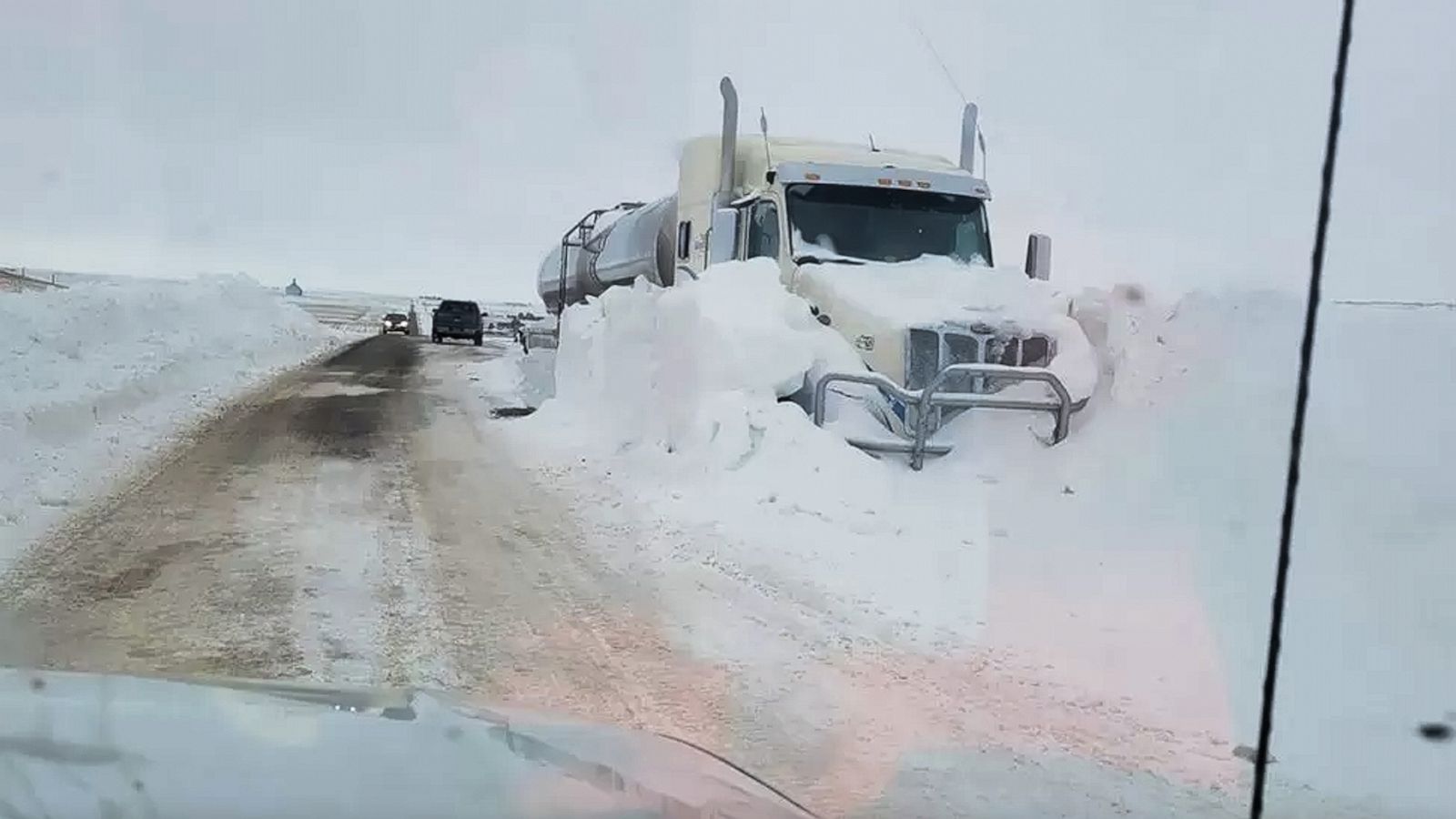
Snow and ice can significantly impact travel in South Dakota. State highways and interstates (like I-90 and I-29) are generally well-maintained and plowed quickly, but secondary roads, especially in rural areas, may take longer to clear. Blizzards are a real threat, particularly on the open plains, where strong winds can create whiteout conditions and massive snowdrifts, leading to road closures. The South Dakota Department of Transportation (SDDOT) provides excellent resources for road conditions, which travelers should check frequently, especially before embarking on longer drives. Four-wheel drive or all-wheel drive vehicles are highly recommended, and always ensure your vehicle is equipped with good winter tires. Carry an emergency kit, including blankets, extra warm clothing, food, water, a shovel, flashlight, and a fully charged cell phone.
Preparing for a South Dakota Winter Trip
Layering is crucial for comfort and safety in South Dakota’s winter. Begin with a moisture-wicking base layer, add insulating middle layers (fleece or down), and top with a waterproof and windproof outer shell. Don’t forget warm socks, waterproof boots with good traction, insulated gloves or mittens, and a warm hat that covers your ears. Sun protection (sunglasses and sunscreen) is also important, as snow reflects UV rays, increasing the risk of sunburn and glare.
Embracing the Winter Wonderland: Activities and Attractions
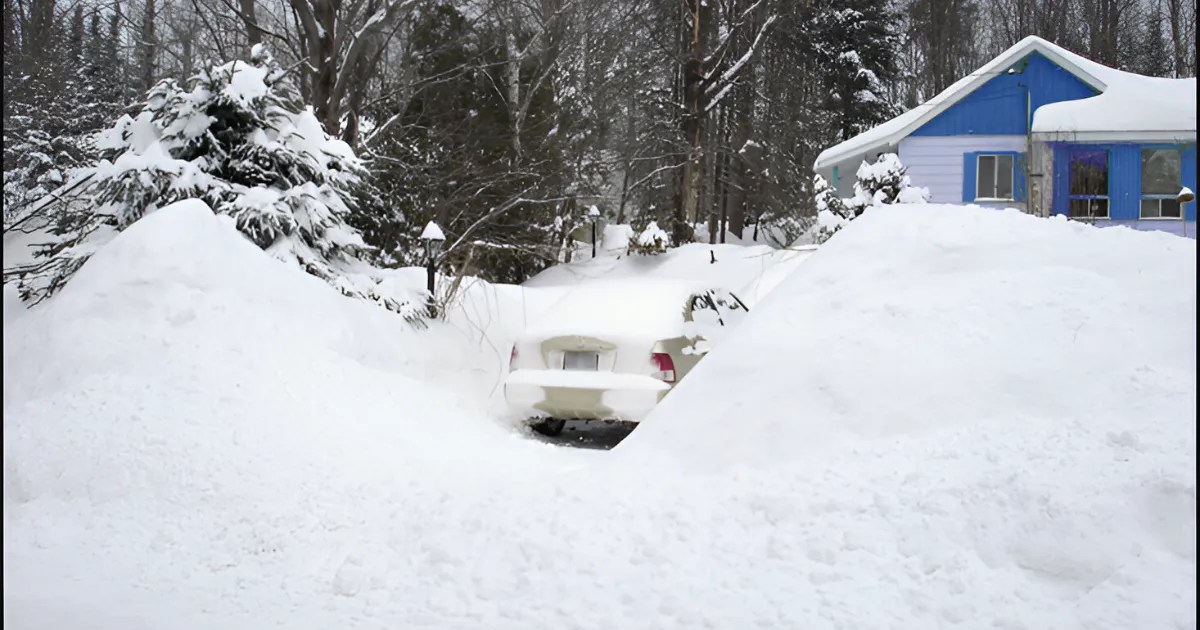
Despite the cold and snow, South Dakota offers a wealth of winter activities and experiences that highlight its unique beauty. The snow transforms the landscape into a peaceful, often dramatic, setting.
Popular Winter Sports and Recreation
The Black Hills region is undoubtedly the epicenter for winter sports.
- Skiing and Snowboarding: Terry Peak Ski Area near Lead is South Dakota’s’s premier downhill skiing and snowboarding destination, offering a variety of runs for all skill levels.
- Snowmobiling: South Dakota boasts hundreds of miles of groomed snowmobile trails, particularly popular in the Black Hills and Custer State Park, offering exhilarating rides through scenic forests.
- Cross-country Skiing and Snowshoeing: Numerous trails throughout the state, including those in the Black Hills National Forest and various state parks, become perfect for cross-country skiing and snowshoeing when covered in snow, providing a serene way to experience the winter landscape.
- Ice Fishing: The frozen lakes and rivers, particularly along the Missouri River reservoirs, offer excellent opportunities for ice fishing, a popular pastime for locals and visitors alike.
- Ice Skating: Many communities maintain outdoor rinks, and some natural lakes, once safely frozen, also become popular skating spots.
Iconic Landmarks in a Snowy Landscape
Visiting South Dakota’s famous attractions in winter offers a dramatically different and often more profound experience:
- Mount Rushmore National Memorial: The presidential faces carved into granite, dusted with snow and surrounded by frost-covered pine trees, present an incredibly majestic and patriotic sight. Fewer crowds mean a more contemplative visit. The visitor center and walking paths remain accessible, weather permitting.
- Badlands National Park: The rugged, otherworldly spires and buttes of the Badlands, when capped with snow, create a starkly beautiful and almost monochromatic landscape that is a photographer’s dream. While some roads may be closed, the main loop road often remains open, offering breathtaking views.
- Custer State Park: The park remains open year-round, and its wildlife loop road offers chances to see bison, elk, and deer against a snowy backdrop. The scenic drives, like Needles Highway (often closed in winter) and Iron Mountain Road (parts may remain open), become even more picturesque with snow.
- Spearfish Canyon: The waterfalls along the Spearfish Canyon Scenic Byway, such as Roughlock Falls and Bridal Veil Falls, partially freeze, creating stunning ice formations that are particularly captivating for photographers.
Planning Your Winter Visit to South Dakota
Careful planning is essential for a rewarding winter adventure in South Dakota. Considering the specific experiences you seek and preparing appropriately will make all the difference.
Best Times for Specific Winter Experiences
- Peak Snowfall & Winter Sports: December through February are ideal for guaranteed snow and access to downhill skiing, snowboarding, and extensive snowmobiling opportunities, particularly in the Black Hills.
- Fewer Crowds & Serene Beauty: November and March can offer a quieter experience at major attractions like Mount Rushmore and Badlands National Park, with the possibility of fresh snow without the deepest cold of mid-winter. However, facilities may have reduced hours, and some roads might still be subject to closure.
Essential Packing List and Safety Tips
Beyond the layered clothing mentioned earlier, consider these additions:
- Vehicle Preparedness: Ensure your car battery is in good condition, tires are properly inflated, and fluids (antifreeze, wiper fluid) are topped off. A full tank of gas is always advisable when traveling in rural, cold areas.
- Emergency Kit: Include a small shovel, jumper cables, tow rope, first-aid kit, non-perishable food, water, and extra blankets.
- Navigation: While cell service is generally good in developed areas, it can be spotty in remote parts of South Dakota. Carry paper maps or download offline maps to your phone.
- Stay Informed: Continuously check weather forecasts and road conditions before and during your travel. The South Dakota Department of Transportation website is an invaluable resource.
- Inform Others: If you plan on venturing into remote areas for hiking or snowmobiling, inform someone of your route and expected return time.
Beyond the Snow: The Beauty of South Dakota’s Cold Season
Winter in South Dakota is more than just cold temperatures and snowfall; it’s an immersive experience in natural grandeur. The silence that often accompanies a fresh snowfall, the crisp air, and the unique challenges and rewards of exploring a snow-covered landscape create lasting memories.
Photography Opportunities and Serene Landscapes
For photographers, winter offers unparalleled opportunities. The contrast of white snow against dark pine forests, the golden hour light reflecting off vast snowfields, and the intricate patterns of frozen waterfalls provide endless inspiration. Wildlife, often more visible against the white backdrop, adds another dimension to photographic pursuits. Beyond the visual, the serenity of a South Dakota winter, particularly away from urban centers, is a unique draw. It offers a chance for introspection and a deep connection with nature, far removed from the bustling crowds of peak tourist seasons.
In conclusion, yes, it snows in South Dakota, and it does so abundantly. Far from being a deterrent, the snow transforms the state into a captivating winter destination, offering a blend of thrilling outdoor activities and serene, breathtaking vistas. With proper planning and preparation, a winter trip to South Dakota can be an unforgettable adventure, revealing a side of the state that is both rugged and profoundly beautiful.
LifeOutOfTheBox is a participant in the Amazon Services LLC Associates Program, an affiliate advertising program designed to provide a means for sites to earn advertising fees by advertising and linking to Amazon.com. Amazon, the Amazon logo, AmazonSupply, and the AmazonSupply logo are trademarks of Amazon.com, Inc. or its affiliates. As an Amazon Associate we earn affiliate commissions from qualifying purchases.