
The world of higher education often uses abbreviations and acronyms that can leave newcomers scratching their heads. One such prominent institution in the United States is Texas A&M University. While the “Texas” part is straightforward, indicating its geographical location, the “A&M” often prompts a question: What does A&M stand for, and what is its significance to the identity of this esteemed university? This exploration delves into the historical roots of the “A&M” designation, its enduring relevance, and how it shapes the very fabric of the university’s mission and its connection to the broader landscape of Texas tourism, travel, and lifestyle.
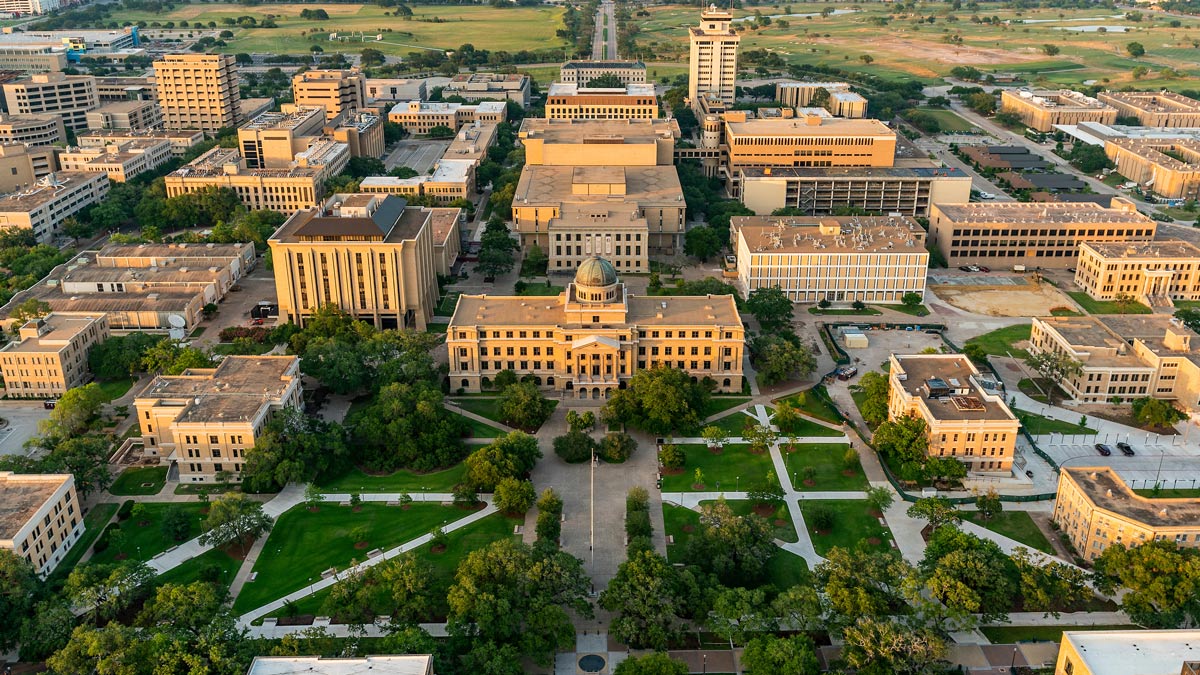
The Genesis of A&M: A Commitment to Agriculture and Mechanical Arts
To understand “A&M,” we must journey back to the university’s founding. Texas A&M University was established in 1876 as the Agricultural and Mechanical College of Texas. This name was not a mere formality; it was a direct reflection of the Morrill Land-Grant Colleges Act of 1862, a landmark piece of federal legislation. This act provided grants of federal land to states to establish colleges that would teach “agriculture and the mechanical arts.” The purpose was to foster practical education and research that would benefit the nation’s growing agricultural and industrial sectors.
The Morrill Act and its Impact
The Morrill Act, often referred to as the Land-Grant Act, was a transformative piece of legislation. It democratized higher education by making it accessible beyond the traditional liberal arts model. The goal was to create institutions that offered a more vocational and applied education, equipping students with skills directly applicable to farming, engineering, and other practical trades. These colleges were envisioned as engines of innovation and economic development, crucial for a nation undergoing rapid expansion and industrialization. Texas was an eager recipient of this initiative, and thus, the Agricultural and Mechanical College of Texas was born.
The “A” for Agriculture
The “A” in A&M unequivocally stands for “Agriculture.” From its inception, the Agricultural and Mechanical College of Texas was dedicated to advancing agricultural science, practices, and education. This was particularly relevant in Texas, a state with vast agricultural lands and a significant reliance on farming and ranching. The university was tasked with conducting research to improve crop yields, develop better livestock management techniques, and educate future generations of farmers and agricultural professionals. This foundational commitment to agriculture remains a cornerstone of the university’s identity and a significant aspect of its research and outreach programs. This historical emphasis on agriculture also influences the cultural landscape of College Station, the home of Texas A&M, with many local businesses and attractions catering to or celebrating this heritage.
The “M” for Mechanical Arts
The “M” represents “Mechanical Arts.” This encompassed a broad range of technical and engineering disciplines. In the 19th century, “mechanical arts” would have included fields like engineering, mechanics, manufacturing, and construction. The aim was to provide students with the technical expertise needed to design, build, and maintain the machinery and infrastructure that powered the industrial revolution and continued to drive economic growth. This commitment to engineering and technical education has evolved significantly over the decades, with Texas A&M now boasting world-renowned engineering programs that are at the forefront of innovation in fields like aerospace, petroleum, and computer engineering. The university’s strong engineering presence continues to shape the technological landscape of Texas and beyond, attracting students and researchers from across the globe.
Evolution and Enduring Significance
While the university officially became Texas A&M University in 1963, shedding the more restrictive “College” in its name, the “A&M” designation was retained. This decision was not arbitrary; it was a deliberate choice to honor the institution’s rich history and its foundational principles. The “A&M” serves as a constant reminder of the university’s origins as a land-grant institution dedicated to serving the people of Texas through practical education and research.

From College to University
The transition from the Agricultural and Mechanical College of Texas to Texas A&M University marked a significant evolution. It reflected the university’s growth, the expansion of its academic offerings beyond agriculture and mechanical arts, and its increasing prominence as a comprehensive research institution. However, the core mission of public service and practical application of knowledge, rooted in the “A&M” legacy, continued to guide its development. This evolution mirrors the broader changes in American higher education, where many land-grant institutions have grown into multifaceted universities offering a wide array of disciplines. The success of Texas A&M is a testament to its ability to adapt while staying true to its founding ideals.
The “A&M” in Modern Identity
Today, the “A&M” in Texas A&M University is more than just a historical artifact; it is an integral part of the university’s identity. It signifies a commitment to excellence in education, research, and service, particularly in fields that have a direct impact on society. While Texas A&M now offers programs in virtually every academic discipline, from the humanities and social sciences to business and medicine, its roots in agriculture and engineering continue to influence its strengths and its strategic direction. The university remains a leader in agricultural research and innovation, contributing significantly to the sustainability and productivity of Texas’s agricultural sector. Similarly, its engineering programs are highly ranked and play a crucial role in developing the next generation of engineers and innovators. This dual focus ensures that the “A&M” spirit of practical application and societal contribution thrives.
Experiencing the “A&M” Legacy in Texas
The enduring legacy of the “A&M” designation is palpable not only within the university campus but also in the surrounding community and across the state of Texas. Visitors to College Station can experience this heritage firsthand through various attractions and cultural touchstones. The spirit of innovation and service that defined the Agricultural and Mechanical College of Texas continues to shape the local lifestyle and influence the broader tourism landscape of the region.
College Station: A Hub of Aggieland
College Station, home to Texas A&M University, is intrinsically linked to the “A&M” identity. The city’s culture, economy, and character are deeply influenced by the university. Visitors can explore attractions that celebrate this connection. The George H.W. Bush Presidential Library and Museum offers a glimpse into the life and legacy of a distinguished alumnus and former President, reflecting the university’s impact on national and international affairs. The Rudder Auditorium and the George P. Bush Suite host numerous events throughout the year, showcasing the vibrant cultural life fostered by the university community. For those interested in the agricultural roots, exploring local farms or farmers’ markets can offer a taste of the ongoing importance of this sector to the region. The many hotels in College Station, from budget-friendly options to more upscale suites, provide comfortable accommodation for visitors looking to immerse themselves in the Aggieland experience. The dining scene also reflects the diverse influences of the university community, with a range of restaurants catering to various tastes.
Beyond College Station: The Statewide Impact
The “A&M” system extends beyond College Station, with multiple campuses and research centers across Texas. These institutions continue to serve their respective communities by providing specialized education and research in areas crucial to the state’s economy and well-being. For travelers interested in Texas tourism, understanding the “A&M” legacy provides context for the state’s commitment to innovation, education, and economic development. Whether exploring the vast agricultural plains of West Texas, the bustling energy of Houston, or the historical significance of San Antonio, the spirit of practical application and service, born from the “A&M” ethos, can be seen in the state’s ongoing progress and development. Many of these regions boast unique landmarks and cultural experiences that highlight the diverse industries and communities that Texas A&M has historically supported and continues to influence. From luxury travel experiences in Austin to family-friendly resorts in the Texas Hill Country, the state offers a rich tapestry of destinations, many of which have benefited from the research and workforce developed by the A&M system.

The Lifestyle of the Aggie Network
The “A&M” legacy has also fostered an incredibly strong and loyal alumni network, often referred to as the “Aggie Network.” This network is a significant part of the university’s cultural fabric and extends its influence far beyond the academic realm. For those interested in lifestyle and travel, understanding the “Aggie Network” can offer unique insights into communities and businesses across Texas and the world. Many Texas A&M alumni are involved in various industries, including hospitality, tourism, and business, and their shared experiences often create a sense of camaraderie and mutual support. This network can also translate into unique travel experiences, with opportunities to connect with locals and discover hidden gems through fellow Aggies. Whether seeking recommendations for a boutique hotel in Dallas or a local dining experience in a small Texas town, the Aggie Network often proves to be an invaluable resource for authentic travel and lifestyle exploration.
In conclusion, the “A&M” in Texas A&M University is a profound historical marker, signifying a foundational commitment to agriculture and mechanical arts that has shaped its identity and mission for over a century. This legacy continues to resonate today, influencing its academic pursuits, research endeavors, and its vital role in the economic and cultural landscape of Texas. For anyone visiting Texas, understanding the “A&M” designation adds a deeper layer of appreciation for the state’s dedication to practical education, innovation, and the enduring pursuit of knowledge that serves the public good.
LifeOutOfTheBox is a participant in the Amazon Services LLC Associates Program, an affiliate advertising program designed to provide a means for sites to earn advertising fees by advertising and linking to Amazon.com. Amazon, the Amazon logo, AmazonSupply, and the AmazonSupply logo are trademarks of Amazon.com, Inc. or its affiliates. As an Amazon Associate we earn affiliate commissions from qualifying purchases.