
For travelers planning a getaway to the Pacific, the logistics of flight paths and airline availability are the first hurdles to overcome. Hawaii remains one of the most coveted destinations in the United States, offering a unique blend of tropical landscapes, rich indigenous culture, and world-class leisure activities. However, when it comes to the specific question of whether JetBlue Airways serves the islands, the answer is nuanced. While many travelers associate JetBlue with its extensive network across the East Coast, the Caribbean, and parts of Europe, the airline does not currently operate its own direct flights to the Hawaiian archipelago.
The Current Status of JetBlue’s Routes to the Aloha State
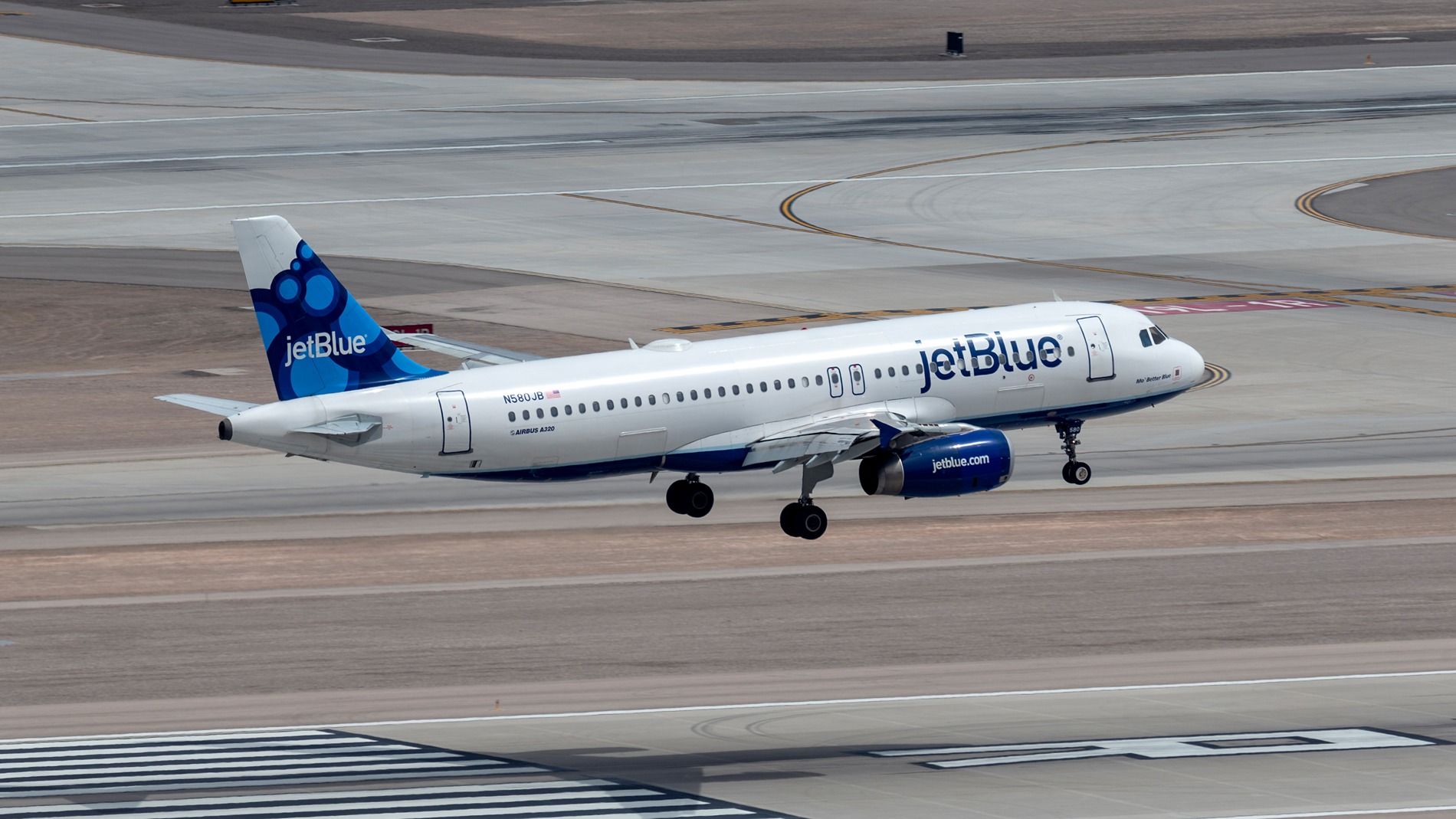
Despite being a major player in the American aviation industry, JetBlue has focused its long-haul strategy on transatlantic routes and expanding its presence in markets like New York City and Boston. As of now, if you search the JetBlue website for flights to Honolulu or Maui, you will find that the airline does not deploy its own fleet—including its famous Mint premium service—on routes crossing the Pacific Ocean.
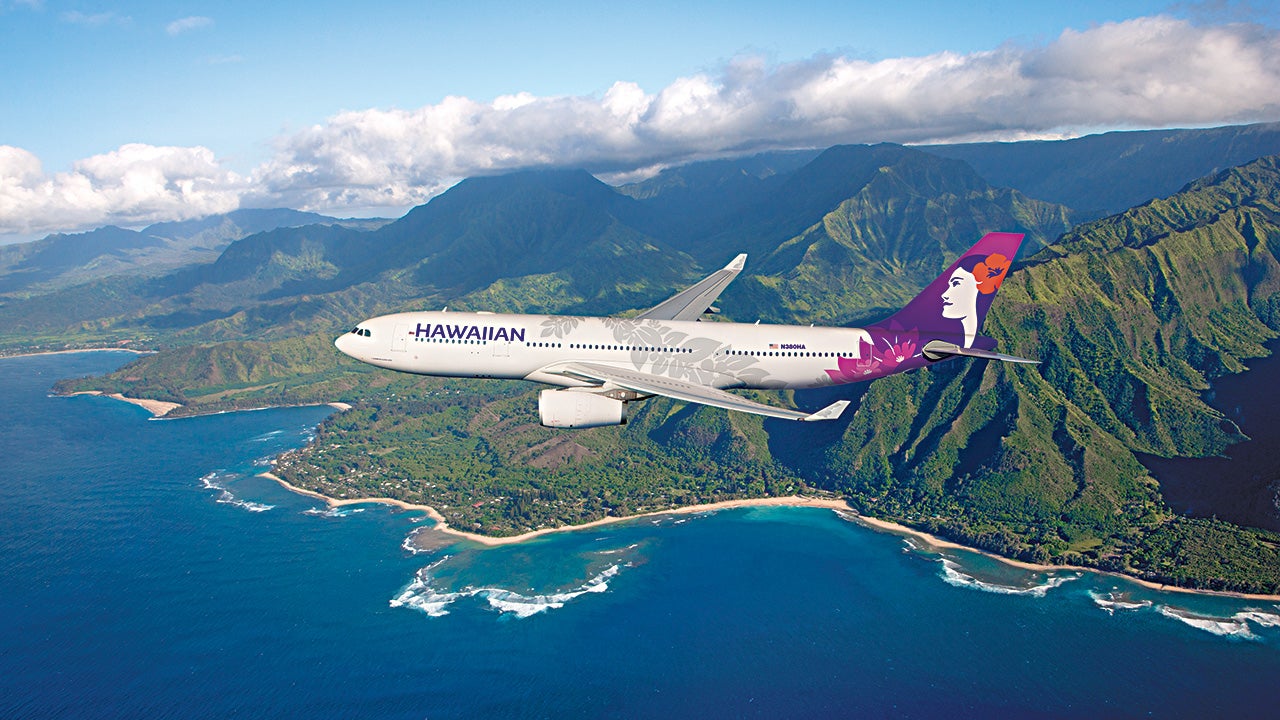
However, savvy travelers can still leverage JetBlue’s partnerships. Through a long-standing codeshare agreement with Hawaiian Airlines, passengers can book a journey that originates on a JetBlue flight and connects seamlessly to a Hawaiian Airlines aircraft. This partnership typically involves a layover in major West Coast hubs such as Los Angeles, San Francisco, or Seattle. While you are not technically flying on a JetBlue plane the entire way, this arrangement allows for a simplified booking process and the potential to earn or redeem loyalty points within the JetBlue ecosystem.
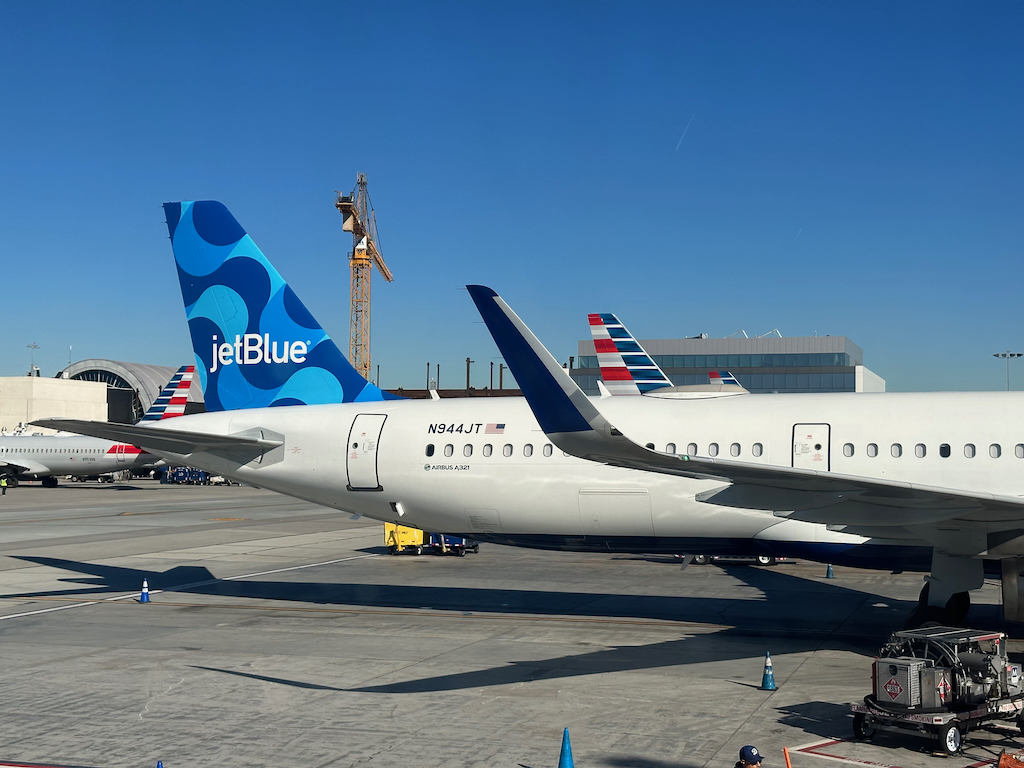
The absence of direct JetBlue service to Hawaii is largely due to the specific fleet requirements needed for Extended-range Twin-engine Operational Performance Standards (ETOPS) flights over the vast Pacific. While JetBlue’s Airbus A321neo aircraft are capable of long-distance travel, the airline has prioritized the “BlueCity” corridors and expanding its footprint in London and Paris over the competitive West Coast-to-Hawaii market.
Navigating the Pacific: Alternative Ways to Reach the Islands
Since direct JetBlue metal is not an option, travelers must look toward other carriers that dominate the routes from North America. Fortunately, the competition for the Hawaiian market is fierce, which often leads to competitive pricing and diverse service levels.
Major Carriers and Hubs
The most frequent service to the islands is provided by legacy carriers such as United Airlines, Delta Air Lines, and American Airlines. These airlines operate hubs in cities like Chicago, Dallas, and Atlanta, offering direct routes to Honolulu even from the East Coast. If you are starting your journey in California, Alaska Airlines and Southwest Airlines offer a staggering number of daily flights from San Diego, San Jose, and Oakland.
Connecting the East Coast to the Pacific
For those based in New York City or Washington DC, the flight to Hawaii is one of the longest domestic routes available. Hawaiian Airlines operates a direct flight from John F. Kennedy International Airport that takes approximately 10 to 11 hours. If you prefer to break up the journey, stopping in Las Vegas or Phoenix is a popular strategy, allowing for a rest period before the final five-hour leg over the water.
Logistics of Inter-Island Travel
Once you arrive in the state, your travel isn’t limited to a single island. The regional infrastructure is robust, with Hawaiian Airlines and Southwest Airlines providing frequent “shuttle” flights between Oahu, Maui, Kauai, and the Big Island. These flights are often short—sometimes as little as 30 minutes—and provide stunning aerial views of the Pacific reefs and volcanic craters.
Essential Destinations to Explore Across Hawaii
If you have successfully navigated the flight bookings, the next step is deciding which islands to include in your itinerary. Each island in Hawaii offers a distinct personality and set of attractions.
Oahu: The Gathering Place
Oahu is the gateway for most international and domestic travelers. It is home to Honolulu, the state capital and a bustling metropolis that blends urban luxury with tropical beauty. Visitors flock to Waikiki Beach for its iconic surf and high-end shopping at the Ala Moana Center. For history enthusiasts, Pearl Harbor remains a somber and essential landmark, featuring the USS Arizona Memorial. If you venture toward the North Shore, the environment changes to a laid-back surf culture with massive winter swells at Banzai Pipeline.
Maui: The Valley Isle
Maui is frequently voted one of the best islands in the world. It is famous for the Road to Hana, a winding coastal drive that passes through lush rainforests and cascading waterfalls. The island is also home to Haleakala National Park, where visitors can drive to the summit of a massive dormant volcano to witness a sunrise above the clouds. For those looking for luxury, the resort area of Wailea offers prestigious stays like the Grand Wailea Resort.
Kauai: The Garden Isle
Kauai is the choice for travelers seeking raw nature and outdoor adventure. It is the oldest of the main islands, characterized by its sharp emerald cliffs and deep canyons. The Na Pali Coast is perhaps the most photographed natural wonder in the state, accessible only by boat, helicopter, or a rigorous hike along the Kalalau Trail. On the western side of the island, Waimea Canyon, often called the “Grand Canyon of the Pacific,” offers dramatic vistas of red earth and greenery.
The Big Island: Hawaii Island
The Big Island is a land of contrasts, featuring 8 of the world’s 13 climate zones. Here, you can find the active Kilauea volcano within Volcanoes National Park. The island is also renowned for its black sand beaches, such as Punaluu Beach, and the high-altitude observatories atop Mauna Kea. Whether you stay in the sun-drenched town of Kona or the lush, rainy capital of Hilo, the Big Island offers an unparalleled sense of scale.
Top Experiences and Attractions for Your Hawaiian Itinerary
Beyond the beaches, Hawaii provides a wealth of experiences that connect travelers to the land and the history of the Polynesian people.
Cultural Immersion and Landmarks
A visit to the Polynesian Cultural Center on Oahu provides deep insight into the various cultures of the Pacific, including Samoa, Tahiti, and Fiji. In Honolulu, the Iolani Palace stands as the only royal palace on United States soil, telling the story of the Hawaiian monarchy before the islands became a territory.
Natural Wonders and Marine Life
Snorkeling is a premier activity across all the islands. Hanauma Bay on Oahu is a protected marine life conservation area perfect for families. On Maui, the Molokini Crater offers crystal-clear water for diving. During the winter months, the Auau Channel becomes a sanctuary for migrating humpback whales, making whale-watching tours an essential experience for those visiting Lahaina or Kaanapali.
Hiking and Geography
For those who prefer dry land, the hike up Diamond Head offers a panoramic view of the Honolulu coastline. On the Big Island, trekking through the Thurston Lava Tube provides a unique look at the plumbing of the earth. If you find yourself on Kauai, a boat tour of the Na Pali Coast is the best way to see the 4,000-foot sea cliffs that define the island’s perimeter.
Planning Your Trip: Seasons, Logistics, and Tips
While JetBlue might not be your direct carrier, the planning process for Hawaii remains consistent regardless of how you arrive. Understanding the seasonal shifts and local customs is key to a successful journey.
When to Visit
Hawaii is a year-round destination, but there are distinct seasons. The “dry” season runs from April to October, offering the warmest temperatures and calmest seas. The “wet” season, from November to March, brings more rain, particularly to the windward sides of the islands, but it also marks the peak of the surfing and whale-watching seasons. Travelers should be aware that the weeks surrounding Christmas and New Year are the busiest and most expensive times to visit.
Accommodation Strategies
The islands offer a vast range of stays, from the historic The Royal Hawaiian in Waikiki to the family-friendly Aulani Resort in Ko Olina. For a more secluded experience, looking into rentals in Hanalei Bay on Kauai or Upcountry Maui can provide a deeper connection to the local lifestyle.
Packing and Preparation
Because Hawaii spans multiple microclimates, packing is an exercise in layering. While swimwear is essential for the beaches of Kailua, a heavy jacket is required if you plan to visit the summit of Mauna Kea or Haleakala National Park, where temperatures can drop below freezing. Furthermore, visitors are increasingly encouraged to use reef-safe sunscreen to protect the delicate coral ecosystems of the Pacific Ocean.
Ultimately, while the lack of direct JetBlue flights might require a bit more coordination in your travel planning, the reward of reaching Hawaii is well worth the effort. By utilizing codeshare flights or exploring the many other airlines that serve the islands, you can experience the unmatched beauty of the United States most isolated and enchanting state. Whether it is the urban energy of Oahu or the quiet majesty of Kauai, the islands await with an “Aloha” spirit that makes every mile of the journey feel justified.
LifeOutOfTheBox is a participant in the Amazon Services LLC Associates Program, an affiliate advertising program designed to provide a means for sites to earn advertising fees by advertising and linking to Amazon.com. Amazon, the Amazon logo, AmazonSupply, and the AmazonSupply logo are trademarks of Amazon.com, Inc. or its affiliates. As an Amazon Associate we earn affiliate commissions from qualifying purchases.