
Understanding the climate of Puerto Rico is paramount for any traveler seeking to maximize their experience on this vibrant Caribbean island. From planning the ideal time to visit for a beach vacation to preparing for outdoor adventures in the rainforest, knowledge of Puerto Rico’s weather patterns is a cornerstone of a successful trip. The island enjoys a tropical maritime climate, characterized by warm temperatures year-round and distinct wet and dry seasons, influenced by its location in the Atlantic Ocean and its topography.
Understanding Puerto Rico’s Climate Zones
Puerto Rico is not a monolith when it comes to weather. Its diverse geography, ranging from coastal plains to mountainous interior regions, creates microclimates that can significantly impact local conditions. Understanding these zones is crucial for packing appropriately and setting realistic expectations for your itinerary.
Coastal Regions
The coastal areas, including popular destinations like San Juan, Ponce, and Rincón, generally experience consistent, warm temperatures throughout the year. Daytime highs typically hover between 80°F and 90°F (27°C to 32°C), with nights offering a slight reprieve, usually in the mid-70s°F (around 24°C). Humidity is a constant factor along the coast, contributing to the tropical feel. While rain showers can occur year-round, they are often brief and can provide a welcome cooling effect. The dry season is generally from December to May, while the wet season spans from June to November. However, even during the wet season, sunshine is abundant, and many days see only intermittent rainfall.
Mountainous Interior
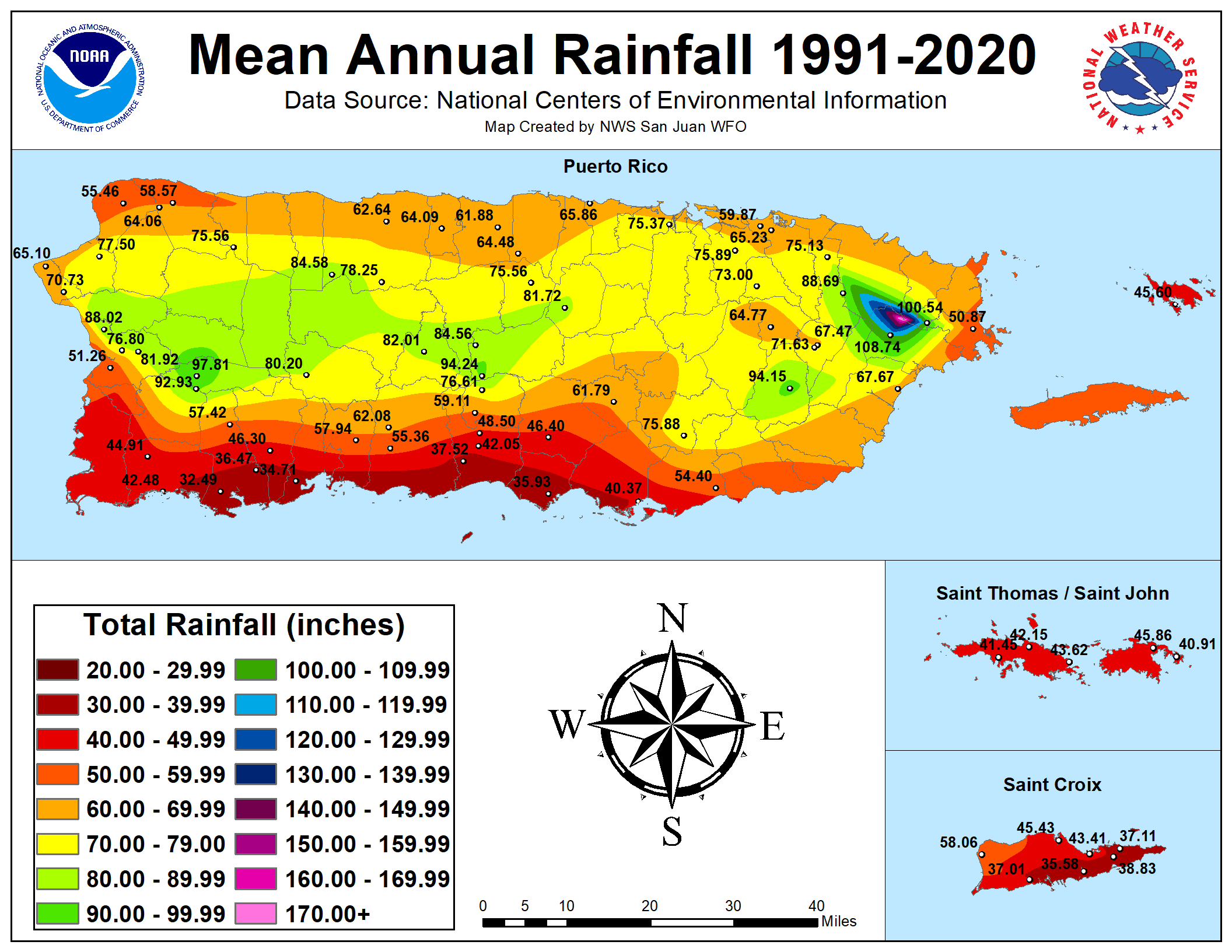
Venturing inland, particularly to the central mountain range known as the Cordillera Central, reveals a different climatic picture. Temperatures here are generally cooler, especially at higher elevations, with daytime highs sometimes dipping into the 70s°F (21°C to 26°C) and nights potentially reaching the 60s°F (15°C to 20°C). The mountains also receive significantly more rainfall than the coastal areas, which supports the lush vegetation of the El Yunque National Forest. These higher precipitation levels contribute to the island’s rich biodiversity and are essential for its water resources. Travelers planning hikes or excursions into the interior should always be prepared for the possibility of rain, even if the coast is dry.
Southern and Western Regions
Regions like Ponce on the southern coast and the western coast around Rincón tend to be drier than the northeastern parts of the island. This is due to a rain shadow effect created by the mountains. These areas often boast more sunshine and are popular for beach activities and water sports, particularly surfing on the west coast. While still tropical, these drier pockets can feel less humid at times, offering a slightly different Caribbean ambiance.
Seasonal Weather Patterns in Puerto Rico
While Puerto Rico is a year-round destination, understanding its two primary seasons—dry and wet—can help in planning your visit according to your preferred activities and tolerance for certain weather conditions.
The Dry Season (December to May)
This period is often considered the peak tourist season for Puerto Rico. The weather is typically characterized by abundant sunshine, lower humidity levels (though still present), and less frequent rainfall.
- December to February: These months offer pleasant, warm days with cooler evenings, making them ideal for exploring historical sites in Old San Juan or enjoying outdoor activities without the intense heat. It’s also a popular time for festive celebrations, including the extended Christmas and Three Kings’ Day festivities.
- March to May: As spring arrives, temperatures begin to steadily climb, and humidity increases slightly. However, the rainfall remains relatively low, making it a fantastic time for beach hopping along the northern coast or exploring the bioluminescent bays like those in Vieques or Fajardo.
The Wet Season (June to November)
The wet season coincides with the warmer months and also the Atlantic hurricane season, which officially runs from June 1 to November 30. While this might sound daunting, it’s important to note that not every year experiences significant hurricane activity, and many visitors have perfectly enjoyable trips during this time.
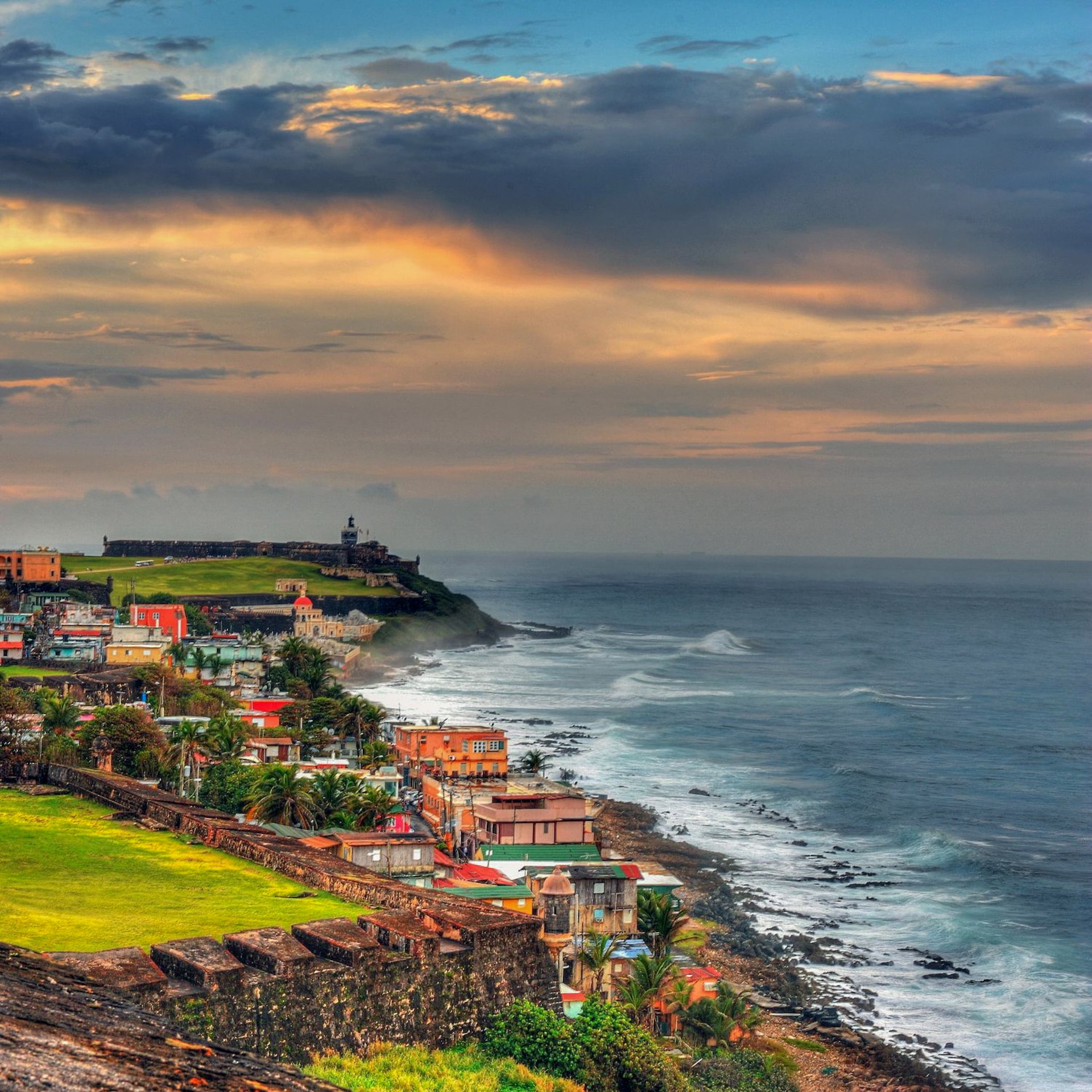
- June to August: These months are the hottest and most humid of the year. Afternoon thunderstorms are common, often occurring in the late afternoon or early evening, and typically dissipate as quickly as they arrive, leaving behind clear skies. These showers can be a refreshing break from the heat and are often a spectacle of dramatic tropical downpours.
- September to November: This period falls within the peak of hurricane season. While the chances of a direct hit are statistically low in any given year, it’s prudent for travelers to monitor weather forecasts closely and have flexible travel plans. The weather can be unpredictable, with periods of heavy rain, strong winds, and sunshine. Despite the potential for tropical systems, many days can still be warm and sunny, offering opportunities for exploring attractions like the Cueva Ventana.
Tropical Storms and Hurricanes
As a Caribbean island, Puerto Rico is susceptible to tropical storms and hurricanes, particularly during the wet season. While direct hits are not an annual occurrence, preparedness and awareness are essential for all travelers.
Hurricane Season Preparedness
- Travel Insurance: Investing in comprehensive travel insurance that covers weather-related cancellations or interruptions is highly recommended for trips during the hurricane season.
- Monitor Forecasts: Stay informed about weather patterns by following reputable sources like the National Hurricane Center.
- Flexibility: Be prepared to adjust your itinerary. Many hotels and airlines have policies in place to assist guests during severe weather events.
- Emergency Plans: Familiarize yourself with local emergency procedures and evacuation routes, especially if staying in less developed areas or during a storm warning.
Microclimates and Day-to-Day Weather Variations
The island’s varied terrain means that weather can differ significantly from one region to another, even within the same day.
The Influence of Elevation
As mentioned, higher elevations in the Cordillera Central are generally cooler and wetter than the coast. This can be a welcome change for those seeking respite from the tropical heat or for hikers exploring trails in places like El Yunque National Forest. It’s not uncommon to experience sunny skies in San Juan while a significant downpour occurs just a few miles inland.
Coastal Breezes
The constant sea breeze along the coasts provides a natural cooling effect, making the beach areas more comfortable, especially during the warmer months. This breeze is particularly noticeable on the western coast, famous for its windsurfing and kitesurfing conditions.
Tips for Packing and Planning
Armed with an understanding of Puerto Rico’s weather, you can pack more effectively and plan your activities with confidence.
Essential Packing Items
- Lightweight Clothing: Pack breathable fabrics like cotton and linen for warm and humid conditions.
- Rain Gear: A light, waterproof jacket or poncho is advisable, especially if visiting the interior or during the wet season. An umbrella can also be useful for brief showers.
- Swimwear: Essential for enjoying the numerous beaches and water activities.
- Sun Protection: High SPF sunscreen, a wide-brimmed hat, and sunglasses are crucial for protecting your skin from the strong tropical sun.
- Insect Repellent: Particularly useful for evenings and when venturing into more natural or forested areas.
- Comfortable Walking Shoes: For exploring historical towns, rainforest trails, and urban areas. Water shoes can be beneficial for rocky beaches or certain water activities.
- Adapter/Power Bank: For charging electronic devices, especially if spending time outdoors.
Planning Your Itinerary
- Flexibility is Key: Be prepared to adjust your plans based on daily weather. A rainy afternoon might be perfect for visiting a museum in Ponce or a rum distillery tour.
- Embrace the Rain: Tropical showers are often short-lived and can be a beautiful part of the island’s natural rhythm. Don’t let them deter you from experiencing Puerto Rico.
- Book Ahead During Peak Season: If traveling during the dry season (December-May), booking accommodations and popular tours in advance is recommended due to higher demand.
- Consider Shoulder Seasons: The periods just before and after the peak dry season (late November and May) can offer a good balance of pleasant weather and fewer crowds.
By understanding and respecting the nuances of Puerto Rico’s climate, travelers can ensure a more comfortable, enjoyable, and memorable journey through its captivating landscapes and vibrant culture.
LifeOutOfTheBox is a participant in the Amazon Services LLC Associates Program, an affiliate advertising program designed to provide a means for sites to earn advertising fees by advertising and linking to Amazon.com. Amazon, the Amazon logo, AmazonSupply, and the AmazonSupply logo are trademarks of Amazon.com, Inc. or its affiliates. As an Amazon Associate we earn affiliate commissions from qualifying purchases.