
The allure of Arizona is often painted with broad strokes of sunshine and desert landscapes. While these are certainly defining characteristics, the state’s weather is a complex tapestry woven from its diverse geography, ranging from scorching low-lying deserts to the cooler, pine-forested high country. Understanding the nuances of Arizona’s climate is crucial for planning any visit, whether your focus is on experiencing its natural wonders, indulging in its cultural offerings, or simply finding the perfect spot to relax. This guide delves into the distinct weather patterns across the Grand Canyon State, providing insights to enhance your travel experience.
Understanding Arizona’s Diverse Climate Zones
Arizona’s weather is not monolithic. The state is a study in contrasts, with significant variations experienced even within relatively short distances. These differences are primarily dictated by elevation and proximity to moisture sources.
The Sonoran Desert: Heat and Sunshine
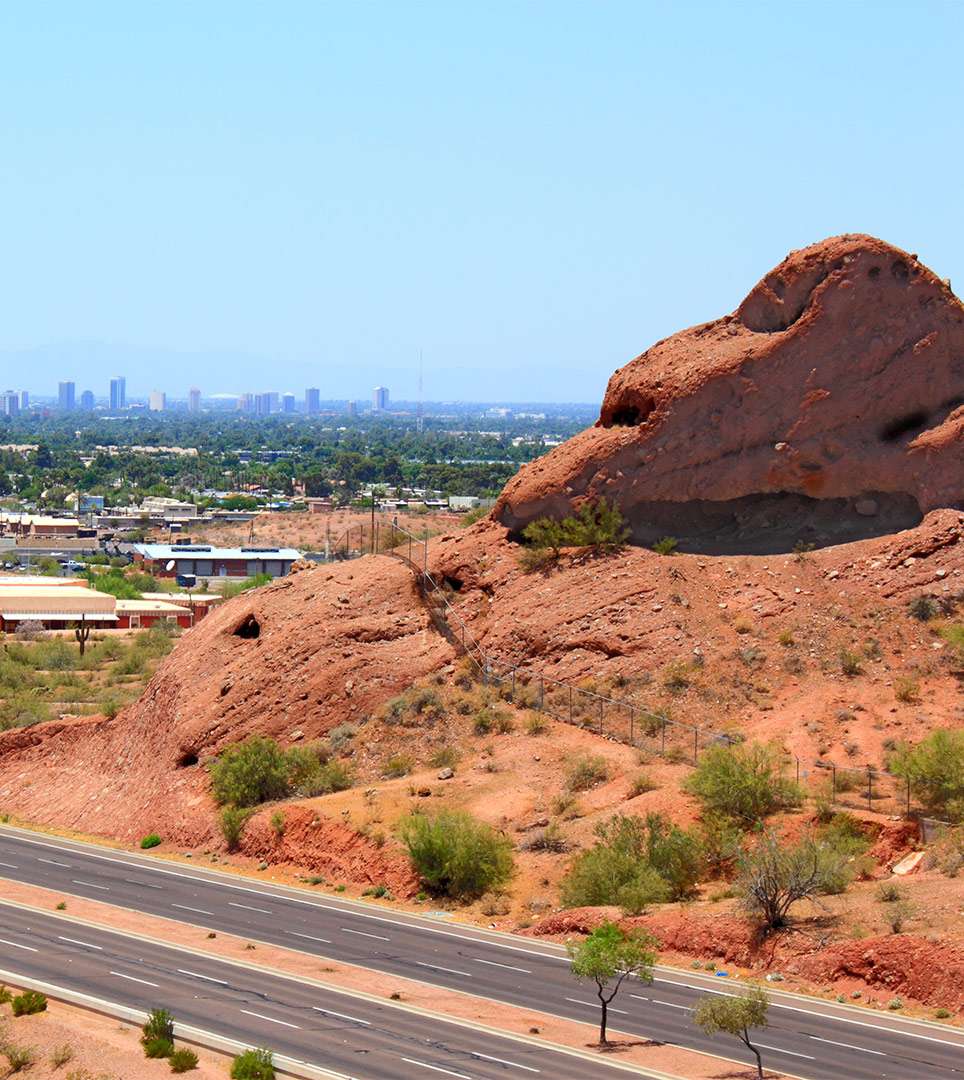
The vast majority of Arizona, particularly its southern and central regions, falls under the Sonoran Desert climate. This is the Arizona most people envision: arid, with intensely hot summers and mild winters.
Summer (June – August)
Summers in the Sonoran Desert are legendary for their heat. Daytime temperatures frequently soar above 100°F (38°C) in cities like Phoenix and Tucson. The dry heat can be intense, making outdoor activities challenging during the peak afternoon hours. However, the nights offer some relief, often dropping to more comfortable temperatures in the 70s and 80s Fahrenheit (20s Celsius).
Monsoon season, typically running from late June through September, introduces a dramatic shift. While the days remain hot, the afternoons and evenings are often punctuated by spectacular thunderstorms. These storms bring much-needed rain, cooling the air, though they can also cause flash floods and dust storms (haboobs). The humidity increases significantly during this period, making the heat feel more oppressive.
Winter (December – February)
Winters in the Sonoran Desert are a significant draw for many visitors. The weather is generally mild and pleasant, with average daytime temperatures ranging from the comfortable 60s to low 70s Fahrenheit (15-22°C). Sunshine is abundant, making it an ideal time for outdoor exploration without the oppressive heat. Evenings can get cool, often dipping into the 40s Fahrenheit (around 4-9°C), so packing layers is advisable. Snow is exceedingly rare in these lower elevations.
Spring and Fall (March – May, September – November)
These transitional seasons offer some of the most ideal weather for exploring the Sonoran Desert. Spring brings blooming wildflowers to the desert floor, a vibrant display of color after the winter rains. Temperatures are warm but generally not extreme, with highs in the 70s and 80s Fahrenheit (20s-30s°C).
Fall mirrors the pleasant conditions of spring, with cooling temperatures and clearer skies after the monsoon season. It’s a fantastic time for hiking, golfing, and enjoying outdoor dining.
The High Country: Four Distinct Seasons
Ascending to Arizona’s higher elevations, such as the areas around Flagstaff, Payson, and the rim country of the Grand Canyon National Park, reveals a dramatically different climate. Here, four distinct seasons are experienced, including a true winter with snow.
Summer (June – August)
While the deserts swelter, the high country offers a refreshing escape. Summer temperatures are significantly cooler, with daytime highs typically in the pleasant 70s and 80s Fahrenheit (20s-30s°C). Evenings are cool and crisp, often dropping into the 40s and 50s Fahrenheit (4-15°C). This is prime time for hiking in the forests, enjoying cooler mountain air, and participating in outdoor festivals. Thunderstorms can occur here as well, but they are often less intense than their desert counterparts.
Winter (December – February)
Winter in the high country is characterized by cold temperatures and significant snowfall. Average daytime temperatures hover in the 30s and 40s Fahrenheit (0-10°C), with nighttime lows frequently dropping below freezing. Ski resorts in areas like the San Francisco Peaks near Flagstaff see consistent snow, offering opportunities for winter sports like skiing and snowboarding. Even if you’re not hitting the slopes, the snow-covered landscapes can be breathtakingly beautiful. Roads can be impacted by snow, so checking conditions before traveling is essential.
Spring and Fall (March – May, September – November)
Spring in the high country is a gradual transition from winter to warmer weather. Snowmelt is common, and temperatures slowly rise. You might still encounter late-season snow in early spring, especially at higher elevations. It’s a beautiful time as the snow recedes and the first green shoots appear.
Autumn is arguably the most visually stunning season in the high country. The Ponderosa pines remain evergreen, but the deciduous trees, though fewer, offer a beautiful display of yellow and gold. Temperatures are crisp and cool, with sunny days and cold nights, perfect for scenic drives and enjoying the changing colors.
Weather Considerations for Popular Arizona Destinations

Understanding the general climate zones is useful, but how does this translate to planning visits to specific popular destinations?
The Grand Canyon National Park
The Grand Canyon experiences significant weather variations depending on the rim you visit and the elevation.
- South Rim: This is the most visited area and sits at an elevation of about 7,000 feet (2,134 meters). Summers are warm to hot, with daytime highs in the 70s and 80s Fahrenheit (20s-30s°C), and cool nights. Winters are cold with snow, making road closures a possibility. Spring and fall offer the most pleasant weather for hiking and sightseeing.
- North Rim: Higher in elevation (around 8,000 feet or 2,438 meters), the North Rim is cooler and receives more precipitation, including snow. It is also only open seasonally, typically from mid-May to mid-October due to winter snow. Summers are mild, and fall can bring early frosts.
Sedona
Sedona, known for its red rock formations and spiritual vortexes, has a climate that blends desert and high-desert characteristics. It sits at a higher elevation than Phoenix but lower than Flagstaff.
- Summers: Hot, with highs often in the 90s Fahrenheit (30s°C), but generally cooler than Phoenix. Monsoon storms are common in late summer.
- Winters: Mild and sunny, with daytime highs in the 50s and 60s Fahrenheit (10-20°C). Frost and occasional light snow can occur.
- Spring and Fall: These are prime seasons, offering warm days and cool evenings, perfect for hiking and exploring the numerous trails.
Tucson
Located in southern Arizona, Tucson is firmly within the Sonoran Desert climate.
- Summers: Extremely hot, with daytime temperatures routinely exceeding 100°F (38°C). Monsoon season brings relief in the form of thunderstorms.
- Winters: Very mild and pleasant, making it a popular winter escape. Daytime highs are often in the 60s and 70s Fahrenheit (15-25°C).
- Spring and Fall: Warm and sunny, ideal for exploring the city and nearby natural attractions like Saguaro National Park.
Phoenix
As the state capital and largest city, Phoenix epitomizes the desert heat.
- Summers: Among the hottest major cities in the United States, with prolonged periods of temperatures over 100°F (38°C). The urban heat island effect can exacerbate this. Monsoon season provides a slight reprieve from the dryness.
- Winters: Delightful. Sunny days with comfortable temperatures in the 60s and 70s Fahrenheit (15-25°C) are the norm, drawing many visitors seeking to escape colder climates.
- Spring and Fall: Pleasant and warm, perfect for enjoying outdoor activities, golfing, and exploring the metropolitan area.
Preparing for Arizona’s Weather
Regardless of your chosen destination or the time of year, preparedness is key to enjoying Arizona’s weather to its fullest.
Hydration and Sun Protection
This cannot be stressed enough, especially in the desert regions. Always carry more water than you think you’ll need, even on short hikes or car trips. Wear sunscreen, hats, and sunglasses to protect yourself from the intense sun. Light-colored, loose-fitting clothing is ideal for staying cool.
Layering is Essential
For the high country, and even for transitional seasons in the desert, layering your clothing is the most effective strategy. Mornings and evenings can be cool, while afternoons can be warm. A light jacket or sweater, combined with t-shirts, allows you to adjust to changing temperatures.
Checking Forecasts and Road Conditions
Always check the weather forecast before you travel, and especially before embarking on outdoor activities. For winter travel in the high country, monitoring road conditions is vital, as snow and ice can make driving hazardous. Websites and apps from the Arizona Department of Transportation (ADOT) are invaluable resources.

Understanding Monsoon Risks
If you are visiting during monsoon season, be aware of the potential for flash floods and dust storms. Seek shelter immediately if you hear thunder, and never drive or walk through flooded areas. Stay informed about weather alerts issued by the National Weather Service.
By understanding and respecting Arizona’s diverse climate, you can plan a trip that embraces its unique beauty and offers unforgettable experiences, no matter the season. From the sun-drenched deserts to the snow-kissed mountains, Arizona’s weather is an integral part of its captivating identity.
LifeOutOfTheBox is a participant in the Amazon Services LLC Associates Program, an affiliate advertising program designed to provide a means for sites to earn advertising fees by advertising and linking to Amazon.com. Amazon, the Amazon logo, AmazonSupply, and the AmazonSupply logo are trademarks of Amazon.com, Inc. or its affiliates. As an Amazon Associate we earn affiliate commissions from qualifying purchases.