
When the word “mountains” conjures images of towering, snow-capped peaks, jagged ridges, and dramatic elevation changes, the state of Kansas might not be the first place that springs to mind. Often characterized by its vast, rolling prairies and seemingly endless horizons, Kansas is widely perceived as a flat, agricultural heartland. However, to definitively answer the question, “Does Kansas Have Mountains?”, we need to explore the nuances of what constitutes a mountain and delve into the unique geological and geographical features of this Midwestern state. While it may not boast the dramatic alpine scenery of the Rocky Mountains, Kansas does possess elevated landforms that, by some definitions, could be considered mountains, or at least warrant a closer look for those seeking elevation and unique landscapes.
Redefining “Mountain” in the Sunflower State
The common understanding of a “mountain” is a large natural elevation of the earth’s surface rising abruptly from the surrounding level; a large steep hill. This definition, while generally accepted, is subjective and can vary depending on geographical context. In many parts of the world, particularly in flatter regions, landforms that rise significantly above the general terrain are often referred to as mountains or hills, even if they don’t reach the dramatic heights of iconic ranges.
In the context of Kansas, the highest points are not the result of tectonic uplift that formed massive ranges. Instead, they are often erosional remnants or the culmination of geological processes that have shaped the land over millions of years. The state’s elevation gradually increases from east to west, culminating in the western plains. While these aren’t sheer rock faces, the subtle but significant rises in elevation, particularly in the western reaches of Kansas, can create a sense of elevation and offer expansive views that might satisfy a traveler’s desire for elevated landscapes.
The High Plains and Western Kansas
Western Kansas is part of the larger Great Plains physiographic region. Here, the landscape is characterized by gently rolling hills and vast expanses of grassland. While not mountainous in the traditional sense, the cumulative effect of these rolling terrains can create a sense of elevated terrain. The highest point in Kansas is Mount Sunflower, with an elevation of 4,039 feet (1,231 meters) above sea level. Located in the extreme western part of the state, near the border with Colorado, Mount Sunflower is a summit on a privately owned ranch. It’s not a towering peak but rather the highest natural ground in Kansas. The name itself is a playful acknowledgment of the state’s agricultural identity and its highest natural point. Visitors can drive to the summit, which is marked by a sign and a flagpole, offering panoramic views of the surrounding plains. The experience is less about a strenuous climb and more about reaching the apex of the state and appreciating the immense scale of the landscape.
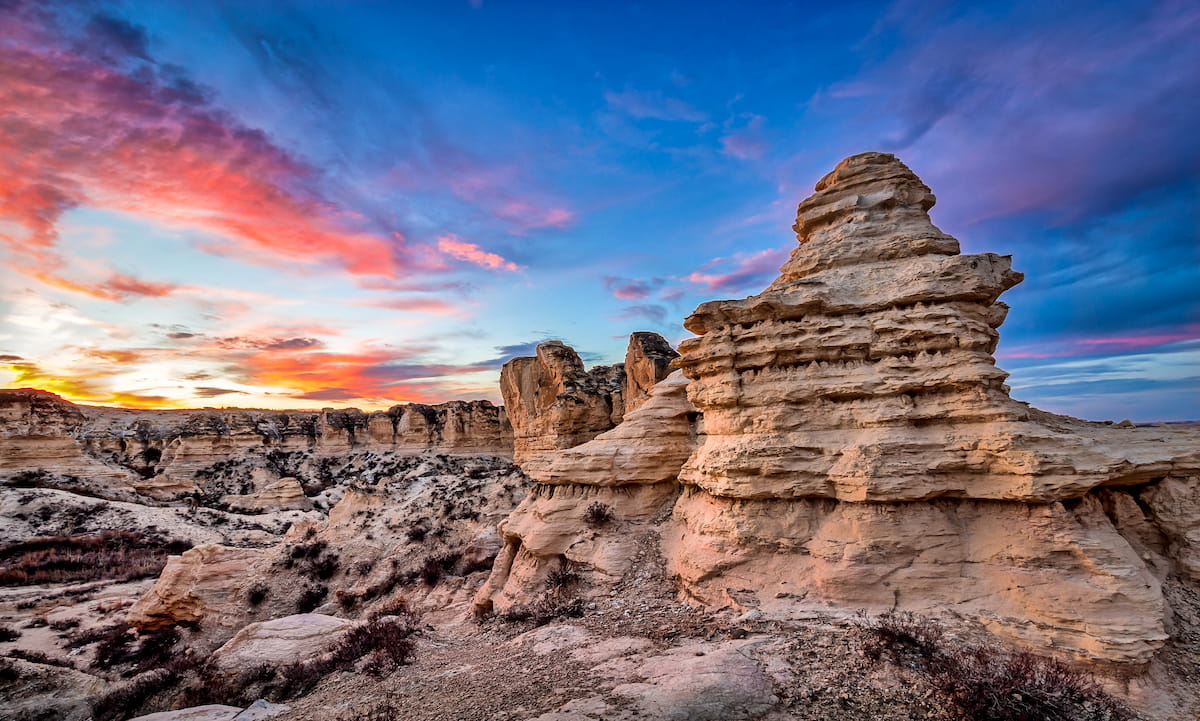
Beyond Mount Sunflower, western Kansas features other elevated areas and geological formations that contribute to the perception of varied topography. The Smoky Hills region in north-central Kansas is known for its unique geological formations, carved by millions of years of erosion. Here, one can find formations like the “Pillars of Post” at Rock City and the chalk formations at Monument Rocks National Natural Landmark. While these are not mountains, they are significant natural landmarks that rise dramatically from the prairie floor, offering a sense of scale and geological wonder. These formations are the result of ancient seas and subsequent erosion, creating a landscape that is both alien and beautiful, and certainly distinct from the typical flat prairie.
Exploring Kansas’s “High Points” and Natural Wonders
For travelers seeking more than just flat horizons, Kansas offers a surprising array of elevated landscapes and natural attractions that can be considered its own form of “mountainous” or at least dramatically varied terrain. These destinations, while not fitting the textbook definition of a mountain range, provide unique experiences and breathtaking vistas.
The Flint Hills: A Sea of Grass and Rolling Eminences
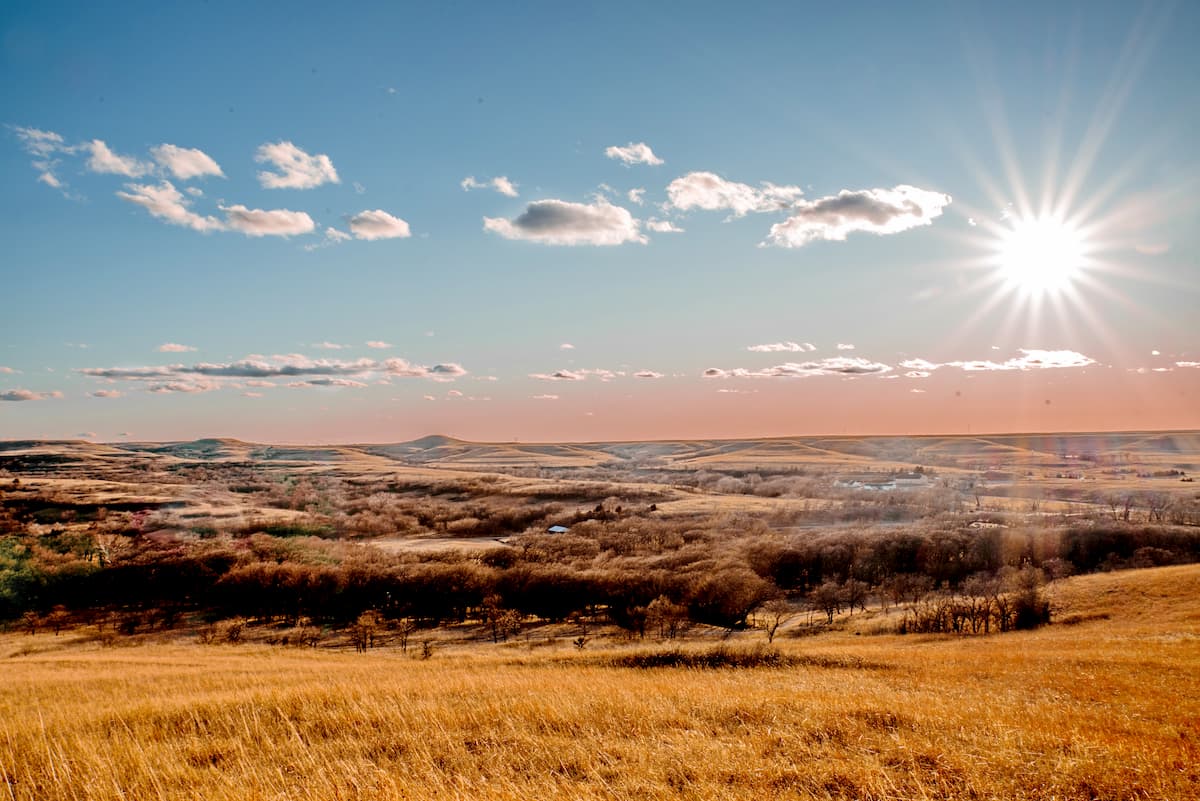
The Flint Hills region, stretching across east-central Kansas, is one of the last remaining tallgrass prairie ecosystems in the United States. This area is characterized by its rolling hills, which are not a result of volcanic activity or tectonic plate collision but rather the exposed bedrock of flint and limestone. The “hills” here are broad, rounded, and covered in a thick carpet of prairie grasses. While not steep or rugged, these hills can appear majestic when viewed from a high vantage point, especially during sunrise or sunset when the golden light bathes the landscape. The Flint Hills National Scenic Byway offers a driving experience through this picturesque region, with numerous pull-offs providing opportunities to admire the expansive views.
The beauty of the Flint Hills lies in its sheer scale and the way the land undulates as far as the eye can see. It’s a landscape that can evoke a sense of awe, similar to how one might feel when encountering a mountain range, albeit on a different scale and with a softer, more organic form. The constant interplay of light and shadow across the rolling terrain creates a dynamic visual experience that changes with the seasons. In spring, the prairie ignites with vibrant green; in summer, it turns a golden hue; and in fall, it offers a symphony of reds and oranges. This vast, undulating landscape is a testament to the power of nature and erosion, creating a unique topography that is distinctly Kansas.
Unique Geological Formations: Nature’s Sculptures
Beyond the general rolling hills, Kansas boasts specific geological formations that rise significantly above the surrounding plains, offering dramatic visual impact. Monument Rocks National Natural Landmark in western Kansas is a prime example. These massive chalk formations, some reaching up to 70 feet tall, stand like ancient sentinels in the prairie. They are remnants of a shallow inland sea that covered much of North America millions of years ago. The erosion of the softer surrounding chalk has left these more resistant formations standing tall, creating a landscape that is often described as otherworldly. While not mountains, their imposing presence and unique shapes make them a significant natural landmark, offering a sense of grandeur and a glimpse into the deep geological history of the region.
Similarly, Rock City near Brookville features a collection of large, spherical sandstone concretions, some as large as a small house. These “rock cities” are geological curiosities that have been exposed by erosion. Walking among these massive, smooth spheres provides a unique perspective on the varied geological tapestry of Kansas. These formations, like Monument Rocks, draw parallels to mountainous regions in that they are natural structures that command attention due to their size and unique form, rising from the otherwise flatter landscape.

Planning Your Elevated Kansas Adventure
While you won’t find ski resorts or challenging mountaineering routes in Kansas, the state offers a unique travel experience for those who appreciate expansive views, geological wonders, and the beauty of natural landscapes. The concept of “mountains” in Kansas is an invitation to explore its elevated plains, its dramatic geological formations, and the sheer vastness of its open spaces.
For travelers interested in exploring these higher elevations and unique natural landmarks, accommodation options abound. From charming bed and breakfasts in small prairie towns to comfortable hotels in larger cities like Wichita or Kansas City, there are options to suit every budget and travel style. Consider staying in a lodge near the Flint Hills for an immersive prairie experience, or a hotel in Hays to easily access Monument Rocks. Many of these regions also offer unique local eateries where you can sample Kansas‘s renowned cuisine, often featuring locally sourced beef and agricultural products.
When visiting Mount Sunflower, the experience is one of quiet contemplation and appreciation for the vastness of the American Midwest. The drive itself is an adventure, with the landscape gradually changing as you head west. For those interested in the history and geology of the region, visiting the Sternberg Museum of Natural History in Hays provides excellent context for understanding the ancient seas and geological processes that shaped Kansas.
Ultimately, the question of whether Kansas has mountains depends on your definition. If you are looking for towering peaks, the answer is no. However, if you are open to experiencing the grandeur of elevated landscapes, the dramatic beauty of geological formations, and the profound sense of space that comes from being on the highest natural ground in the state, then Kansas has plenty to offer. It’s a journey of redefining expectations and discovering the unique, understated beauty of the Sunflower State.
LifeOutOfTheBox is a participant in the Amazon Services LLC Associates Program, an affiliate advertising program designed to provide a means for sites to earn advertising fees by advertising and linking to Amazon.com. Amazon, the Amazon logo, AmazonSupply, and the AmazonSupply logo are trademarks of Amazon.com, Inc. or its affiliates. As an Amazon Associate we earn affiliate commissions from qualifying purchases.