
The Northern Frontier: Understanding Maine’s Continental Connection
The question “Does Maine border Canada?” is more than a simple geographical query; it’s an invitation to explore the fascinating intersection of American aspiration and Canadian vastness, a land where natural beauty meets international intrigue. For any traveler considering a journey to the northeastern United States, understanding this border is paramount. It dictates travel routes, influences local culture, and offers unique experiences that are only possible because of this proximity. Maine, the northeasternmost state of the contiguous United States, indeed shares a significant and picturesque border with its northern neighbor. This frontier, stretching for hundreds of miles, is a testament to the enduring relationship between two nations, a relationship characterized by both cooperation and distinct cultural identities. The border isn’t just a line on a map; it’s a dynamic zone that shapes the identity and offerings of Maine as a premier travel destination. From the rugged coastline to the deep interior forests, the influence of Canada is subtly woven into the fabric of the state, creating a travel experience that is distinctly northeastern.
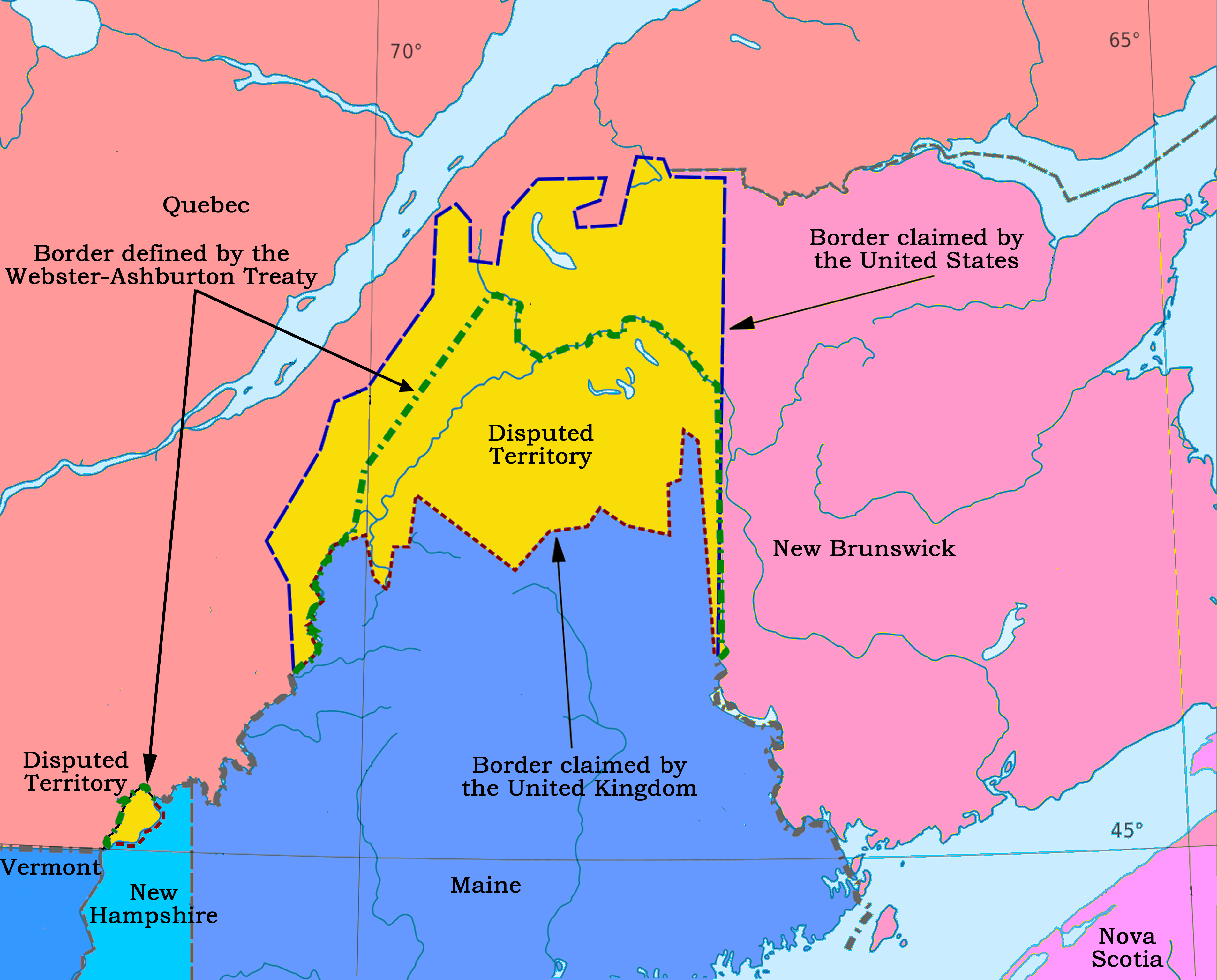
The land border itself is a complex tapestry of forests, rivers, and lakes. The northern and eastern boundaries of Maine are defined by its relationship with two Canadian provinces: Quebec and New Brunswick. The eastern border, largely defined by the Saint John River for a significant portion, separates Maine from New Brunswick. As one travels further north, the border transitions to run alongside the vast province of Quebec. This extensive shared border means that travelers can seamlessly transition from exploring the charming towns and stunning natural landscapes of Maine to immersing themselves in the unique culture and scenery of Canada with relative ease. This geographical reality opens up a wealth of travel possibilities, allowing for extended itineraries that encompass the best of both regions. For those seeking an adventure that transcends national boundaries, the Maine-Canada border region offers an unparalleled opportunity.
Crossing the Threshold: Border Crossings and Travel Logistics
Navigating the border between Maine and Canada is an integral part of the travel experience for many visitors. Several official ports of entry facilitate this transition, ensuring a smooth and legal passage. Understanding the requirements for crossing is essential for a hassle-free journey. U.S. citizens and Canadian citizens typically require a valid passport or an enhanced driver’s license for land crossings. For citizens of other countries, specific visa requirements may apply, necessitating thorough research well in advance of travel.
The primary border crossings between Maine and its neighboring Canadian provinces are strategically located along major transportation routes. On the eastern side, connecting Maine to New Brunswick, key crossings include those at Calais, Maine / St. Stephen, New Brunswick, and Houlton, Maine / Woodstock, New Brunswick. These crossings are vital for accessing the scenic maritime provinces of Canada and for those traveling from Canada to explore Maine’s coastal beauty.
Heading north into Quebec, the crossings are equally significant. The Estcourt Station, Maine / Pohénégamook, Quebec crossing is a notable point, often serving as a gateway to the Gaspé Peninsula or for accessing inland Quebec destinations. Further west, the Armstrong, Maine / Pohénégamook, Quebec crossing also provides access. For those venturing further into northern Maine, the Allagash, Maine / Saint-Zacharie, Quebec crossing is a more remote option, often favored by those seeking to explore the wilderness areas on both sides of the border.
When planning your trip, it’s advisable to check the operating hours of specific border crossings, as some smaller ones may have limited hours or be seasonal. Additionally, be aware of customs regulations regarding what you can bring across the border, particularly concerning agricultural products and alcohol. Familiarizing yourself with these details beforehand will ensure a seamless transition, allowing you to focus on the experiences that await you on either side of the international line. The ease of access across this border truly enhances the appeal of Maine as a starting point for a broader North American adventure.
A Tale of Two Cultures: The Influence of the Border on Maine’s Identity
The proximity to Canada has undeniably shaped Maine’s unique cultural tapestry. While undeniably American, the state exhibits subtle yet distinct influences that speak to its northern neighbor. This is most evident in the regions directly bordering Quebec and New Brunswick. In these areas, you might encounter a blend of accents, a slightly different cadence in conversations, and even variations in local cuisine. The historical flow of people and ideas across this border has created a fascinating cross-pollination that enriches the visitor experience.
In northern Maine, particularly in towns like Frenchville and Madawaska, the legacy of Acadian culture, which is prevalent in parts of New Brunswick and Quebec, is palpable. This heritage is celebrated through local festivals, culinary traditions, and the preservation of the Acadian French dialect. For travelers, this offers an opportunity to step into a pocket of North American history and culture that is distinct from the rest of the United States. The influence is not just linguistic or culinary; it’s a way of life that emphasizes community, resilience, and a deep connection to the land, much like in many rural areas of eastern Canada.

Furthermore, the shared natural environment fosters a common appreciation for the outdoors. The vast wilderness areas that span both sides of the border, such as the Allagash Wilderness Waterway in Maine and the adjacent forest regions in Quebec, are destinations for hunters, fishers, hikers, and campers who often traverse both nations in their pursuits. This shared passion for nature creates a sense of camaraderie among outdoor enthusiasts, regardless of their nationality. The cultural exchange is a vibrant aspect of travel in this region, offering a richer, more nuanced understanding of Maine than a visit solely focused on its American identity might provide.
Beyond the Line: Experiencing the Borderlands
The true magic of Maine bordering Canada lies in the experiences this unique geographical position facilitates. It allows for multifaceted travel itineraries that can seamlessly blend American charm with Canadian allure. This is particularly true for those who appreciate the great outdoors, history, and distinctive local flavors.
The Great Outdoors: A Shared Wilderness
The extensive border means that the natural landscapes of Maine and its Canadian neighbors are intimately connected. For hikers and campers, the Appalachian Trail’s northern terminus at Mount Katahdin in Maine is a famous landmark, but the wilderness continues northward into vast tracts of undeveloped land in Quebec. This interconnectedness offers unparalleled opportunities for multi-day expeditions, where one can experience the rugged beauty of the North Woods with minimal human interference.
For anglers, the rivers and lakes that straddle the border, such as the Saint John River system, are renowned for their excellent fishing opportunities. These waterways offer a chance to cast a line in waters that are managed under cooperative agreements, highlighting the shared stewardship of these natural resources. The remote lodges and outfitters operating in these border regions often cater to international clientele, providing guided trips that explore both American and Canadian territories.
Culinary Adventures: A Taste of Two Nations
The culinary scene in the border regions of Maine reflects its dual identity. You’ll find classic American seafood staples like lobster rolls and clam chowder alongside influences from French Canadian cuisine. In the northern parts of the state, poutine, a dish of French fries and cheese curds topped with gravy, is a popular treat, a clear nod to its neighbor. Exploring local diners and cafes often reveals a delightful fusion of flavors.
Moreover, the availability of craft beverages has also seen cross-border inspiration. Local breweries in Maine may draw inspiration from Canadian brewing traditions, and vice-versa. Visiting a local farmers’ market can provide a taste of seasonal produce that is influenced by the climate shared across the border. The unique gastronomic landscape is a direct result of this shared geography, offering a delicious journey for the adventurous palate.

Historic Exploration: Echoes of the Past
The borderlands are rich with history, marked by early settlements, logging operations, and stories of cross-border interactions. Towns like Eastport, Maine, situated on the coast and facing Deer Island, New Brunswick, have a long history of maritime trade and connection with their Canadian counterparts. The architecture in some of these older communities may bear subtle influences from both nations, reflecting periods of historical exchange.
For those interested in industrial history, the logging and paper mill industries that once thrived in the North Woods often spanned both sides of the border. Visiting historical societies or small museums in border towns can offer fascinating insights into how these industries connected communities and economies across the international line. This historical context adds depth to the travel experience, revealing a shared past that continues to inform the present.
In conclusion, the answer to “Does Maine border Canada?” is a resounding yes. This geographical fact is not merely an academic point; it’s an invitation to discover a region where two nations converge, offering a travel experience that is rich in natural beauty, cultural exchange, and unique opportunities. From the rugged wilderness to the charming towns, the borderlands of Maine provide a compelling destination for any traveler seeking adventure and discovery.
LifeOutOfTheBox is a participant in the Amazon Services LLC Associates Program, an affiliate advertising program designed to provide a means for sites to earn advertising fees by advertising and linking to Amazon.com. Amazon, the Amazon logo, AmazonSupply, and the AmazonSupply logo are trademarks of Amazon.com, Inc. or its affiliates. As an Amazon Associate we earn affiliate commissions from qualifying purchases.