
When planning a getaway to the rugged coastlines and pine-scented forests of Maine, most travelers focus on the logistics of arrival, the best time to see the lupines in bloom, or which lobster shack serves the most butter-drenched rolls. However, an often-overlooked aspect of travel planning in the United States is the local tax structure. For those visiting New England, understanding the financial landscape is crucial for budgeting. If you are asking, “Does Maine have sales tax?” the answer is a definitive yes—but the way it is applied varies significantly depending on whether you are buying a souvenir, booking a luxury suite, or sitting down for a five-course meal in Portland.
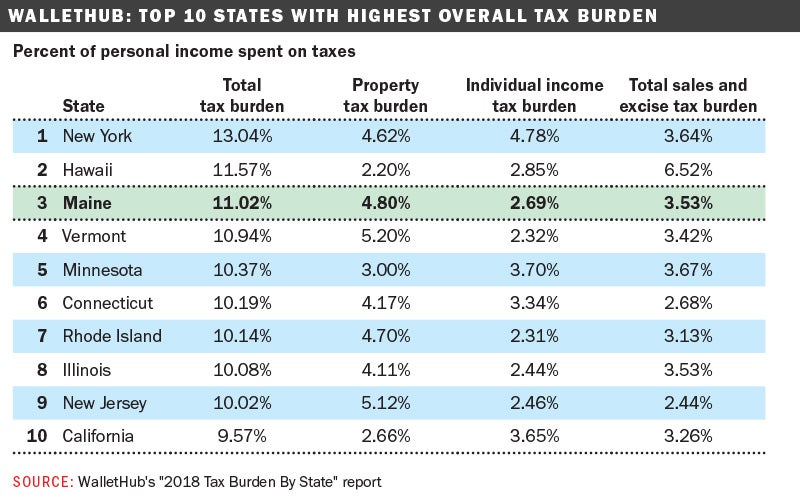
Understanding the Maine Sales Tax Structure for Visitors
For the typical tourist, the sales tax in Maine is not a single flat rate that applies to every transaction. Instead, the state utilizes a tiered system designed to generate revenue from different sectors of the economy, particularly those driven by the thriving tourism industry.
The General Sales Tax Rate
The baseline sales tax in Maine is currently 5.5%. This rate applies to most tangible personal property. If you are browsing the boutiques in the Old Port or picking up camping gear in Bangor, you can expect to see this 5.5% added to your subtotal at the register. Compared to other states in the United States, this is relatively moderate, sitting below the high rates found in states like California or New York.
The Lodging Tax (The “Tourist Tax”)
One of the most important figures for travelers to note is the lodging tax. If you are booking a stay at The Westin Portland Harborview or a cozy bed and breakfast in Bar Harbor, the tax rate jumps significantly. Maine imposes a 9% tax on all lodging rentals. This applies to hotels, motels, summer camps, and even short-term vacation rentals. When budgeting for a long-term stay or a luxury retreat at the Inn by the Sea, remember that nearly 10% of your accommodation cost will go toward state taxes.
The Prepared Food and Liquor Tax
Maine is a culinary destination, famous for its “farm-to-table” and “sea-to-table” philosophy. However, diners should be aware that “prepared food”—anything served in a restaurant or intended for immediate consumption—is taxed at 8%. This rate also applies to liquor served in bars and restaurants. Whether you are enjoying a craft beer in Augusta or a gourmet dinner in Kennebunkport, the 8% “meals tax” is a standard addition to your bill, separate from any gratuity you might leave for the service staff.
Premier Shopping Destinations and Tax Implications
While the tax exists, Maine remains a premier destination for shoppers looking for high-quality goods, outdoor equipment, and unique local crafts. The tax structure is simply a minor factor in what is otherwise a world-class retail experience.
Freeport: The Home of Outdoor Retail
Freeport is perhaps the most famous shopping destination in the state, largely due to the presence of the L.L. Bean flagship store. Open 24 hours a day, 365 days a year, this massive retail complex is a pilgrimage site for outdoor enthusiasts. When purchasing high-end parkas, boots, or canoes here, the 5.5% sales tax applies. Many visitors find that the sheer variety and the “experience” of shopping in Freeport far outweigh the small tax cost. Beyond the flagship, the town is filled with outlet stores for brands like Patagonia and North Face, making it a hub for value-conscious travelers.
Kittery: The Gateway Outlets
Located just across the border from New Hampshire, the Kittery Premium Outlets offer a massive selection of designer brands. Visitors often stop here immediately after entering the state via the I-95. Shopping in Kittery is a strategic move for those heading further north to the coastal villages. While the 5.5% tax is present, the deep discounts found at the outlet malls often mean significant savings compared to retail prices in major metropolitan hubs like Boston.
Portland’s Old Port: Artisanal and Unique Finds
For those who prefer cobblestone streets and independent boutiques over outlet malls, the Old Port district in Portland is unmatched. Here, the items being taxed are often one-of-a-kind. From hand-crafted jewelry inspired by the Atlantic Ocean to locally spun wool, the tax paid here supports the local economy and the thriving community of Maine artisans. The district is also home to various galleries where you can purchase fine art, though it is worth noting that some high-value art pieces may have different tax considerations if shipped directly out of state.
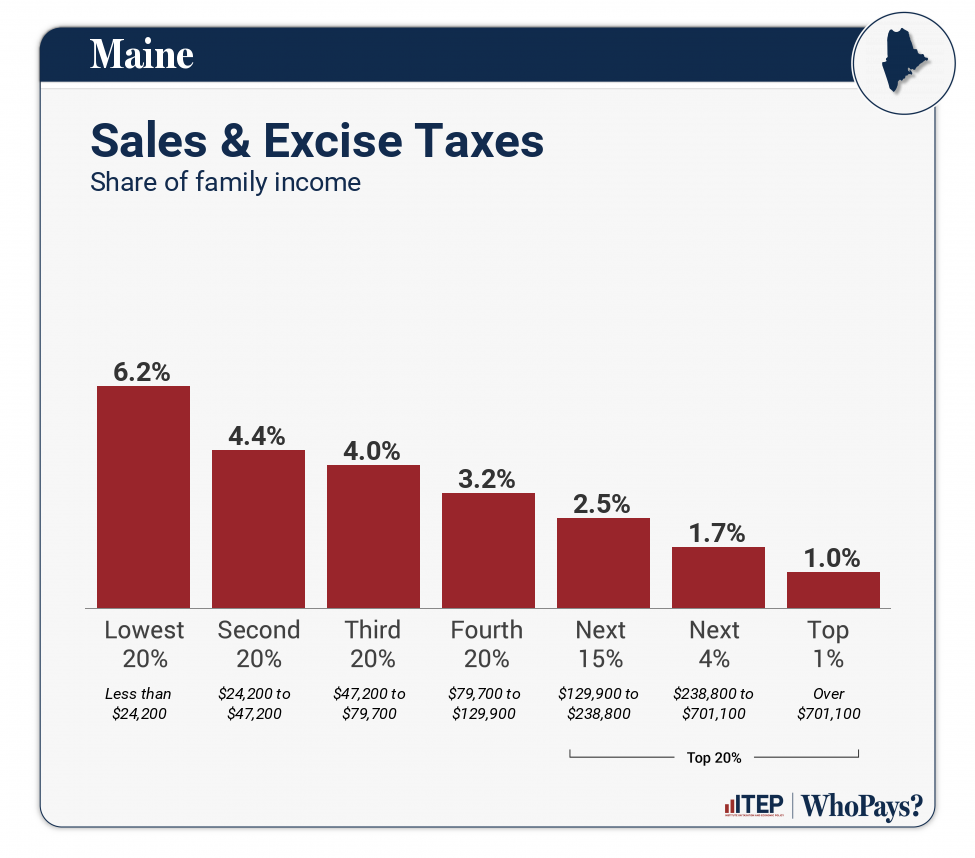
Navigating Costs in Nature and Landmarks
A significant portion of Maine tourism revolves around its natural beauty. While nature itself is free, accessing the most famous landmarks often involves fees that, while not technically “sales tax,” affect your overall travel budget.
Acadia National Park Fees
Acadia National Park, located primarily on Mount Desert Island, is the crown jewel of the state’s natural attractions. Visitors must purchase a park pass to enter. As of recent years, a standard vehicle pass costs around $35 for seven days. This fee is not a sales tax but a federal entry fee that goes toward the maintenance of the Park Loop Road and trails like the Beehive Trail. If you plan on driving to the summit of Cadillac Mountain during the sunrise hours, you must also account for the vehicle reservation fee, which is a separate cost managed by the National Park Service.
Lighthouses and Historic Sites
Maine is home to over 60 lighthouses, with the Portland Head Light in Cape Elizabeth being the most photographed. While there is no tax to stand on the cliffs and look at the lighthouse, the museum located within the former Keepers’ Quarters does charge an admission fee. Similarly, visiting historic forts like Fort Knox in Prospect involves a small entry fee. These costs are vital for the preservation of Maine history and are generally viewed as a contribution to the local heritage.
Strategic Budgeting: Maine vs. New Hampshire
One cannot discuss Maine sales tax without mentioning its neighbor to the west, New Hampshire. This comparison is a frequent topic of conversation among travelers exploring the New England coast.
The Tax-Free Appeal of New Hampshire
New Hampshire is one of the few states in the United States with no general sales tax. This makes it an incredibly popular destination for “tax-free shopping.” Many travelers visiting Maine will actually plan a day trip back across the border to Portsmouth or the North Conway area to make large purchases, such as electronics or luxury goods, to avoid the 5.5% tax.
Why Maine Still Wins for Tourism
Despite the lack of sales tax in New Hampshire, many visitors find that the unique “Maine experience” is worth the marginal tax difference. The dramatic cliffs of Casco Bay, the remote wilderness of Baxter State Park, and the authentic lobster culture are specific to the Pine Tree State. Furthermore, New Hampshire compensates for its lack of sales tax with a “Rooms and Meals” tax that is often comparable to or even higher than Maine’s lodging tax, meaning your overnight stay might cost the same in either state.

Practical Tips for the Savvy Maine Traveler
To make the most of your trip without being surprised by the “hidden” costs of taxes, keep these practical tips in mind:
- Read the Fine Print on Bookings: When searching for hotels on travel sites, the price displayed often excludes the 9% lodging tax. Always look for the “total price including taxes and fees” before confirming your stay at places like the Cliff House Maine.
- Tax-Exempt Items: It is worth noting that Maine exempts most “grocery staple” foods from sales tax. If you are staying in a vacation rental with a kitchen and buying ingredients at a local market to cook your own meals, you will not pay the 5.5% tax on items like fresh produce, bread, or milk. This is a great way to save money on a family trip.
- Shipping Out of State: If you purchase a large item—such as a piece of furniture from a Maine woodworker—and have it shipped directly to your home in another state, you may be able to avoid the Maine sales tax, depending on the store’s policies and the destination state’s laws.
- Seasonality Matters: While the tax rates don’t change by season, the base prices for lodging do. Visiting Maine in the “shoulder seasons” of late spring or late autumn (after the leaf-peepers have left) can drastically reduce your base cost, which in turn reduces the total tax you pay in dollars.
In conclusion, while Maine does have a sales tax, it is structured in a way that is standard for most high-traffic tourism regions in the United States. By understanding the 5.5% general rate, the 8% meals rate, and the 9% lodging rate, you can plan an incredible journey through the Pine Tree State with a clear and accurate budget. From the shores of Ogunquit to the peaks of Mount Katahdin, the value of the experiences you will find in Maine far exceeds the small percentage added to your receipt.
LifeOutOfTheBox is a participant in the Amazon Services LLC Associates Program, an affiliate advertising program designed to provide a means for sites to earn advertising fees by advertising and linking to Amazon.com. Amazon, the Amazon logo, AmazonSupply, and the AmazonSupply logo are trademarks of Amazon.com, Inc. or its affiliates. As an Amazon Associate we earn affiliate commissions from qualifying purchases.