
Embarking on a journey across Florida‘s diverse landscapes offers travelers a blend of vibrant cityscapes, serene coastlines, and captivating natural beauty. For those planning a trip within the Sunshine State, a common question arises regarding the distance and travel logistics between its major hubs. Specifically, understanding the journey from the bustling metropolis of Miami on the Atlantic Coast to the cultured artistic haven of Sarasota on the Gulf Coast is crucial for efficient trip planning. This article serves as a comprehensive guide to navigating this significant inter-city route, detailing distances, travel times, various transportation methods, and valuable insights to make your Florida adventure seamless and enjoyable. Whether you’re a first-time visitor or a seasoned Floridian, optimizing your travel itinerary begins with a clear understanding of the geography and logistical options at hand.

The Geographic Reality: Distance and Travel Time
Understanding the precise distance between Miami and Sarasota is the first step in planning any trip between these two distinct Florida cities. While the crow flies, direct air distance might offer one perspective, the actual road distance and the time it takes to cover it are the practical considerations for most travelers. This section breaks down these essential metrics.
Straight-Line vs. Road Distance
Geographically, the straight-line distance, or “as the crow flies,” between downtown Miami and downtown Sarasota is approximately 160-170 miles (257-274 kilometers). This direct measurement is useful for understanding the general proximity but doesn’t account for the landmass, waterways, or existing road networks that dictate actual travel routes.
When considering road travel, the distance naturally increases due to the necessity of following highways and avoiding natural barriers. The most direct and commonly used driving route typically spans between 220 to 240 miles (354 to 386 kilometers), depending on the specific starting and ending points within each city and minor variations in the chosen path. This road distance takes into account the major arteries that connect South Florida to the Southwest Florida region.
Estimating Travel Time by Car
For the majority of travelers, driving is the preferred method of transport between Miami and Sarasota. The estimated travel time by car can vary significantly based on several factors, primarily traffic conditions, the specific route taken, and the number and duration of any stops made.
Under ideal driving conditions, with minimal traffic and adherence to speed limits, the journey typically takes around 3.5 to 4 hours. This estimate assumes a continuous drive along the fastest routes, predominantly using Interstate 75 (I-75). However, it is crucial to factor in potential delays:
- Peak Traffic Hours: Miami’s metropolitan area is notorious for heavy traffic, especially during morning and evening rush hours. Similar, though less severe, congestion can occur around major cities like Fort Myers and Naples or closer to Sarasota. During these times, travel time can easily extend to 4.5 or even 5 hours.
- Road Construction: Florida is continuously undergoing infrastructure improvements, and construction zones can cause bottlenecks and reduced speed limits.
- Weather Conditions: Heavy rain, common during Florida’s summer months, can significantly reduce visibility and necessitate slower driving speeds.
- Breaks and Stops: Many travelers opt to take breaks for fuel, food, or to stretch their legs. Accounting for these stops is essential for a realistic travel time estimate.
To minimize travel time, it’s generally advisable to depart outside of peak traffic hours, especially when leaving Miami. Utilizing real-time navigation apps can provide the most accurate travel time predictions and suggest alternative routes if significant delays are detected.
Navigating the Sunshine State: Driving from Miami to Sarasota
Driving from Miami to Sarasota is a quintessential Florida road trip, offering a chance to witness the state’s diverse geography, from the urban sprawl of South Florida to the serene landscapes of the Gulf Coast. While there are multiple ways to traverse this distance, certain routes are favored for their efficiency and scenic value.
The Most Common Route: I-75 North
The overwhelming majority of drivers traveling between Miami and Sarasota opt for the route that involves Interstate 75 (I-75), often referred to as “Alligator Alley” in its initial eastern stretch. This route is preferred for its directness and generally high-speed limits.
- From Miami to Naples: Start by heading west on I-75 from the Miami area. This section, known as the “Alligator Alley” or the “Everglades Parkway,” crosses the vast Everglades National Park. It’s a toll road, so be prepared with a SunPass or cash/card for the toll plazas. While the landscape is largely flat and uniform, keep an eye out for wildlife, particularly alligators, in the canals that line the interstate. This stretch is approximately 75-80 miles.
- From Naples to Sarasota: Once you reach the Naples area, I-75 turns north, continuing its path up the Gulf Coast. From Naples, you’ll pass through or near cities like Fort Myers, Punta Gorda, and Venice before arriving in Sarasota. This segment is about 150 miles and is generally straightforward, with multiple exits for amenities and potential stopovers.
This route typically offers the fastest travel time, providing a good balance of speed and direct access to Sarasota’s major arteries.
Scenic Detours and Coastal Alternatives
While I-75 is the most efficient, some travelers prefer a more scenic or less direct route to experience different facets of Florida.
- US-41 (Tamiami Trail): An alternative to the entire I-75 stretch, or a portion of it, is US-41, also known as the Tamiami Trail. This historic road runs roughly parallel to I-75 through the Everglades National Park but closer to its southern edge. It’s a two-lane road for much of its length in South Florida, offering a more intimate view of the Everglades National Park with opportunities for airboat rides and wildlife viewing. Beyond Naples, US-41 continues north along the Gulf Coast, often passing through the heart of coastal towns. While significantly slower due to lower speed limits and more traffic lights, it offers a richer cultural and natural experience, passing through downtown areas and closer to beaches.
- Coastal Roads (e.g., Highway 41/McGregor Blvd in Fort Myers): For those with ample time, taking coastal roads north of Fort Myers can be delightful. While these aren’t direct routes, they offer picturesque views of the Gulf Coast, charming small towns, and access to beautiful beaches. This would significantly increase travel time but transform the journey into a leisurely scenic tour.
Essential Driving Tips and Considerations
To ensure a smooth driving experience, keep the following in mind:
- Tolls: Be aware that “Alligator Alley” (I-75 west of Miami) is a toll road. Consider purchasing a SunPass transponder for convenience and potential savings, or ensure you have cash or a credit card accepted at manual toll booths (though many are now electronic-only). The Florida Turnpike is another major toll road if you consider a different initial path out of Miami before connecting to I-75.
- Fuel: Plan your fuel stops, especially on “Alligator Alley,” where services are limited to specific rest areas. Once on I-75 north of Naples, exits for gas stations are more frequent.
- Weather: Florida experiences heavy rain showers, particularly in the summer. Drive cautiously, slow down, and use headlights during downpours.
- Wildlife: While driving through the Everglades National Park section, be mindful of wildlife, especially at dawn and dusk. Deer, panthers, and alligators can pose hazards.
- Navigation: Use a reliable GPS or smartphone navigation app for real-time traffic updates and directions. This can help you avoid unexpected delays.
Alternative Transportation Options
While driving is the most popular way to travel from Miami to Sarasota, it’s not the only option. Depending on your budget, time constraints, and preferences, several alternative modes of transportation are available, each with its own set of advantages and disadvantages.
Public Bus Services: A Budget-Friendly Choice

For travelers looking for a cost-effective solution without the hassle of driving, public bus services offer a viable alternative. Companies like Greyhound operate routes connecting Miami to Sarasota.
- Pros: Generally the most economical option. No need to worry about driving, tolls, or parking. Allows passengers to relax, read, or work during the journey.
- Cons: Travel time is significantly longer than driving, often ranging from 5 to 7 hours or more, due to multiple stops and potentially indirect routes. Schedule flexibility is limited, and comfort levels can vary.
- Booking: Tickets can be purchased online through the respective bus company websites or at the bus terminal. It’s advisable to book in advance, especially during peak travel seasons, to secure seats and potentially better fares.
Flying Between Miami and Sarasota: Speed vs. Convenience
For those prioritizing speed, flying might seem like the quickest option. However, the direct flight availability and the overall time investment often make it less practical than driving for this specific route.
- Direct Flights: There are no direct commercial flights from Miami International Airport (MIA) to Sarasota-Bradenton International Airport (SRQ). Travelers would typically need to fly to another hub, often Charlotte or Atlanta, and then connect to Sarasota. This adds considerable time and cost.
- Connecting Flights and Airports: Alternatively, one might consider flying from MIA to a larger regional airport like Tampa International Airport (TPA), which is about an hour’s drive north of Sarasota, or Southwest Florida International Airport (RSW) near Fort Myers, about an hour and a half south of Sarasota. From these airports, you would then need to arrange ground transportation to Sarasota.
- Overall Time and Cost: While the flight segment itself is short, the entire process—traveling to/from airports, security checks, boarding, and connecting flights—can easily consume 5-8 hours. When factoring in ticket prices, baggage fees, and ground transportation costs, flying often becomes the most expensive and time-consuming option for the Miami to Sarasota route. Therefore, for most, driving remains the more efficient choice.
Ride-Sharing and Private Transfers
For those who prefer not to drive but desire more flexibility and comfort than a bus, ride-sharing services and private transfers are an option.
- Ride-Sharing (Uber/Lyft): While possible, hiring an Uber or Lyft for such a long distance can be quite expensive. Fares can range from $250 to $400 or more, depending on demand, vehicle type, and surge pricing. It offers door-to-door convenience but at a premium cost.
- Private Car Services: Numerous companies offer private car and limousine services between Miami and Sarasota. These typically provide a comfortable, personalized experience with professional drivers. They are ideal for business travelers or groups willing to share the cost. Prices will be comparable to or higher than long-distance ride-sharing but often include more amenities and reliability.
When choosing an alternative, consider your travel budget, the value you place on time, and your desired level of comfort and convenience. For most, renting a car or driving a personal vehicle remains the optimal balance.
Making the Journey Part of the Destination: Stopovers and Attractions
The drive from Miami to Sarasota doesn’t have to be just a transit between two points; it can be an integral part of your Florida experience. With careful planning, you can transform the journey into a mini-adventure, exploring fascinating attractions and natural wonders along the way. This approach is particularly rewarding if you’ve opted for the flexibility of driving.
Exploring Southwest Florida Along the Way
The route, primarily along Interstate 75 (I-75) or US-41 (Tamiami Trail), traverses through the heart of Southwest Florida, an area rich in natural beauty and charming cities.
- The Everglades National Park (via I-75 or US-41): If you take I-75 through “Alligator Alley,” you’ll be on the northern edge of the Everglades National Park. While the highway itself offers glimpses of the vast wetlands, a quick detour south on one of the smaller roads can lead to visitor centers or airboat tour operators, offering a unique opportunity to experience Florida’s iconic ecosystem and its diverse wildlife. Along US-41 (Tamiami Trail), you’ll find numerous roadside attractions like alligator farms and airboat tours, providing more direct access to Everglades National Park experiences.
- Naples: A sophisticated city on the Gulf Coast, Naples makes for an excellent stopover. Its beautiful beaches, upscale shopping on 5th Avenue South, and fine dining scene offer a taste of luxury. Consider a stroll on the Naples Pier or explore the tranquil Naples Botanical Garden if time permits. It’s a convenient break point about halfway for drivers.
- Fort Myers: Further north, Fort Myers offers a blend of history and natural beauty. The Edison & Ford Winter Estates, the winter homes of Thomas Edison and Henry Ford, are a major historical attraction. The city also serves as a gateway to the barrier islands of Sanibel and Captiva, renowned for their shelling opportunities, though visiting these would require a significant detour.
- Punta Gorda: A charming waterfront town, Punta Gorda is a quieter option for a break. Its historic downtown, harborwalk, and parks like Laishley Park offer a relaxed atmosphere. It’s an ideal spot for a quick bite or to enjoy the scenic Charlotte Harbor.
- Venice: Just south of Sarasota, the city of Venice is famous for its Italian Renaissance architecture and beautiful beaches, particularly Caspersen Beach, known as the “Shark Tooth Capital of the World.” It’s a lovely place to stretch your legs and enjoy the Gulf Coast breeze before reaching your final destination.
Gateway Cities and Natural Wonders
Beyond specific city attractions, the entire Southwest Florida region offers a gateway to unique natural experiences. The drive itself showcases Florida’s diverse ecosystems, from the sawgrass prairies of the Everglades National Park to the coastal mangroves and pristine beaches of the Gulf Coast. Taking a slight detour to a state park or a wildlife refuge can provide an enriching experience, allowing you to connect with Florida’s indigenous flora and fauna. These stops not only break up the drive but also add depth to your understanding and appreciation of the Sunshine State.
Planning Your Trip: What to Consider
A successful journey from Miami to Sarasota hinges on thoughtful planning, encompassing everything from the optimal time to travel to what essentials to pack. By addressing these considerations upfront, you can ensure a smooth, enjoyable, and stress-free trip, making the most of your time in Florida.
Best Time to Travel
The timing of your trip can significantly impact your experience, from traffic conditions to weather and crowd levels.
- Seasonality:
- Winter (December to April): This is Florida’s peak tourist season due to pleasant, cooler temperatures and lower humidity. While the weather is ideal for driving and exploring, expect higher prices for accommodations and potentially more traffic, especially around popular destinations.
- Spring (May to June): The weather remains warm but less humid than summer, and crowds begin to thin out. This can be an excellent shoulder season for travel, offering a good balance of agreeable weather and fewer tourists.
- Summer (July to September): Characterized by hot temperatures, high humidity, and frequent afternoon thunderstorms. This is also hurricane season, so travel insurance and monitoring weather forecasts are crucial. Traffic may be lighter due to fewer tourists, but driving conditions can be challenging with heavy rain.
- Fall (October to November): Similar to spring, this is another shoulder season. Temperatures begin to cool, and humidity drops. The threat of hurricanes lessens towards late fall, making it a pleasant time to travel with moderate crowds.
- Time of Day: To avoid Miami’s notorious rush hour, aim to depart early in the morning (before 7 AM) or late morning (after 9:30 AM). Similarly, departing in the late afternoon after 6 PM can help you bypass the evening commute traffic heading out of the city.
Packing Essentials for the Florida Climate
Florida’s climate dictates a particular packing strategy, especially when considering a road trip.
- Lightweight Clothing: Even in winter, days can be warm. Pack breathable, lightweight fabrics.
- Sun Protection: Sunscreen, sunglasses, and a wide-brimmed hat are non-negotiable, given Florida’s intense sun.
- Rain Gear: A light raincoat or umbrella is essential, particularly during the summer rainy season, when sudden downpours are common.
- Comfortable Footwear: For exploring cities or making stopovers, comfortable walking shoes are a must.
- Hydration: Always carry water, especially for long drives or outdoor activities.
- Road Trip Essentials: For drivers, ensure your vehicle is in good condition. Have a car charger for your phone, a physical map (as a backup to GPS), and snacks. Don’t forget your SunPass or money for tolls.
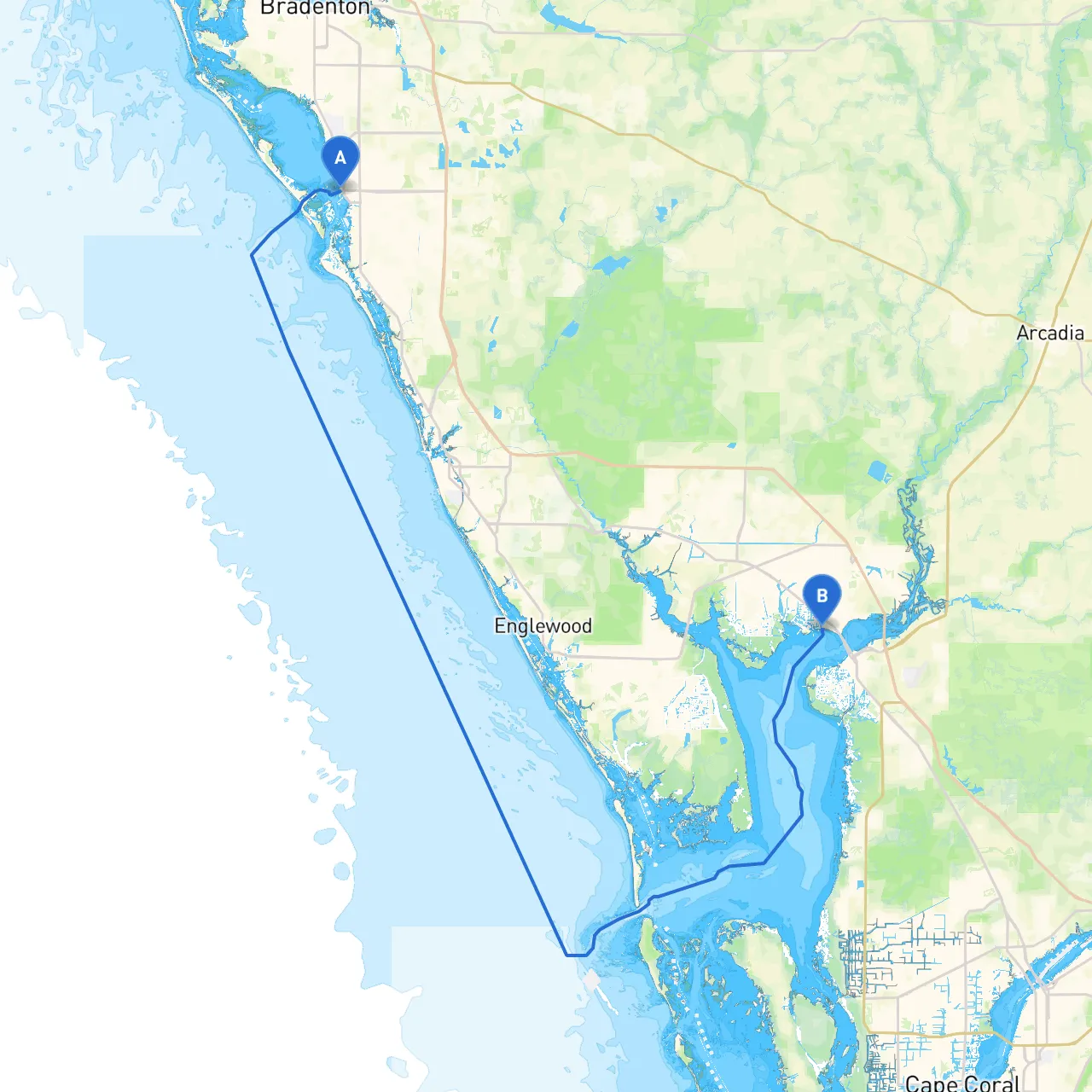
Deciding Between Direct Travel and a Road Trip
The choice between simply getting from point A to point B and transforming the journey into a full-fledged road trip is a personal one, dependent on your priorities.
- Direct Travel: If your goal is primarily to reach Sarasota as quickly as possible, stick to Interstate 75 (I-75), avoid peak traffic hours, and minimize stops. This approach is best for business travelers or those with limited time.
- Road Trip Experience: If you have extra time and a desire to explore, plan for stopovers in places like Naples, Fort Myers, or the Everglades National Park region. This approach allows for a deeper appreciation of Florida’s diverse landscapes and attractions. Research points of interest along your chosen route and allocate additional travel time for detours and exploration. Consider visiting the Ringling Museum of Art in Sarasota or relaxing on Siesta Key beach once you arrive, but let the journey itself be part of the adventure.
By considering these planning aspects, your trip from Miami to Sarasota can be more than just a drive; it can be an enriching and memorable part of your overall Florida experience.
LifeOutOfTheBox is a participant in the Amazon Services LLC Associates Program, an affiliate advertising program designed to provide a means for sites to earn advertising fees by advertising and linking to Amazon.com. Amazon, the Amazon logo, AmazonSupply, and the AmazonSupply logo are trademarks of Amazon.com, Inc. or its affiliates. As an Amazon Associate we earn affiliate commissions from qualifying purchases.