
When travelers and long-term visitors begin planning their excursion to the scenic coasts of Maine, the conversation often shifts toward the practicalities of the destination’s financial landscape. While the charm of the Pine Tree State is defined by its rugged Atlantic Ocean coastline, iconic lighthouses, and world-renowned Acadia National Park, those considering a move or an extended residency are often curious about the state’s fiscal policy. Understanding the tax environment is an essential part of the travel and tourism planning process for those who treat their journeys as a lifestyle.
The Reality of Income and Sales Tax in Maine
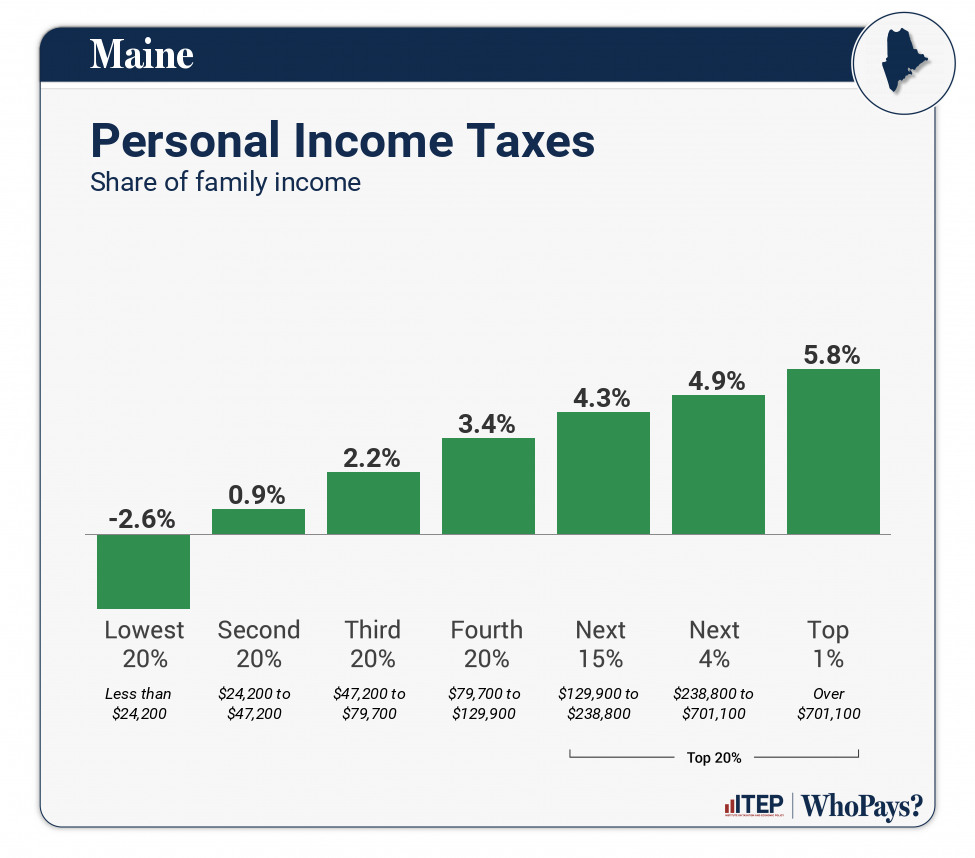
For those navigating the complexities of state taxation, the short answer is that Maine does indeed impose a state income tax. Unlike some states that rely solely on consumption-based revenue or possess no personal income tax, Maine utilizes a graduated income tax structure. This is a critical factor for digital nomads, seasonal workers, or individuals considering a long-term stay in cities like Portland or Bar Harbor.
Understanding the Income Tax Structure
The state income tax in Maine is applied to residents based on their federal adjusted gross income, with certain adjustments allowed by state law. For travelers who are just passing through for a vacation, this usually does not apply; however, for those who establish legal residency, it becomes a part of the local experience. The rates fluctuate based on income brackets, which are adjusted annually for inflation.
The Sales Tax Landscape
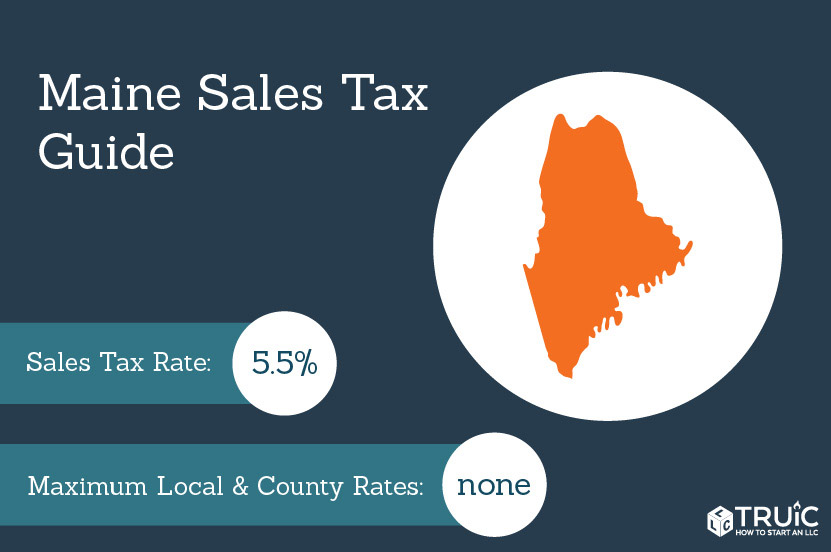
Beyond income tax, travelers will encounter the state’s sales tax during their everyday activities. Maine maintains a general sales tax rate that applies to the purchase of tangible personal property and certain services. When dining at a fresh seafood shack in Kennebunkport or purchasing souvenirs in Camden, the sales tax is an unavoidable part of the final receipt. It is worth noting that Maine also levies specific excise taxes on items such as meals, lodging, and motor vehicle rentals—all categories highly relevant to the tourism industry.
How Tourism Taxes Impact the Traveler’s Wallet
The tourism sector is the lifeblood of Maine, and the state leverages this by implementing specific taxes aimed at those visiting the region. If you are booking a stay at a luxury resort or a cozy bed and breakfast in Boothbay Harbor, you will notice these taxes reflected in your final invoice.
Lodging and Meals Taxes
When you stay at iconic properties such as the White Barn Inn or explore the historical charm of Ogunquit, your lodging costs will include a specialized state tax on short-term rentals. This tax revenue is frequently reinvested into the upkeep of state parks, infrastructure, and tourism marketing campaigns that keep the beauty of New England accessible to all.
The Importance of Infrastructure Funding
It is easy to view taxes as a burden on the travel budget, but in a state as vast and geographically diverse as Maine, these funds are vital. Maintaining the roads that lead to the remote wilderness of the North Maine Woods or ensuring the environmental protection of Casco Bay requires a consistent stream of revenue. Travelers often find that the cleanliness and accessibility of popular sites are direct results of the state’s fiscal planning.
Financial Considerations for Long-Term Stays
If you are a traveler who prefers to stay for months at a time—often referred to as “slow travel”—the financial implications of Maine taxation become more significant. Moving beyond the “vacationer” mindset requires an understanding of how local and state taxes intersect with daily life.
Property Tax and Local Municipalities
Property taxes in Maine are determined at the municipal level rather than the state level. This means that if you choose to lease a long-term villa or purchase a home in a town like Rockland, the property tax burden will vary significantly depending on local school funding, infrastructure projects, and city services. For those exploring the state for investment opportunities or long-term relocation, checking the mill rate of a specific town is as important as checking the local weather forecast.
The Benefits of Fiscal Responsibility
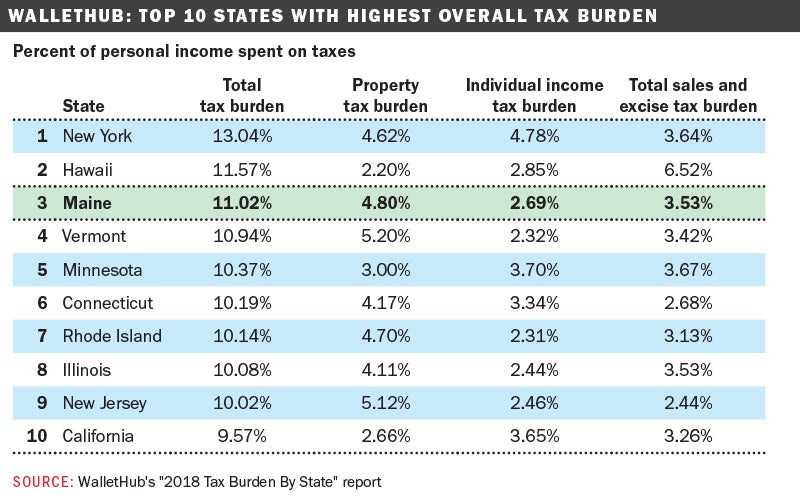
While the presence of income and sales tax might lead some to compare Maine to states with lower tax burdens, many long-term residents argue that the quality of life offsets these costs. The state’s commitment to education, environmental preservation, and the upkeep of historical landmarks like the Portland Head Light creates an environment that maintains high property values and a desirable aesthetic. For the luxury traveler or the discerning retiree, the tax environment is merely one variable in a broader equation of lifestyle quality.
Navigating Local Regulations During Your Trip
As you finalize your itinerary, whether you are visiting the Penobscot Bay region for a sailing excursion or heading inland to Bangor to experience the culture of the interior, keeping a few practical tips in mind will make your financial journey smoother.
- Audit Your Receipts: Always look for the breakdown of your sales tax on lodging and meals. Being aware of the specific “lodging tax” vs. general “sales tax” helps you understand exactly where your travel budget is going.
- Check for Seasonal Adjustments: Some tourist-heavy areas in Maine may have slightly different assessment methods during the peak summer season versus the off-season.
- Plan for Hidden Costs: Beyond state taxes, consider local environmental fees or parking surcharges in highly populated tourist centers like Old Orchard Beach. These are often framed as “visitor fees” rather than traditional taxes.
Ultimately, while Maine does have state taxes, these contributions are fundamental to maintaining the pristine conditions that travelers flock to see. From the granite cliffs of Mount Desert Island to the bustling harbor front of Portland, the state’s fiscal policy ensures that the United States keeps one of its most beautiful corners protected for future generations. By understanding these financial elements, you can focus on what truly matters: experiencing the authentic, rugged, and serene lifestyle that defines this incredible state. Whether you are here for a week-long culinary tour or a summer-long retreat, knowing the reality of the tax situation allows you to plan with confidence and enjoy every moment of your time in the Northeast.
LifeOutOfTheBox is a participant in the Amazon Services LLC Associates Program, an affiliate advertising program designed to provide a means for sites to earn advertising fees by advertising and linking to Amazon.com. Amazon, the Amazon logo, AmazonSupply, and the AmazonSupply logo are trademarks of Amazon.com, Inc. or its affiliates. As an Amazon Associate we earn affiliate commissions from qualifying purchases.