
Traveling between the sunny, sprawling metropolis of Los Angeles and the rain-kissed, pine-covered urban hub of Seattle is one of the most popular domestic routes on the West Coast. Whether you are heading north for a weekend getaway in the Pacific Northwest or traveling south for business in California, understanding the flight duration and the logistics of this route is essential for effective trip planning.
Generally, a non-stop flight from Los Angeles International Airport (LAX) to Seattle-Tacoma International Airport (SEA) takes approximately 2 hours and 45 minutes to 3 hours. While the flight time in the air is relatively brief, the actual travel experience can vary based on several factors, including weather patterns, flight path efficiency, and the airline you choose.
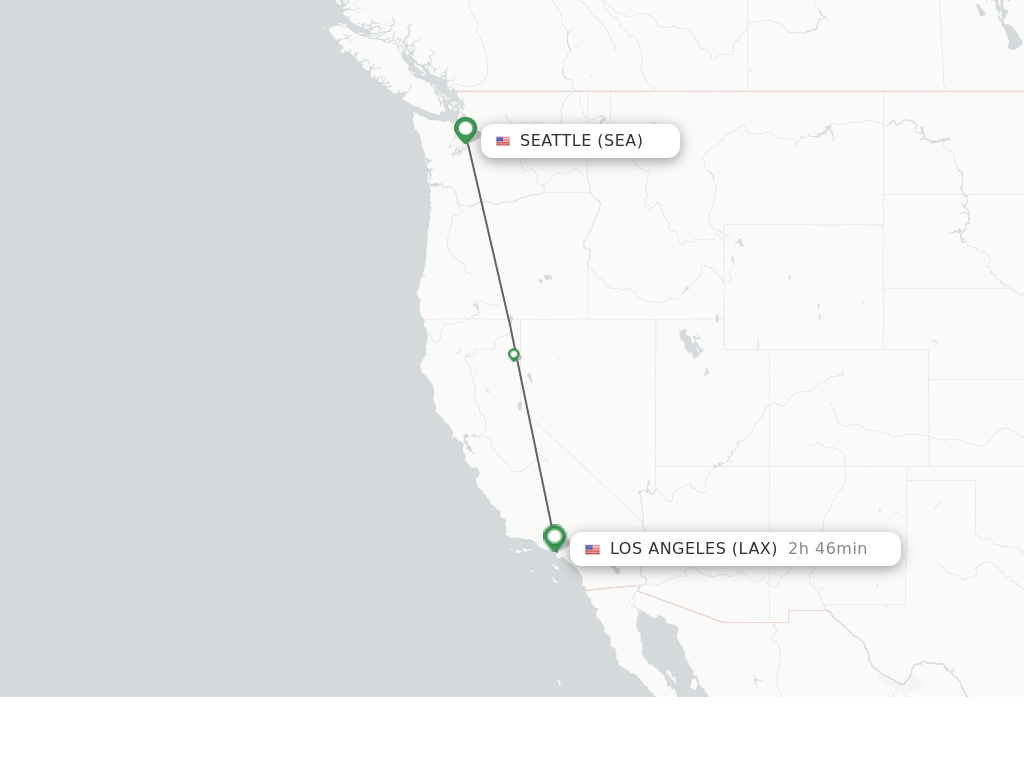
Understanding Flight Duration and Variables
When you look at the flight time, it is important to distinguish between “block time” and actual “air time.” Block time refers to the duration from the moment the aircraft pushes back from the gate in Los Angeles to the moment it arrives at the gate in Seattle. Air time, by contrast, is the actual duration spent in the sky.
Factors Influencing Your Time in the Air
Several variables can impact your transit time. The most significant of these is the headwind versus tailwind effect. Because the jet stream typically flows from west to east, flights heading south or north along the coast can occasionally face varying wind resistance.
Additionally, the taxiing time at Los Angeles International Airport can be notoriously lengthy during peak hours. You might be in the air for only 2 hours and 30 minutes, but the time spent waiting for takeoff clearance on the runway can add significant minutes to your overall journey. Conversely, Seattle-Tacoma International Airport serves as a primary hub for many carriers, and arrival times can fluctuate based on air traffic control congestion.
Direct vs. Connecting Flights
Choosing a direct flight is almost always the preferred method for this route, as the distance is relatively short. However, budget-conscious travelers might occasionally opt for a connecting flight. A connection could add anywhere from 2 to 6 hours to your total travel time. Common connection points for this route include San Francisco, Portland, or Salt Lake City. Unless the cost savings are substantial, most frequent flyers between these two major United States cities prioritize the direct flight to save precious time.
Navigating the Major West Coast Hubs
The experience of flying between these two cities is dictated largely by the airports themselves. Both are major gateways, and navigating them requires a bit of pre-planning to ensure your travel day goes smoothly.

Departure: Los Angeles International Airport (LAX)
Los Angeles International Airport is a massive facility, and traffic congestion surrounding the airport is legendary. When flying to Seattle, it is recommended to arrive at the airport at least two hours before your scheduled departure. The security lines can be unpredictable, particularly during holiday seasons or weekend rushes. If you are flying out of Tom Bradley International Terminal, plan for even more time due to the sheer size of the facility.
Arrival: Seattle-Tacoma International Airport (SEA)
Upon arrival at Seattle-Tacoma International Airport, you will find a highly efficient layout. The airport is connected to the city center via the Link Light Rail, which is often faster than navigating the sometimes-heavy traffic on Interstate 5. If you are visiting Seattle for the first time, take note that the airport is actually located in SeaTac, about 12 miles south of downtown.
Tips for Optimizing Your Travel Experience
To make your trip between these iconic coastal cities as seamless as possible, consider a few strategic moves that go beyond the flight clock.
Choosing the Right Time to Fly
The flight route between Los Angeles and Seattle is heavily utilized by business travelers. Consequently, Tuesday and Wednesday flights are often cheaper and less crowded than those on Friday afternoons or Sunday evenings. If you are looking for a quieter flight experience, mid-week, mid-day departures are generally your best bet.
Seasonal Considerations
While the flight time does not change drastically with the seasons, the reliability of your schedule might. The Pacific Northwest is known for its moody weather, including fog and heavy rain, which can lead to ground holds or air traffic delays at Seattle-Tacoma International Airport. In the winter months, it is wise to keep a close eye on your flight status apps, as even minor weather events in the Northwest can ripple through the flight schedule.
Selecting Your Seat for the View
If you are lucky enough to have a clear day during your flight, the route offers some of the most spectacular aerial views in the country. If you are flying north from Los Angeles to Seattle, select a window seat on the right side of the plane (the starboard side). This gives you the best opportunity to see the Cascade Range, including the majestic Mount Rainier, as you begin your descent into the Puget Sound region.

Preparing for Your Arrival
Once you touch down in Seattle, you are immediately greeted by a different pace of life. Unlike the sprawling urban environment of Southern California, Seattle offers a more compact, walkable downtown core.
If you are staying in the city, you will likely be heading toward neighborhoods like Capitol Hill or Belltown. The distance from the airport to these central areas usually takes about 30 to 45 minutes by car, depending on traffic conditions. If your travel plans include heading further out to explore the Olympic Peninsula or the lush landscapes of Washington State, renting a car directly from the Seattle-Tacoma International Airport rental car facility is the most efficient choice.
Ultimately, the flight from Los Angeles to Seattle is a short, manageable hop that connects two of the most influential cultural powerhouses on the Pacific Coast. By preparing for the common delays associated with major airports and understanding the seasonal nuances of the route, you can ensure that your transition between the sun-drenched beaches of California and the evergreen forests of the Northwest is as comfortable and stress-free as possible. Whether you are traveling for leisure or business, this three-hour flight remains one of the most efficient ways to traverse the incredible diversity of the American West.
LifeOutOfTheBox is a participant in the Amazon Services LLC Associates Program, an affiliate advertising program designed to provide a means for sites to earn advertising fees by advertising and linking to Amazon.com. Amazon, the Amazon logo, AmazonSupply, and the AmazonSupply logo are trademarks of Amazon.com, Inc. or its affiliates. As an Amazon Associate we earn affiliate commissions from qualifying purchases.