
For many individuals approaching or enjoying retirement, understanding the tax implications of their hard-earned Social Security benefits is paramount. This is especially true when considering relocation to a new state, with financial considerations often playing a significant role in the decision-making process. For those drawn to the vibrant culture, entertainment, and diverse landscapes of the Silver State, a key question arises: Does Nevada tax Social Security benefits? The answer, for most retirees and future retirees, is a resounding and welcome no.
Nevada’s Favorable Tax Climate for Retirees
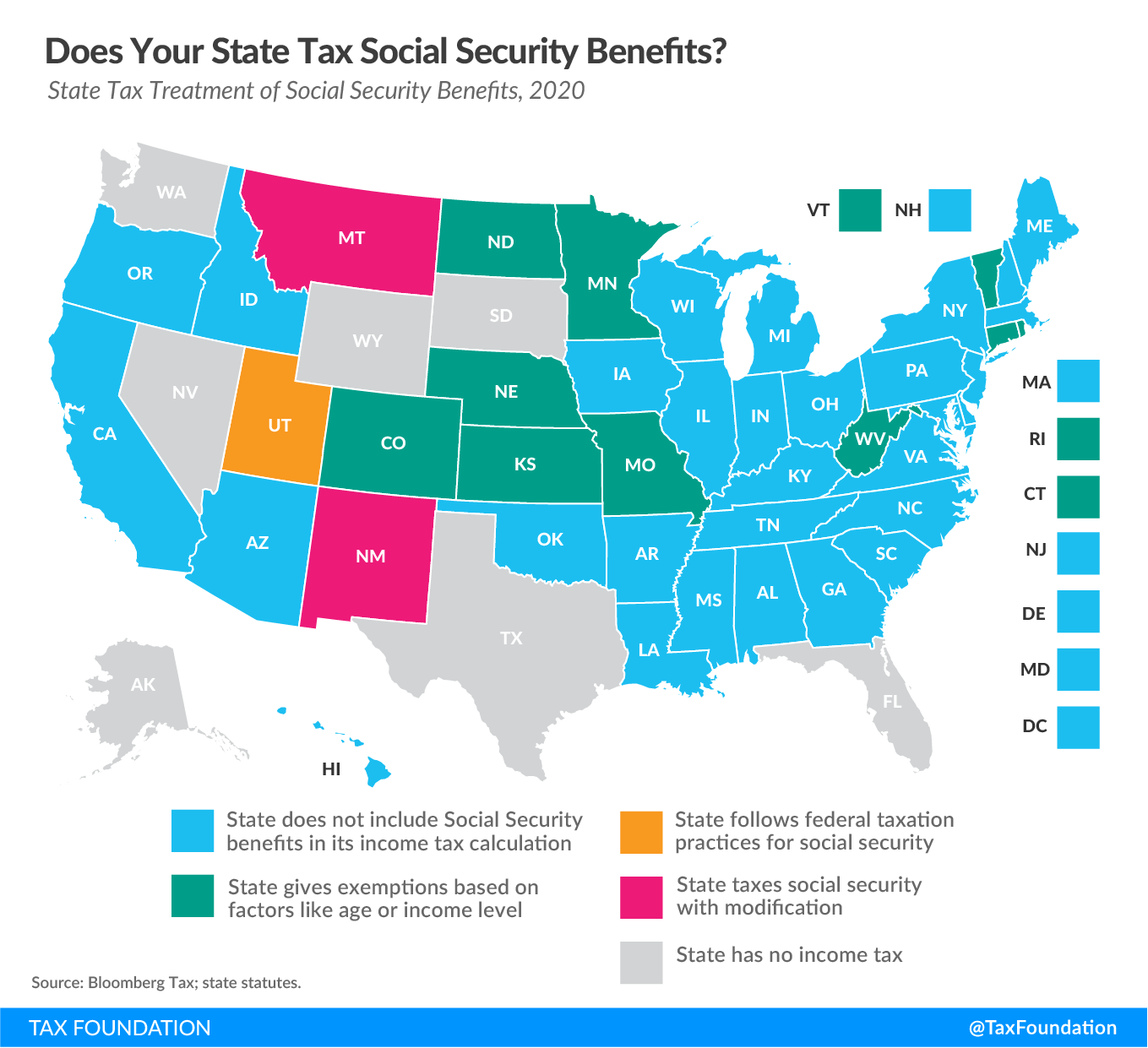
Nevada stands out as one of a select group of states that do not impose a state income tax. This absence of income tax is a significant draw for individuals seeking to maximize their retirement income and minimize their tax burden. Unlike many other states that levy taxes on various income sources, including retirement income, Nevada has structured its tax system to rely on other revenue streams, primarily sales and gaming taxes.
The Absence of State Income Tax
The most impactful aspect of Nevada’s tax policy concerning Social Security benefits is the lack of a state income tax altogether. This means that no portion of your Social Security benefits, whether they are your primary source of income or supplemental, will be subject to state income tax. This is a stark contrast to states like California or New York, where a portion of Social Security benefits may be taxed depending on your overall income level.
How This Benefits Retirees
For retirees, this policy translates into more disposable income. The full amount of your Social Security check can be put towards living expenses, travel, hobbies, or investments, rather than being reduced by state tax obligations. This financial flexibility can significantly enhance the quality of life during retirement, allowing for greater freedom and fewer financial constraints. Whether you’re planning to settle in the bustling city life of Las Vegas, the historic charm of Reno, or a more serene rural community, the tax treatment of your Social Security benefits remains the same.
Understanding Social Security Taxation at the Federal Level
While Nevada offers a tax-free haven for Social Security benefits at the state level, it is crucial to remember that the federal government does have its own rules regarding the taxation of these benefits. The taxability of Social Security benefits at the federal level is determined by your “combined income,” which includes your adjusted gross income (AGI), any non-taxable interest you receive, and one-half of your Social Security benefits.
Federal Tax Brackets for Social Security Benefits
The Internal Revenue Service (IRS) has established specific income thresholds that determine whether any portion of your Social Security benefits will be subject to federal income tax. These thresholds are updated periodically and are generally applied to married couples filing jointly and individuals filing as single.
- For individuals filing as single:
- If your combined income is between $25,000 and $34,000, up to 50% of your Social Security benefits may be taxable.
- If your combined income is greater than $34,000, up to 85% of your Social Security benefits may be taxable.
- For married couples filing jointly:
- If your combined income is between $32,000 and $44,000, up to 50% of your Social Security benefits may be taxable.
- If your combined income is greater than $44,000, up to 85% of your Social Security benefits may be taxable.
It’s important to note that these thresholds apply regardless of where you reside. Therefore, even if you are living in Nevada and your Social Security benefits are not taxed by the state, they could still be subject to federal income tax if your combined income falls within these ranges.
Implications for Nevada Residents
The fact that Nevada does not tax Social Security benefits can significantly reduce the overall tax liability for many retirees, even if they have some federal tax obligation. By eliminating state income tax on these benefits, retirees can retain a larger portion of their income, potentially keeping their combined income lower and thus reducing the amount of Social Security benefits subject to federal taxation. This dual benefit – no state tax and potentially less federal tax – makes Nevada a particularly attractive retirement destination from a tax perspective.
Beyond Social Security: Other Tax Advantages in Nevada

The tax-friendly environment of Nevada extends beyond just Social Security benefits. For retirees and those planning for retirement, other aspects of the state’s tax structure can offer additional financial advantages.
No Taxes on Retirement Income Other Than Social Security
In addition to Social Security, Nevada does not tax other forms of retirement income that are commonly taxed in other states. This includes:
- Pensions: Income received from traditional pension plans is not subject to state income tax in Nevada.
- Withdrawals from retirement accounts: Distributions from 401(k)s, IRAs (Traditional and Roth), and other retirement savings accounts are not taxed at the state level. This means that the full amount of your withdrawals can be used as intended, without a state tax reduction.
This broad exemption for retirement income sources, coupled with the lack of a state income tax, creates a financially advantageous environment for those transitioning into retirement or already living in their golden years.
Property Taxes in Nevada
While Nevada boasts significant tax advantages regarding income, it’s important to consider other taxes, such as property taxes. Property taxes in Nevada are generally considered moderate compared to some other states. The tax rate is a percentage of the assessed value of the property, and the assessment is typically a fraction of the property’s market value.
- Homestead Exemption: Homeowners in Nevada may be eligible for a homestead exemption, which can reduce the assessed value of their primary residence and, consequently, their property tax bill. This exemption provides some relief for homeowners.
- Tax Rates Vary by County: Property tax rates can vary significantly from one county to another within Nevada. Therefore, researching property tax rates in specific areas of interest, such as Henderson or Carson City, is advisable when considering a move.
Sales Tax Considerations
Nevada’s reliance on sales tax as a primary revenue source means that consumers will encounter sales tax on goods and services. Sales tax rates can vary by city and county, with the highest rates often found in the tourist-heavy areas. While this is a factor to consider, for many retirees, the elimination of state income tax on their retirement income and Social Security benefits often outweighs the impact of sales tax.
Planning Your Retirement in Nevada
When planning a retirement in Nevada, understanding its tax landscape is a critical component. The state’s commitment to being an income-tax-free haven makes it an exceptionally attractive option for retirees seeking to preserve their savings and enjoy a financially secure retirement.
Factors to Consider for Relocation
- Cost of Living: While taxes are a significant consideration, the overall cost of living in various Nevada communities should also be factored in. Housing costs, utilities, and daily expenses can vary greatly between the major metropolitan areas and more rural locales.
- Healthcare Access: Access to quality healthcare is a priority for retirees. Researching healthcare facilities and providers in your chosen Nevada community is essential.
- Lifestyle and Amenities: Nevada offers a diverse range of lifestyles, from the glitz and glamour of Las Vegas to the outdoor adventures in areas like Lake Tahoe or the arts and culture scene in cities like Reno. Aligning your lifestyle preferences with the available amenities is key to a fulfilling retirement.
- Proximity to Family and Friends: For many, maintaining connections with loved ones is important. Consider the ease of travel to and from your chosen Nevada location for visits.

Seeking Professional Advice
While Nevada offers clear advantages, it is always recommended to consult with a qualified tax professional or financial advisor. They can provide personalized guidance based on your specific financial situation, helping you to navigate the complexities of federal and state taxation and make informed decisions about your retirement planning. This expert advice can ensure you are fully leveraging Nevada’s tax benefits and optimizing your financial future.
In conclusion, for those wondering, “Does Nevada tax Social Security benefits?” the answer is a definitive no. This, combined with the absence of state income tax on other retirement income, makes the Silver State a compelling choice for a tax-efficient and enjoyable retirement.
LifeOutOfTheBox is a participant in the Amazon Services LLC Associates Program, an affiliate advertising program designed to provide a means for sites to earn advertising fees by advertising and linking to Amazon.com. Amazon, the Amazon logo, AmazonSupply, and the AmazonSupply logo are trademarks of Amazon.com, Inc. or its affiliates. As an Amazon Associate we earn affiliate commissions from qualifying purchases.