
For many considering a move, an extended stay, or even just a discerning vacation, the financial landscape of a destination plays a significant role in its appeal. Among the United States, the state of New Hampshire stands out with a particularly unique tax structure, often heralded as a major draw. The straightforward answer to “Does New Hampshire have income tax?” is generally no, especially concerning earned wages. This distinction, however, comes with a few nuances and a deeper understanding of its implications for residents, visitors, and the vibrant lifestyle found within the Granite State.
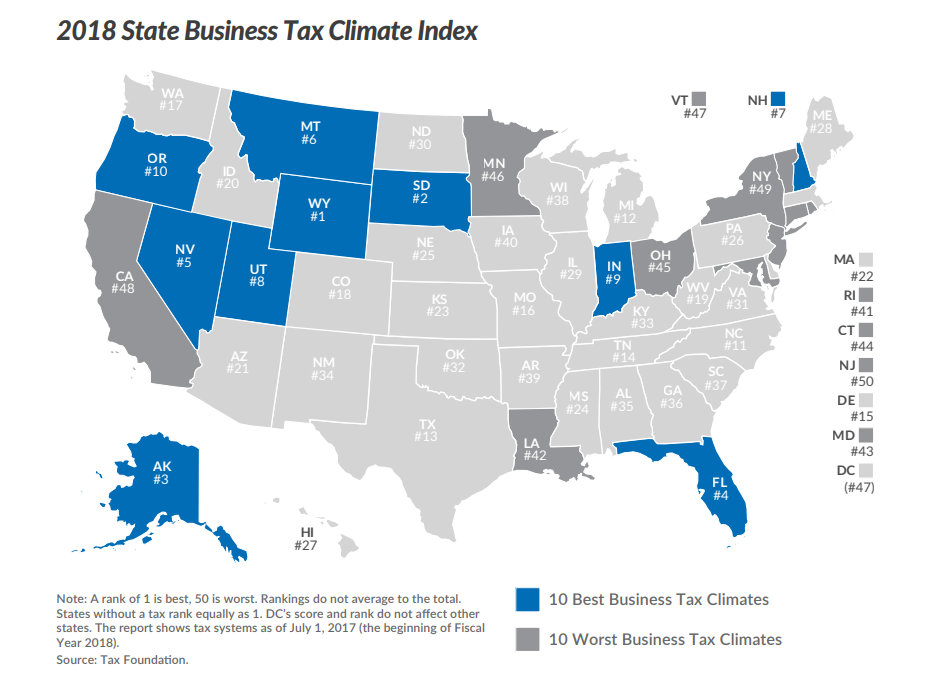
This singular approach to taxation not only shapes the economic environment but also subtly influences the character of life in New Hampshire. From bustling cities like Manchester and Nashua to serene lakeside towns and mountain retreats, the absence of a broad-based income tax contributes to the state’s reputation for fiscal conservatism and an attractive cost of living (despite property taxes). For travelers, this means more disposable income for experiences – whether it’s exploring historic Portsmouth, skiing in the White Mountains, or indulging in the region’s culinary delights. For those considering long-term accommodation or even a relocation, the financial incentives are undeniably powerful, fostering a lifestyle where personal wealth can be better preserved. This article delves into the specifics of New Hampshire’s tax system, exploring its historical context, its current state, and how it interweaves with the state’s thriving tourism sector, diverse accommodation options, and overall appeal as a premier New England destination. We’ll examine why New Hampshire continues to be a magnet for both short-term visitors seeking unforgettable travel experiences and those looking for a permanent home that aligns with a distinct financial philosophy.
The Tax Landscape in the Granite State: A Key Attraction for Residents and Visitors
New Hampshire proudly boasts its status as one of a handful of states in the United States that does not levy a general income tax on wages and salaries. This fundamental aspect of its fiscal policy has profound implications, making it a compelling destination for individuals, families, and businesses alike. Understanding this unique approach is crucial for anyone considering a visit, a temporary stay, or a full-fledged relocation to the Granite State. It’s a key factor in the overall lifestyle proposition, influencing everything from daily expenses to long-term financial planning, and even the type of tourism that flourishes here.
Understanding New Hampshire’s Unique Tax Structure
While it’s true that New Hampshire does not tax earned income from wages, it historically did levy a tax on interest and dividends, commonly referred to as the “Interest and Dividends Tax.” This tax, imposed at a rate of 5%, applied to gross interest and dividend income exceeding certain thresholds ($2,400 for individuals, $4,800 for joint filers). For many years, this was the primary exception to the state’s “no income tax” mantra. However, this, too, is in the process of being phased out, further solidifying New Hampshire’s reputation as a tax-friendly haven. This distinct structure means that residents working in New Hampshire keep more of their take-home pay, which can significantly impact their budget for travel, leisure, and accommodation choices. For instance, a family visiting North Conway for a ski trip or exploring the scenic Kancamagus Highway during fall foliage season might find their travel budget stretches further, allowing for more luxurious suites, additional attractions, or extended stays. The absence of a sales tax is another major boon, meaning shopping for souvenirs, outdoor gear, or local crafts is often more affordable than in neighboring states.
The Phasing Out of Interest and Dividends Tax
In a significant move to further enhance its low-tax appeal, New Hampshire has enacted legislation to gradually phase out its Interest and Dividends Tax. This process began in 2023 with a reduction to 4%, followed by further decreases to 3% in 2024, 2% in 2025, and 1% in 2026. By 2027, the tax on interest and dividends is slated to be completely eliminated. This progressive repeal underscores the state’s commitment to attracting and retaining residents, particularly retirees and investors, for whom such income constitutes a substantial portion of their financial well-being. For those considering long-term accommodation, perhaps a seasonal rental overlooking Lake Winnipesaukee or a permanent residence in a charming town like Hanover, this policy shift makes New Hampshire even more attractive. The promise of zero state-level taxes on both earned income and investment income by 2027 presents an unparalleled financial advantage in the region. While property taxes in New Hampshire are higher compared to many other states, the overall tax burden can still be considerably lower for many individuals, especially those with substantial investment portfolios or high earnings, making it an appealing choice for a wide array of lifestyles, from luxury travelers exploring grand resorts like the Omni Mount Washington Resort to budget-conscious families seeking memorable experiences.
Beyond Taxes: Why New Hampshire Appeals to Travelers and Those Seeking a Lifestyle Change
While the advantageous tax environment is a significant draw, New Hampshire’s allure extends far beyond its fiscal policies. The state offers a rich tapestry of natural beauty, historical charm, and vibrant communities that appeal to a diverse range of visitors and prospective residents. For anyone exploring travel destinations, accommodation options, or even considering a profound lifestyle shift, New Hampshire presents a compelling package of experiences and opportunities. Its scenic landscapes and distinctive cultural offerings are integral to its identity as a premier New England locale, drawing millions of tourists annually and fostering a strong sense of community for its residents.
Natural Beauty and Outdoor Adventures
The Granite State lives up to its name with a rugged, majestic beauty that provides a playground for outdoor enthusiasts year-round. The iconic White Mountains dominate the northern landscape, home to Mount Washington, the highest peak in the Northeastern United States and renowned for its extreme weather. Here, visitors can explore Franconia Notch State Park, marvel at the Flume Gorge, or ride the tramway up Cannon Mountain for breathtaking vistas. Winter transforms the region into a skiing and snowboarding paradise, with popular resorts like Attitash Mountain Resort, Bretton Woods, and Gunstock Mountain Resort offering trails for all skill levels. In warmer months, the endless hiking trails, pristine lakes such as Lake Winnipesaukee and Lake Sunapee, and scenic drives like the Kancamagus Highway provide ample opportunities for adventure, from kayaking and fishing to mountain biking and rock climbing. The state’s short but beautiful coastline along the Atlantic Ocean offers sandy beaches, charming seaside towns, and opportunities for whale watching, particularly around Rye and Hampton Beach. This natural splendor isn’t just for tourists; it underpins a healthy, active lifestyle for residents, with easy access to fresh air and invigorating activities influencing real estate choices and community planning.
Charming Towns and Cultural Experiences
Beyond its wild landscapes, New Hampshire is dotted with picturesque towns and cities that offer rich cultural experiences and historical depth. Portsmouth, a historic seaport city, is a prime example, blending colonial heritage with a vibrant arts scene, eclectic boutiques, and award-winning restaurants. Visitors can wander through the Strawbery Banke Museum, a living history museum, or enjoy a show at the historic Music Hall. Concord, the state capital, offers its own historical landmarks and a thriving local scene. Academic hubs like Hanover, home to Dartmouth College, and Exeter, where Phillips Exeter Academy is located, exude intellectual charm and offer a variety of cultural events and amenities. Other notable landmarks include the Canterbury Shaker Village, a National Historic Landmark preserving the history of the Shakers, and Saint-Gaudens National Historical Park in Cornish, which celebrates the work of sculptor Augustus Saint-Gaudens. From colonial architecture to contemporary art galleries, farmers’ markets, and local festivals, New Hampshire’s towns provide a quaint yet sophisticated backdrop for any visit, offering unique lodging experiences from historic inns to modern hotels, catering to both budget-conscious travelers and those seeking luxury accommodations.
A Strategic Location for East Coast Exploration
New Hampshire’s geographical position further enhances its appeal. Nestled within the heart of New England, it shares borders with Massachusetts, Vermont, Maine, and even Canada to the north. This makes it an ideal base for exploring a wider region. A short drive can take you to the bustling metropolis of Boston, Massachusetts, offering world-class museums, historical sites, and diverse culinary experiences. To the west, Vermont’s rolling hills and artisanal food scene await, while to the east, Maine’s rugged coastline and renowned seafood provide another distinct New England experience. For those with a love for road trips, the proximity to various states means endless possibilities for weekend getaways and extended travel itineraries, enhancing the appeal for tourists and long-term residents alike. Many visitors flying into Boston Logan International Airport choose to rent a car and embark on a New Hampshire adventure, often combining it with other regional highlights. This strategic location adds immense value to any travel guide, offering a comprehensive and diverse New England experience that effortlessly transitions between natural wonders, charming towns, and major urban centers, making New Hampshire a truly central hub for exploration.
Making New Hampshire Your Home or Home-Away-From-Home
The combination of a favorable tax climate and abundant natural beauty makes New Hampshire an attractive proposition for both permanent residency and extended vacations. Whether you’re a digital nomad seeking a peaceful yet connected base, a family looking for enriching travel experiences, or a retiree envisioning a tranquil yet active lifestyle, New Hampshire offers a compelling array of choices. The decision to make the Granite State your home, even temporarily, involves considering the nuances of its lifestyle and the diverse accommodation landscape that caters to every need and budget.
Lifestyle and Cost of Living Considerations
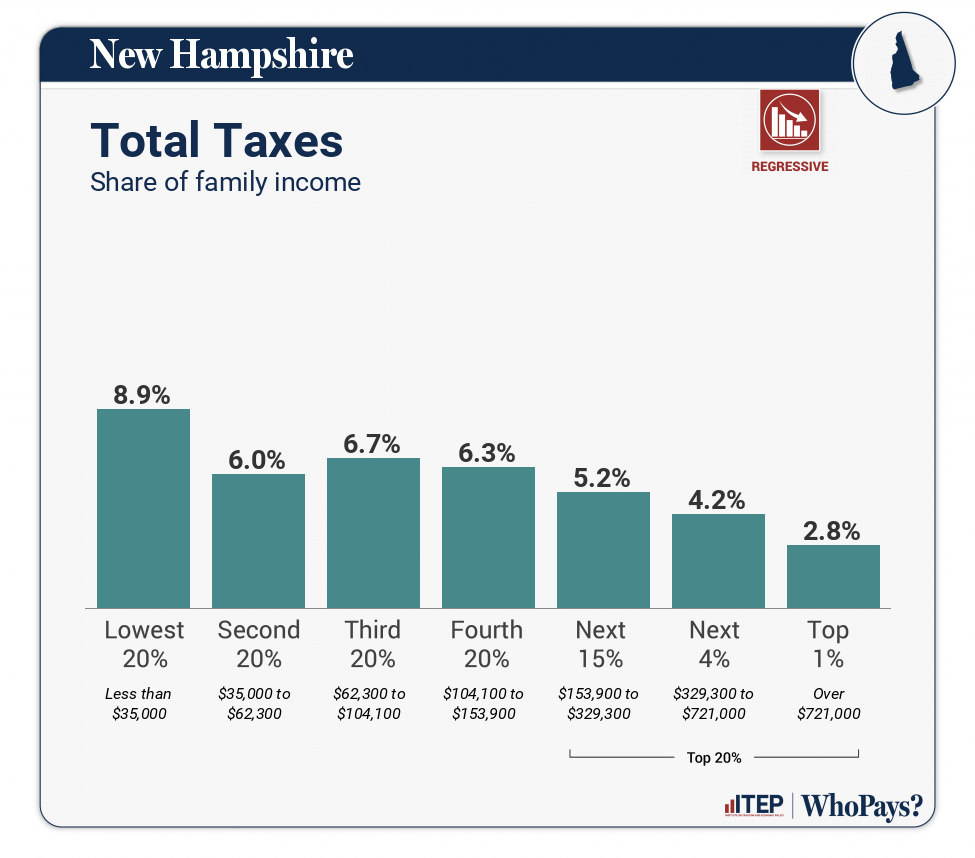
While New Hampshire’s lack of income and sales tax certainly helps with disposable income, it’s important to consider other cost of living factors. Property taxes, for instance, are among the highest in the nation, reflecting how the state funds its local services and education without broader income or sales taxes. However, the overall cost of living can still be quite competitive, especially when comparing the total tax burden to neighboring states like Massachusetts. Groceries, utilities, and transportation costs are generally in line with or slightly above the national average. The lifestyle here often emphasizes outdoor activities, community engagement, and a slower pace of life, particularly in rural areas. Cities like Manchester and Nashua offer more urban amenities, including diverse dining, cultural venues like the Currier Museum of Art, and professional opportunities, while maintaining a strong sense of community. For families, the appeal often lies in the excellent public school systems, low crime rates, and abundant recreational activities. Retirees are drawn to the tranquil environment, access to quality healthcare, and the significant tax advantages on retirement income, allowing their savings to stretch further.
Accommodation Choices: From Cozy Inns to Luxury Resorts
New Hampshire offers a spectrum of accommodation options to suit every taste and budget, reflecting its diverse tourism and residential appeal. For those seeking luxury travel, world-class resorts like the historic Omni Mount Washington Resort in Bretton Woods or Wentworth by the Sea in New Castle provide opulent suites, fine dining, spa services, and stunning backdrops for an unforgettable experience. These establishments often feature comprehensive amenities, catering to discerning travelers and offering packages for weddings, business conferences, or family trips. Boutique hotels and charming bed and breakfasts, like the Inn at Thorn Hill in Jackson, are plentiful in picturesque towns, offering personalized service and local charm, perfect for romantic getaways or immersive cultural tourism. For budget travel, motels, vacation rentals, and campgrounds are widely available, especially around popular tourist areas like Lake Winnipesaukee or the White Mountains, providing cost-effective ways to enjoy the state’s attractions. For longer stays, whether for remote work, seasonal relocation, or extended family visits, fully furnished apartments, villas, and cabins can be booked through various platforms, often offering amenities like fully equipped kitchens, laundry facilities, and scenic views, providing a home-away-from-home experience. The variety ensures that whether you’re looking for a quick stopover or a month-long retreat, ideal accommodation is readily available.
Planning Your Visit: Maximizing Your Stay
To truly experience the best of New Hampshire, strategic planning is key. Consider the season: fall foliage draws massive crowds, necessitating early booking for hotels and resorts, particularly along scenic routes like the Kancamagus Highway. Winter is prime for skiing and snowmobiling, with resorts like Gunstock Mountain Resort and Bretton Woods offering extensive amenities. Summer is ideal for lake activities, hiking, and exploring coastal towns. Spring offers a quieter experience with blossoming landscapes. Researching specific attractions like the Mount Washington Cog Railway, taking a cruise on the M/S Mount Washington on Lake Winnipesaukee, or visiting historical landmarks such as America’s Stonehenge will help tailor your itinerary. Leveraging online booking platforms for accommodations, comparing reviews, and considering travel guides can enhance your trip. For families, look for resorts with kid-friendly amenities and attractions like the Children’s Museum of New Hampshire in Dover. Business travelers will find excellent facilities and connectivity in cities like Manchester and Concord. Regardless of your travel style or purpose, New Hampshire’s diverse offerings ensure a memorable and enriching experience.
The Economic Impact and Future Outlook
New Hampshire’s distinctive tax policy is not merely a historical artifact; it’s a dynamic force that actively shapes its economy, influences its demographic trends, and plays a crucial role in its future development. The state’s approach to taxation has cultivated an environment that fosters economic growth, encourages tourism, and attracts new residents, all of which contribute to its unique New England character. Understanding these broader implications is essential for appreciating the full scope of the “New Hampshire Advantage” and what it means for the state’s trajectory.
How a Low-Tax Environment Fuels Tourism and Business
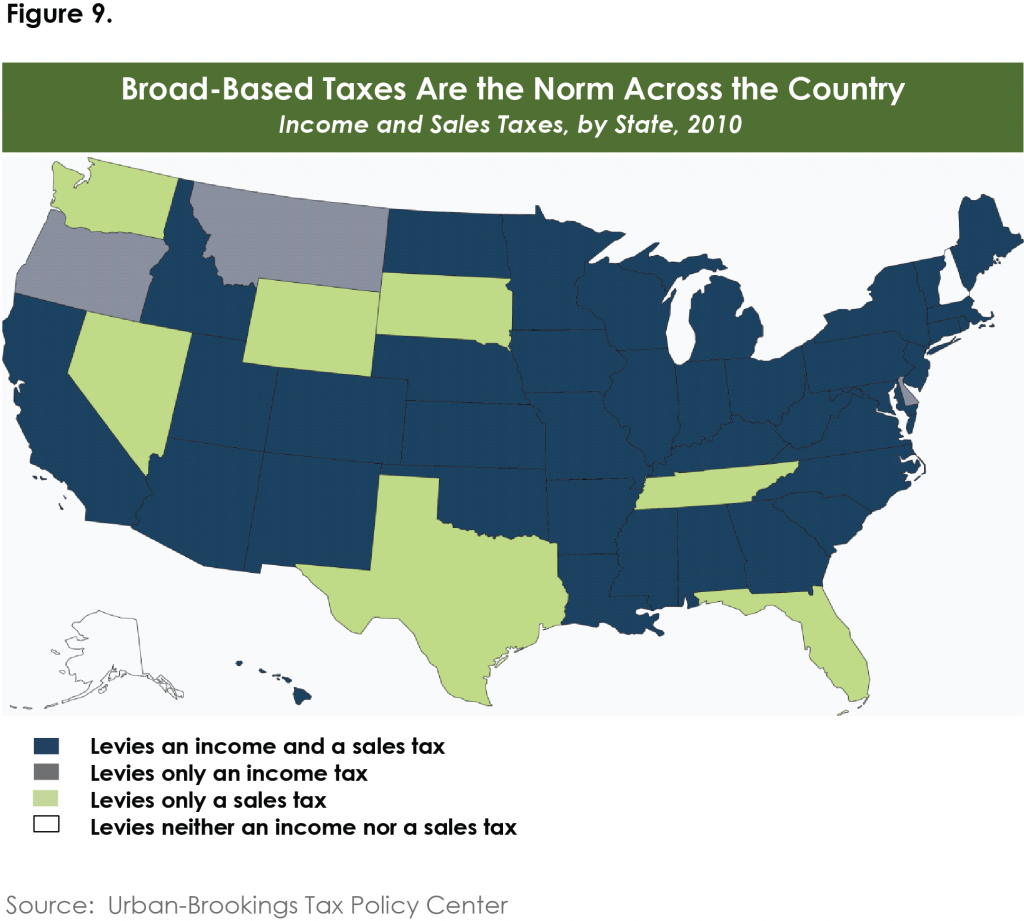
The absence of a broad-based income tax and sales tax directly benefits both tourism and business in New Hampshire. For tourists, the lack of sales tax makes shopping for anything from outdoor gear to souvenirs more attractive, encouraging spending within the state. This boosts local businesses, including hotels, restaurants, and retail shops, directly supporting jobs and economic vitality in travel destinations like Portsmouth, North Conway, and the Lake Winnipesaukee region. The lower tax burden on residents means more disposable income, which can be channeled back into the local economy through leisure activities, dining out, and supporting local businesses, further enhancing the tourism ecosystem. For businesses, particularly small and medium-sized enterprises, the absence of a corporate income tax (though there is a business profits tax and business enterprise tax) can translate into lower operating costs and higher profitability. This creates a more favorable climate for entrepreneurship and investment, encouraging companies to establish or expand their operations in New Hampshire, which in turn creates jobs and attracts a skilled workforce. The combination of fiscal advantages and a high quality of life makes New Hampshire an appealing location for business stays, conferences, and long-term corporate relocations.
Navigating the Future: Sustaining the “New Hampshire Advantage”
As New Hampshire continues to evolve, maintaining its “New Hampshire Advantage” – particularly its low-tax environment – remains a key policy objective. The ongoing phase-out of the Interest and Dividends Tax signals a clear commitment to this principle, aiming to make the state even more competitive for retirees and investors. However, this model relies heavily on property taxes to fund local services, schools, and infrastructure, which can present challenges. Debates around funding public services while preserving the low-tax identity are ongoing. The state’s future will likely involve balancing fiscal conservatism with the need for modern infrastructure, educational advancements, and environmental protection to sustain its natural beauty and quality of life. For travelers and potential residents, this means New Hampshire is likely to continue being a state that prioritizes individual financial freedom alongside a vibrant, nature-rich lifestyle. As it navigates these complexities, New Hampshire remains a beacon for those seeking a unique New England experience, whether for a memorable vacation, a strategic business venture, or a new place to call home, ensuring that the charm and advantages of the Granite State endure for generations to come.
LifeOutOfTheBox is a participant in the Amazon Services LLC Associates Program, an affiliate advertising program designed to provide a means for sites to earn advertising fees by advertising and linking to Amazon.com. Amazon, the Amazon logo, AmazonSupply, and the AmazonSupply logo are trademarks of Amazon.com, Inc. or its affiliates. As an Amazon Associate we earn affiliate commissions from qualifying purchases.