
Puerto Rico, often dubbed the “Island of Enchantment,” beckons travelers with its vibrant culture, stunning natural beauty, and rich history. Yet, beneath the allure of its sun-kissed beaches and salsa rhythms lies a unique political identity that often sparks curiosity: Is Puerto Rico a commonwealth? The simple answer is yes, but the intricacies of this status run far deeper than a single word can convey, profoundly shaping the island’s governance, economy, and its appeal as a global travel destination. Understanding Puerto Rico’s relationship with the United States is key to appreciating its distinct character and the seamless travel experience it offers to millions.

This article delves into the fascinating political landscape of Puerto Rico, exploring what it means to be a commonwealth, how this status impacts tourism and daily life, and why this captivating Caribbean gem should be at the top of your travel wish list. From its breathtaking landmarks and diverse accommodations to its exquisite culinary scene and endless adventure opportunities, Puerto Rico offers an unparalleled blend of familiar comfort and exotic discovery, all underpinned by its one-of-a-kind political standing.
Unpacking Puerto Rico’s Unique Political Status
The term “commonwealth” when applied to Puerto Rico signifies a unique and complex relationship with the United States that dates back over a century. It’s a status that grants Puerto Rico a significant degree of self-governance while simultaneously binding it to the federal laws and protections of the US mainland. This intricate dance between autonomy and oversight creates a distinct environment unlike any other American territory or state.
A Commonwealth, But Not Quite a State
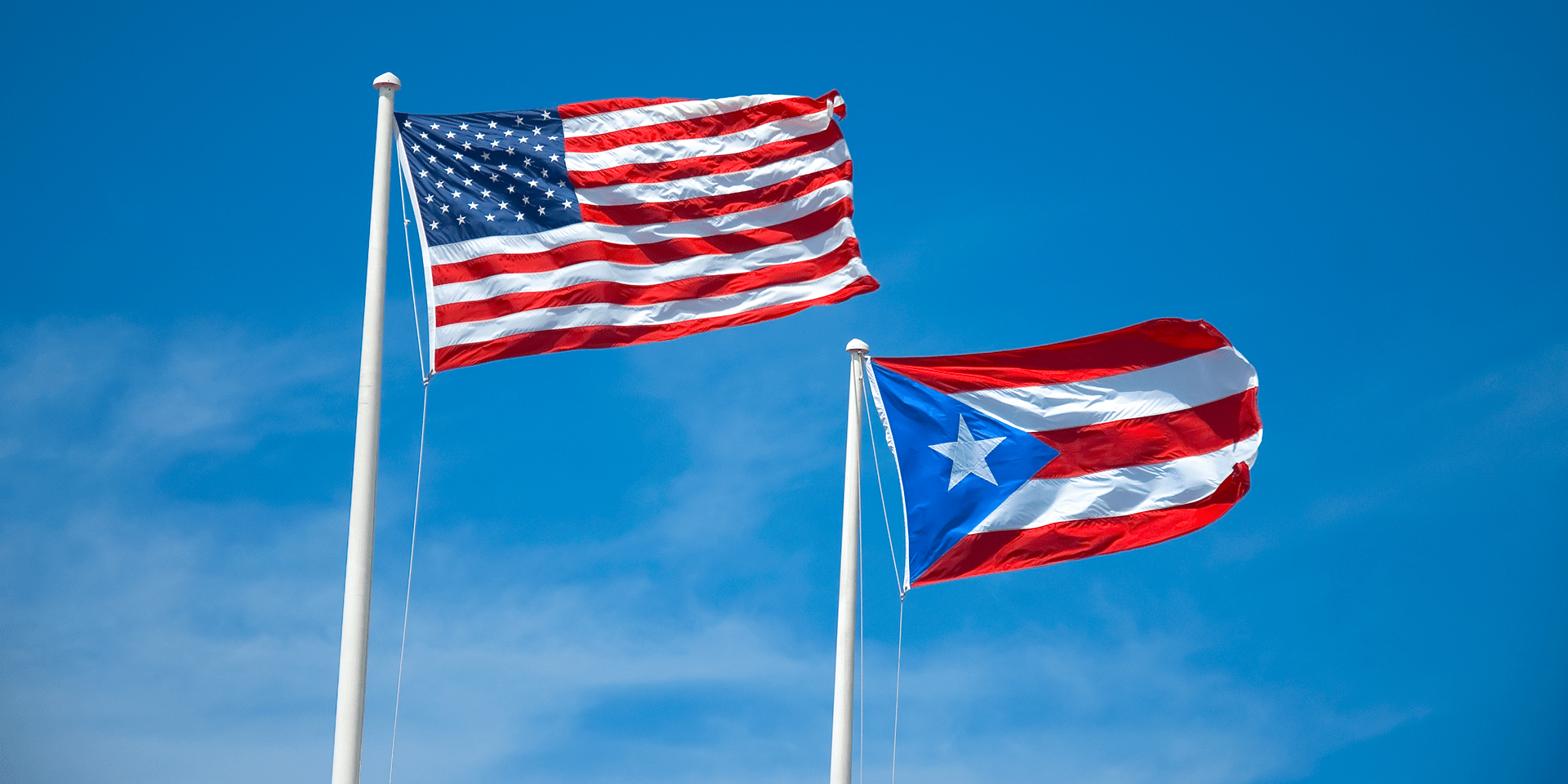
At its core, Puerto Rico is an unincorporated territory of the United States. This means that while its residents are natural-born US citizens, they do not have voting representation in the US Congress, nor can they vote in presidential elections (unless they move to one of the 50 states). However, the benefits of US citizenship are substantial for both residents and visitors alike. Travelers from the United States do not need a passport to visit Puerto Rico, and the official currency is the US dollar, simplifying transactions and financial planning for tourists. English and Spanish are both official languages, though Spanish is more widely spoken, especially outside of major tourist hubs.
The island operates under its own constitution, adopted in 1952, which established its current commonwealth status. This constitution grants Puerto Rico control over its internal affairs, including local laws, education, and public services. However, federal laws of the United States apply, particularly in areas like defense, trade, and customs. This unique legal framework means that while you’ll experience a vibrant Caribbean culture, you’ll also benefit from familiar consumer protections, banking systems, and legal infrastructure that come with being part of the US. It’s an interesting paradox, offering the thrill of international travel without the typical complexities.
Historical Roots and Evolving Debates
The story of Puerto Rico’s relationship with the United States begins with the Spanish-American War in 1898, when the island was ceded by Spain to the US. Early governance was established through acts like the Foraker Act of 1900, which defined Puerto Rico as an unincorporated territory. Over the decades, the relationship evolved, with significant milestones like the granting of US citizenship to Puerto Rican residents in 1917 and the establishment of its commonwealth constitution.
Despite the relative stability of the commonwealth status, the political future of Puerto Rico remains a subject of ongoing debate and plebiscites. Residents frequently vote on proposals for statehood, independence, or an enhanced commonwealth status. These discussions highlight a dynamic political landscape where the desire for greater autonomy or full integration into the United States continually shapes public discourse. While these debates are primarily internal, they reflect the island’s unique identity and its persistent quest for a definitive political path, a journey that adds another layer of intrigue to its story.
The Impact of Commonwealth Status on Travel and Tourism
For the discerning traveler, Puerto Rico’s commonwealth status translates into a host of practical advantages and a uniquely rich cultural experience. It offers a bridge between the familiar and the exotic, making it an incredibly accessible yet deeply rewarding destination for a wide range of visitors.
Seamless Travel for US Citizens
One of the most significant benefits for US citizens planning a trip to Puerto Rico is the unparalleled ease of travel. As an unincorporated territory, the island falls under the domestic travel regulations of the United States. This means no passport is required for US citizens, streamlining the planning process and reducing potential travel anxieties. Simply pack your bags, grab your government-issued ID, and you’re ready to explore.
Furthermore, the use of the US dollar as the official currency eliminates the need for currency exchange, making budgeting and transactions straightforward. Most major credit cards are widely accepted, and ATMs are readily available. Common US postal services are also operational, along with familiar communication networks, ensuring connectivity is never an issue. This combination of no-passport travel, shared currency, and familiar services makes Puerto Rico feel like an extension of the mainland, yet it opens the door to an entirely distinct Caribbean adventure. This seamlessness is a key draw for family trips, budget travel, and those seeking an easy escape without the complexities often associated with international destinations.
A Blend of Cultures and Regulations
The commonwealth status also fosters a unique blend of Puerto Rican culture with American influences. While Spanish heritage is profoundly evident in its language, cuisine, music, and architecture, the island also benefits from US infrastructure, safety standards, and consumer regulations. This means travelers can enjoy the charm of a vibrant Caribbean island with the added assurance of familiar legal frameworks and safety protocols.
This cultural amalgamation is beautifully showcased in Puerto Rico’s tourism landscape. You can explore historic Spanish colonial cities like Old San Juan with its cobblestone streets and centuries-old forts, then retreat to a luxurious, modern resort chain that adheres to international hospitality standards. The local culture thrives, offering authentic experiences from traditional mofongo to energetic salsa dancing, while the overlay of American influence provides a layer of convenience and familiarity that enhances the visitor experience. This delicate balance makes Puerto Rico an incredibly versatile destination, catering to those seeking deep cultural immersion as well as those desiring a comfortable, amenity-rich vacation.
Exploring Puerto Rico: A Traveler’s Guide to Its Charms
Beyond its political status, Puerto Rico stands as a world-class travel destination, bursting with diverse attractions, culinary delights, and accommodation options that cater to every taste and lifestyle. Its unique blend of history, nature, and vibrant culture makes it an ideal spot for luxury travel, budget adventures, family trips, or even business stays.
Iconic Landmarks and Natural Wonders
Puerto Rico’s landscape is a tapestry of natural beauty and historical significance. The capital, San Juan, is home to the enchanting walled city of Old San Juan, a UNESCO World Heritage site. Here, visitors can wander through colorful colonial buildings, explore the majestic fortresses of El Morro and San Cristóbal, and delve into centuries of history. These landmarks offer not just historical insights but also breathtaking views of the Caribbean Sea, making them perfect for sightseeing and photography.
For nature lovers, El Yunque National Forest, the only tropical rainforest in the US National Forest system, is an absolute must-visit. Its lush trails lead to spectacular waterfalls, diverse wildlife, and panoramic vistas. Adventurers can hike to the peak of Mount Britton Tower or swim in the refreshing waters of La Mina Falls. Beyond the rainforest, Puerto Rico boasts three of the world’s five bioluminescent bays. The most famous, Mosquito Bay on the island of Vieques, offers an ethereal nighttime kayaking experience where microorganisms light up the water with every paddle stroke. Other notable bioluminescent spots include Fajardo and La Parguera in Lajas.
The island’s coastline is dotted with some of the world’s most beautiful beaches. Flamenco Beach on the tiny island of Culebra consistently ranks among the best globally, renowned for its pristine white sand and turquoise waters. Mainland beaches like Luquillo Beach offer calm waters perfect for families, while destinations like Rincón on the west coast are famed for their world-class surfing waves. For diving and snorkeling enthusiasts, the clear waters around Mona Island and the smaller islets offer incredible marine biodiversity.
Culinary Delights and Local Experiences
Puerto Rican cuisine is a vibrant fusion of Taíno, Spanish, and African influences, offering a gastronomic journey that is as rich and diverse as its culture. No visit is complete without savoring mofongo, a hearty dish made from mashed plantains, garlic, and pork cracklings, often served with a variety of fillings. Other local favorites include lechón (roast pork), alcapurrias (fried fritters), and pasteles (a tamale-like dish). The island is also famous for its coffee plantations, especially in the central mountainous regions, offering rich, aromatic brews. And, of course, Puerto Rico is synonymous with rum, with distilleries offering tours and tastings that showcase its long history of production.
Beyond food, the local culture is an immersive experience. Salsa music and dancing are integral to Puerto Rican life, with lively venues throughout San Juan and other cities like Ponce offering opportunities to learn or simply enjoy the rhythm. Festivals celebrating everything from patron saints to plantains add a colorful dimension to any visit. Adventure activities abound, from zip-lining through rainforests to kayaking mangrove forests, and exploring ancient caves in Arecibo. The blend of outdoor adventure, culinary exploration, and deep cultural immersion provides endless activities for all types of travelers.
Accommodation and Lifestyle Choices
Puerto Rico’s accommodation landscape is as varied as its attractions, catering to every budget and preference. For those seeking unparalleled luxury, resorts like the St. Regis Bahia Beach Resort or Dorado Beach, a Ritz-Carlton Reserve, offer world-class amenities, private beaches, and impeccable service, ideal for romantic getaways or high-end business stays. These lavish properties often feature championship golf courses, exquisite spas, and gourmet dining, embodying the epitome of luxury travel.
In Old San Juan, boutique hotels such as the historic Hotel El Convento provide a charming, intimate experience within converted colonial mansions, perfect for those who appreciate history and unique character. For travelers looking for a lively atmosphere, the bustling districts of Condado and Isla Verde in San Juan offer numerous high-rise hotels and resorts with direct beach access, casinos, and vibrant nightlife, catering to a more energetic lifestyle.
Beyond traditional hotels, Puerto Rico offers a wide array of accommodation options. Vacation rentals, from cozy apartments in local neighborhoods to sprawling villas with private pools, are popular for families or long-term stays. Eco-lodges nestled in the rainforest provide a unique connection to nature, while guesthouses in surf towns like Rincón offer a laid-back, community-focused experience. Whether you’re planning a budget-conscious adventure, a lavish escape, or a comfortable family trip, the island’s diverse choices ensure a perfect home away from home. The range of options allows visitors to tailor their lifestyle experience, whether it’s an active exploration of the island’s natural beauty, a relaxing beach retreat, or an immersion into its rich urban culture.
In conclusion, Puerto Rico is indeed a commonwealth, a status that weaves a unique political tapestry influencing every aspect of its vibrant identity. This distinct relationship with the United States offers travelers a seamless blend of convenience and exotic adventure, providing familiar comforts alongside profound cultural immersion. From the historic grandeur of Old San Juan to the mystical glow of its bioluminescent bays, and from its luxurious resorts to its charming local eateries, Puerto Rico promises an unforgettable experience. It’s a destination where history, nature, and captivating culture converge, inviting every traveler to discover the magic of this enchanted island.
LifeOutOfTheBox is a participant in the Amazon Services LLC Associates Program, an affiliate advertising program designed to provide a means for sites to earn advertising fees by advertising and linking to Amazon.com. Amazon, the Amazon logo, AmazonSupply, and the AmazonSupply logo are trademarks of Amazon.com, Inc. or its affiliates. As an Amazon Associate we earn affiliate commissions from qualifying purchases.