
For many travelers, remote workers, or those contemplating a lifestyle change, the financial landscape of a destination plays a significant role in decision-making. Beyond the allure of vibrant cultures, breathtaking landscapes, and unique experiences, practical considerations like taxation can influence everything from a long-term stay to a permanent relocation. When considering the enchanting Land of Enchantment, New Mexico, a common question arises: Does New Mexico have state income tax? The straightforward answer is yes, it does. However, understanding the nuances of New Mexico’s tax system, alongside its incredible tourism and lifestyle offerings, provides a more complete picture for anyone looking to visit, invest, or make this Southwest gem their home.
Understanding New Mexico’s Tax Landscape for Visitors and Residents
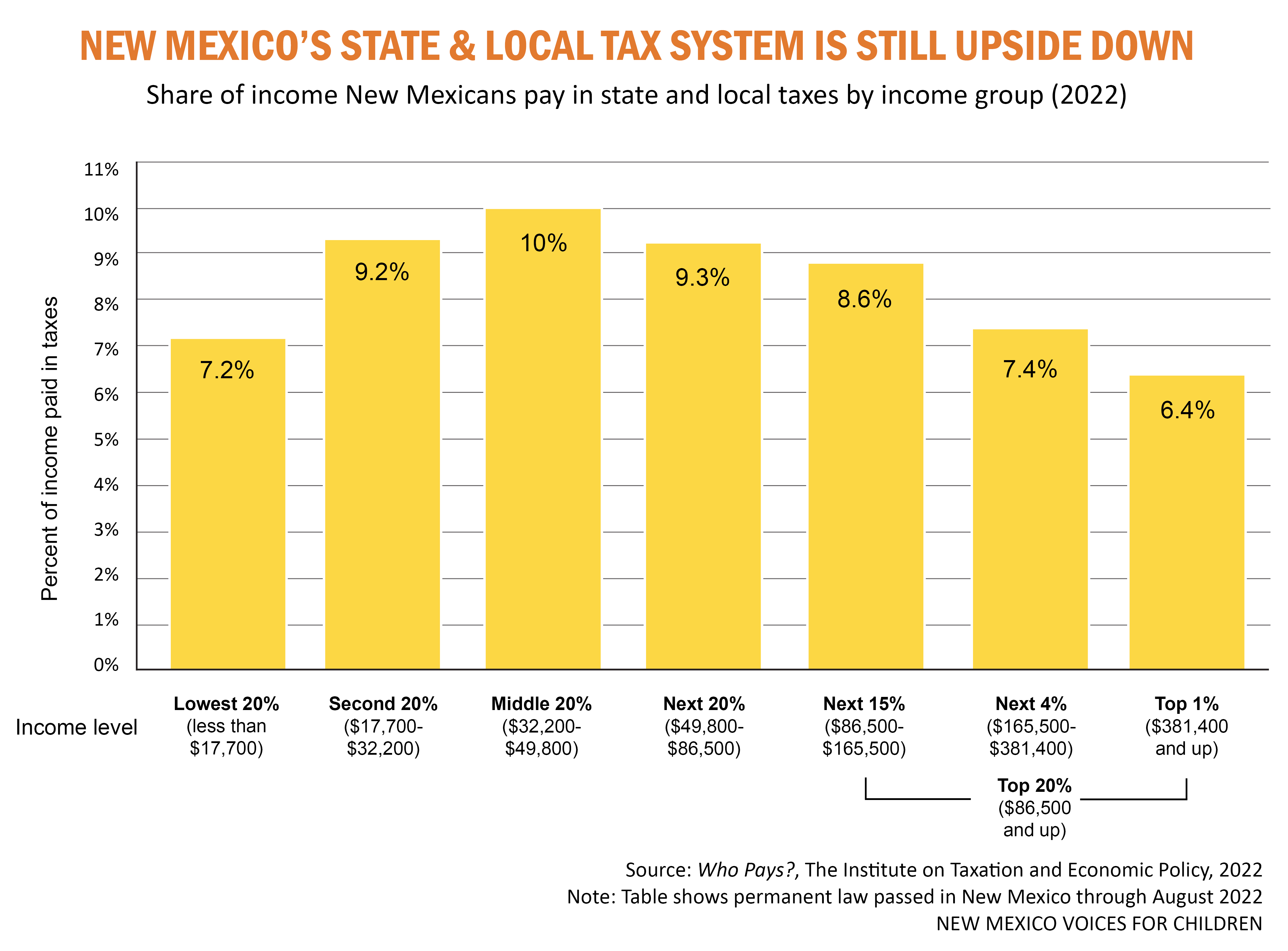
New Mexico’s tax structure is a multi-faceted system that includes state income tax, gross receipts tax (similar to sales tax), and property taxes. While the presence of an income tax might initially seem like a drawback for some, it’s essential to delve into the specifics and consider how these taxes interrelate with the state’s cost of living, economic opportunities, and the exceptional quality of life it offers. For those accustomed to states with no income tax, like Florida or Texas, New Mexico’s approach requires a closer look.
The Basics of New Mexico State Income Tax
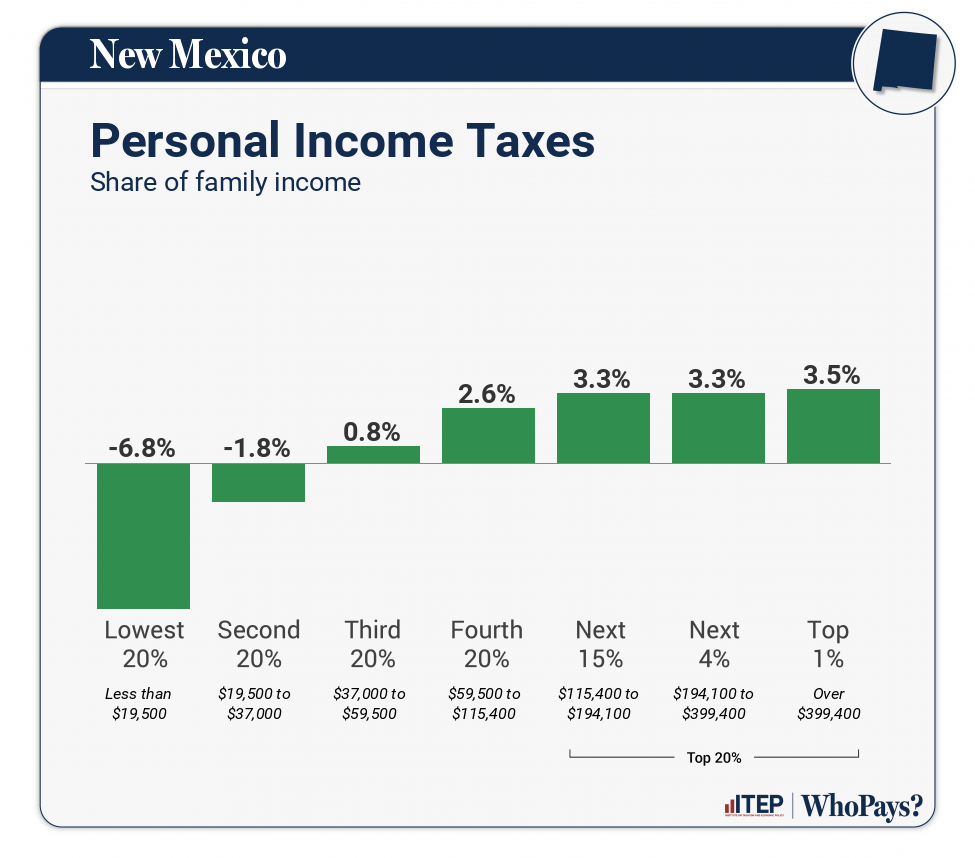
New Mexico imposes a progressive state income tax on its residents’ and, in some cases, non-residents’ income earned within the state. This means that as income increases, the tax rate generally goes up. The tax brackets and rates are subject to change by legislative action, but they typically range from a low percentage for lower income earners to a higher percentage for those at the top end of the income scale. For instance, a single individual might pay a modest percentage on their first few thousand dollars of taxable income, with subsequent portions of income taxed at incrementally higher rates.
Crucially, New Mexico offers various deductions, exemptions, and credits that can significantly reduce an individual’s taxable income and, consequently, their overall tax liability. These can include standard deductions, personal exemptions, and specific credits for dependents, low-income taxpayers, or certain types of investments. Retirees, in particular, may find some favorable provisions, as certain types of retirement income, such as a portion of military retirement pay or some pension income, may be exempt or eligible for deductions, making the state a more attractive option for those seeking a tranquil retirement amidst stunning natural beauty.

Beyond income tax, visitors and residents alike will encounter the Gross Receipts Tax (GRT). Unlike a traditional sales tax, New Mexico’s GRT is a tax on the gross receipts of businesses performing services or selling tangible goods within the state. While businesses are typically the ones paying the tax, it is common practice for them to pass this cost on to the consumer, much like a sales tax. The GRT rate varies by city and county, typically ranging from around 5% to over 9%, adding a slight percentage to the cost of goods and services purchased. When booking a stay at the luxurious Rosewood Inn of the Anasazi in Santa Fe or enjoying a meal at a local eatery in Albuquerque, this tax will be factored into your total bill.
Property taxes in New Mexico are generally considered moderate compared to the national average, especially in states like California or New Jersey. These taxes are assessed at the local level by counties and go towards funding local services such as schools, police, and fire departments. The actual amount paid depends on the assessed value of the property and the specific millage rates set by local jurisdictions. For those considering purchasing a vacation home in Taos or a permanent residence in Las Cruces, understanding these property tax implications is crucial for long-term financial planning.
How Tax Obligations Impact Travel and Lifestyle Decisions
While state income tax is a consideration, it rarely deters short-term tourists. Most travelers are more concerned with accommodation costs, attraction fees, and the overall experience. However, for digital nomads, remote workers considering an extended stay, or individuals contemplating full-time relocation, New Mexico’s tax structure becomes a more significant factor.
For remote professionals, understanding how their income might be taxed if they establish residency or stay for an extended period is vital. States often have rules regarding what constitutes residency for tax purposes, and exceeding a certain number of days in New Mexico could trigger a state income tax obligation, even if one maintains a primary residence elsewhere. This is a common consideration for those pursuing a “slow travel” lifestyle or exploring various destinations for a potential new home. The prospect of enjoying New Mexico’s sunny weather and vibrant culture from a temporary base at an Inn and Spa at Loretto or a charming Airbnb for several months warrants consulting a tax professional to understand any potential liabilities.
From a lifestyle perspective, New Mexico’s moderate cost of living, particularly outside of prime tourist areas like central Santa Fe, can offset some of the tax burden. Housing, groceries, and many services are often more affordable than in major metropolitan areas on the coasts. This means that a slightly higher state income tax rate might not translate to a higher overall cost of living when compared to living in a no-income-tax state with exorbitant housing costs. The ability to afford a more spacious home, access to incredible outdoor recreation, and a rich cultural scene often outweigh the tax considerations for many who choose to call New Mexico home.
New Mexico’s Appeal Beyond Taxes: A Traveler’s Paradise
Beyond the financial considerations, New Mexico offers an unparalleled array of experiences that draw visitors from across the globe. Its unique blend of Native American, Hispanic, and Anglo cultures, combined with dramatic landscapes, creates a tapestry unlike anywhere else in the United States. These attractions are often the primary drivers for tourism, and the tax structure, while important for residents, typically fades into the background for those on vacation.
Iconic Destinations and Cultural Experiences
New Mexico truly lives up to its moniker, the Land of Enchantment. Visitors are captivated by its diverse beauty, from the glistening white dunes of White Sands National Park to the ancient cliff dwellings of Bandelier National Monument and Chaco Culture National Historical Park. The subterranean wonders of Carlsbad Caverns National Park offer a stark contrast to the vast open skies that host the annual International Balloon Fiesta in Albuquerque, a spectacle that draws hundreds of thousands.
Culturally, New Mexico is a treasure trove. Santa Fe, the nation’s oldest capital city, boasts a vibrant arts scene, world-class galleries like the Georgia O’Keeffe Museum, and historic sites such as the Palace of the Governors and the Santa Fe Plaza. The city’s adobe architecture, delectable New Mexican cuisine (famous for its red and green chile), and numerous festivals offer an immersive cultural experience. Taos, nestled in the Sangre de Cristo Mountains, offers a similar charm with its historic Taos Pueblo and a thriving artistic community that has attracted luminaries for generations.
Even more enigmatic towns like Roswell leverage their unique histories to attract tourists interested in the unexplained. Each destination offers a distinct flavor, ensuring that there’s something to enchant every type of traveler, from the outdoor adventurer to the art connoisseur or history buff. The experiences garnered here often transcend any minor tax implications.
Accommodation Choices: From Luxury Resorts to Boutique Stays
New Mexico’s tourism infrastructure caters to a wide range of preferences and budgets. For those seeking luxury, Santa Fe and Albuquerque are home to exquisite resorts and boutique hotels that seamlessly blend comfort with local charm. Options like the Hotel Chaco in Albuquerque offer modern amenities inspired by ancient cultures, while Ojo Caliente Mineral Springs Resort & Spa provides a serene escape with its healing waters and rustic elegance. These establishments are renowned for their personalized service, gourmet dining, and spa facilities, providing an ideal base for exploring the region.
Mid-range hotels, charming bed-and-breakfasts, and vacation rentals are also abundant, particularly in popular tourist hubs. These accommodations often provide a more intimate experience, allowing visitors to connect with the local culture and community. For budget travelers, numerous motels, campgrounds, and hostels offer economical options, ensuring that the magic of New Mexico is accessible to all. The availability of diverse accommodation options contributes significantly to the state’s appeal, allowing visitors to tailor their stay to their specific needs and financial plans, making it a viable destination for everything from a quick weekend getaway to an extended sabbatical.
Planning Your Move or Extended Stay in the Land of Enchantment
For those whose travel visions extend beyond a typical vacation, envisioning a long-term stay or even a permanent move, a deeper dive into financial planning becomes essential. New Mexico’s income tax, while present, is part of a broader economic picture that includes cost of living, employment opportunities, and lifestyle benefits.
Financial Considerations for Relocation
When considering a move to New Mexico, prospective residents should factor in not only state income tax but also the combined effect of property taxes, gross receipts tax, and the overall cost of living. Comparing these figures to one’s current location can paint a clearer financial picture. For example, someone moving from a high-tax, high-cost-of-living state like New York might find New Mexico’s overall tax burden and expenses to be more manageable, despite the presence of an income tax. Conversely, those moving from a no-income-tax, low-cost state might find a slight increase in their tax obligations.
Retirement planning in New Mexico is particularly attractive due to specific tax exemptions for certain types of retirement income. While not entirely tax-free for retirees like some other states, New Mexico’s provisions aim to reduce the tax burden on seniors, making it a desirable location for those looking to enjoy their golden years amidst beautiful scenery and a relaxed pace of life. Financial advisors familiar with New Mexico’s tax laws can provide tailored advice for individuals considering a move, helping them navigate deductions, credits, and exemptions to optimize their financial situation.
The Cost of Living and Lifestyle Benefits
The cost of living in New Mexico is generally below the national average, making it an appealing option for many. Housing costs, while varying by city (with Santa Fe being pricier), are often more affordable than in comparable cultural and natural havens in states like Colorado or Arizona. Utilities, transportation, and groceries also tend to be reasonable, contributing to a comfortable lifestyle without the exorbitant expenses found elsewhere.
Beyond monetary considerations, the lifestyle benefits of living in New Mexico are immense. The state boasts over 300 days of sunshine annually, providing ample opportunity for outdoor activities such as hiking, biking, skiing, and exploring its numerous national parks and forests. The vibrant art scenes in Santa Fe and Taos, the rich culinary traditions, and the strong sense of community foster an enriching environment. For those seeking a slower pace of life, a deep connection to nature, and an appreciation for cultural heritage, New Mexico offers a compelling proposition that often outweighs the presence of a state income tax. The unique character of the state, its history, and its natural wonders provide a quality of life that is difficult to quantify purely in financial terms.
Navigating Business and Investment in New Mexico
For entrepreneurs, investors, or those considering professional relocation, New Mexico’s economic landscape presents both challenges and opportunities. Understanding how the state’s tax policies affect businesses is crucial for successful ventures.
Economic Incentives and Opportunities
While New Mexico has a gross receipts tax that applies to most business transactions, the state also actively seeks to attract and retain businesses through various incentives and programs. These can include tax credits for job creation, investments in specific industries (such as film, renewable energy, and technology), and research and development initiatives. For example, the state’s film industry has seen substantial growth due to generous tax incentives, bringing in significant revenue and employment opportunities.
The business environment varies across the state. Albuquerque, as the largest city, is a hub for technology, healthcare, and manufacturing, home to institutions like Sandia National Laboratories. Santa Fe thrives on tourism, arts, and government. Smaller cities and rural areas often focus on agriculture, mining, and outdoor recreation. Entrepreneurs looking to establish a hotel, a tourism-related business, or a restaurant will find differing market conditions and local support structures depending on their chosen location. Understanding these localized economic drivers and available incentives can significantly influence the success and profitability of a business venture in New Mexico.
Resources for New Residents and Entrepreneurs
For individuals and businesses considering a move or expansion to New Mexico, numerous resources are available to help navigate the process. The New Mexico Taxation and Revenue Department provides comprehensive information on state income tax, gross receipts tax, and other tax obligations. Local chambers of commerce in cities like Albuquerque, Santa Fe, and Las Cruces offer invaluable insights into local markets, networking opportunities, and business support services.
Additionally, various state agencies and non-profit organizations are dedicated to economic development, offering assistance with business planning, funding, and workforce development. For those interested in the hospitality sector, tourism boards and associations provide market data and promotional support. These resources, coupled with the state’s unique appeal, can make New Mexico an attractive place not just to visit, but to live, work, and invest. The vibrant culture and robust local communities offer a welcoming environment for newcomers, helping them to integrate and thrive in this extraordinary state.
In conclusion, while New Mexico does have a state income tax, it is part of a broader financial and lifestyle equation. For many, the cultural richness, breathtaking natural beauty, and a generally moderate cost of living far outweigh the tax considerations. Whether planning a short-term adventure, an extended remote work stay, or a permanent relocation, understanding the state’s tax system is a step towards fully embracing all that the Land of Enchantment has to offer.
LifeOutOfTheBox is a participant in the Amazon Services LLC Associates Program, an affiliate advertising program designed to provide a means for sites to earn advertising fees by advertising and linking to Amazon.com. Amazon, the Amazon logo, AmazonSupply, and the AmazonSupply logo are trademarks of Amazon.com, Inc. or its affiliates. As an Amazon Associate we earn affiliate commissions from qualifying purchases.