
While the image of New York City often conjures up bustling streets, iconic landmarks, and the vibrant energy of urban life, the specter of powerful weather phenomena like hurricanes is a topic that frequently arises, particularly for those planning a visit or with property in the region. The question “Does New York Get Hurricanes?” is a valid one, and the answer is a resounding, albeit often nuanced, yes.
The geographic location of New York places it within the Atlantic hurricane belt. While it may not be the primary target for the most powerful storms that form in the Atlantic Ocean, the state, and especially its coastal areas, can and does experience the impacts of hurricanes and tropical storms. These impacts can range from heavy rainfall and strong winds to significant coastal flooding and storm surge.

Understanding Hurricane Dynamics and New York’s Vulnerability
Hurricanes are powerful, rotating storm systems characterized by low-pressure centers, strong winds, and heavy rainfall. They form over warm ocean waters and derive their energy from the evaporation and condensation of this moisture. The typical path of hurricanes in the Atlantic often involves them tracking westward across the ocean, and then potentially turning northward along the East Coast of the United States.
Factors Influencing Hurricane Paths
Several factors influence whether a hurricane will make landfall in New York. These include:
- Sea Surface Temperatures: Warmer ocean waters fuel hurricane development and can influence their intensity and trajectory.
- Atmospheric Steering Currents: Prevailing wind patterns in the upper atmosphere act like steering wheels for these massive storms. A shift in these currents can redirect a hurricane towards or away from New York.
- The Bermuda High: This semi-permanent high-pressure system in the Atlantic Ocean can significantly influence hurricane tracks. Its position and strength can deflect storms westward or steer them up the coast.
- Landfall Location: Even if a storm remains offshore, its outer bands can still bring significant weather to coastal areas. Conversely, a direct hit, while less frequent, can be devastating.
New York’s position on the northeastern coast means it’s susceptible to storms that track up the coast from the south, or those that form off the coast and move inland. While storms that originate further south, like those impacting Florida or the Gulf Coast, may weaken as they move north, they can still bring considerable wind and rain.
Historical Context: Notable Storms
The history of New York includes several notable hurricane and tropical storm events that underscore its vulnerability. While the state may not be known for the sustained Category 5 intensity storms that occasionally batter more southerly regions, the impact of lesser-strength systems, or the remnants of stronger storms, has been significant.
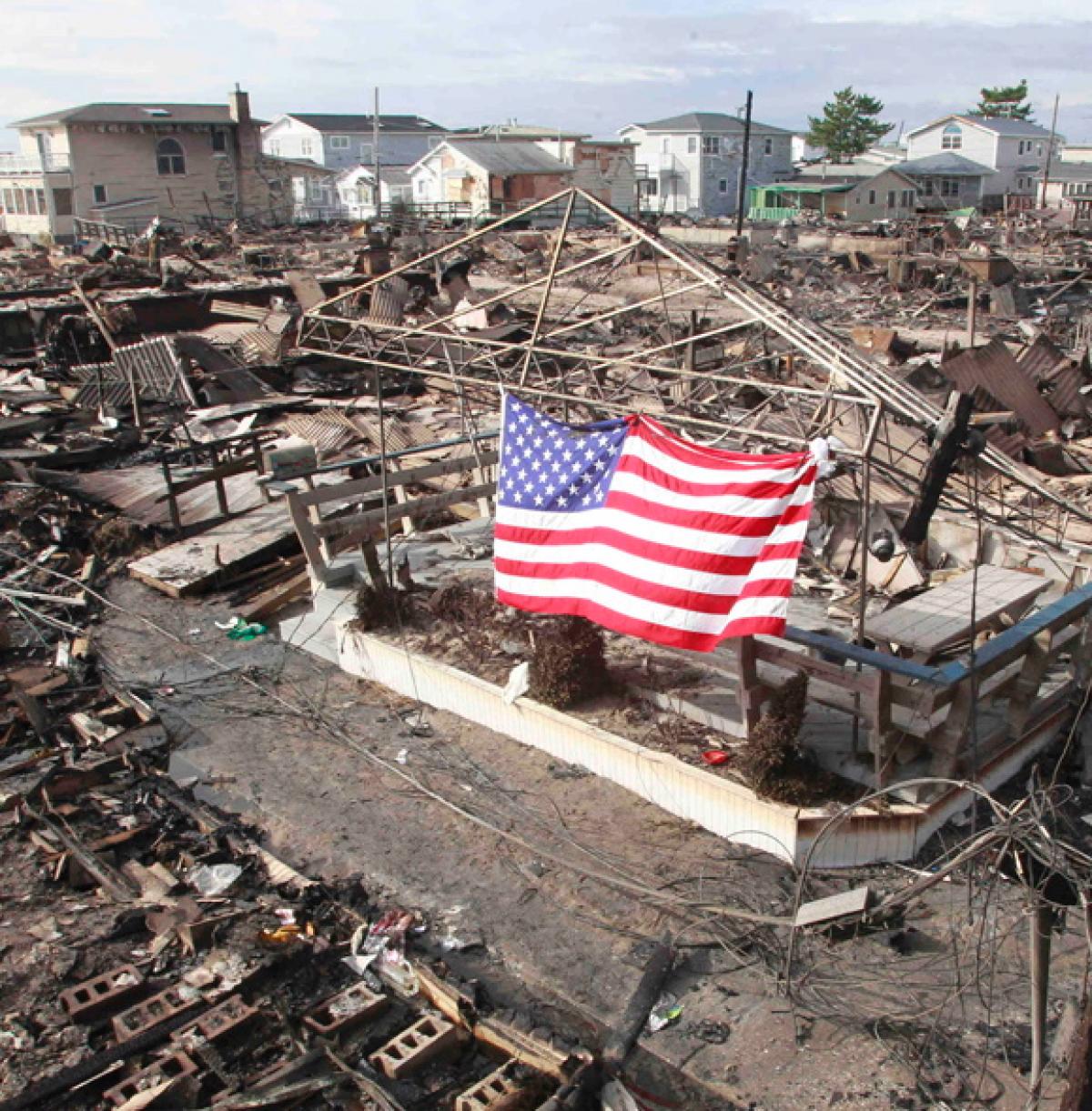
One of the most impactful events was Hurricane Sandy in 2012. Although it had weakened to a post-tropical cyclone by the time it made landfall near Brigantine, New Jersey, its immense size and slow movement caused catastrophic storm surge and widespread flooding in New York City and along the New Jersey coast. This event highlighted the vulnerability of low-lying coastal areas, including parts of Manhattan, Queens, and Brooklyn, to storm surge, even from a storm that was no longer technically a hurricane. The damage to infrastructure, homes, and businesses was immense.
Other historical storms, though perhaps less widely publicized than Sandy, have also impacted New York. Tropical Storm Floyd in 1999 brought significant rainfall and flooding to parts of upstate New York. In 2005, Hurricane Edna caused coastal erosion and power outages. These events serve as reminders that New York is not immune to the powerful forces of tropical cyclones.
Preparing for Hurricane Season in New York
Given that hurricanes and tropical storms are a possibility for New York, preparedness is crucial. Hurricane season in the Atlantic officially runs from June 1st to November 30th, with the peak typically occurring from August through October.
Key Preparedness Measures
Individuals and communities in New York should take the following preparedness measures:
- Stay Informed: Monitor weather forecasts from reliable sources like the National Hurricane Center and local news outlets. Sign up for emergency alerts from your local government.
- Develop a Family Emergency Plan: This plan should outline evacuation routes, communication methods, and meeting points in case of separation.
- Build an Emergency Kit: This kit should include essential supplies such as water, non-perishable food, a first-aid kit, medications, a flashlight, batteries, a radio, and important documents.
- Understand Evacuation Zones: Know if you live or are staying in a designated evacuation zone. If an evacuation order is issued, heed it immediately.
- Secure Your Property: For those with property, this can include boarding up windows, securing outdoor objects, and taking steps to protect against flooding.
- Insurance Review: Ensure your insurance policies are up-to-date and provide adequate coverage for potential storm damage.

Impact on Tourism and Travel
For tourists and travelers planning a visit to New York during hurricane season, awareness of the potential for severe weather is important. While many beautiful days can be enjoyed, particularly in the early and late parts of the season, it’s prudent to have contingency plans.
- Flexibility in Travel Plans: Consider booking accommodations and flights with flexible cancellation or rebooking policies.
- Monitor Weather Closely: Before and during your trip, keep a close eye on weather forecasts.
- Heed Local Advisories: If severe weather is anticipated, follow the guidance of local authorities and emergency management agencies. This might include heeding evacuation orders if you are in a vulnerable area.
- Be Aware of Potential Disruptions: Major weather events can lead to flight cancellations, public transportation disruptions, and temporary closures of attractions and businesses.
While the thought of a hurricane might seem distant for a state renowned for its urban vibrancy and mountain retreats, the reality is that New York is indeed susceptible to these powerful natural events. Understanding the risks, historical precedents, and implementing robust preparedness measures are essential for residents, businesses, and visitors alike to ensure safety and resilience in the face of tropical weather. The iconic skyline of New York City has weathered many storms, both literal and metaphorical, and with continued vigilance and preparation, it will continue to do so.
LifeOutOfTheBox is a participant in the Amazon Services LLC Associates Program, an affiliate advertising program designed to provide a means for sites to earn advertising fees by advertising and linking to Amazon.com. Amazon, the Amazon logo, AmazonSupply, and the AmazonSupply logo are trademarks of Amazon.com, Inc. or its affiliates. As an Amazon Associate we earn affiliate commissions from qualifying purchases.