
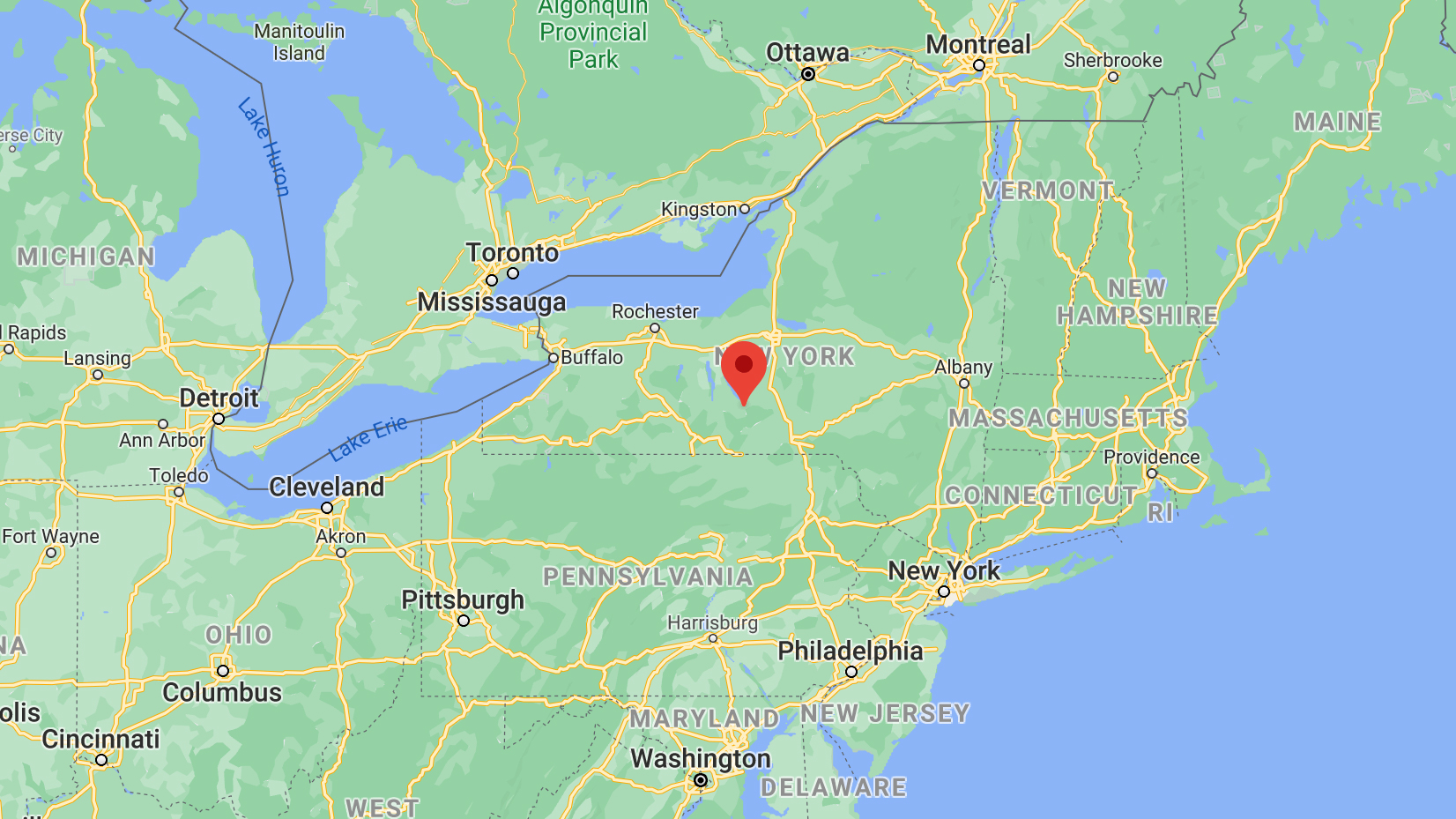
Understanding the distance between Cornell University in Ithaca, New York, and the bustling metropolis of New York City is crucial for prospective students, visiting families, and anyone planning a trip to upstate New York. This seemingly simple question opens up a world of travel considerations, from the most efficient transportation methods to the scenic beauty that lies between these two distinct regions of the Empire State.
The geographical separation is significant, impacting travel time, cost, and the overall experience of journeying between campus and the city. Cornell, situated in the heart of the Finger Lakes region, offers a tranquil, academically focused environment, a stark contrast to the urban intensity of New York City. Therefore, grasping the nuances of this distance is the first step in planning a seamless visit or transition.
Travel Options: Navigating the Miles
The journey from Cornell University to New York City can be undertaken through several popular modes of transportation, each offering a different balance of speed, cost, and comfort. The choice often depends on individual priorities, budget, and the desired travel experience.
Driving
For those who prefer the flexibility and convenience of a personal vehicle, driving is a viable option. The most direct route typically follows Interstate 80 for a significant portion of the journey.
Route and Time Estimates
The approximate driving distance between Ithaca and New York City is around 250-270 miles, depending on the specific starting and ending points. Under ideal traffic conditions, the drive can take approximately 4.5 to 5.5 hours. However, it is imperative to factor in potential delays, especially when nearing New York City, where traffic congestion is a common occurrence. Weekends, holidays, and rush hours can significantly extend travel times.
Considerations for Drivers
When driving, it’s advisable to plan for at least one stop for gas and rest. Many travelers opt to stop in towns along the route, such as Allentown, Pennsylvania, or in the Pocono Mountains, which offer numerous amenities. Parking in New York City can also be a significant expense and logistical challenge, so researching parking options in advance is highly recommended. Consider carpooling with friends or classmates to share costs and reduce the environmental impact.
Bus Services
For budget-conscious travelers, bus services offer an economical way to travel between Ithaca and New York City. Several companies operate this route, providing daily departures.
Major Bus Carriers
Companies like OurBus and Trailways are popular choices for this intercity route. They typically depart from the Ithaca Bus Station and arrive at various locations in New York City, most commonly the Port Authority Bus Terminal in Manhattan.
Travel Time and Comfort
Bus journeys generally take between 5 to 7 hours, depending on the specific route, stops, and traffic. While longer than driving directly, these services allow passengers to relax, study, or catch up on sleep without the stress of navigating or parking. Many modern buses are equipped with Wi-Fi, power outlets, and comfortable seating, making the journey more bearable. Booking tickets in advance is often recommended, especially during peak travel periods, to secure a seat and potentially better pricing.
Air Travel
For those prioritizing speed, flying is the quickest, albeit usually the most expensive, option. Ithaca is served by the Ithaca Tompkins International Airport (ITH), and New York City is home to several major airports.
Airport Options and Flight Durations
Ithaca Tompkins International Airport offers flights to various destinations, often with connections. Direct flights to New York City are less common from ITH. Travelers typically fly into Newark Liberty International Airport (EWR) in New Jersey, LaGuardia Airport (LGA), or John F. Kennedy International Airport (JFK) in New York City. The flight duration itself is short, usually around 1 to 1.5 hours.
Total Travel Time and Logistics
However, the total travel time needs to account for getting to the airport, check-in procedures, security, the flight, deplaning, and transportation from the destination airport to your final destination in New York City. This can often bring the total travel time to a comparable or even longer duration than driving, especially when factoring in potential flight delays. Ground transportation from Newark Liberty International Airport or LaGuardia Airport to Manhattan can involve airport shuttles, taxis, ride-sharing services, or public transit like the AirTrain and NJ Transit for EWR.
Train Travel
While not as direct or common as other methods, train travel is an option that can appeal to those seeking a more scenic and comfortable journey.
Amtrak Routes and Stations

The nearest Amtrak station to Ithaca is in Syracuse, approximately an hour’s drive away. From Syracuse, Amtrak trains run to New York City Penn Station. This multi-stage journey adds complexity and time.
Journey Duration and Experience
The train journey from Syracuse to New York City typically takes around 4 to 5 hours. When combined with the travel time to Syracuse from Ithaca, this makes the overall trip one of the longest options available. However, for travelers who enjoy the experience of train travel, with its spacious seating and opportunity to move around, it can be a pleasant alternative. Booking Amtrak tickets in advance is usually advisable.
Factors Influencing Travel Time
Beyond the chosen mode of transport, several external factors can significantly influence the actual time it takes to travel between Cornell University and New York City. Understanding these variables can help in making more accurate travel plans.
Traffic Conditions
Traffic is arguably the most significant variable, particularly for driving and bus services, especially as one approaches New York City. Rush hour, major sporting events, concerts, or even routine traffic jams can add considerable time to the journey. The George Washington Bridge and the Lincoln Tunnel are notorious choke points.
Weather
Severe weather conditions, such as snowstorms in the winter or heavy rain and fog in other seasons, can impact all modes of transport. Road closures, flight delays or cancellations, and slower driving speeds are all consequences of adverse weather. Upstate New York and the Northeastern United States can experience significant winter weather.
Time of Day and Day of Week
Traveling during off-peak hours, such as mid-morning on a Tuesday, will generally result in less traffic and a faster journey compared to departing on a Friday afternoon or arriving on a Sunday evening. Holidays and extended weekends are particularly busy periods for travel.
Construction and Roadwork
Seasonal road construction, particularly during the warmer months, can lead to lane closures and detours, adding unexpected delays to driving routes. Staying updated on local traffic advisories and road conditions is always a good practice.
Planning Your Trip Effectively
To ensure a smooth and stress-free journey, meticulous planning is key. Whether it’s a regular commute for students or a special visit for family, considering these logistical elements will enhance the travel experience.
Booking in Advance
For flights, trains, and even popular bus routes, booking tickets well in advance can often result in lower fares and better seat selection. This is especially true during peak travel times, such as Thanksgiving, winter break, and spring break.
Packing Smart
Consider the mode of transport when packing. For driving, ensure you have emergency supplies and snacks. For bus and train travel, packing light is often advantageous. If flying, adhere to airline baggage restrictions. For New York City, comfortable walking shoes are essential, regardless of how you arrive.
Utilizing Technology
Navigation apps like Google Maps or Waze can provide real-time traffic updates and suggest alternative routes, which is invaluable for drivers. Flight tracking apps can help monitor flight status, and ride-sharing apps are convenient for getting around New York City upon arrival.
Understanding Transit Hubs
Familiarize yourself with the departure and arrival points. For instance, knowing the location of the Port Authority Bus Terminal or New York City Penn Station and the best ways to get from there to your final destination in New York City is crucial. Similarly, understanding how to get to Ithaca Tompkins International Airport from the Cornell University campus is important.
The Experience of Transition: Ithaca to NYC
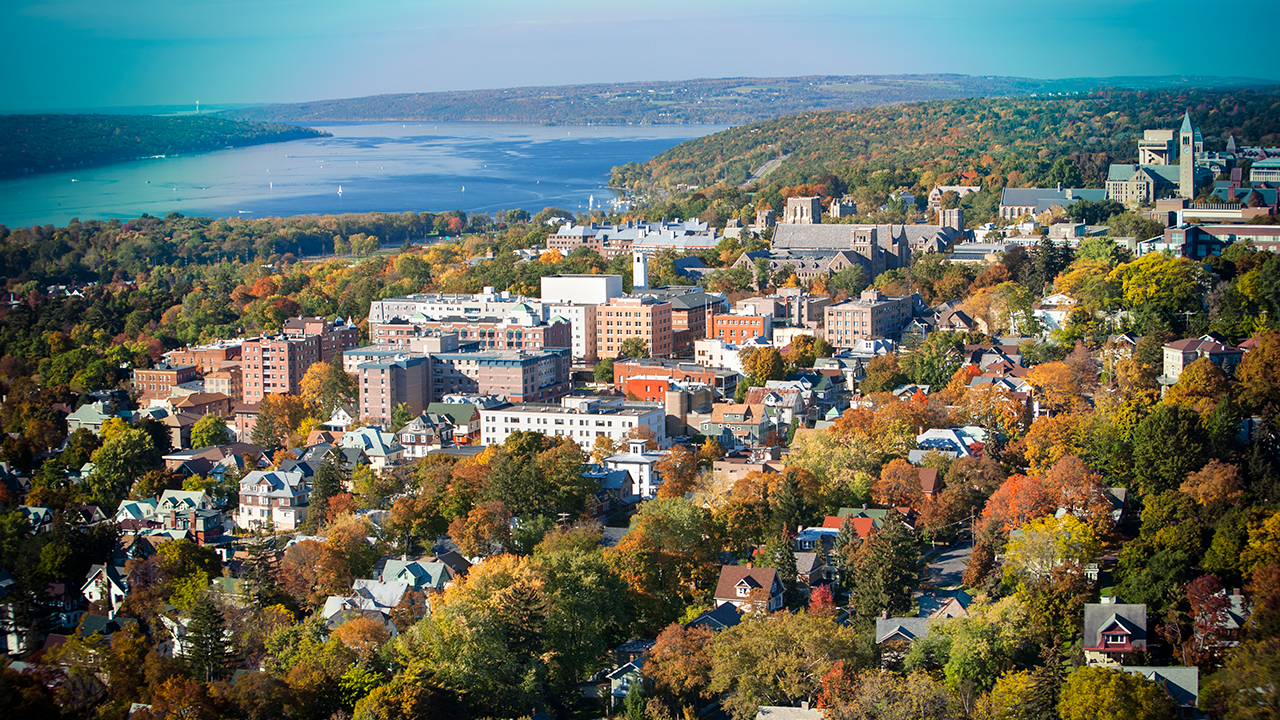
The distance between Cornell University and New York City is more than just miles; it represents a transition between two vastly different environments. Ithaca, nestled amidst the rolling hills and crystalline waters of the Finger Lakes, offers a picturesque and serene setting conducive to focused academic pursuits. The campus itself is renowned for its architectural beauty and expansive green spaces.
In contrast, New York City is a global epicenter of culture, finance, and entertainment. Its vibrant energy, iconic landmarks like the Empire State Building and Times Square, and diverse culinary scene offer an unparalleled urban experience. The journey itself, whether by car, bus, or plane, becomes an integral part of the experience, a prelude to the destination. For students at Cornell University, the ability to easily travel to and from New York City for internships, cultural events, or visits home is a significant advantage, bridging the gap between academic life in upstate New York and the opportunities and excitement of the city.
LifeOutOfTheBox is a participant in the Amazon Services LLC Associates Program, an affiliate advertising program designed to provide a means for sites to earn advertising fees by advertising and linking to Amazon.com. Amazon, the Amazon logo, AmazonSupply, and the AmazonSupply logo are trademarks of Amazon.com, Inc. or its affiliates. As an Amazon Associate we earn affiliate commissions from qualifying purchases.