
Understanding the tax landscape is a crucial element of planning any journey, particularly when considering extended stays or basing operations in a particular region. For many travelers and prospective residents, the question of state taxation is paramount. This is especially true when looking at a destination as dynamic and economically significant as New York. The Empire State, with its iconic cities and diverse geographical offerings, attracts millions of visitors and new residents annually. Navigating its financial structure, including its tax policies, can demystify the cost of experiencing all that New York has to offer, from the bustling streets of New York City to the serene beauty of the Adirondacks.
New York’s Tax Framework: An Overview
Indeed, New York does have a state tax. This encompasses a comprehensive system that includes income tax, sales tax, and various other levies designed to fund the state’s extensive public services, infrastructure, and governmental operations. For travelers, understanding these taxes is key to budgeting for trips, whether it’s a short vacation to see the sights of Manhattan or a longer exploration of Upstate New York. For those considering a more permanent relocation, the state tax implications can significantly influence financial planning.
The Income Tax in New York
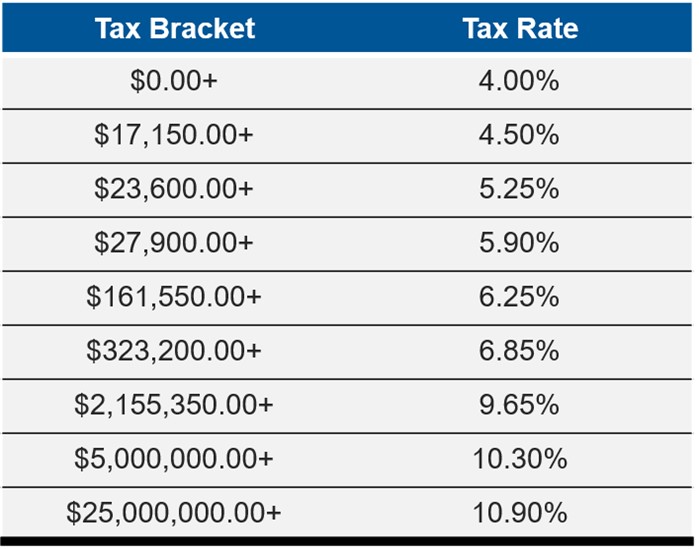
The New York State personal income tax is a graduated tax, meaning the tax rate increases as income rises. This system is applied to residents and, to a lesser extent, non-residents who earn income within the state. The rates can range from a low percentage for lower income brackets to a higher percentage for top earners. This is a significant factor for individuals planning extended stays or considering work opportunities in New York.
Tax Brackets and Rates
New York‘s income tax is structured into various tax brackets, with specific rates assigned to each. These brackets and rates are subject to change, typically updated annually by the New York State Department of Taxation and Finance. Understanding these brackets is essential for accurate tax liability calculation. For instance, the tax on the first portion of income might be a modest percentage, while income exceeding a certain threshold will be taxed at a higher rate.
Residency vs. Non-Residency
The distinction between being a New York resident and a non-resident is critical when it comes to income tax. Residents are generally taxed on all income, regardless of where it is earned. Non-residents, on the other hand, are typically taxed only on income derived from sources within New York State. Establishing residency can be complex, often involving factors like domicile, the location of a permanent home, and the intent to remain in the state indefinitely. This is particularly relevant for individuals who might spend significant time in New York but maintain primary residences elsewhere.
The Sales and Use Tax in New York
Beyond income tax, New York also imposes a sales and use tax. This tax is levied on the sale of tangible personal property and certain services within the state. The rate of this tax is a combination of the state rate and any applicable local rates, which can vary significantly by county and municipality. This is a direct cost that most travelers will encounter, impacting purchases from souvenirs in Times Square to everyday items in local shops.
State and Local Components
The New York State sales tax rate is a baseline, but it is augmented by county and city sales taxes in many regions. For example, New York City and Nassau County have higher combined rates than many other areas of the state. This means that the final price of goods and services will reflect these cumulative taxes. Keeping track of these regional differences can be beneficial for savvy shoppers and budget-conscious travelers exploring different parts of New York.
Exemptions and Exceptions
While the sales tax is widespread, there are certain exemptions and exceptions. For instance, many essential grocery items and prescription medications are exempt from sales tax. Businesses involved in certain types of manufacturing or research and development may also qualify for exemptions. For travelers, understanding these can lead to minor savings, though for most, the sales tax is an unavoidable component of transactions.
Impact on Travel and Tourism
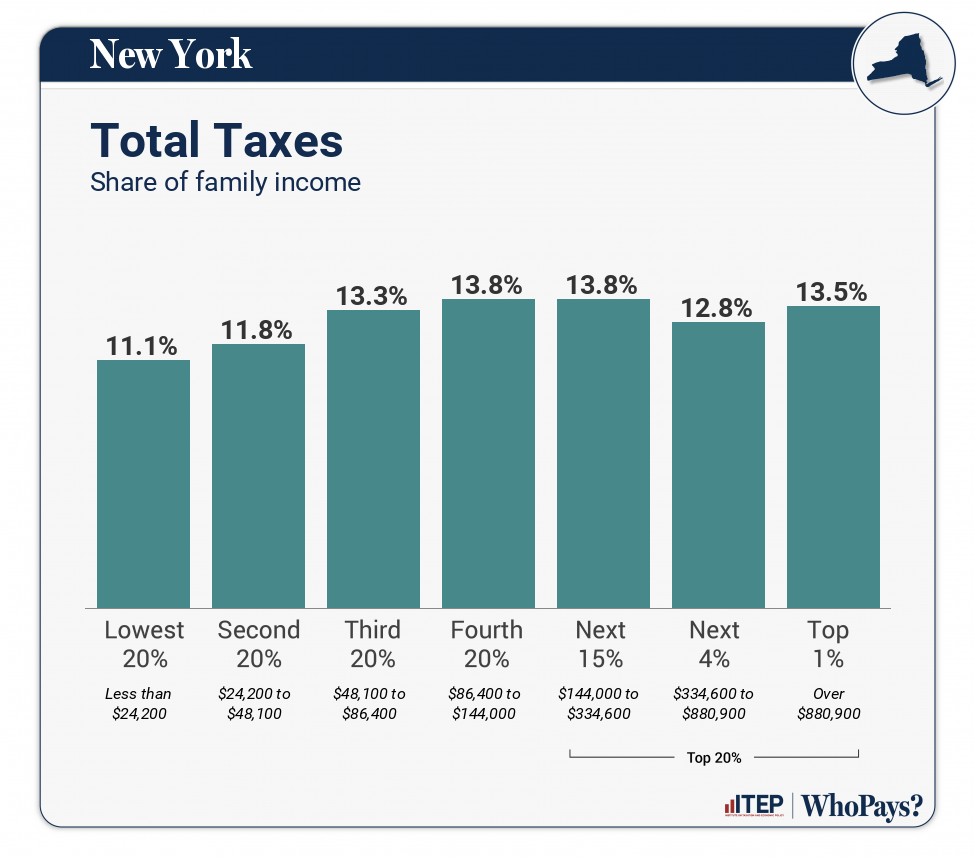
The existence and structure of New York‘s state taxes have a direct and indirect impact on the travel and tourism industry. For visitors, the cost of accommodation, dining, and activities can be influenced by these taxes, affecting overall trip budgets.
Accommodation Taxes
Hotels, motels, and other forms of temporary lodging are subject to occupancy taxes, which are often a blend of state and local taxes. These can add a noticeable percentage to the nightly rate of a hotel room, whether one is staying at a luxury resort in the Catskills or a budget-friendly option near an airport. Understanding these additional charges is crucial for accurately comparing accommodation prices.
Hotel Rates and Occupancy Taxes
When booking a stay at a hotel like the Plaza Hotel or a boutique inn in the Finger Lakes, travelers will often see the base room rate alongside various taxes and fees. The occupancy tax, in particular, is a direct state and local government levy. These taxes are designed to generate revenue for the state and local governments, often funding services that benefit the tourism sector itself.
Dining and Entertainment Taxes
The cost of enjoying New York‘s renowned culinary scene or experiencing its vibrant entertainment offerings is also subject to sales tax. This includes everything from a casual slice of pizza in Brooklyn to a fine dining experience in Manhattan. Similarly, tickets to Broadway shows, sporting events, or museum admissions will typically include the applicable sales tax.
Budgeting for Experiences
For travelers looking to immerse themselves in the local culture, whether through food, art, or entertainment, budgeting for sales tax is an integral part of the planning process. While not as substantial as income tax for residents, these taxes can add up over the course of a trip, especially in high-taxed areas like New York City.
Factors Affecting Non-Residents and Visitors
The tax implications for individuals who are not New York residents but visit or conduct business in the state are also important to consider.
Business Travel and Income Sourcing
For individuals traveling to New York for business, their income might be subject to taxation if it is sourced within the state. This could apply to consultants, performers, or any professional earning income while physically present and working in New York. Understanding the rules around income sourcing is vital for avoiding unexpected tax liabilities.
Sales Tax and Purchases
As mentioned, visitors will encounter the sales tax on most purchases. For significant purchases made while visiting New York, understanding the state’s sales tax policies is prudent. This can influence where and how purchases are made, especially for items that might be subject to different tax rates or exemptions in one’s home state or country.

Planning Your New York Experience
Ultimately, the question of “Does New York Have A State Tax?” is answered with a resounding “yes.” However, the nuances of these taxes are what truly matter for travelers and those considering New York as a destination. By understanding the state’s income, sales, and occupancy taxes, visitors can better budget for their trips, make informed purchasing decisions, and fully appreciate the financial framework of this diverse and exciting state. Whether it’s planning a getaway to witness the splendor of Niagara Falls or to explore the artistic hubs of Buffalo, a grasp of New York‘s tax system adds another layer of informed travel planning.
LifeOutOfTheBox is a participant in the Amazon Services LLC Associates Program, an affiliate advertising program designed to provide a means for sites to earn advertising fees by advertising and linking to Amazon.com. Amazon, the Amazon logo, AmazonSupply, and the AmazonSupply logo are trademarks of Amazon.com, Inc. or its affiliates. As an Amazon Associate we earn affiliate commissions from qualifying purchases.