
As the snow begins to melt and the days grow longer, many avid skiers and snowboarders start to wonder: when do the legendary Colorado ski resorts hang up their skis for the season? The closing dates for these premier destinations are not uniform; they are a dynamic interplay of natural snowfall, operational capacity, and the unique character of each resort. Understanding these closing timelines is crucial for planning the perfect late-season ski trip, ensuring you don’t miss out on the last glorious powder days or the vibrant spring skiing atmosphere.
The Factors Influencing Closing Dates
Several key elements contribute to the decision of when a Colorado ski resort will cease operations for the winter season. These factors are carefully weighed by resort management to maximize guest experience and operational efficiency.

Snowfall and Snowpack Depth
The most obvious determinant of a ski resort’s closing date is, naturally, the snow. Resorts that receive abundant snowfall throughout the winter and maintain a deep snowpack are often able to extend their seasons well into spring. Areas with higher elevations and more northerly aspects tend to hold snow longer, making them prime candidates for later closing dates. Resorts like Arapahoe Basin are renowned for their ability to stay open later than many others, often boasting some of the last skiable terrain in the state, sometimes even into June. This longevity is a testament to their high elevation and their commitment to preserving snow. Conversely, resorts at lower elevations or those that experience less consistent snowfall may find themselves closing earlier, even if the calendar has not yet reached its spring equinox.
Operational Costs and Revenue
While natural snow is king, the economic realities of running a large ski operation also play a significant role. Maintaining lifts, grooming trails, and staffing a resort throughout the shoulder seasons incurs substantial costs. Resort management must assess whether the revenue generated by remaining open justifies these expenses. As daylight hours shorten and temperatures fluctuate, the quality of snow can also diminish, leading to fewer visitors. Therefore, a point is reached where it becomes more financially prudent to cease operations and prepare for the summer season or maintenance. This calculation is particularly relevant for smaller or less established resorts, which may not have the same deep pockets as larger corporations to absorb the costs of a prolonged season.
Guest Demand and Spring Skiing Culture
Colorado has cultivated a vibrant spring skiing culture. Many skiers and snowboarders eagerly anticipate the warmer temperatures, sunny skies, and softer snow that characterize late-season skiing. This period often offers a different, yet equally enjoyable, experience. Some resorts strategically extend their seasons to cater to this demand, offering special events, festivals, and promotions to attract visitors during these final weeks. The decision to stay open is also influenced by the resort’s reputation and its ability to draw crowds. For instance, resorts known for their challenging terrain or extensive on-mountain facilities might see a sustained interest from dedicated enthusiasts, encouraging them to remain open longer.
Resort-Specific Policies and Target Audiences
Each resort has its own unique operating calendar, often influenced by its ownership, its target demographic, and its historical tradition. Some resorts, particularly those owned by larger corporations like Vail Resorts, tend to have more standardized closing dates across their properties, often aiming for mid-April. However, even within these large groups, there can be exceptions. For example, Breckenridge Ski Resort often closes in mid-May, while Keystone Resort may follow a similar, slightly earlier, timeline.
Independent resorts, or those with a strong local following, may have more flexibility. Resorts like Winter Park Resort, while a larger operation, often aim for late April or early May. The ultimate decision is a finely tuned balance, seeking to provide ample skiing opportunities without compromising on snow quality or operational viability.
Typical Closing Windows for Colorado Ski Resorts
While specific dates fluctuate annually, Colorado ski resorts generally fall into predictable closing windows. This allows planning for those who wish to catch the tail end of the ski season.
Early Season Closers (Mid-March to Early April)

A segment of Colorado ski resorts, often those at lower elevations or with less reliable snow accumulation, tend to cease operations by mid-March or the first week of April. These resorts might include smaller, more localized mountains that prioritize efficient operations and may not have the infrastructure or natural advantages to sustain operations through the spring melt. While they offer excellent skiing during the peak winter months, their season concludes earlier. Visitors looking for the absolute latest in spring skiing would generally look elsewhere.
Mid-Season Closers (Mid-April to Early May)
The majority of popular Colorado ski resorts typically target a closing date in mid-April, often around the time of the Easter holiday, which can fall anywhere between late March and late April. Resorts like Aspen Snowmass (which encompasses Aspen Mountain, Aspen Highlands, Buttermilk, and Snowmass), Telluride Ski Resort, and Vail Ski Resort often aim for this timeframe. They aim to provide a robust winter season and capitalize on the early spring skiing enthusiasm before conditions begin to degrade significantly. This period still offers excellent skiing conditions, with sunshine becoming more prevalent and the snow taking on a softer, more forgiving texture – ideal for those who enjoy a more relaxed on-mountain experience.
Late Season Superstars (Early May to Early June)
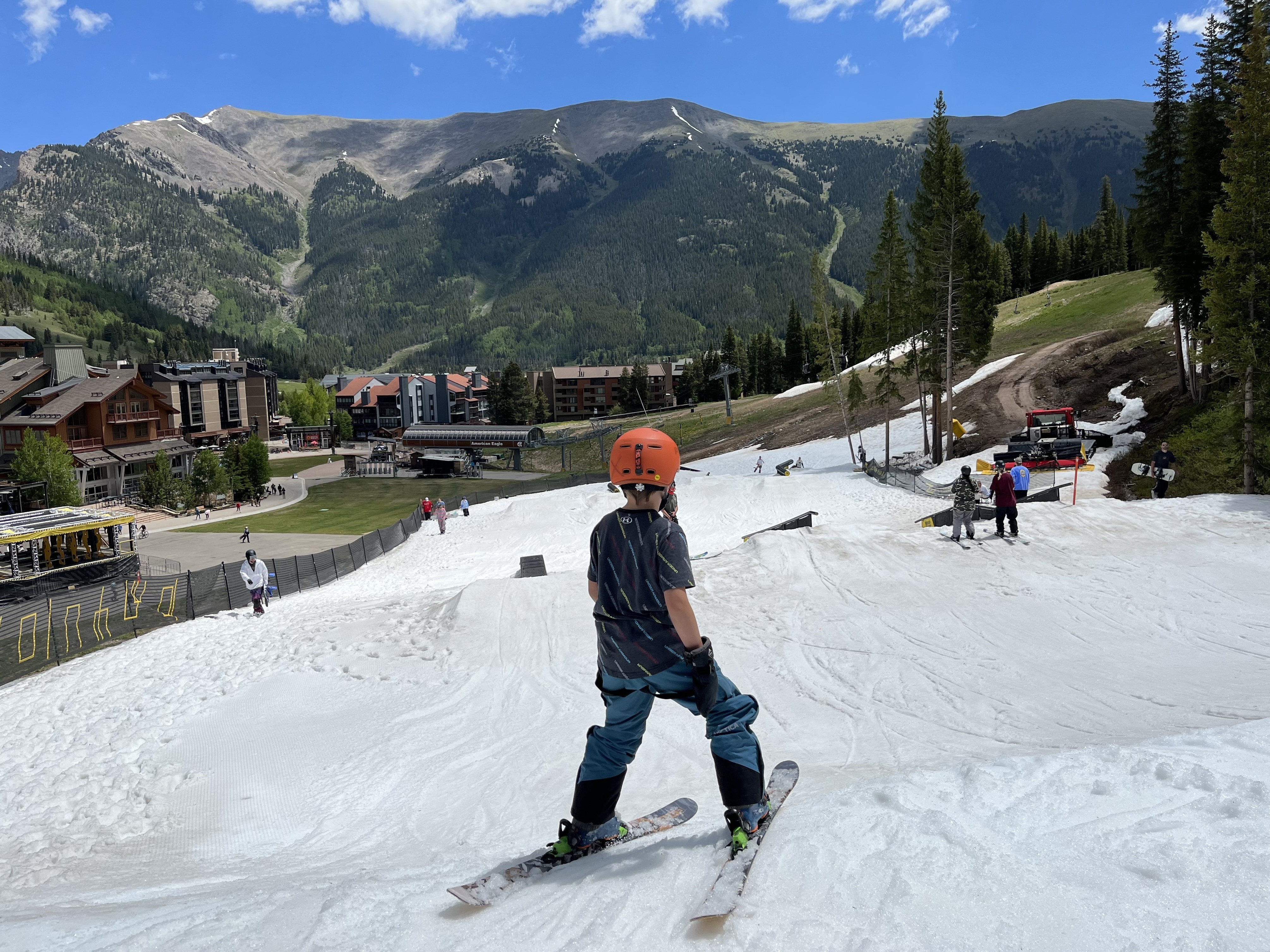
A select few Colorado resorts are famous for their ability to defy the conventional closing dates and extend their seasons well into May, and in some exceptional cases, even into early June. Arapahoe Basin is the undisputed champion in this category, often operating as the last ski area open in the state. Its high elevation (topping out at 13,050 feet) and the commitment of its management to snow preservation allow it to offer skiing long after other resorts have shut down. These late-season operations are characterized by unique spring skiing conditions, often involving morning corn snow followed by slushy afternoons, and a festive, laid-back atmosphere. Skiers and snowboarders flock to these mountains for the opportunity to get a few extra weeks or even months of their favorite sport, often accompanied by on-mountain parties and events celebrating the end of an epic season. Loveland Ski Area is another resort that sometimes extends its season beyond the typical mid-April closure, though generally not as late as Arapahoe Basin.
Planning Your Late-Season Colorado Ski Trip
A late-season ski trip to Colorado can be an incredibly rewarding experience, offering a different perspective on the state’s renowned ski destinations. However, it requires careful planning to ensure you select the right resort and are prepared for the unique conditions.
Checking Resort Websites for Official Dates
The most crucial step in planning a late-season ski trip is to consult the official websites of the resorts you are interested in. Closing dates are not set in stone and can be adjusted based on year-end snowfall and conditions. Resort websites provide the most accurate and up-to-date information on their operating schedules. Look for sections dedicated to “Hours & Operations,” “Season Pass,” or “Mountain Report.” These pages will typically list the projected or confirmed closing date. It is also advisable to check these sites periodically as your travel dates approach, as last-minute changes can occur.
Understanding Spring Skiing Conditions
Spring skiing in Colorado offers a distinct experience from the typical mid-winter powder days. As temperatures rise, the snow undergoes a transformation. In the mornings, especially at higher elevations, the snow can be firm and fast, often referred to as “corn” snow – a desirable condition with small, granular crystals that provide excellent grip and smooth turns. As the sun warms the slopes throughout the day, the snow can become softer and wetter, sometimes turning into slush, particularly at lower elevations or on south-facing aspects. This can make for challenging but enjoyable skiing, especially for those who prefer softer snow and a more forgiving ride. It also means that conditions can change rapidly throughout the day, so flexibility and adaptation are key.
Packing for Variable Weather
Late-season skiing in Colorado requires a versatile approach to packing. While you’ll still need your standard ski gear – waterproof and windproof jacket and pants, thermal base layers, gloves, and a helmet – you should also be prepared for warmer temperatures and brighter sunshine. Lighter base layers, sunglasses in addition to goggles, and sunscreen are essential. The sun’s rays are much more intense at higher altitudes, and prolonged exposure can lead to sunburn. Consider bringing a lighter-weight mid-layer or even just a long-sleeved shirt for warmer days when hiking or taking breaks. Evenings can still be chilly, so a warm jacket for après-ski activities is still a good idea.
Considering Destination and Activities Beyond Skiing
When planning a late-season trip, consider the destination’s appeal beyond just skiing. Many Colorado mountain towns offer a wealth of activities during the spring shoulder season. Towns like Aspen, Telluride, and Vail come alive with cultural events, art galleries, fine dining, and shopping. You might also find opportunities for hiking, mountain biking (on lower, snow-free trails), or simply enjoying the stunning scenery as the landscape transitions from winter white to the nascent greens of spring. Some resorts, even after closing their lifts, may still offer activities like scenic gondola rides or dining at on-mountain restaurants, providing a taste of the mountain experience without the skis.
By understanding the factors that influence closing dates, knowing the typical timelines, and preparing accordingly, you can make the most of the extended ski season in the majestic Rocky Mountains of Colorado. Whether you’re chasing the last of the powder at Arapahoe Basin or enjoying the sunny spring vibes at a resort in the Roaring Fork Valley, a late-season ski trip promises unique memories and unforgettable experiences.
LifeOutOfTheBox is a participant in the Amazon Services LLC Associates Program, an affiliate advertising program designed to provide a means for sites to earn advertising fees by advertising and linking to Amazon.com. Amazon, the Amazon logo, AmazonSupply, and the AmazonSupply logo are trademarks of Amazon.com, Inc. or its affiliates. As an Amazon Associate we earn affiliate commissions from qualifying purchases.