
The allure of New York is undeniable. From the glittering skyscrapers of Manhattan to the historic brownstones of Brooklyn, the Empire State beckons with its endless array of attractions, world-class hotels, and vibrant lifestyle. Whether you’re planning a luxurious escape to a five-star resort or a budget-friendly adventure exploring iconic landmarks, New York City offers an unforgettable experience. However, amidst the excitement of planning your perfect trip, a seemingly minor detail might arise: water quality. Specifically, does New York have hard water? For many travelers, this question might seem trivial, but understanding the water’s composition can impact everything from your skin and hair to the longevity of your hotel amenities.
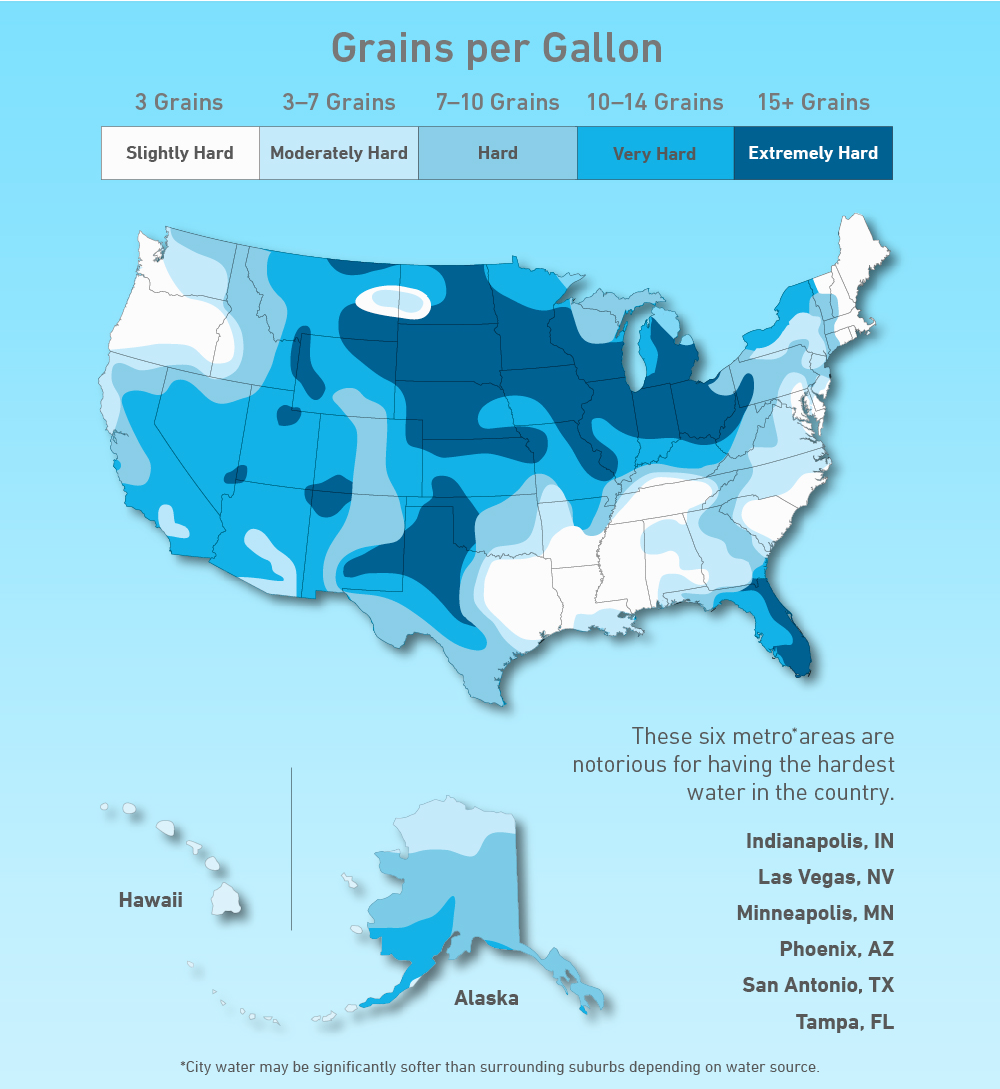
While New York is renowned for its cultural tapestry, gastronomic delights, and unparalleled tourism opportunities, the question of water hardness is a pertinent one, especially for those with sensitive skin, specific hair care needs, or an appreciation for the finer details that contribute to a truly comfortable stay. This article delves into the characteristics of New York’s water supply, exploring its hardness levels, the implications for visitors, and what to expect across various accommodations and experiences.
Understanding Water Hardness
Before we dive into the specifics of New York’s water, it’s crucial to understand what “hard water” actually means. Water hardness is determined by the concentration of dissolved minerals, primarily calcium and magnesium, that it picks up as it travels through underground rocks and soil. The more of these minerals present, the harder the water.
The Mineral Content of Water
Water hardness is typically measured in grains per gallon (GPG) or milligrams per liter (mg/L) of calcium carbonate.
- Soft Water: Generally contains less than 1 GPG of dissolved minerals.
- Slightly Hard Water: Contains 1-3.5 GPG.
- Moderately Hard Water: Contains 3.5-7 GPG.
- Hard Water: Contains 7-10.5 GPG.
- Very Hard Water: Contains more than 10.5 GPG.
The presence of these minerals, while not harmful to health, can manifest in various ways. In the context of a hotel or apartment, hard water can lead to scale buildup in pipes, faucets, and appliances, affecting their performance and lifespan. For personal use, it can make soaps and shampoos less effective, leading to a feeling of residue on the skin and hair. It can also contribute to dry skin and dull, brittle hair.
The Water Supply in New York
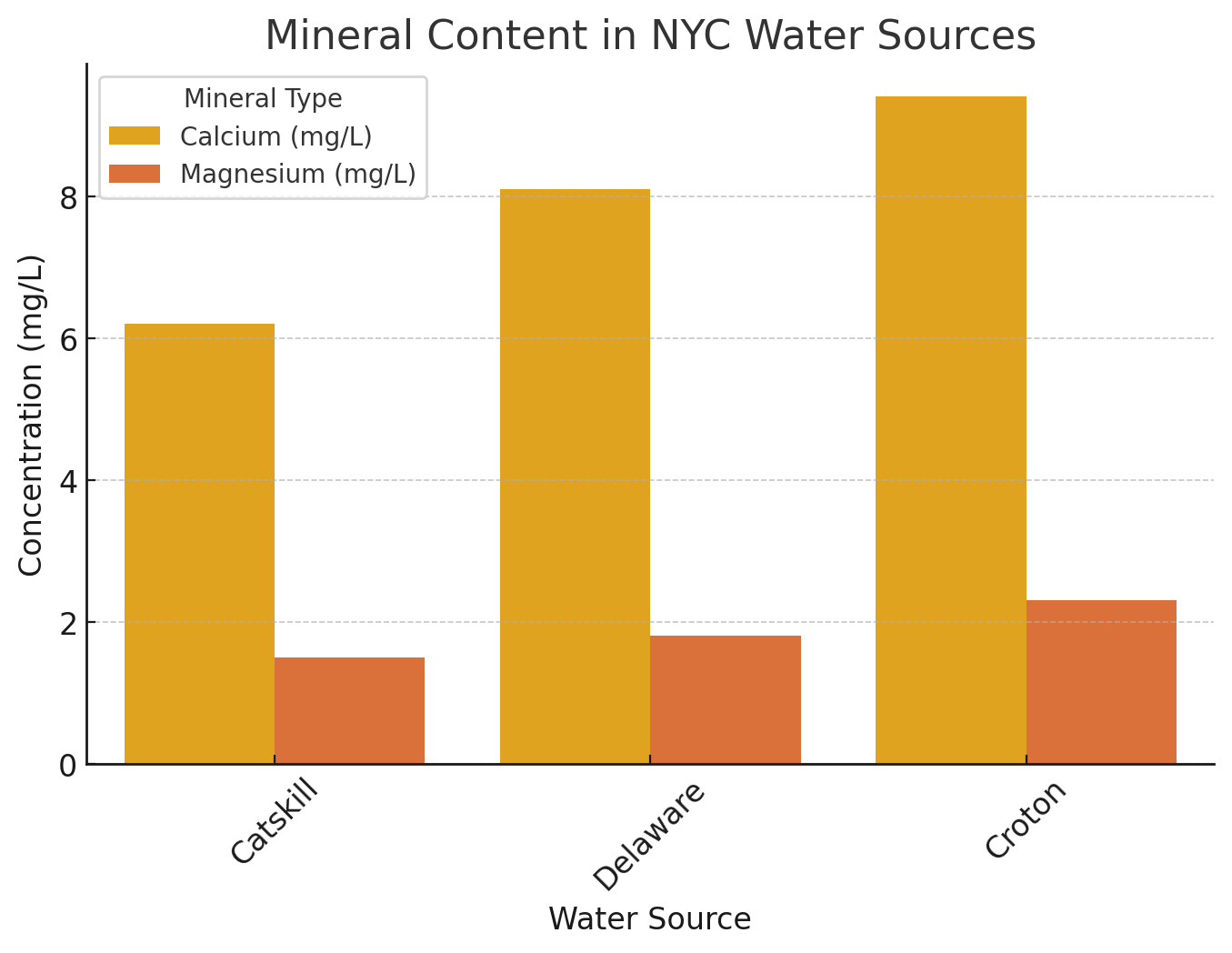
The vast majority of New York City receives its water supply from upstate reservoirs, primarily the Catskill, Delaware, and Croton watersheds. This impressive system, one of the largest in the United States, is known for its exceptional quality and, importantly, its relative softness compared to many other regions.
New York’s Water Classification
New York City’s water is generally classified as soft to moderately hard. The U.S. Geological Survey (USGS) has historically reported hardness levels for various municipalities, and New York City consistently falls on the softer end of the spectrum.
According to data and reports from the New York City Department of Environmental Protection (DEP), the average water hardness in the city is typically between 4 to 8.5 grains per gallon (GPG). This places it firmly in the soft to moderately hard category, with many areas leaning towards the softer side. This is a significant advantage for residents and visitors alike, as it means fewer issues associated with mineral buildup and a generally more pleasant experience with soaps and detergents.
Factors Influencing Hardness
While the upstate reservoirs provide a consistently good quality water source, minor variations in hardness can occur depending on the specific watershed serving a particular borough or neighborhood within New York. The geological composition of the land from which the water originates plays a role. For instance, water flowing through limestone-rich areas tends to be harder than water passing through granite or sandstone. However, the watersheds supplying New York City are characterized by large reservoirs situated in areas with relatively low mineral content in the surrounding soil and rock formations. This naturally contributes to the softness of the water.
Implications for Travelers and Residents
The relatively soft water in New York has several positive implications for those visiting or residing in the city. Understanding these benefits can enhance your travel planning and overall experience.
Personal Comfort and Beauty
For many, the most noticeable impact of water hardness is on their personal care.
- Skin: Soft water allows soaps and body washes to lather more effectively, rinsing off cleanly without leaving a residue. This can lead to softer, smoother skin and reduce the likelihood of dryness or irritation, especially beneficial for those with sensitive skin. After a long day of exploring Central Park or visiting the Metropolitan Museum of Art, a refreshing shower with soft water is a welcome experience.
- Hair: Hard water can strip natural oils from hair, leaving it dry, dull, and difficult to manage. Soft water, on the other hand, allows shampoos and conditioners to work more efficiently, resulting in softer, shinier, and more manageable hair. This is particularly relevant for travelers who are particular about their hair care routines, whether they are staying at a luxury suite in the Plaza Hotel or a charming boutique hotel in the West Village.
Accommodation and Appliance Longevity
While the impact on personal comfort is significant, the soft water in New York also benefits the infrastructure of the city, including the numerous hotels and rental apartments.
- Reduced Scale Buildup: Hard water is notorious for causing limescale deposits in plumbing systems, showerheads, faucets, coffee makers, and dishwashers. These deposits can reduce water flow, decrease appliance efficiency, and necessitate frequent cleaning and descaling. In New York, the softer water minimizes these issues, contributing to the better functioning and longer lifespan of hotel amenities and residential appliances. This means you’re less likely to encounter a clogged showerhead at your resort or a malfunctioning appliance in your long-term stay accommodation.
- Improved Efficiency: Appliances that use water, such as washing machines and dishwashers, tend to operate more efficiently with soft water. They require less detergent, and their heating elements are less prone to scale buildup, further saving energy and extending their operational life. For a city that never sleeps, efficient systems are paramount.
Dining and Food Preparation
The quality of water can also subtly influence the taste and texture of food and beverages. While New York’s water is prized for its purity and is often enjoyed straight from the tap, the absence of excessive minerals means it doesn’t impart any mineral-like flavors to your morning coffee brewed in your hotel room or your evening cocktail at a rooftop bar overlooking the cityscape. This neutral profile is ideal for culinary preparations, allowing the natural flavors of ingredients to shine through.
What to Expect When Staying in New York
Given that New York generally boasts soft to moderately hard water, your experience across various accommodations should be largely positive.
Hotels and Resorts
From budget-friendly motels to luxurious five-star hotels like the Waldorf Astoria or the St. Regis, you can expect the water to be gentle on your skin and hair. Hotels in New York are well-maintained, and the reduced mineral content in the water means fewer issues with fixtures and appliances. You’ll likely find that your shampoo lathers well, and your skin feels refreshed after a shower. This contributes to the overall comfort of your stay, whether you are there for business or leisure.
Apartments and Long-Term Stays
For those considering a long-term stay in a New York apartment or villa, the soft water is a significant advantage. You’ll face fewer challenges with appliance maintenance due to scale buildup, and your daily routines involving water will be more pleasant. This can contribute to a more comfortable and hassle-free living experience, allowing you to focus on exploring the vibrant local culture, enjoying the diverse food scene, and experiencing the myriad of activities New York has to offer.

Navigating Potential Variations
While the general trend is towards soft water, it’s worth noting that in extremely rare cases or in buildings with older plumbing systems, you might notice slight differences. However, these are typically minor and do not equate to the very hard water found in some other parts of the country. If you have exceptionally sensitive skin or hair and are concerned, many hotels offer high-quality toiletries that can further enhance your experience.
In conclusion, for travelers planning a visit to New York, the question of hard water is generally not a cause for concern. The city’s commitment to providing high-quality, relatively soft water ensures that your personal comfort and the condition of your accommodation will be positively impacted. So, pack your bags, book your flights, and get ready to explore the wonders of New York, knowing that even the water you use for your daily routine is working in your favor.
LifeOutOfTheBox is a participant in the Amazon Services LLC Associates Program, an affiliate advertising program designed to provide a means for sites to earn advertising fees by advertising and linking to Amazon.com. Amazon, the Amazon logo, AmazonSupply, and the AmazonSupply logo are trademarks of Amazon.com, Inc. or its affiliates. As an Amazon Associate we earn affiliate commissions from qualifying purchases.