
The question “What is the time in Maine right now?” is more than just a simple inquiry about the current hour. For travelers, prospective tourists, and even those planning a business trip, understanding the local time in a destination like Maine is fundamental to a seamless experience. It influences everything from booking flights and accommodations to planning daily itineraries and adjusting to a new environment. This article delves into the intricacies of time in Maine, exploring its time zone, how it aligns with Daylight Saving Time, and how this knowledge can enhance your travel planning, whether you’re seeking luxury resorts or budget-friendly getaways, immersing yourself in local culture, or visiting iconic landmarks.

Navigating Maine’s Time Zone
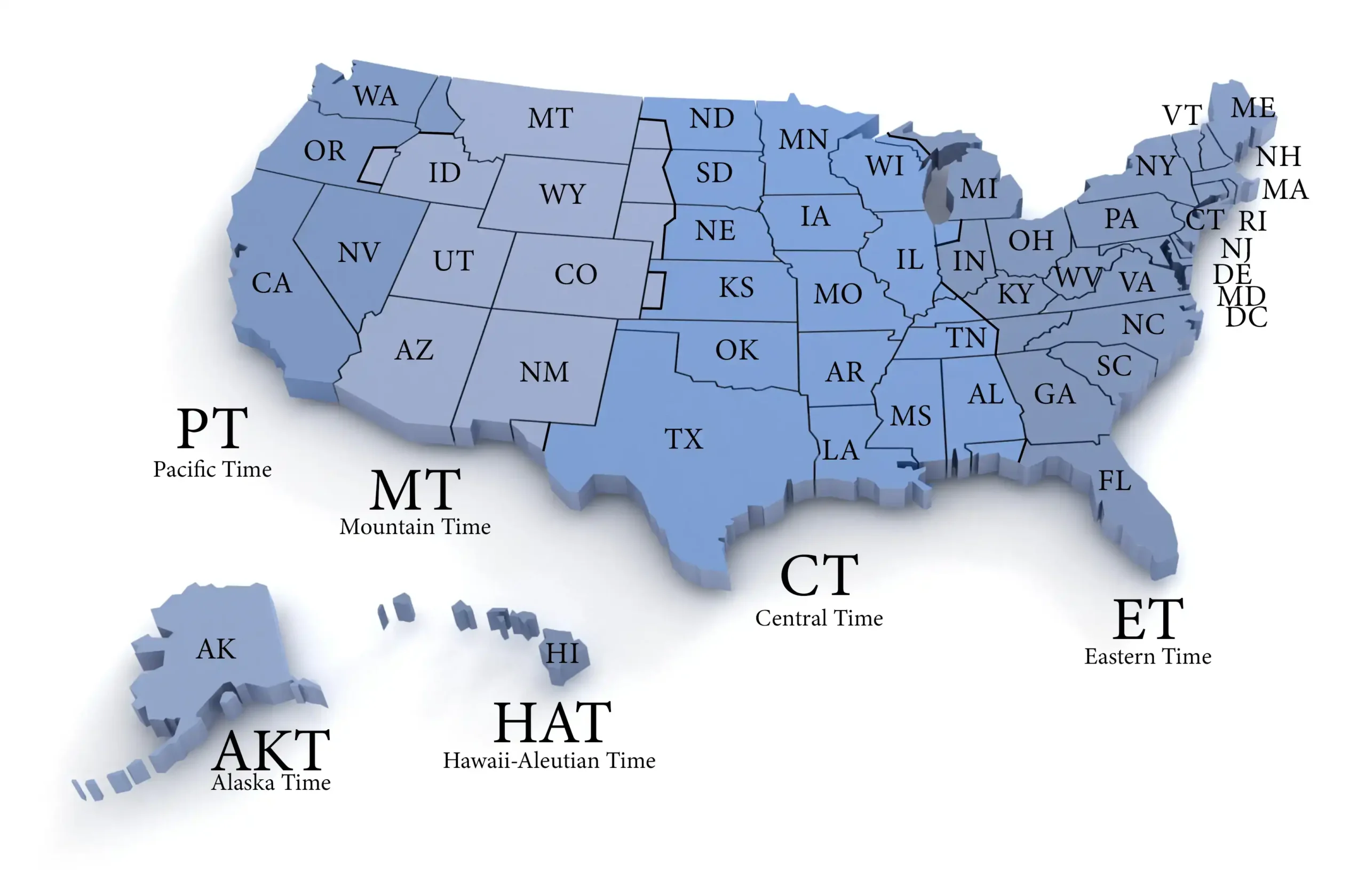
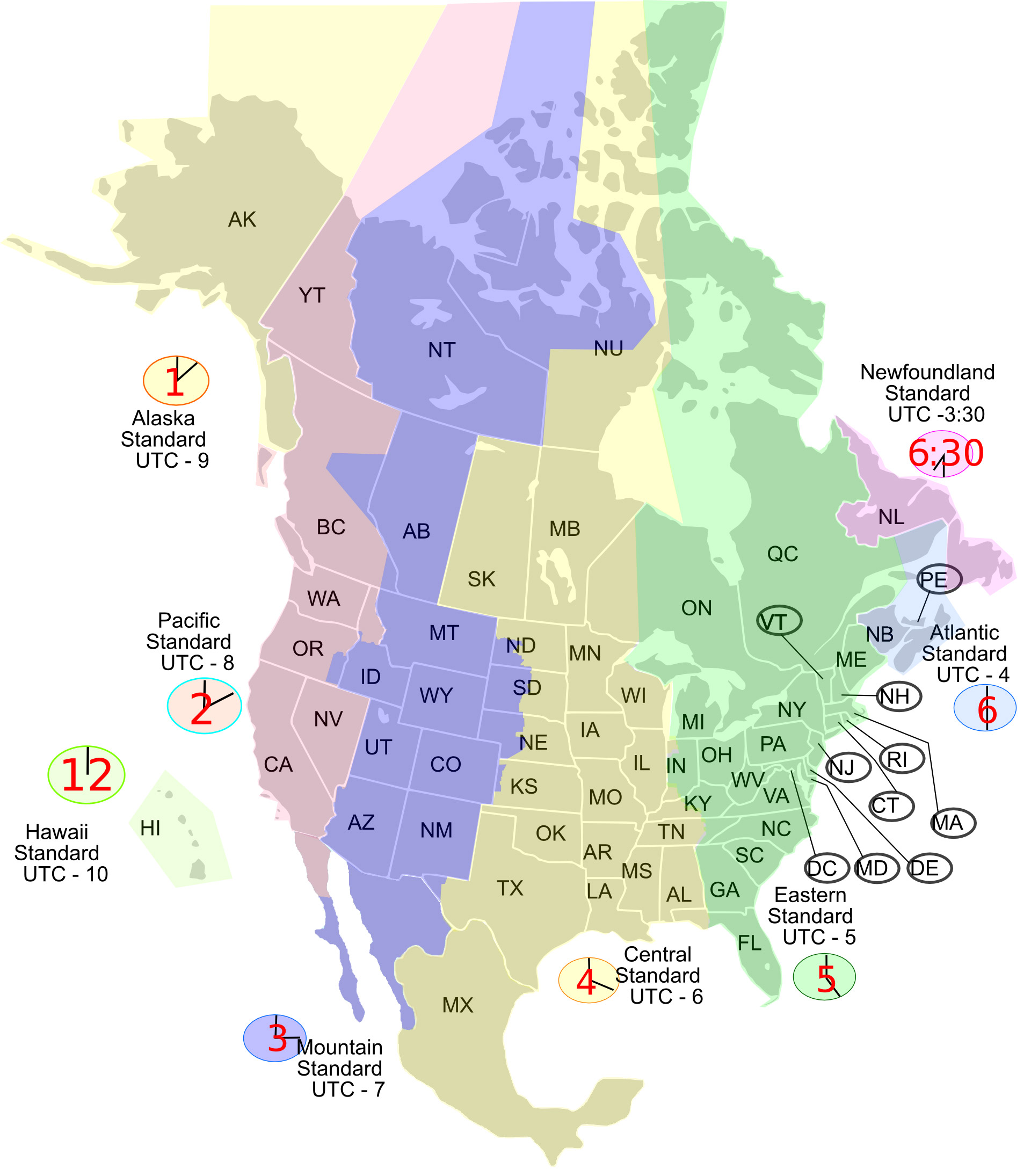
Maine observes the Eastern Time Zone (ET). This vast time zone stretches across a significant portion of the eastern United States, including major cities like New York City and Washington D.C.. Specifically, Maine operates under Eastern Standard Time (EST) during the winter months, which is UTC-5, and Eastern Daylight Time (EDT) during the warmer months, which is UTC-4.
This understanding is crucial for several reasons, especially when coordinating with different regions or countries. For instance, if you are calling a hotel in Portland, Maine, from California, which observes Pacific Time (PT), you need to account for the three-hour difference. Similarly, international travelers must be aware of the difference between Maine’s time and their own local time, impacting everything from jet lag considerations to pre-booked tours.
The predictability of this time zone is a significant advantage for travel planning. Knowing that Maine adheres to a standardized time system removes a layer of complexity. This allows travelers to focus on other aspects of their trip, such as selecting the perfect resort in the Kennebunkport area, or booking a charming inn near the Acadia National Park.
The Impact of Daylight Saving Time
Like most of the United States, Maine observes Daylight Saving Time (DST). This practice involves advancing clocks by one hour during the spring and reverting them by one hour in the fall. In Maine, DST typically begins on the second Sunday in March and ends on the first Sunday in November. This means that for about eight months of the year, Maine is on EDT (UTC-4), and for the remaining four months, it is on EST (UTC-5).
The shift to and from DST can be disorienting if not anticipated. For travelers, this might mean adjusting alarm clocks or rescheduling early morning activities. For example, if you have a morning flight departing from Bangor International Airport, understanding whether DST is in effect will be crucial for arriving on time.
The observance of DST also affects business and leisure travel planning. Hotels in Maine will adjust their check-in and check-out times accordingly, and tour operators will base their schedules on the current time. While the transition is generally smooth, it’s always wise to double-check the exact time, especially if you are traveling around the dates when DST changes. This is particularly relevant for those booking long-term stays or multi-day excursions, where consistent time awareness is paramount.
The beauty of Maine, especially its longer summer days under EDT, offers a unique lifestyle experience. Travelers can take advantage of the extended daylight hours for activities like exploring the coastal towns, visiting historic lighthouses such as the iconic Pemaquid Point Light, or enjoying a leisurely afternoon at a beachfront resort. The extended daylight hours contribute to a vibrant atmosphere, encouraging more outdoor exploration and engagement with the local tourism scene.
Planning Your Maine Adventure with Time in Mind
Understanding the time in Maine is a cornerstone of effective travel planning. Whether your focus is on luxurious resorts in Kennebunkport, exploring the rugged coastline, or delving into the rich history of places like Kittery, precise time awareness ensures that your experiences are enjoyable and stress-free.
Aligning Your Itinerary with Maine’s Clock
When planning your trip to Maine, consider how the local time will impact your daily activities. For instance, many attractions, such as museums in Portland or historical sites in Augusta, have specific operating hours. Knowing the current time in Maine helps you accurately schedule visits to these places, maximizing your time and avoiding disappointment.
For food enthusiasts eager to sample Maine’s famous lobster rolls or blueberry pie, understanding mealtimes is also key. Many restaurants, especially those in popular tourist areas like Bar Harbor, have peak dining hours. Booking reservations in advance, particularly for dinner, becomes easier when you have a clear grasp of the local clock.
Moreover, when booking accommodations, whether it’s a chic boutique hotel in Ogunquit or a cozy cabin rental in the Kennebec Valley, knowing the time zone helps with coordination. If you’re arranging a group trip or have specific arrival times, clear communication about the time in Maine is essential. This is also true for business stays, where punctuality is paramount for meetings and appointments.
Embracing the Maine Lifestyle and Activities
The concept of time in Maine also relates to the pace of life and the seasonal rhythm of the state. During the summer months, with extended daylight, the lifestyle shifts towards outdoor recreation. Activities such as hiking in Acadia National Park, kayaking along the coast, or attending local festivals are best enjoyed with ample daylight. The current time dictates the best window for these pursuits.
Conversely, in the fall, as the days shorten, the focus often shifts to enjoying the vibrant foliage and cozy indoor activities, such as visiting local breweries or art galleries. Understanding the time helps in planning excursions to witness the breathtaking autumn colors, perhaps along the Kancamagus Highway (though this is in New Hampshire, the principle applies to scenic drives in Maine), ensuring you catch the golden hours for photography.
For families, knowing the time in Maine is crucial for managing children’s schedules, including nap times, mealtimes, and bedtime routines. This ensures that family trips are enjoyable for everyone, allowing for exploration without over-scheduling or causing undue fatigue. Whether it’s visiting the Children’s Museum & Theatre of Maine in Portland or enjoying a day at a sandy beach in Ogunquit, the local time serves as a gentle guide.
Luxury travel in Maine also benefits from time zone awareness. High-end resorts often offer scheduled activities like spa treatments, fine dining experiences, and private tours. Confirming the timing of these services with the local Maine time ensures a seamless and indulgent experience. Similarly, for budget travelers, understanding the time allows for efficient planning of free activities, such as exploring charming towns or enjoying scenic viewpoints, making the most of every hour and every dollar spent.
The question “What is the time in Maine right now?” is therefore intrinsically linked to the broader experience of visiting and enjoying this beautiful New England state. By understanding its time zone and the nuances of Daylight Saving Time, travelers can unlock a richer, more organized, and ultimately more rewarding journey through the landmarks, attractions, and unique culture that Maine has to offer. It’s a simple piece of information that, when accounted for, contributes significantly to the overall success and enjoyment of any trip.
LifeOutOfTheBox is a participant in the Amazon Services LLC Associates Program, an affiliate advertising program designed to provide a means for sites to earn advertising fees by advertising and linking to Amazon.com. Amazon, the Amazon logo, AmazonSupply, and the AmazonSupply logo are trademarks of Amazon.com, Inc. or its affiliates. As an Amazon Associate we earn affiliate commissions from qualifying purchases.