
Key West, Florida, a sun-drenched island paradise at the southernmost point of the United States, beckons travelers with its unique blend of tropical allure, vibrant history, and laid-back atmosphere. While the allure of its turquoise waters, iconic Key West architecture, and lively Duval Street is undeniable, a crucial element for planning any unforgettable getaway is understanding the climate. Knowing the temperature in Key West, Florida, allows you to pack appropriately, choose the best time to visit, and fully immerse yourself in the island’s many offerings, from exploring historical landmarks to enjoying world-class dining and water-based adventures.
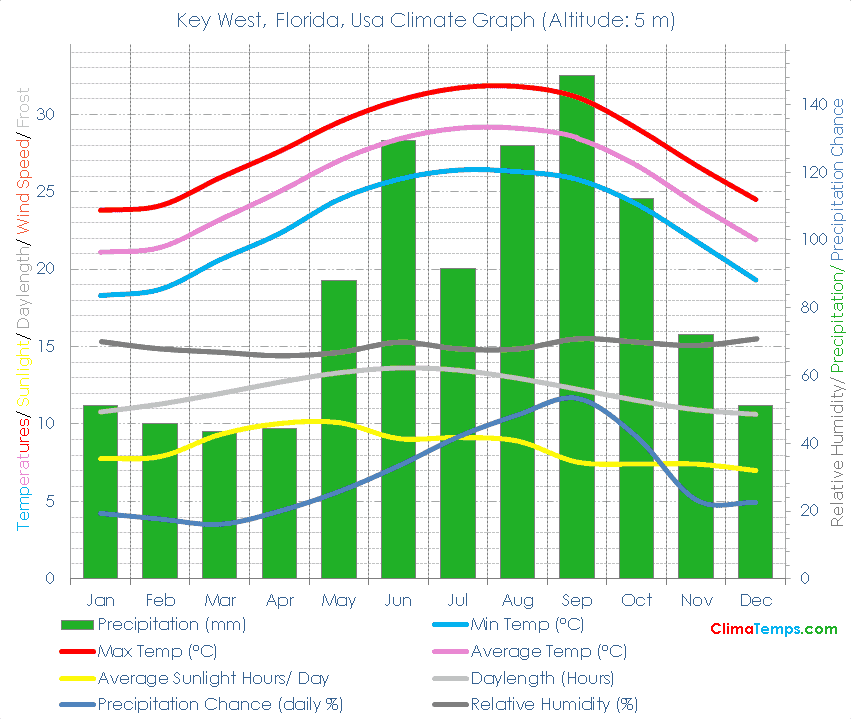
The Florida Keys, and Key West in particular, boast a tropical savanna climate, characterized by warm temperatures year-round and distinct wet and dry seasons. This means that unlike many temperate regions, there’s no harsh winter to contend with. Instead, visitors can anticipate a pleasant and inviting climate that supports a constant stream of outdoor activities and a perpetual vacation vibe. Understanding the nuances of these seasons and their impact on daily temperatures, humidity, and precipitation is key to crafting the perfect Key West experience. Whether you’re dreaming of a romantic escape to a charming bed and breakfast, a family adventure filled with snorkeling and sightseeing, or a luxurious retreat at one of the island’s exquisite resorts, the prevailing weather will undoubtedly play a significant role in your overall enjoyment.
Understanding Key West’s Tropical Climate Patterns
The Florida Keys experience a climate that is heavily influenced by its proximity to the Caribbean Sea and the Atlantic Ocean. This maritime influence moderates temperatures, preventing extreme highs and lows, and contributes to the island’s signature humidity. Unlike mainland Florida, which can experience occasional cold fronts, Key West remains remarkably warm throughout the year. The absence of significant seasonal temperature drops makes it a year-round destination for those seeking sunshine and warmth.
Seasonal Temperature Variations and What to Expect
While Key West is celebrated for its consistent warmth, there are subtle yet important variations in temperature and weather patterns throughout the year, each offering a different facet of the island’s charm. Understanding these seasonal shifts will help you align your visit with your preferred travel style and desired activities.
The Warm Embrace of Summer (June to September)
The summer months in Key West are undeniably hot and humid. Temperatures typically range from the mid-80s to the low 90s Fahrenheit (around 29-33 Celsius), with the heat index often pushing temperatures higher due to the substantial humidity. The sun is strong, and midday can feel quite intense, making it ideal for water activities like swimming, snorkeling, and diving. This is also the wet season, meaning that while sunshine is abundant, afternoon thunderstorms are a common occurrence. These storms are often brief but can be quite dramatic, clearing the air and bringing a temporary respite from the heat. Despite the heat and occasional rain, summer is a popular time to visit, especially for those seeking vibrant nightlife and beach-focused vacations.
The Pleasant Transition of Fall (October to November)
As October and November roll in, Key West begins to experience a delightful shift. The humidity starts to decrease, making the temperatures, which still hover in the 70s and low 80s Fahrenheit (around 24-28 Celsius), feel much more comfortable. The risk of significant rainfall lessens, and the sun continues to shine, creating perfect conditions for exploring the island’s charming streets, visiting historical sites, and enjoying al fresco dining. This period is often considered one of the best times to visit, as the weather is ideal for a wide range of activities, from leisurely strolls along Mallory Square to adventurous boat trips. The transition into fall brings a renewed sense of pleasantness to the tropical environment.
The Idyllic Winter (December to February)
The winter months in Key West are what many visitors envision when they dream of a tropical escape from colder climates. Temperatures are at their most comfortable, typically ranging from the low 70s to the low 80s Fahrenheit (around 22-28 Celsius). The humidity is at its lowest, and rainfall is minimal. This is often referred to as the dry season, offering abundant sunshine and gentle breezes. The pleasant weather makes it the peak season for tourism, with the island bustling with visitors eager to soak up the sun and enjoy outdoor activities without the oppressive heat of summer. It’s the perfect time for exploring Ernest Hemingway’s Home and Museum, taking a Key West Butterfly and Nature Conservatory tour, or simply relaxing on the beach.
The Flourishing Spring (March to May)
Spring in Key West continues the trend of beautiful weather established in winter. Temperatures gradually warm up, moving from the high 70s into the mid-80s Fahrenheit (around 26-30 Celsius). Humidity remains relatively low, and sunshine is plentiful, making it another excellent period for outdoor exploration and enjoyment. The island’s natural beauty is often at its peak, with lush vegetation and blooming flowers adding to the picturesque scenery. While the temperatures are warming, it’s still a very comfortable time to visit, offering a delightful balance between pleasant warmth and ample sunshine, ideal for experiencing everything from the historic Key West Shipwreck Museum to the vibrant marine life surrounding the Keys.
Planning Your Visit: Best Times to Experience Key West’s Weather
The decision of when to visit Key West is intrinsically linked to the prevailing temperatures and weather patterns. Each season offers a unique experience, and understanding these differences will allow you to tailor your trip to your specific preferences, whether you prioritize the hottest sun, the most comfortable breezes, or the lowest chance of rain.
Embracing the Heat: Summer Travel Considerations
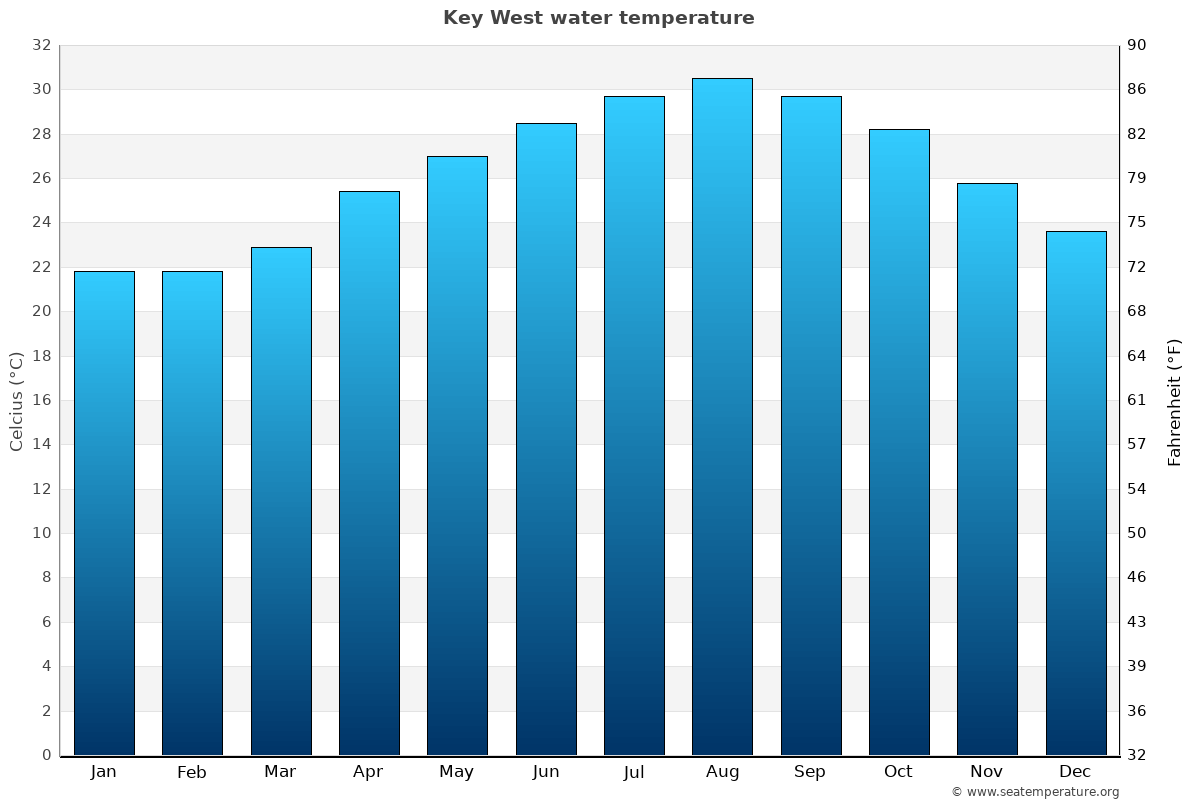
Visiting Key West during the summer months (June to September) means embracing the heat and humidity. While temperatures can be high, reaching into the low 90s Fahrenheit (around 33 Celsius) with substantial humidity, this is also when the island is at its most vibrant in terms of nightlife and water-based activities. The warmth of the ocean is at its peak, making it perfect for swimming and snorkeling. It’s crucial to stay hydrated, wear light clothing, and take advantage of air-conditioned spaces during the hottest parts of the day. Evenings often bring a welcome coolness, and the frequent, albeit brief, afternoon showers can be quite refreshing. This period is ideal for budget travelers as accommodations might be slightly more affordable outside of peak holiday weekends.
Seeking Comfort: Fall and Spring as Ideal Travel Windows
The shoulder seasons of fall (October to November) and spring (March to May) are often lauded as the sweet spots for visiting Key West. During these months, the temperature in Key West, Florida, is exceptionally pleasant, generally falling between the mid-70s and low 80s Fahrenheit (around 24-28 Celsius). The humidity is lower than in the summer, and rainfall is less frequent, creating ideal conditions for exploring the island at a leisurely pace. This is the perfect time for sightseeing, enjoying the numerous festivals and events, and partaking in activities like kayaking, paddleboarding, and cycling. The sunsets over the Gulf of Mexico, particularly from Mallory Square, are spectacular during these months, offering a magical end to each day.
Avoiding the Crowds and Embracing the Calm: Winter Travel Opportunities
While winter (December to February) is considered the peak season due to its idyllic weather, it also means higher prices and larger crowds. However, for those who can plan ahead, visiting during this time offers a truly quintessential Key West experience. The temperatures are consistently mild, with daytime highs in the low 70s to low 80s Fahrenheit (around 22-28 Celsius), and evenings are comfortably cool. The dry conditions are perfect for exploring the historic Old Town, visiting attractions like the Key West Aquarium or the Mel Fisher Maritime Museum, and enjoying the numerous restaurants and bars. If you’re looking for a peaceful escape and don’t mind the bustle, winter provides an unparalleled opportunity to experience the island’s charm at its finest.
Beyond the Temperature: Factors Influencing Your Key West Experience
While the mercury is a primary concern for any traveler, the temperature in Key West, Florida, is just one piece of the puzzle. Understanding the broader climatic and environmental factors will provide a more comprehensive picture and help you maximize your enjoyment of this unique island destination.
Humidity: The Unseen Companion to Key West’s Warmth
Humidity is an ever-present characteristic of Key West’s tropical climate. It plays a significant role in how the temperature feels, often making warm days feel hotter. During the summer months, humidity levels can be quite high, sometimes exceeding 70%. This means that a 90-degree Fahrenheit (32 Celsius) day can feel more like 100 degrees Fahrenheit (38 Celsius) or even higher when factoring in the heat index. Even in the cooler winter months, some degree of humidity is always present. Travelers accustomed to drier climates may find it takes some adjustment, but embracing it is part of the tropical experience. Staying hydrated, wearing breathable fabrics, and seeking shade are essential strategies for managing the effects of humidity, regardless of the season.
Sunshine and Daylight Hours: Maximizing Your Island Adventures
Key West is renowned for its abundant sunshine, a key draw for visitors escaping cloudy skies elsewhere. The island enjoys an average of over 3,000 hours of sunshine per year, which translates to long, bright days, particularly during the spring and summer months. Daylight hours are longest in the summer, offering ample time for exploring. Even in winter, the days are generally sunny and bright, providing plenty of opportunities for outdoor activities. The consistent sunshine contributes to the island’s vibrant atmosphere and its reputation as a premier destination for sun-seekers. This abundance of natural light enhances the experience of visiting landmarks like the Southernmost Point Buoy or taking a sunset sail.
Precipitation Patterns: Understanding the Wet and Dry Seasons
Key West experiences two primary seasons: a dry season from December to May, and a wet season from June to November. The dry season is characterized by minimal rainfall and is generally considered the most popular time to visit due to the pleasant weather. The wet season, on the other hand, sees more frequent rainfall, typically in the form of afternoon thunderstorms. These storms are often intense but short-lived, usually occurring in the late afternoon or early evening. They rarely disrupt an entire day of activities and can actually provide a refreshing break from the heat. While hurricane season officially runs from June to November, the risk of a direct hit on Key West is statistically lower than in other parts of the Florida coast, though it’s always advisable to stay informed about weather advisories during this period.

Wind and Breezes: A Natural Air Conditioner
The constant breezes from the Atlantic Ocean and the Gulf of Mexico are a welcome feature of Key West’s climate. These gentle winds help to temper the heat, especially during the warmer months, and contribute to the island’s pleasant feel. Even on the hottest days, a refreshing breeze can make a significant difference. These winds are also crucial for water sports like sailing and kiteboarding, making Key West a prime location for such activities. The prevailing easterly trade winds are a constant reminder of the island’s tropical location and contribute to its unique, breezy charm. This natural air conditioning makes outdoor dining, leisurely walks, and exploring the picturesque streets of Old Town even more enjoyable.
LifeOutOfTheBox is a participant in the Amazon Services LLC Associates Program, an affiliate advertising program designed to provide a means for sites to earn advertising fees by advertising and linking to Amazon.com. Amazon, the Amazon logo, AmazonSupply, and the AmazonSupply logo are trademarks of Amazon.com, Inc. or its affiliates. As an Amazon Associate we earn affiliate commissions from qualifying purchases.