
When planning a trip to the Pacific Northwest, travelers often focus on the lush landscapes, the rugged coastline, and the unpredictable rain. However, for those concerned about extreme weather events, the question often arises: “Does Oregon get tornadoes?” Understanding the meteorological reality of this state is essential for travelers, outdoor enthusiasts, and anyone considering a long-term stay in the region. While the state is better known for its temperate rainforests and volcanic peaks, the atmospheric conditions occasionally produce rare but noteworthy convective activity.
The Meteorological Reality of the Pacific Northwest
To understand the likelihood of tornadoes in Oregon, one must look at the unique topography and climate systems that define the region. Unlike the central United States, where warm, moist air from the Gulf of Mexico frequently clashes with cold, dry air from Canada, the Pacific Northwest experiences a more stable, marine-influenced climate.

Why Tornadoes Are Rare in Oregon
The primary reason Oregon sees so few tornadoes is the stabilizing effect of the Pacific Ocean. The cool ocean currents keep the lower atmosphere relatively stable, preventing the extreme heat and humidity required to fuel large-scale supercells. When thunderstorms do occur, they are typically limited in intensity. While the state does experience lightning and thunder, the atmospheric shear necessary to rotate these storms into tornadoes is largely absent or inconsistent.
Geography as a Protective Barrier
The physical landscape of the state also acts as a deterrent. The Cascade Range creates a significant barrier that influences weather patterns from the coast to the high desert. This complex terrain, characterized by deep valleys and mountain ridges, often disrupts the airflow required for tornadic development. While geography cannot prevent extreme weather, it certainly reshapes the way storms move and evolve across the landscape.
Historical Context and Frequency
While Oregon is not part of “Tornado Alley,” it is not entirely immune to them. Records from the National Weather Service indicate that small, weak tornadoes—usually classified as EF0 or EF1—do touch down in the state from time to time.
Understanding Weak Convective Events
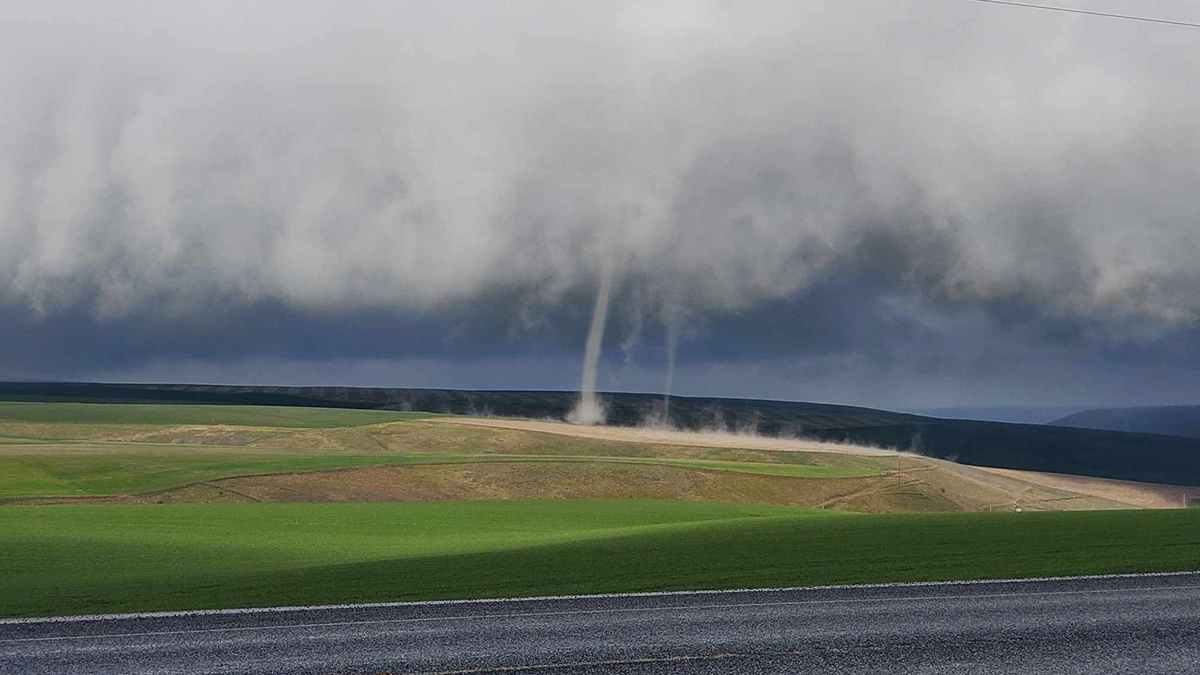
Most “tornadoes” reported in this region are technically landspouts or gustnadoes. These events are generally short-lived and cause minimal structural damage compared to the massive storms seen in the Great Plains. They often occur in the Willamette Valley, where flat terrain and occasional warm fronts provide the brief, localized instability needed for a funnel to form.
Notable Occurrences
Historically, these events are infrequent enough that they remain memorable anomalies. In 2016, for instance, a small tornado caused localized damage in Manzanita, a coastal town. Such incidents serve as a reminder that while the risk is statistically low, it is not zero. For residents and visitors alike, it is a rare phenomenon that often surprises locals, as the atmospheric conditions are usually not primed for such events.

Safety and Awareness for Travelers
For those traveling through Oregon, whether you are visiting the Columbia River Gorge or exploring the urban centers like Portland and Salem, the primary weather concerns are typically heavy rain, high winds, and winter storms rather than tornadoes. However, staying informed is part of responsible travel.
Staying Prepared While Exploring
Regardless of the low risk, weather can change quickly in the Pacific Northwest. If you are camping in areas such as Crater Lake National Park or visiting the Oregon Coast, always monitor local weather updates. Modern technology makes it easy to receive alerts via mobile devices. If a severe thunderstorm warning is issued, standard safety procedures—moving to a sturdy building or a lower level—are the best course of action.
The Contrast with Other Weather Risks
Travelers should be far more concerned with common regional hazards than with tornadoes. Oregon presents unique environmental considerations that warrant more attention:
- Flash Flooding: Especially in burn scar areas or narrow canyons during spring runoff.
- Wind Storms: Powerful Pacific storms can bring down trees and cause power outages, particularly in the Coast Range.
- Winter Conditions: Mountain passes like Mount Hood can become treacherous very quickly, making travel planning essential.
Lifestyle and Long-Term Considerations
If you are considering moving to or staying long-term in the Pacific Northwest, the lack of tornado risk is often cited as a significant lifestyle benefit. Compared to the Midwest or the Deep South, the peace of mind associated with lower disaster risk is a major factor for many.
Peace of Mind
The absence of severe convective storms allows for a lifestyle focused on outdoor recreation without the constant threat of siren alerts or storm cellars. People gravitate toward Bend or Eugene for the access to nature, knowing that the environment is generally stable. This stability contributes to the state’s appeal as a destination for families and outdoor enthusiasts.
Assessing Regional Weather Trends
It is important to acknowledge that weather patterns are changing globally. While Oregon remains a safe haven from the intense tornadic activity found elsewhere, meteorologists continue to study how shifts in the Jet Stream might impact the region. So far, the data suggests that the state’s unique coastal geography will continue to act as a natural buffer, keeping the climate temperate and relatively free of extreme cyclonic activity.
Conclusion
Does Oregon get tornadoes? Technically, yes, but they are infrequent, typically weak, and historically insignificant in the broader context of the state’s climate. Travelers and residents alike can feel secure in the fact that this region is one of the safest places in the United States regarding severe weather disasters.
Rather than worrying about funnel clouds, those visiting the region can spend their time exploring the vast natural beauty of the state, from the high desert of Central Oregon to the temperate rainforests near Cannon Beach. When you pack for your trip, prioritize layers for the rain and sturdy gear for the trails—the wind and the weather will provide an adventure, but you are highly unlikely to cross paths with a tornado. The region’s true charm lies in its consistent, lush, and rain-kissed environment, which remains a primary draw for millions of visitors every year. Understanding the weather is part of appreciating the Pacific Northwest, and knowing that the atmosphere is generally mild is just one more reason to add the state to your list of must-visit destinations.
LifeOutOfTheBox is a participant in the Amazon Services LLC Associates Program, an affiliate advertising program designed to provide a means for sites to earn advertising fees by advertising and linking to Amazon.com. Amazon, the Amazon logo, AmazonSupply, and the AmazonSupply logo are trademarks of Amazon.com, Inc. or its affiliates. As an Amazon Associate we earn affiliate commissions from qualifying purchases.