
When planning a getaway to the world-famous Las Vegas Strip, travelers often focus their budgets on airfare, show tickets, and fine dining. However, a significant component of the final bill often catches first-time visitors off guard: the resort fee and the associated tax burden. Understanding how Nevada handles lodging taxation is essential for anyone looking to enjoy the glitz and glamour of Las Vegas without experiencing “sticker shock” at checkout.
Demystifying the Resort Fee Structure
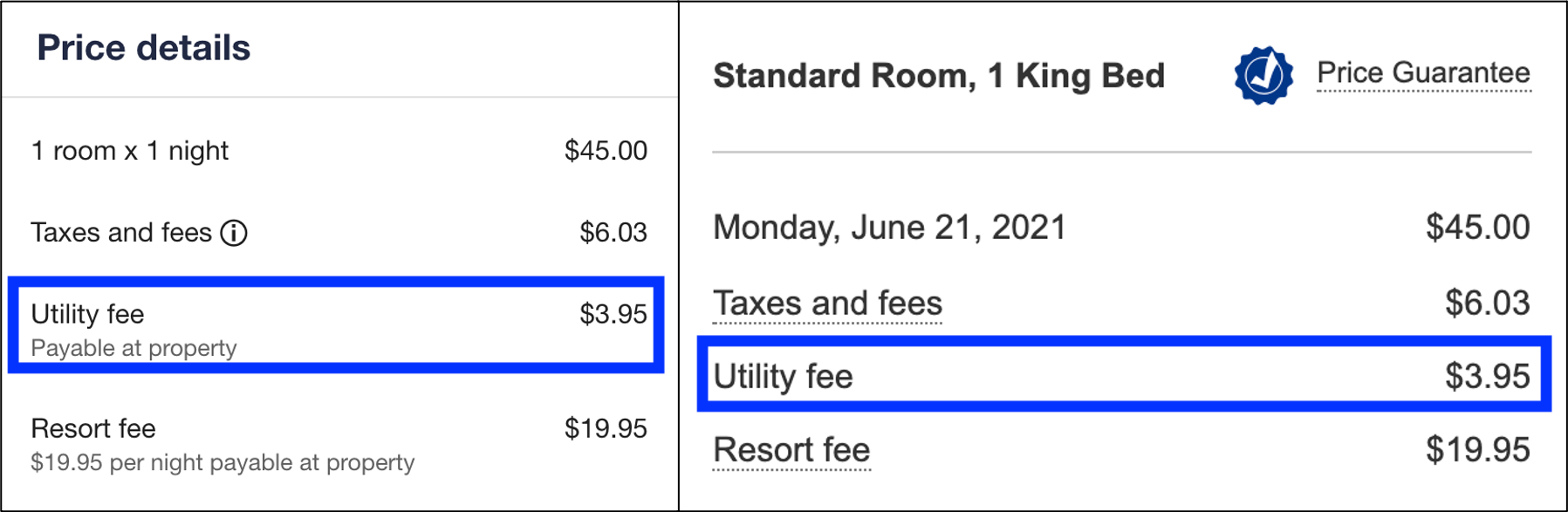
To understand the resort tax, one must first understand the “resort fee.” In Las Vegas, nearly every major hotel—from the Caesars Palace to the MGM Grand—charges a mandatory daily fee in addition to the advertised room rate. This fee is marketed as a way to bundle amenities that guests frequently use, though it is charged regardless of whether you actually utilize them.
What the Fees Typically Cover
Resort fees are ostensibly designed to cover the overhead of providing “premium” services. While these vary by property, they generally include:
- High-speed Wi-Fi access in the guest room.
- Access to the fitness center or spa facilities.
- Local and toll-free telephone calls.
- Printing services for boarding passes.
- In some cases, complimentary access to local transit or specialized newspaper delivery.
The Taxable Nature of Resort Fees
It is a common misconception that resort fees are exempt from taxation. Under Nevada state law, resort fees are considered an integral part of the room rate. Because they are mandatory charges for the right to occupy a room, they are subject to the exact same transient lodging taxes as the base room rate itself. When you see a “Resort Fee” listed on your bill, you must add the applicable lodging tax percentage to that amount. This means if your resort fee is $45 per night, you are effectively paying closer to $50 or $55 once the tax is applied.
The Components of Las Vegas Lodging Taxes
The total tax added to your hotel bill is not a single flat percentage; it is a cumulative figure composed of several local and state levies. When staying in Clark County, which encompasses the Las Vegas Strip, visitors typically encounter a combined tax rate that fluctuates based on the exact location of the property.
Transient Lodging Tax (TLT)
The primary tax applied to hotel stays in Las Vegas is the Transient Lodging Tax. This tax is used by the city and county to fund essential services, support tourism initiatives, and maintain the infrastructure that keeps the city running. In Clark County, this rate generally sits around 13.38%, though it can vary slightly depending on whether the property is located within the city limits of Las Vegas or in the unincorporated areas of the Paradise township.
How Tax Impacts Your Total Bill
Many travelers make the mistake of calculating their budget based solely on the nightly room rate. If you book a room at The Venetian for $200, you are not just paying $200. You are paying:
- Base Room Rate: $200.00
- Resort Fee: Approximately $45.00
- Lodging Tax (approx. 13.38%): Applied to both the room rate and the resort fee.

By failing to account for the tax on the resort fee, guests may find their final bill to be significantly higher than their initial booking confirmation suggested. Always look for the “estimated taxes and fees” line item during the final stage of the booking process on websites like Booking.com or the hotel’s direct portal.
Strategic Planning for Your Stay
Navigating the financial landscape of Las Vegas hotels requires a blend of awareness and preparation. While it is difficult to avoid resort taxes entirely if you wish to stay in a full-service resort, there are ways to manage the impact on your wallet.
Choosing Your Property Wisely
Not all hotels in the region operate under the same fee structure. While icons like Bellagio and Wynn Las Vegas have high resort fees justified by their luxury status, some off-strip locations or smaller boutique hotels may offer lower fees. It is always worth comparing the total cost—including taxes—rather than just comparing the base nightly rate.
Loyalty Programs and Fee Waivers
One of the most effective ways to mitigate the sting of resort fees is through status in a hotel loyalty program. Players clubs and loyalty programs associated with major groups—such as MGM Rewards or Caesars Rewards—often provide fee waivers for guests who reach high-tier status. By concentrating your stays at properties under a single umbrella, you can frequently have these fees removed from your final bill, effectively saving you the cost of the fee plus the associated taxes.
Pre-paying vs. Pay-at-Hotel
When booking your trip, you will often be given the option to pay in full at the time of booking or pay upon arrival. Paying in full often locks in the rate and gives you a clearer picture of your total financial commitment. However, regardless of when you pay, the tax percentage remains fixed based on the current rates in Nevada. Be wary of third-party booking sites that may omit the tax calculation on the resort fee until the very last screen; always ensure you have a clear understanding of the “out the door” price.
The Value Proposition of Las Vegas Resorts
While the addition of taxes and resort fees can feel like a penalty, it is helpful to view them within the context of the Las Vegas experience. These taxes fund the municipal services that keep the city safe, clean, and vibrant, while the resort fees contribute to the maintenance of massive properties that offer amenities rarely found in other cities at such competitive prices.
Comparing Value to Other Destinations
If you were to pay for the amenities included in a standard Las Vegas resort fee—such as a high-end gym pass, pool access, and constant connectivity—at a boutique hotel in New York City or Los Angeles, the costs would likely be significantly higher. The resort fee model is a way for properties to normalize the cost of these premium services across all guests.
Final Tips for the Savvy Traveler
- Read the Fine Print: Every booking page has a “Terms and Conditions” or “Fees” section. Read it.
- Use Your Status: If you hold status, call the hotel before arrival to confirm that resort fees are waived for your tier.
- Budget for the Total: Always add 15-20% to your hotel budget to account for taxes and the inevitable resort fees.
Ultimately, knowing that the “Resort Tax” is simply the application of standard lodging tax to a mandatory service fee allows you to plan with confidence. Whether you are staying at the Cosmopolitan of Las Vegas or a smaller property downtown, understanding these nuances ensures that your Las Vegas vacation remains focused on excitement and entertainment rather than hidden financial surprises. By accounting for these charges upfront, you can fully immerse yourself in everything the city has to offer, from world-class dining to the vibrant energy of the Fremont Street Experience.
LifeOutOfTheBox is a participant in the Amazon Services LLC Associates Program, an affiliate advertising program designed to provide a means for sites to earn advertising fees by advertising and linking to Amazon.com. Amazon, the Amazon logo, AmazonSupply, and the AmazonSupply logo are trademarks of Amazon.com, Inc. or its affiliates. As an Amazon Associate we earn affiliate commissions from qualifying purchases.