
The question of capital punishment in Oregon is a complex one, marked by a history of legislative action, judicial review, and public sentiment that has evolved significantly over time. While the death penalty has been on the books for extended periods, its application and current status are subject to ongoing debate and legal complexities. Understanding Oregon‘s stance requires delving into its legal framework, historical precedents, and the current moratorium on executions. This exploration aims to provide a comprehensive overview of the death penalty in the Beaver State, shedding light on its intricate journey.
A Historical Perspective on Capital Punishment in Oregon
Oregon‘s relationship with capital punishment is not a static one. The state has seen periods where the death penalty was actively practiced, followed by intervals of suspension and reinstatement, reflecting shifting societal values and legal interpretations. Examining this historical trajectory offers crucial context for understanding its present-day status.
Early Implementations and Shifting Legal Landscapes
From its early days, Oregon incorporated capital punishment into its legal code. Executions were carried out for a range of capital offenses. However, like many states across the United States, Oregon‘s approach to the death penalty has been influenced by broader national trends and Supreme Court decisions. The United States Supreme Court’s landmark ruling in Furman v. Georgia (1972) temporarily halted all executions nationwide, as it found existing death penalty statutes to be arbitrarily and capriciously applied. This ruling led to a period of re-evaluation and revision of capital punishment laws by states, including Oregon. Following the Supreme Court’s subsequent decisions in Gregg v. Georgia (1976), which upheld the constitutionality of the death penalty under revised statutes, Oregon, along with other states, began to reinstate capital punishment.
Notable Cases and Public Opinion
Throughout its history, Oregon has seen several high-profile cases that have fueled public discussion and debate surrounding the death penalty. These cases often highlight the moral, ethical, and practical considerations associated with capital punishment. Public opinion in Oregon, as elsewhere, has been divided. Support for the death penalty has fluctuated, influenced by crime rates, the nature of particularly heinous crimes, and advocacy from both proponents and opponents of capital punishment. Organizations such as the Oregonians for Death Penalty Reform and the Catholic Church in Oregon have been vocal in their opposition, while law enforcement groups and victims’ rights advocates have often supported its retention. This ongoing dialogue has played a significant role in shaping legislative and judicial actions concerning the death penalty.
The Current Status: A Moratorium on Executions
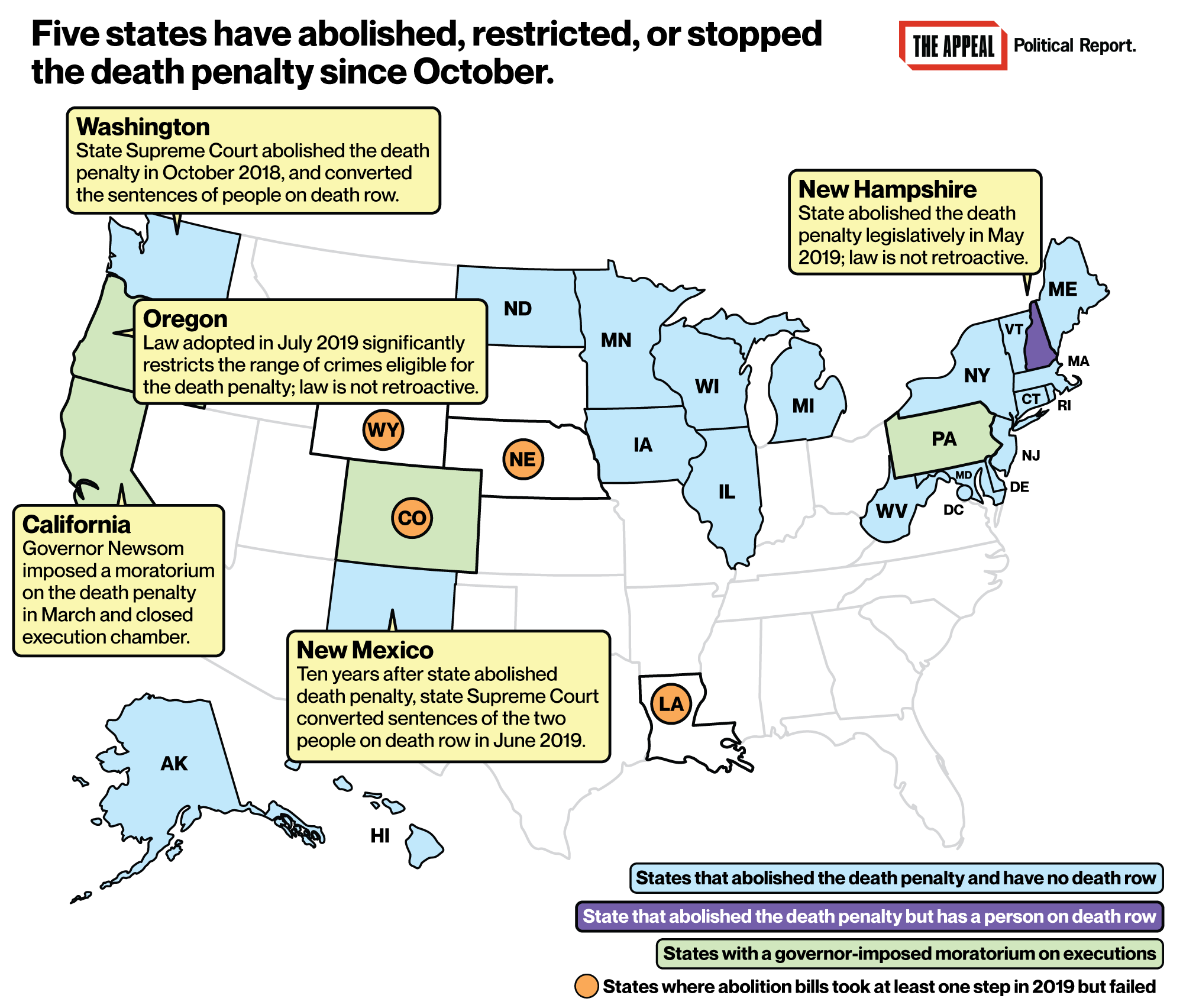
In recent years, Oregon has been under a gubernatorial moratorium on executions, significantly altering the practical application of capital punishment, even with its legal standing. This pause reflects a complex interplay of legal challenges, administrative concerns, and evolving gubernatorial stances.
Governor Kitzhaber’s Moratorium
In 2011, then-Governor John Kitzhaber issued a moratorium on executions in Oregon. This decision was based on several factors, including concerns about the fairness and accuracy of the death penalty system, the significant financial costs associated with capital cases, and the moral implications of state-sanctioned killing. The moratorium meant that while individuals could still be sentenced to death, no executions would be carried out. This move was not a complete abolition of the death penalty but rather a pause in its implementation, allowing for further review and consideration of its place in the state’s justice system.
Subsequent Governors and the Moratorium’s Continuation

The moratorium has largely been maintained by subsequent governors. Governor Kate Brown, who succeeded Governor Kitzhaber, also continued the moratorium throughout her tenure. Her administration emphasized the state’s commitment to reforming its criminal justice system and addressing racial disparities, often citing these as reasons to maintain the pause on executions. The legal framework for the death penalty remained, but the executive order effectively halted its active use. This sustained pause has led to a de facto suspension of executions, regardless of any pending death sentences.
Legal and Ethical Considerations
The death penalty in Oregon is not merely a matter of law; it is also deeply intertwined with profound legal, ethical, and moral considerations that have informed its controversial status. These considerations range from the potential for irreversible error to questions of its deterrent effect and fairness.
The Risk of Wrongful Conviction
A primary concern raised by opponents of the death penalty across the United States, and in Oregon, is the risk of executing an innocent person. The justice system, while striving for accuracy, is not infallible. There have been numerous documented cases of individuals sentenced to death who were later exonerated, sometimes after spending decades on death row. This possibility of irreversible error is a significant ethical hurdle for capital punishment. The Oregon Innocence Project and similar organizations have worked to highlight potential miscarriages of justice and advocate for reforms that would prevent such tragedies. The finality of an execution means that any error in the legal process cannot be rectified, making this a paramount consideration for policymakers and the public.
Deterrence, Cost, and Fairness
The debate over the death penalty also centers on its effectiveness as a deterrent to violent crime. Many studies have failed to provide conclusive evidence that the death penalty deters crime more effectively than life imprisonment. Furthermore, capital cases are notoriously expensive, often costing taxpayers significantly more than life imprisonment cases due to lengthy appeals processes, specialized legal representation, and increased security measures. This financial burden, coupled with questions about its deterrent effect, raises significant practical and economic arguments against its continued use.
Concerns about fairness and the disproportionate application of the death penalty based on race, socioeconomic status, and geographic location are also critical. Studies in various jurisdictions have suggested that defendants from minority groups or those who cannot afford adequate legal representation are more likely to receive a death sentence. These potential biases create a compelling ethical imperative to re-examine the fairness of the death penalty system. In Oregon, as elsewhere, these issues contribute to the ongoing debate and have played a role in the decisions to halt executions.
The Future of the Death Penalty in Oregon
The path forward for capital punishment in Oregon remains uncertain, with various stakeholders advocating for different outcomes. The current moratorium, coupled with ongoing legal and societal discussions, suggests a potential shift in the state’s approach to the death penalty.
Legislative Action and Public Debate
The future of the death penalty in Oregon could be determined by legislative action. While a moratorium is in place, it is an executive order and can be rescinded. Abolition would require legislative repeal of existing capital punishment statutes. Proponents of abolition continue to advocate for this outcome, citing the moral, financial, and fairness concerns. Conversely, those who support the death penalty may continue to push for its reinstatement and active application, particularly in response to egregious crimes. Public discourse, informed by ongoing analyses of the death penalty system and its implications, will undoubtedly play a crucial role in shaping legislative priorities and potential ballot initiatives.

Potential for Abolition or Reinstatement
Given the sustained moratorium and the persistent ethical and practical questions surrounding capital punishment, abolition remains a distinct possibility for Oregon. The state has a history of progressive policy-making, and a move towards complete abolition would align with a broader trend seen in some other United States jurisdictions. However, the deeply held beliefs on both sides of the issue mean that reinstatement, should the moratorium be lifted and new legal frameworks enacted, cannot be entirely ruled out. The judicial system’s ongoing engagement with capital cases, the evolving landscape of criminal justice reform, and the will of the people of Oregon will ultimately dictate the long-term fate of the death penalty in the state.
LifeOutOfTheBox is a participant in the Amazon Services LLC Associates Program, an affiliate advertising program designed to provide a means for sites to earn advertising fees by advertising and linking to Amazon.com. Amazon, the Amazon logo, AmazonSupply, and the AmazonSupply logo are trademarks of Amazon.com, Inc. or its affiliates. As an Amazon Associate we earn affiliate commissions from qualifying purchases.