
For many parents navigating separation or divorce, understanding the intricacies of child support is paramount. In Texas, child support isn’t just a legal obligation; it’s a fundamental component ensuring a child’s well-being, stability, and access to a full life, including enriching experiences that often involve travel, quality accommodation, and exposure to diverse cultures. For parents, whether they are receiving or paying support, how child support works in the Lone Star State can profoundly influence lifestyle choices, from where they choose to live to how they plan family vacations and manage their overall financial landscape. This guide delves into the specifics of Texas child support law, framed within the context of family lifestyle, travel planning, and ensuring children thrive wherever their adventures may take them.
Understanding the Foundation: Texas Child Support Basics
Child support in Texas is primarily designed to meet the basic needs of the child and maintain, as much as possible, the standard of living they would have enjoyed had the parents remained together. It’s about providing for their food, clothing, shelter, education, and healthcare. However, in a broader sense, it also lays the financial groundwork for a child’s participation in enriching activities, be it a school trip, a family vacation to South Padre Island, or staying in comfortable accommodations during visits.
The Core Calculation: Net Resources and Guidelines
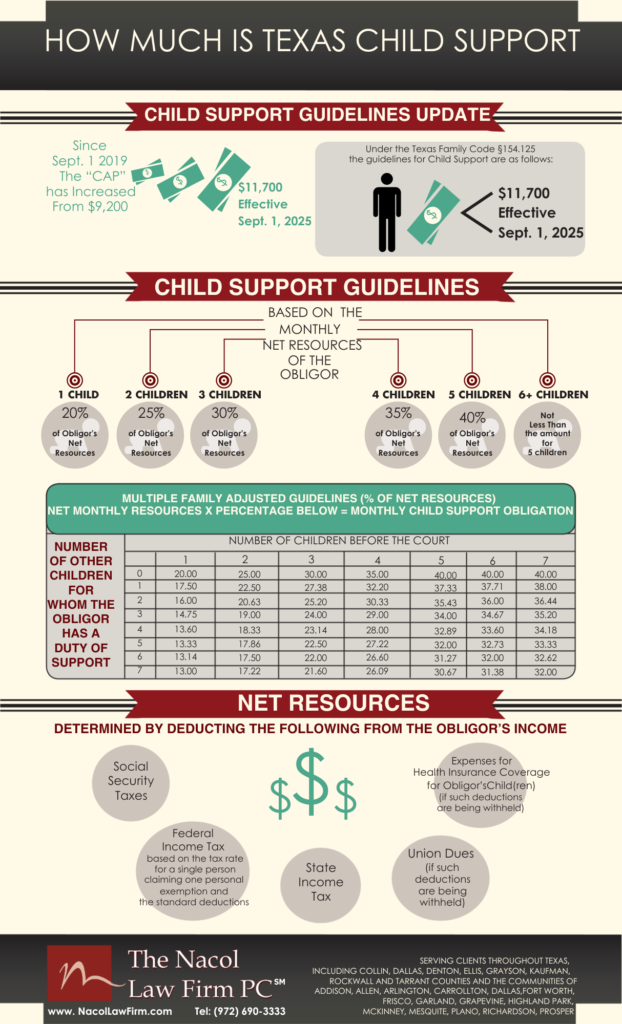
The calculation of child support in Texas follows a statutory guideline, primarily based on the non-custodial parent’s “net resources.” This isn’t just their take-home pay; it’s a more comprehensive figure designed to reflect their actual ability to pay.
First, gross income is determined. This includes wages, salary, commissions, bonuses, self-employment income, rental income, severance pay, retirement benefits, social security, and many other sources. From this gross income, certain deductions are made to arrive at the “net resources.” These deductions typically include:
- Social Security taxes
- Federal income tax (based on a single person claiming one exemption)
- State income tax (if applicable, though Texas has none)
- Union dues
- The cost of the child’s health insurance premiums and cash medical support paid by the obligor.
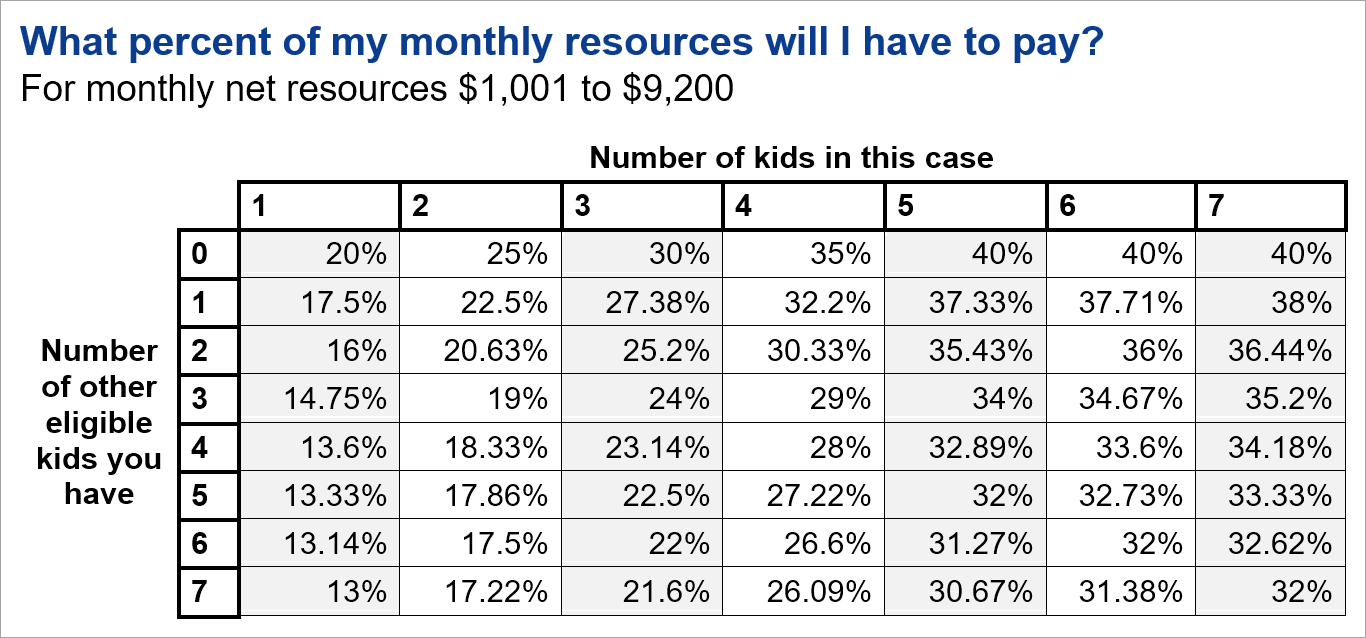
Once the net resources are established, Texas law applies a percentage guideline, which varies depending on the number of children for whom support is being paid. For example, for one child, it’s typically 20% of the non-custodial parent’s net resources. For two children, it’s 25%; for three, 30%; and so on, up to a maximum of five children (where it’s 40%). These percentages are applied to a cap on net monthly resources, which historically adjusts every six years. As of current guidelines, this cap is set at $9,200 per month. This means that even if a parent earns significantly more than this amount, the guideline calculation usually only applies to the first $9,200 of net resources, unless special circumstances warrant a deviation.
Understanding this calculation is crucial for parents planning their financial future. For the paying parent, it means factoring a predictable monthly expense into their budget, which in turn influences their ability to afford luxury travel or certain types of accommodation. For the receiving parent, it provides a stable financial baseline that can be incorporated into planning for the child’s future, including educational trips, extracurricular activities, or even a stay at a family-friendly resort in San Antonio.
Beyond the Basics: Medical, Dental, and Special Needs
Child support in Texas extends beyond just the basic monthly payment. The court orders will also specify who is responsible for providing health and dental insurance for the child. Often, the non-custodial parent is ordered to provide insurance if it is available through their employment at a reasonable cost. If not, the custodial parent may be ordered to provide it, and the non-custodial parent may be ordered to reimburse a portion of the premium.
Furthermore, out-of-pocket medical, dental, and vision expenses not covered by insurance are typically divided between the parents, often on a 50/50 basis, or sometimes proportionally to their incomes. These additional costs, while variable, are important considerations for family budgets. When planning a trip, for instance, knowing that a child’s healthcare needs are covered can provide peace of mind, especially when traveling to new destinations or engaging in adventurous activities. It removes a layer of financial uncertainty, allowing families to focus on the joy of discovery, whether exploring Big Bend National Park or visiting the Dallas World Aquarium.
In cases involving children with special needs, the court has the discretion to order child support beyond the standard guidelines and beyond the age of 18, if the child requires substantial care and supervision due to a mental or physical disability. This extended support is vital for long-term planning, affecting everything from specialized care arrangements to ensuring suitable long-term accommodation options are accessible for the child as they grow.
Duration and Termination: When Does It End?
Generally, child support in Texas terminates when a child turns 18 years old or graduates from high school, whichever occurs later. If a child becomes emancipated or dies, support also ceases. However, there are exceptions. As mentioned, for children with disabilities requiring ongoing care, support may continue indefinitely. Additionally, if the child marries, support typically ends.
For parents, understanding the duration of child support is crucial for long-term financial planning. It helps in projecting financial stability for a child’s upbringing, including their education, potential college savings, and major life experiences. Knowing when support will cease allows parents to plan for independent living or post-secondary education costs, factoring in potential student travel or accommodation needs for college. This foresight enables families to manage their finances effectively, potentially saving for a celebratory family trip upon graduation or investing in future travel experiences.
Navigating Lifestyle and Travel with Child Support
The stability provided by child support can be a cornerstone for a family’s lifestyle, influencing everything from daily routines to significant life choices like travel and accommodation. It allows parents to budget not just for necessities, but also for experiences that enrich a child’s life and broaden their horizons.
Budgeting for Family Adventures: Making Every Dollar Count
With predictable child support payments, parents gain a clearer picture of their disposable income, which is invaluable when planning family adventures. For the custodial parent, these funds contribute directly to a child’s quality of life, including opportunities for travel and exposure to new places. Imagine budgeting for an educational trip to Space Center Houston or a historical tour of The Alamo and the Riverwalk in San Antonio. These experiences, while enjoyable, also serve as informal educational opportunities, fostering a child’s curiosity and understanding of the world.
For the non-custodial parent, consistently meeting child support obligations ensures financial responsibility, which in turn can lead to a healthier co-parenting relationship and greater ease in planning shared travel experiences. Perhaps they want to take their children on a memorable vacation to Galveston Island or explore the cultural vibrant scenes of Austin. Having a clear understanding of their child support payments allows them to budget for these trips responsibly, choosing accommodations that fit their revised financial picture, perhaps a charming boutique hotel in the Gruene Historic District instead of a sprawling luxury resort.
Budgeting for travel with child support also means making informed decisions about destinations and activities. Families might opt for budget-friendly road trips within Texas to places like Corpus Christi or Amarillo, enjoying local attractions and natural beauty. Alternatively, with careful saving, they might plan a more ambitious journey, utilizing child support as part of a broader financial strategy to fund unforgettable international experiences or longer-term stays in desired locations. This financial stability allows for the pursuit of shared family memories, creating bonds and fostering growth that transcend the courtroom.
The Impact on Accommodation Choices: From Resorts to Long-Term Stays
Child support can significantly influence the type of accommodation a family can afford, both in their daily lives and during travel. For a custodial parent, consistent child support contributes to maintaining stable housing, whether that means a family home or an apartment in a desirable school district. This stability is foundational for a child’s development.
When traveling, the financial clarity provided by child support payments allows parents to make informed choices about where to stay. A family receiving adequate support might comfortably book a stay at a well-appointed establishment like the JW Marriott San Antonio Hill Country Resort and Spa for a special occasion, enjoying its amenities and family-friendly offerings. This provides not just shelter, but an integral part of the travel experience itself, with access to pools, kids’ clubs, and dining options.
Conversely, a parent managing child support payments might opt for more economical accommodation options, such as extended-stay hotels or vacation rentals, to ensure they remain financially responsible while still providing quality travel experiences for their children. For example, exploring Dallas might involve staying at a more budget-friendly hotel like the Omni Dallas Hotel downtown, or even a vacation rental in a nearby suburb like Grapevine that offers more space and a kitchen for self-catering, thereby reducing overall trip costs. The choice of accommodation directly impacts the travel budget, influencing duration, destination, and the overall comfort level.
For those considering long-term stays, perhaps for a temporary relocation or a longer educational trip, child support ensures that funds are available for monthly rent, utilities, and other living expenses in a new environment. This stability is particularly important for parents who might be exploring new career opportunities or educational pursuits that require a change of scenery. Whether it’s a short-term apartment in Houston or a cozy cottage in a smaller town like Kempner, the predictability of child support payments helps secure suitable and safe lodging for children.
Relocation and Inter-State Travel: Texas Law and Beyond
Child support orders, intertwined with custody agreements, often include specific provisions regarding relocation and out-of-state travel. In Texas, if a custodial parent wishes to move a significant distance (often defined by a geographic restriction within the court order, such as staying within a specific county or adjacent counties), they typically need to seek permission from the court or the non-custodial parent. This is to ensure that the move does not unduly interfere with the non-custodial parent’s visitation rights.
Similarly, planning inter-state or international travel with children often requires adherence to the custody order, which may stipulate advance notice to the other parent, agreement on itineraries, and even written consent for international travel to prevent parental abduction. Child support payments remain enforceable across state lines, thanks to federal laws like the Uniform Interstate Family Support Act (UIFSA). This means that even if a parent moves out of Texas, their obligation to pay child support persists and can be enforced by the Office of the Attorney General or a similar agency in the new state.
For parents, this aspect of child support and custody profoundly impacts lifestyle decisions, including the freedom to relocate for job opportunities or to experience new cultures. It means any decision to move to a vibrant city like El Paso or plan a trip to a foreign country needs to be carefully coordinated and legally compliant. Understanding these rules ensures that travel plans, whether short visits to Fort Worth Stockyards or extended stays abroad, proceed smoothly and without legal complications, safeguarding both the child’s well-being and the parents’ legal standing.
The Role of Enforcement and Modification in Sustaining a Lifestyle
Child support is not a static agreement; life circumstances change, and mechanisms are in place to ensure support orders remain fair and are honored. These processes are critical for the financial stability of families and, by extension, their ability to maintain a desired lifestyle, including opportunities for travel and quality living.
Ensuring Stability: Enforcement Mechanisms
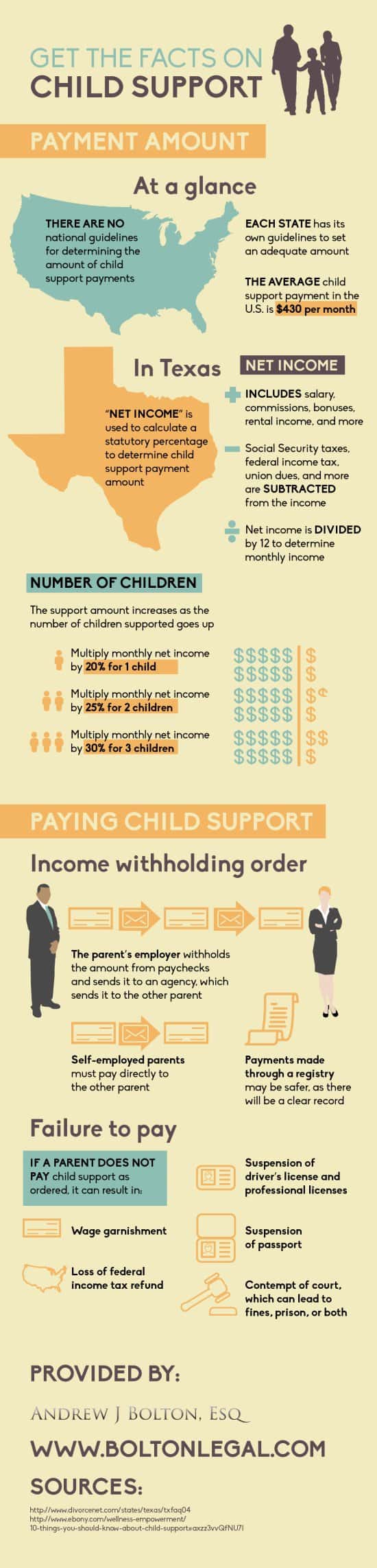
When child support payments are not made as ordered, the Office of the Attorney General of Texas provides services to help custodial parents collect delinquent support. Various enforcement mechanisms can be employed, including:
- Wage garnishment: Money is directly withheld from the non-custodial parent’s paycheck.
- License suspension: Driver’s licenses, professional licenses, and even hunting/fishing licenses can be suspended.
- Lien on property: A lien can be placed on real estate or personal property.
- Passport denial: For significant arrears, a passport application can be denied.
- Contempt of court: Non-payment can lead to fines, jail time, or community supervision.
These enforcement measures highlight the serious nature of child support obligations. For the receiving parent, effective enforcement translates to consistent financial resources, allowing them to confidently plan for their child’s future, including booking family trips without financial anxiety or ensuring the child can attend an important school excursion to Natural Bridge Caverns. For the paying parent, understanding the consequences of non-compliance underscores the importance of budgeting and fulfilling their duties, thereby avoiding disruptions to their own lifestyle, travel plans, or professional standing.
Adapting to Change: Modifying Support Orders
Life is dynamic, and circumstances that were true at the time of the original child support order may change significantly. A substantial change in circumstances can warrant a modification of the child support order. Examples of such changes include:
- A significant increase or decrease in either parent’s income.
- A change in the child’s needs (e.g., development of a medical condition requiring extensive treatment).
- A change in custody arrangements.
- The passage of three years since the order was signed or last modified, and the monthly amount of the child support award differs by either 20% or $100 from the amount that would be awarded under the child support guidelines.
The ability to modify child support orders is crucial for ensuring that the support remains fair and appropriate as families evolve. For instance, a parent who experiences a job loss might need to seek a reduction in payments to maintain their own financial viability and avoid accruing arrears, which could impact their ability to travel or afford reasonable accommodation. Conversely, a parent whose child develops new needs, perhaps requiring specialized educational programs or therapies, might seek an increase in support to cover these essential costs, ensuring the child’s access to critical resources and the ability to participate in enriching activities.
This flexibility in the law ensures that child support can adapt to real-life situations, supporting a stable family life even through unforeseen challenges. It means that parents, whether planning a family move, considering a new career path, or simply trying to provide the best possible experiences for their children, can adjust child support arrangements to reflect their current realities. This adaptability is key to sustaining a lifestyle that prioritizes the child’s welfare, whether that involves consistent daily support or the occasional luxury of a trip to a Four Seasons Hotel Austin for a memorable weekend.
In conclusion, child support in Texas is far more than a legal formality. It is a critical financial tool that underpins a child’s development, stability, and access to a rich and varied life. For parents, understanding its calculation, duration, and enforcement mechanisms is essential for responsible financial planning, whether for daily needs or for those cherished family experiences that involve exploring new destinations, staying in comfortable accommodations, and creating lasting memories. By fulfilling these obligations, parents contribute not only to their child’s immediate well-being but also to their future capacity to engage with the world in meaningful ways.
LifeOutOfTheBox is a participant in the Amazon Services LLC Associates Program, an affiliate advertising program designed to provide a means for sites to earn advertising fees by advertising and linking to Amazon.com. Amazon, the Amazon logo, AmazonSupply, and the AmazonSupply logo are trademarks of Amazon.com, Inc. or its affiliates. As an Amazon Associate we earn affiliate commissions from qualifying purchases.