
Orlando, Florida, a dazzling hub of world-renowned theme parks, luxurious resorts, and unforgettable experiences, welcomes millions of visitors each year. Often referred to as “The Theme Park Capital of the World,” it’s a dream destination for families, couples, and solo travelers alike, offering everything from thrilling rides and magical encounters to vibrant dining scenes and serene natural escapes. However, as with any travel destination in the southeastern United States, a common concern that arises, especially during certain times of the year, is the threat of hurricanes. Prospective visitors frequently ask: Does Orlando get hurricanes?
The short answer is yes, Orlando, being in Florida, can be affected by hurricanes. However, the more nuanced and reassuring answer is that direct hurricane strikes are rare, and the city is considerably safer from the most severe impacts compared to coastal areas. Its inland location provides a significant buffer, transforming powerful hurricanes into tropical storms or depressions by the time they reach central Florida. This comprehensive guide aims to demystify the hurricane risk in Orlando, providing valuable insights for planning your perfect trip, ensuring peace of mind, and understanding why this vibrant destination remains a top choice for global tourism.
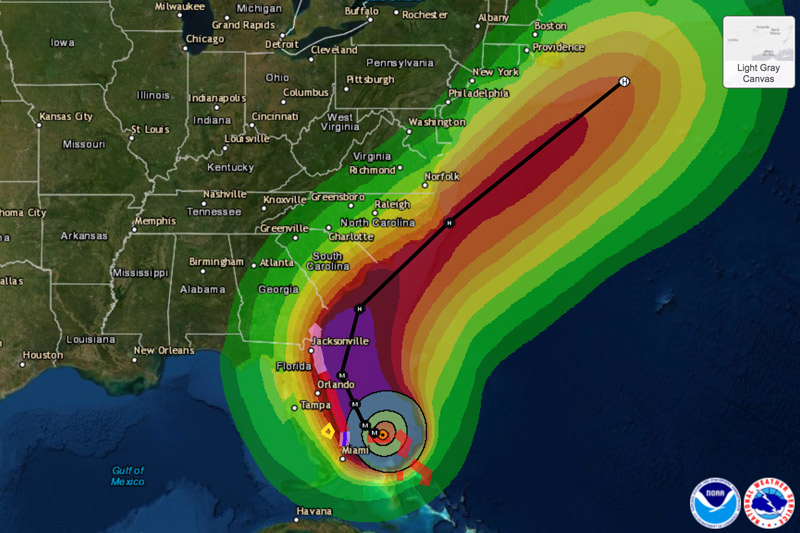
Orlando’s Unique Position: An Inland Sanctuary
One of the most crucial factors in understanding Orlando’s hurricane vulnerability is its geographical location. Unlike popular coastal cities such as Miami, Tampa, or Key West, Orlando is situated deep within the Florida peninsula. This inland positioning offers a substantial natural defense against the full force of hurricanes.
The Buffer Effect of Florida’s Coastlines
Hurricanes draw their energy from warm ocean waters. As these formidable storms move over land, they begin to weaken rapidly. The friction with the landmass, coupled with the loss of their oceanic fuel source, causes them to diminish in intensity. For a hurricane originating in the Atlantic Ocean or the Gulf of Mexico to reach Orlando, it must first traverse a significant stretch of Florida’s land. This journey typically degrades a Category 3 or higher hurricane down to a Category 1 or a tropical storm by the time it reaches the central part of the state.
This “buffer effect” means that while Orlando will certainly experience impacts from a nearby hurricane – such as heavy rainfall, strong winds, and potential flooding – it is significantly less prone to the devastating storm surges and extreme wind damage that plague coastal communities. The primary concerns for visitors and residents in Orlando during a hurricane event are typically prolonged rain, localized flooding, and power outages, rather than catastrophic structural damage.
Orlando’s Historical Hurricane Encounters
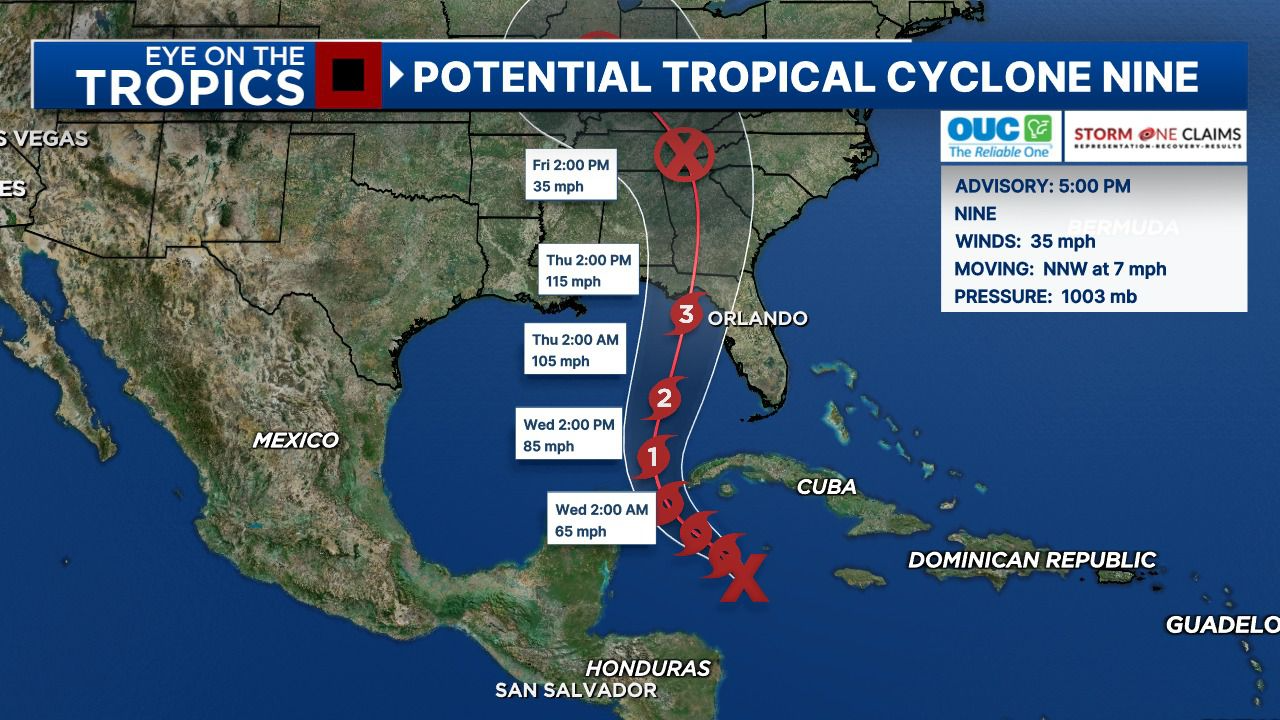
While relatively rare, Orlando has felt the effects of hurricanes throughout history. It’s important to differentiate between a direct hit and experiencing the outer bands or a weakened storm. Major hurricane activity in Orlando is infrequent. For instance, the infamous 2004 hurricane season saw Florida hit by four hurricanes, with Orlando experiencing impacts from Hurricane Charley, Hurricane Frances, and Hurricane Jeanne in quick succession. These storms, though impactful, had largely weakened to tropical storm or Category 1 strength upon reaching the city. They caused significant tree damage and widespread power outages, but the robust infrastructure of the city and its resorts generally held up well.
More recently, Hurricane Irma (2017) and Hurricane Ian (2022) were notable events. Hurricane Irma, after weakening, brought tropical storm force winds and heavy rain, leading to temporary park closures and some flooding. Hurricane Ian was a more direct and significant impact for central Florida, bringing heavy rainfall and sustained tropical storm to low-end hurricane force winds, leading to widespread flooding in some areas. Despite these events, the resilience of the local community, the efficiency of emergency services, and the well-preparedness of the major theme parks and accommodation providers ensured that recovery was swift and visitors were kept safe. These instances underscore the importance of preparation and awareness, rather than deterrence, for travelers.
Navigating Florida’s Hurricane Season
Understanding the timing and characteristics of Florida’s hurricane season is key to informed travel planning. While the threat exists, it’s manageable with the right information and precautions.
When is Hurricane Season in Florida?
Officially, the Atlantic Hurricane Season runs from June 1st to November 30th each year. Within this period, there are peak months when hurricane activity is historically more frequent. The highest probability of storms typically occurs from mid-August through late October, with September being the most active month.
Does this mean you should avoid Orlando during these months? Not necessarily. While the chances of encountering a tropical system are higher, direct impacts on Orlando are still relatively low. Many travelers enjoy visiting during these times due to lower crowd levels and often more competitive pricing on hotels, flights, and packages, making it an attractive option for budget travel or luxury travel seekers looking for value. It’s about being prepared, not canceling your plans outright.
Understanding Hurricane Categories and Orlando’s Typical Exposure
Hurricanes are classified into five categories based on the Saffir-Simpson Hurricane Wind Scale, which measures sustained wind speeds.
- Category 1: 74-95 mph (119-153 km/h)
- Category 2: 96-110 mph (154-177 km/h)
- Category 3: 111-129 mph (178-208 km/h) (Major Hurricane)
- Category 4: 130-156 mph (209-251 km/h) (Major Hurricane)
- Category 5: 157 mph (252 km/h) or higher (Major Hurricane)
As established, a hurricane typically weakens significantly when it travels inland to Orlando. Most often, if Orlando is affected, it will experience tropical storm-force winds (39-73 mph) or, in rarer cases, the lower end of Category 1 hurricane-force winds. The primary concern shifts from extreme wind damage to heavy rainfall, localized flooding, and potential power outages. This means that while your travel plans might be temporarily disrupted (e.g., park closures, flight delays), the risk to personal safety from the storm itself is considerably lower than on the coast.
Distinguishing Direct Hits from Peripheral Effects
It’s crucial for travelers to understand the difference between a direct hit and experiencing the peripheral effects of a storm. A “direct hit” for Orlando would mean the eye of a hurricane passing directly over or very close to the city while still maintaining hurricane strength. This is quite rare. More commonly, Orlando will experience:
- Outer Bands: Spiraling rain bands that can bring strong gusts of wind and heavy downpours, often hours or even a full day before the main system arrives.
- Tropical Storm Conditions: If a hurricane weakens to a tropical storm upon reaching inland Florida, Orlando will experience sustained winds between 39-73 mph and significant rainfall.
- Heavy Rainfall and Flooding: This is arguably the most common and impactful effect for Orlando. Prolonged heavy rains can lead to street flooding, especially in low-lying areas.
- Power Outages: Strong winds, even at tropical storm strength, can down trees and power lines, leading to localized or widespread outages. Utility companies in Florida are highly experienced in restoring power swiftly.
These conditions, while disruptive, are typically managed effectively by Orlando’s robust infrastructure and emergency services. The major theme parks like Walt Disney World Resort and Universal Orlando Resort have highly detailed hurricane preparedness plans that prioritize guest safety and communication.
Smart Travel Planning for Your Orlando Trip
While the risks are low, preparedness is paramount. Smart planning can transform any potential storm-related stress into a minor inconvenience, allowing you to focus on the magic of your Orlando vacation.
The Importance of Travel Insurance
For any trip during hurricane season, comprehensive travel insurance is highly recommended. Look for policies that specifically cover “cancel for any reason” or include provisions for weather-related disruptions, such as:
- Trip Cancellation: If you have to cancel your trip before departing due to a named hurricane warning for Orlando or your home city.
- Trip Interruption: If your trip is cut short due to a storm, covering costs for unused portions of your trip or emergency evacuation.
- Travel Delay: Reimbursing expenses for unexpected overnight stays, meals, or other necessities if your flight is delayed.
- Baggage Delay/Loss: While not directly hurricane-related, useful for general travel hiccups.
Always read the policy details carefully to understand what is and isn’t covered. Websites like Expedia or Booking.com often offer travel insurance options directly, but it’s worth comparing with dedicated travel insurance providers.
Staying Informed: Reliable Weather Sources
Forewarned is forearmed. Stay updated with official and reliable weather information before and during your trip:
- National Hurricane Center (NHC): The definitive source for hurricane forecasts and advisories. Follow their website (noaa.gov) and social media accounts.
- National Oceanic and Atmospheric Administration (NOAA): Provides broader weather information and climate outlooks.
- Local News Channels and Weather Apps: Once in Orlando, local news provides immediate updates specific to the area.
- Airline and Accommodation Alerts: Sign up for text or email alerts from your airline (e.g., Southwest Airlines, Delta Airlines, American Airlines) and your hotel or resort.
Pay attention to advisories and warnings, but avoid succumbing to sensationalized news. Focus on factual updates from official channels.
Accommodation Policies and Flexibility
Many hotels, resorts, and even private villas in the Orlando area offer flexible cancellation or rebooking policies during hurricane season, especially if a storm is declared a threat.
- Check Policies Before Booking: Inquire about their specific hurricane policies when making reservations, particularly for non-refundable rates.
- Direct Booking Advantages: Sometimes, booking directly with a hotel or resort can offer more flexibility than through third-party sites.
- Resorts vs. Apartments: Larger resorts and suites like those within Walt Disney World Resort or Universal Orlando Resort are often self-sufficient, with backup generators and dedicated staff to assist guests during an event, offering peace of mind. Private vacation rentals may require more personal preparedness.
Consider these factors, whether you’re planning a family trip, a business stay, or a long-term stay, to ensure your accommodation choice aligns with your comfort level and safety expectations.
Park Procedures and Safety Measures
Orlando’s world-class theme parks are highly experienced in managing severe weather. Their primary concern is the safety of their guests and cast members.
- Official Communication: Parks will communicate any operational changes, closures, or reopening plans through their official websites, social media, and park apps.
- Temporary Closures: In the event of a hurricane warning, parks may close pre-emptively or during the storm, typically reopening swiftly once conditions are safe and assessments are complete.
- Ride Suspensions: Outdoor rides and attractions will close during lightning, heavy rain, or high winds.
- Guest Services: During closures, parks and their associated resorts will provide support, including food services and activities for guests sheltering in place.
Reviewing park-specific hurricane policies (e.g., Walt Disney World Resort has a clear “Hurricane Policy”) is an essential part of your travel guide.
Beyond the Forecast: Orlando’s Enduring Appeal
Despite the occasional weather concern, Orlando remains an unparalleled destination, offering incredible experiences that make it worth considering year-round. The city’s resilience and commitment to tourism ensure that disruptions are temporary, and the magic always returns.
Why Orlando Remains a Top Choice
Orlando offers a vibrant lifestyle and an astounding array of attractions that cater to every interest and age group:
- Theme Parks: Beyond Walt Disney World Resort (Magic Kingdom, Epcot, Hollywood Studios, Animal Kingdom) and Universal Orlando Resort (Universal Studios Florida, Islands of Adventure), you have SeaWorld Orlando and its sister park Discovery Cove, and LEGOLAND Florida Resort nearby in Winter Haven.
- Shopping and Dining: Explore the vast retail experiences along International Drive, Pointe Orlando, and luxury outlets, complemented by an incredibly diverse culinary scene ranging from fine dining to unique local food trucks.
- Outdoor Activities & Nature: Beyond the manufactured wonders, Orlando boasts beautiful natural landmarks like Lake Eola Park and Harry P. Leu Gardens, alongside numerous golf courses and opportunities for airboat rides.
- Culture & History: Discover the charming historic neighborhoods, museums, and nearby attractions like the Kennedy Space Center Visitor Complex on the Space Coast or the historic city of St. Augustine.
- Proximity to Beaches: Beautiful Florida beaches, such as Cocoa Beach on the Atlantic coast, are just an hour’s drive away, offering a perfect day trip escape.
Orlando caters to all lifestyles, from family trips packed with kid-friendly activities to luxurious couples’ retreats with world-class spas and fine dining.
Best Times to Visit
While hurricane season runs from June to November, the overall “best” time to visit Orlando often balances weather, crowds, and cost.
- Fall (Late September – November): This period can be excellent. While still within hurricane season, the peak of storm activity lessens in November, and temperatures become more pleasant. Crowd levels often decrease post-summer, and special events like Epcot’s Food & Wine Festival or Universal Orlando Resort’s Halloween Horror Nights add unique experiences.
- Winter (December – February): Generally the driest and coolest months, with low humidity. Ideal weather for park touring. Expect higher crowds and prices around holidays (Christmas, New Year’s, Presidents’ Day) but often very pleasant conditions otherwise.
- Spring (March – May): Beautiful weather with comfortable temperatures and lower humidity. Crowds can pick up during spring break periods and around Easter.
- Summer (June – August): Hot, humid, and prone to daily afternoon thunderstorms (which are usually brief and refreshing). This is the official start and peak of hurricane season, but also a popular time for family travel when children are out of school.
Choosing your travel dates involves weighing these factors. Many find the benefits of visiting outside of peak hurricane season outweigh the potential cost savings.

Conclusion
So, does Orlando get hurricanes? The answer is “yes, but with significant caveats.” While no part of Florida is entirely immune, Orlando’s inland location provides a considerable shield, dramatically reducing the likelihood of a direct, high-impact strike. Most often, the city experiences weakened storms bringing heavy rain, wind, and temporary disruptions rather than catastrophic damage.
For travelers, the key is informed preparation: secure good travel insurance, stay updated with official weather forecasts, and understand the robust safety measures in place at Orlando’s theme parks and accommodations. Orlando remains one of the world’s premier travel destinations, known for its exceptional tourism infrastructure, diverse attractions, and unwavering commitment to guest experiences. With a little smart planning, you can confidently book your next unforgettable adventure to the heart of Florida, knowing that you’re well-equipped to handle whatever weather comes your way. Enjoy the magic, explore the wonders, and create lasting memories in Orlando – a destination that truly outshines any fleeting storm.
LifeOutOfTheBox is a participant in the Amazon Services LLC Associates Program, an affiliate advertising program designed to provide a means for sites to earn advertising fees by advertising and linking to Amazon.com. Amazon, the Amazon logo, AmazonSupply, and the AmazonSupply logo are trademarks of Amazon.com, Inc. or its affiliates. As an Amazon Associate we earn affiliate commissions from qualifying purchases.