
The allure of the Rocky Mountains is undeniable. With its breathtaking natural beauty, vibrant cities, and abundant outdoor recreation, Colorado consistently ranks high on many people’s lists of desirable places to live. From the bustling energy of Denver to the charming mountain towns like Aspen and Vail, the Centennial State offers a diverse range of lifestyles. However, a crucial question for anyone considering a move or a prolonged stay is: “Is Colorado expensive to live?” The answer, like many things in life, is nuanced and depends heavily on individual circumstances, lifestyle choices, and the specific location within the state.

The perceived expensiveness of Colorado is a recurring topic of discussion, and for good reason. The state has experienced significant population growth in recent decades, fueling demand for housing and services. This increased demand, coupled with a strong job market in certain sectors and the inherent cost of maintaining infrastructure in a mountainous terrain, has contributed to a higher cost of living compared to the national average. Understanding the various components of this cost is key to painting a clear picture.
Understanding the Cost of Living in Colorado
To truly assess the expense of living in Colorado, it’s important to break down the major categories that contribute to an individual’s or family’s budget. These include housing, transportation, utilities, groceries, healthcare, and entertainment. Each of these elements can fluctuate significantly based on location and personal consumption habits.
Housing: The Biggest Contributor to Colorado’s Expense
Housing is by far the most significant factor driving up the cost of living in Colorado. Both rental prices and homeownership costs have seen substantial increases, particularly in popular metropolitan areas and desirable mountain communities.
Denver Metro Area: A Tale of Two Markets
The Denver metropolitan area, a hub for tech, aerospace, and tourism, is a prime example of this trend. In Denver proper and its surrounding suburbs like Boulder, Aurora, and Lakewood, the demand for housing consistently outstrips supply. This has led to median home prices that are significantly above the national average. Renters also face a competitive market, with apartment complexes and single-family home rentals commanding premium prices.
For instance, a modest one-bedroom apartment in Denver can easily cost well over $1,500 per month, and in sought-after neighborhoods, this figure can surge much higher. Homeownership, while potentially offering greater long-term value, requires a substantial upfront investment. Down payments and mortgage payments in the Denver metro area can be daunting for those with average incomes.
Mountain Towns: A Different Kind of Expensive
The cost of housing in Colorado’s famed mountain towns like Aspen, Vail, Breckenridge, and Telluride is often in a league of its own. These destinations, renowned for their world-class ski resorts and luxury lifestyle, attract a high-net-worth demographic, which naturally drives up property values. Even basic living expenses, from groceries to everyday services, can be considerably more expensive in these remote, high-demand areas due to transportation costs and limited competition.
For example, finding an affordable place to rent or buy in Aspen is a significant challenge, often requiring a substantial portion of one’s income. This has led to issues with workforce housing, where service industry workers and those in essential professions struggle to live in the communities they serve.
Beyond the Hotspots: More Affordable Options Exist
While major cities and popular mountain resorts are undeniably expensive, it’s crucial to note that not all of Colorado carries such a high price tag. Smaller towns and rural areas throughout the state offer more affordable housing options. Cities like Pueblo, Grand Junction, and Fort Collins (though Fort Collins is also experiencing rising costs) generally have lower median home prices and rental rates compared to the Denver metro area or the mountain resort towns. However, these areas may offer fewer job opportunities or amenities, so a trade-off often exists.
Transportation: Navigating Colorado’s Costs
Transportation costs in Colorado are influenced by several factors, including the cost of fuel, vehicle maintenance, and public transportation options.
Car Dependency and Fuel Prices
Like many Western states, Colorado has a relatively car-dependent culture, especially outside of the core urban centers of Denver. This means that fuel costs can be a significant part of a household budget. While fuel prices fluctuate, Colorado has generally seen prices that are in line with, or slightly above, the national average. Owning and maintaining a vehicle, including insurance and repairs, adds to this expense.
Public Transportation: A Developing Landscape
In the Denver metropolitan area, public transportation has been expanding. The Regional Transportation District (RTD) offers bus and light rail services, which can help reduce reliance on personal vehicles for some residents. However, the reach and frequency of public transportation may not be sufficient for everyone’s needs, particularly for those living in the suburbs or commuting to outer areas. For those who can utilize public transit effectively, it can be a significant cost-saving measure.
Road Conditions and Maintenance
The mountainous terrain and frequent winter weather in Colorado can also impact transportation costs. Roads in mountain areas require more frequent maintenance, and drivers may need specialized tires or vehicle equipment for winter driving. This can lead to higher costs for vehicle upkeep and potentially more frequent repairs.
Utilities: Considering the Mountain Climate
Utility costs in Colorado are influenced by the state’s climate and the energy sources used.
Heating and Cooling Demands
Colorado experiences distinct seasons, with cold, snowy winters and warm summers. This translates to higher heating costs in the winter months and increased air conditioning usage during the summer. The efficiency of your home’s insulation and the age of your HVAC system will play a significant role in these expenses.
Electricity and Natural Gas
The cost of electricity and natural gas can vary by provider and region within the state. While generally not as high as in some other parts of the country, these costs can still add up, especially for larger homes or those with older, less efficient appliances. Many Colorado residents are exploring energy-efficient upgrades and renewable energy sources like solar power to mitigate these costs.
Groceries and Everyday Expenses: A Consumer’s Perspective
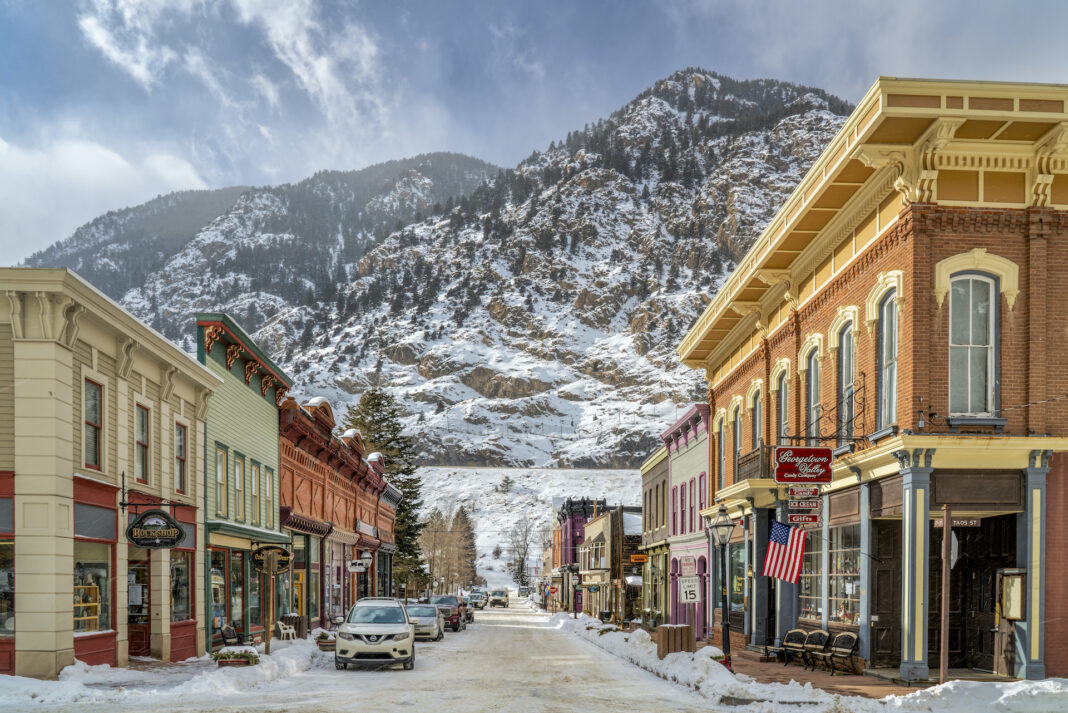
The cost of groceries and other everyday consumer goods in Colorado is a factor that impacts all residents.
Grocery Prices: Influenced by Supply Chains
Grocery prices in Colorado tend to be slightly above the national average. This can be attributed to several factors, including the cost of transporting goods to the state, especially to more remote areas, and the overall demand from a growing population. While you can certainly find ways to save by shopping at discount grocers or buying in bulk, everyday staples can feel more expensive.
Dining Out and Entertainment
For those who enjoy dining out, Colorado’s restaurant scene offers a wide range of options, from casual eateries to fine dining establishments. However, the cost of eating out can be a significant expense, particularly in tourist areas and larger cities. Similarly, entertainment options, such as attending sporting events at places like Coors Field or Empower Field at Mile High, concerts at venues like the Red Rocks Amphitheatre, or visiting theme parks like Elitch Gardens, can also add up.
Healthcare: A National Concern with Local Nuances
Healthcare costs are a concern across the United States, and Colorado is no exception. While the state has made efforts to expand access to healthcare and control costs, residents can still face substantial expenses for insurance premiums, deductibles, and out-of-pocket medical services.
Insurance Premiums and Options
The availability and cost of health insurance in Colorado depend on individual circumstances, including employment status, income level, and chosen plan. The Colorado Health Insurance Marketplace offers various plans, but premiums can still be a significant financial burden for many families.
Access to Care
Access to healthcare providers, particularly specialists, can vary across the state. Larger metropolitan areas like Denver and Colorado Springs generally have a greater concentration of hospitals and medical facilities, offering broader access to care. However, in more rural parts of Colorado, accessing specialized medical services might require traveling to a larger city, adding to the overall cost and inconvenience.
Lifestyle and Budgeting in Colorado
The question of whether Colorado is expensive to live is intrinsically linked to lifestyle choices and budgeting strategies. What one person considers expensive, another might find manageable or even affordable, depending on their income, priorities, and spending habits.
Luxury Travel vs. Budget Travel in Colorado
Colorado is a state that caters to a wide spectrum of lifestyles, from the ultra-luxury traveler seeking exclusive experiences to the budget-conscious adventurer exploring its natural wonders.
For those who appreciate luxury travel, Colorado offers world-class resorts like The Broadmoor in Colorado Springs, exclusive ski lodges in Aspen, and high-end hotels in Denver. These experiences come with a premium price tag, reflecting the quality of service, amenities, and the exclusivity of the locations. Fine dining restaurants, designer boutiques, and private tours further contribute to the high cost of luxury living.
On the other hand, budget travel in Colorado is entirely achievable. The state’s most compelling attractions are its natural landscapes, which are largely free to access. Camping in national parks like Rocky Mountain National Park, hiking on countless trails, and exploring scenic byways are all budget-friendly activities. Many towns offer affordable lodging options like hostels, budget motels, or vacation rentals booked in advance. Packing your own snacks and meals for day trips also significantly reduces expenses.
Family Trips and Business Stays: Varied Financial Considerations
When considering Colorado for family trips or business stays, the financial considerations vary.
For families, the cost can be managed by balancing paid attractions with free outdoor activities. Visiting places like the Denver Museum of Nature & Science or Elitch Gardens can be expensive, but days spent exploring local parks, playgrounds, or enjoying a picnic in a scenic spot can significantly reduce the overall cost of a family vacation. Accommodation choices, from hotels with family suites to vacation rentals with kitchens, can also impact the budget.
Business stays often involve corporate budgets, which can afford higher-end accommodations and dining experiences. However, even for business travelers, understanding local costs is important for per diem allowances and expense management. Staying in hotels like the Hyatt Regency Denver or other business-friendly accommodations is common, but the cost can be a significant factor depending on the city and the time of year.
Making Colorado Work for Your Budget
Ultimately, the answer to “Is Colorado expensive to live?” is yes, it can be, especially in its most popular areas. However, with careful planning, informed choices, and a realistic understanding of the expenses involved, living in or visiting Colorado can be a financially viable and incredibly rewarding experience.
Strategic Accommodation Choices
Whether you’re planning a short visit or a long-term stay, making strategic accommodation choices is paramount. In tourist hotspots, booking well in advance, especially during peak seasons, can often secure better rates. Consider alternatives to traditional hotels, such as vacation rentals through platforms like Airbnb or VRBO, which can be more cost-effective for longer stays or for families who can utilize kitchen facilities. In cities like Denver, exploring neighborhoods slightly outside the immediate downtown core can also yield more affordable rental and hotel options. For those considering a longer-term stay, researching rental markets in smaller cities or towns can reveal significant savings.
Embracing the Outdoors and Local Culture
Colorado’s greatest treasures are its natural landscapes, and thankfully, these are often the most budget-friendly. Prioritize activities like hiking in places like Garden of the Gods or along the Colorado Trail, exploring state parks, or simply enjoying a picnic with a mountain view. These experiences are not only free or low-cost but also offer the quintessential Colorado lifestyle. Engaging with local culture can also be done affordably. Many towns have free community events, farmers’ markets, and local festivals that offer a glimpse into the vibrant life of the state without breaking the bank.

Smart Budgeting and Financial Planning
For those considering a permanent move, understanding the cost of living and creating a detailed budget is essential. This involves researching average costs for housing, utilities, transportation, and groceries in your target area. It also means being realistic about income potential in that region. Many residents find that while some expenses are higher, the quality of life, access to outdoor recreation, and career opportunities in sectors like technology and outdoor industries can make Colorado a worthwhile investment.
In conclusion, Colorado presents a compelling case for its beauty and lifestyle, but it also comes with a price tag. By understanding the components of the cost of living, making informed decisions about accommodation and activities, and adopting smart budgeting practices, individuals can successfully navigate the expense of living or traveling in the Centennial State. Whether you’re seeking adventure in the mountains or a vibrant city life, Colorado offers a unique experience, and with careful planning, it can be an experience within reach.
LifeOutOfTheBox is a participant in the Amazon Services LLC Associates Program, an affiliate advertising program designed to provide a means for sites to earn advertising fees by advertising and linking to Amazon.com. Amazon, the Amazon logo, AmazonSupply, and the AmazonSupply logo are trademarks of Amazon.com, Inc. or its affiliates. As an Amazon Associate we earn affiliate commissions from qualifying purchases.